Why Does My Betta Fish Tank Keep Getting Cloudy
Cloudy water isn’t just unsightly—it can signal hidden problems that threaten your betta’s health. This guide explains the most common causes, from over‑feeding to poor filtration, and gives step‑by‑step solutions so you can enjoy a sparkling tank and a thriving fish.
Key Takeaways
- Over‑feeding is a top culprit: excess food fuels bacteria that turn water milky.
- Improper cycling leaves “new‑tank syndrome”: unfinished nitrogen cycles create cloudy water.
- Insufficient filtration or aeration: without good flow, waste particles stay suspended.
- Substrate disturbance: sand or gravel can release fine particles if not rinsed.
- Water changes matter: regular 25‑30% changes keep clarity and reduce nitrate spikes.
- Check for algae and fungal blooms: they often look like cloudiness and need specific treatment.
- Test water parameters: high ammonia, nitrite, or phosphate levels directly cause cloudiness.
📑 Table of Contents
- Introduction: When Your Betta’s Home Looks Like a Milkshake
- 1. Understanding the Basics: What Makes Water Cloudy?
- 2. Common Causes of Cloudy Betta Tanks
- 3. Step‑by‑Step Troubleshooting Guide
- 4. Preventive Practices for Long‑Term Clarity
- 5. When Cloudiness Persists: Signs It’s Time to Seek Help
- Conclusion: Clear Water, Happy Betta
- Related Reading
Introduction: When Your Betta’s Home Looks Like a Milkshake
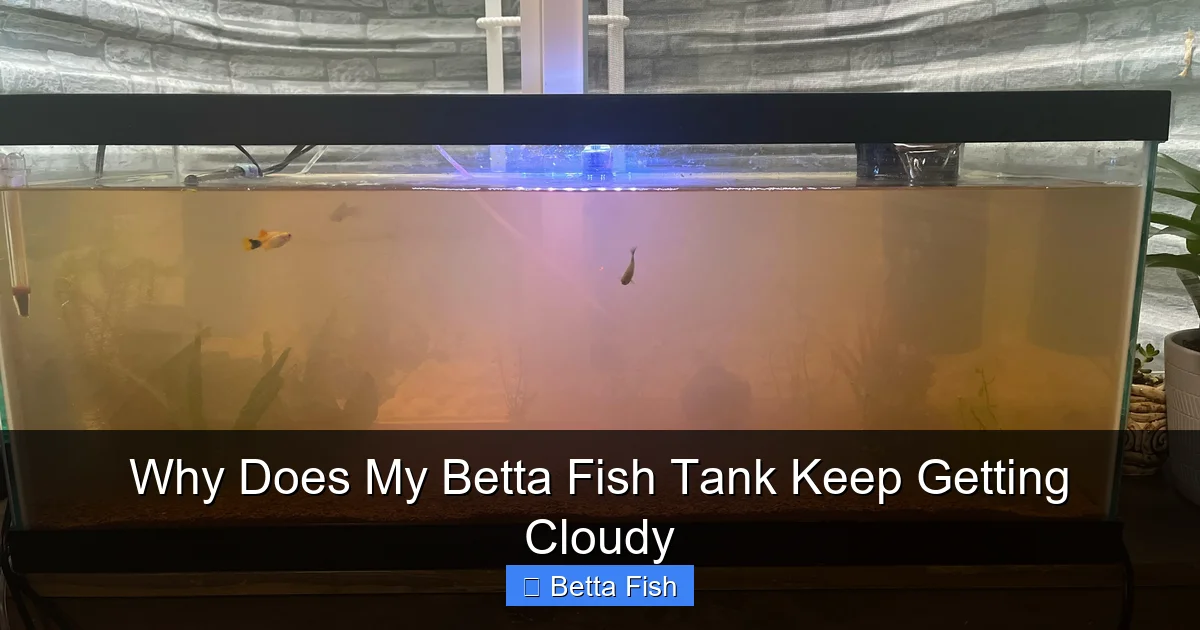
If you’ve ever looked into a betta fish tank and seen water that looks more like a foggy glass than a clear pond, you know how frustrating it can be. Not only does cloudy water look unappealing, but it can also stress your betta, hide parasites, and make it harder to spot health issues. The question on every hobbyist’s mind becomes, “why does my betta fish tank keep getting cloudy?”
Don’t worry—you’re not alone. Many beginners (and even seasoned keepers) face this problem at least once. The good news is that most cloudiness is preventable and easily corrected with a few simple habits. In the next sections we’ll break down the science behind cloudy water, walk through the most common causes, and give you a practical, step‑by‑step plan to restore crystal‑clear conditions.
1. Understanding the Basics: What Makes Water Cloudy?
1.1 The role of bacteria and organic particles
When you add food, fish waste, and plant debris to a tank, tiny particles float around. Beneficial bacteria feed on these particles, turning them into less visible compounds. If the bacterial population can’t keep up—because of over‑feeding, insufficient surface area, or a new tank that hasn’t cycled yet—the water turns milky.
Visual guide about Why Does My Betta Fish Tank Keep Getting Cloudy
Image source: fishtankmaster.com
1.2 The nitrogen cycle in a nutshell
In a healthy aquarium, ammonia (from waste) is converted to nitrite and then to nitrate by two groups of bacteria. This process, called the nitrogen cycle, also helps clear the water. When the cycle is incomplete, ammonia and nitrite can build up, causing a cloudy “new‑tank syndrome.”
1.3 Physical vs. biological cloudiness
Physical cloudiness comes from suspended particles like sand, dust, or un‑rinsed substrate. Biological cloudiness is caused by microorganisms—bacteria, algae, or fungi—multiplying rapidly. Knowing which type you have guides the fix.
2. Common Causes of Cloudy Betta Tanks
2.1 Over‑feeding and excess waste
Betta fish have small stomachs; they only need a few pea‑sized pellets once or twice a day. Any uneaten food sinks, decays, and fuels bacterial blooms. If you notice food floating or sinking to the bottom, you’re likely over‑feeding.
2.2 Incomplete tank cycling
New tanks are especially prone to cloudiness because the beneficial bacteria haven’t colonized the filter media, substrate, and decorations yet. This stage can last 2‑6 weeks, during which the water may appear milky.
2.3 Inadequate filtration or aeration
Betta tanks are often small and may use cheap sponge filters or no filter at all. Without adequate water movement, waste particles remain suspended, and oxygen levels drop—both invite cloudiness.
2.4 Dirty or un‑rinsed substrate
Even a small amount of dust from new gravel or sand can keep the water cloudy for days. Rinse substrate thoroughly before adding it to the tank.
2.5 Algae or fungal blooms
Excess light, high nutrients, and warm temperatures can trigger rapid algae growth that looks like a greenish cloud. Fungal spores from contaminated plants can also create a milky haze.
2.6 High phosphate or nitrate levels
When phosphates (from tap water or fish food) accumulate, they act as a fertilizer for microorganisms, leading to cloudy water. Regular water testing helps catch this early.
3. Step‑by‑Step Troubleshooting Guide
3.1 Test your water
Grab a reliable test kit and check ammonia, nitrite, nitrate, and phosphate. Ideal ranges for a betta are:
- Ammonia: 0 ppm
- Nitrite: 0 ppm
- Nitrate: < 20 ppm (lower is better)
- Phosphate: < 0.5 ppm
If any of these are high, you’ve identified the primary cause.
3.2 Perform a partial water change
Replace 25‑30 % of the water with conditioned, temperature‑matched water. This dilutes excess nutrients and removes suspended particles. Use a gravel vacuum to stir the substrate gently—this helps lift trapped debris.
3.3 Adjust feeding habits
Feed only what your betta can eat in 2‑3 minutes. Offer 2‑3 pellets once or twice daily, and consider a fasting day each week to clear the gut.
3.4 Boost filtration
If you’re using a sponge filter, ensure it’s rated for at least 2‑3 times the tank volume per hour. For a 5‑gallon tank, a filter moving 10‑15 gph is ideal. Add a small air stone to increase surface agitation.
3.5 Clean or replace substrate
Rinse gravel in a bucket of tank water (not tap water) until it runs clear. If the substrate is the source of persistent cloudiness, consider switching to a finer, pre‑washed sand.
3.6 Control light and temperature
Limit lighting to 8‑10 hours a day and keep the temperature between 76‑80 °F (24‑27 °C). Too much light fuels algae, while high temperatures speed bacterial growth.
4. Preventive Practices for Long‑Term Clarity
4.1 Establish a regular maintenance schedule
– Weekly: Test water, clean glass, trim plants.
– Bi‑weekly: 25 % water change, gravel vacuum.
– Monthly: Deep clean filter media (rinse in tank water), replace filter cartridges if needed.
4.2 Use a quality water conditioner
Tap water often contains chlorine, chloramine, and heavy metals that can stress bacteria. A good conditioner neutralizes these chemicals and adds beneficial slime coat protectants.
4.3 Add live plants or bio‑media
Plants like Anubias or Java moss absorb nitrates and provide extra surface area for beneficial bacteria. If plants aren’t an option, add bio‑balls or ceramic rings to the filter.
4.4 Monitor tank mates and decorations
Even a single betta can be affected by contaminated ornaments. Rinse all decorations in hot water and soak them in a diluted bleach solution (1 % bleach) for 10 minutes, then rinse thoroughly.
4.5 Keep an eye on the “new‑tank” period
During the first month, test daily and perform small (10 %) water changes every other day. This speeds up the cycling process and prevents cloudy water from taking hold.
5. When Cloudiness Persists: Signs It’s Time to Seek Help
5.1 Betta showing stress signs
If your betta is gasping at the surface, has faded colors, or displays frayed fins, the water quality may be harming it. In such cases, act quickly: perform an emergency 50 % water change and re‑test.
5.2 Persistent “white” cloud that doesn’t settle
This could indicate a bacterial bloom that isn’t responding to water changes. Adding a dose of liquid carbon or a bacterial supplement can jump‑start the beneficial colonies.
5.3 Sudden spikes in ammonia or nitrite
These spikes often follow over‑feeding, a dead fish, or a filter failure. Remove any dead organic matter, clean the filter, and consider using an ammonia detox product while the cycle recovers.
5.4 Seek expert advice
If you’ve tried the steps above and the water remains cloudy, consult a local aquarium store or a veterinarian specializing in fish. They can help diagnose hidden issues like fungal infections or a failing filter pump.
Conclusion: Clear Water, Happy Betta
Understanding why does my betta fish tank keep getting cloudy boils down to three core ideas: control waste, support beneficial bacteria, and maintain proper filtration and flow. By testing water regularly, feeding responsibly, and keeping up with routine maintenance, you’ll prevent most cloudiness before it starts.
A clear tank not only looks beautiful, it also gives you a window into your betta’s health. With the tips in this guide, you’ll enjoy a sparkling aquarium and a vibrant, stress‑free betta for years to come.
Related Reading
For more insight into water quality issues, check out our article on why is my betta fish water cloudy. If you notice bubbles alongside the cloudiness, read why are there bubbles in my betta fish tank. And if your betta seems stressed or jumps out, see why did my betta fish jump out of the tank.
Frequently Asked Questions
Why does my betta tank get cloudy right after a water change?
New water can disturb settled particles, and if the filter media isn’t fully primed, it may release fine debris. A gentle flow and letting the tank settle for a few hours usually clears it.
Can over‑feeding cause cloudy water?
Yes. Uneaten food decomposes, feeding bacteria that multiply quickly and turn the water milky. Feed only what your betta can eat in a few minutes.
Is a bacterial bloom harmful to my betta?
Most blooms are harmless and clear up on their own, but they can reduce oxygen levels. Increase aeration and perform a small water change to help the bloom subside.
How often should I change the water to prevent cloudiness?
For a 5‑gallon betta tank, a 25‑30 % water change every week is ideal. During the cycling phase, change 10‑15 % every two days.
My tank is cloudy and smells bad. What should I do first?
Test for ammonia and nitrite right away. If either is above 0 ppm, do an emergency 50 % water change, clean the filter, and reduce feeding until levels drop.
Can live plants help keep my water clear?
Yes. Plants absorb nitrates and provide extra surface for beneficial bacteria, both of which help prevent cloudy water.