How to Train a Crowntail Betta Fish
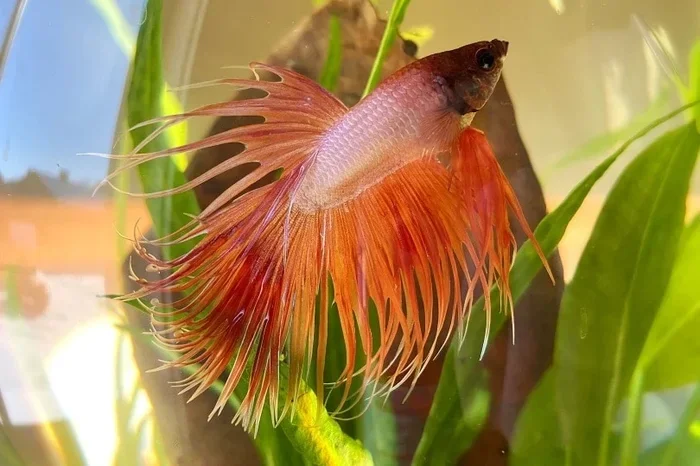
Training a crowntail betta fish is easier than most people think. With patience, the right approach, and consistent practice, you can teach your betta to follow your finger, flare on command, and even jump for food. This guide covers everything from setting up the perfect training environment to advanced tricks. You will learn proven crowntail betta training methods that work.
If you have a crowntail betta fish, you might be amazed by how smart and interactive they can be. These beautiful fish with their spiky, crown-like fins are not just pretty faces. They can learn tricks, respond to their owners, and even recognize feeding times. Training a crowntail betta fish is one of the most rewarding things you can do as a fish owner.
Many people think bettas are too simple to learn anything. That could not be further from the truth. With the right approach, you can teach your crowntail betta to follow your finger, swim through hoops, and even jump for food. This guide walks you through every step in a way that is easy to follow and fun to try.
Before you start, it helps to understand that betta fish training is not about forcing your fish to do anything. It is about building trust and using positive reinforcement. Your crowntail will respond much better to kindness and patience than to any harsh method. Let us dive into the world of training your crowntail betta.
Key Takeaways
- Start with bonding: Building trust with your crowntail betta is the foundation for successful training.
- Use positive reinforcement: Treats and food rewards make training effective and enjoyable for your fish.
- Keep sessions short: Training should last only 5 to 10 minutes to avoid stressing your betta.
- Master the basics first: Follow-the-finger and target training are the stepping stones to advanced tricks.
- Maintain water quality: Clean, warm water keeps your crowntail healthy and receptive to learning.
- Be patient: Every betta learns at their own pace. Consistency matters more than speed.
📑 Table of Contents
- Why Train Your Crowntail Betta Fish?
- Setting Up the Right Environment for Training
- Building Trust Before Training
- Basic Training Techniques for Crowntail Bettas
- Advanced Tricks for Experienced Owners
- Common Mistakes to Avoid
- Quick Tips for Successful Crowntail Betta Training
- Expert Insights on Betta Fish Training
- How Long Does It Take to Train a Crowntail Betta?
- Conclusion
Why Train Your Crowntail Betta Fish?
Training your betta is not just a fun hobby. It serves several important purposes. First, it keeps your fish mentally stimulated. Bettas are curious creatures, and a bored betta can become stressed or depressed. Training gives them something to do and keeps their mind active.
Second, training strengthens the bond between you and your fish. When you spend time working with your crowntail, they start to recognize you. You may notice your betta getting more active when you approach the tank. That is a sign of trust and connection.
Third, training makes it easier to care for your betta. A fish that is comfortable being observed is easier to check for health issues. A trained betta may also eat more readily from your hand, which makes feeding time smoother. To learn more about building trust with your fish, check out our guide on how to grow a bond with your betta fish.
Setting Up the Right Environment for Training
You cannot train a betta effectively in a messy, stressful tank. The environment matters a lot. Before you begin any training sessions, make sure your setup is right.
Tank Size and Setup
A minimum tank size of 5 gallons is recommended for a crowntail betta. Smaller bowls can work, but a larger tank gives your fish more room to move and explore. This extra space helps reduce stress, which is essential for learning. If you are unsure about the best setup, you can refer to our article on how to set up a fish tank for betta fish.
Keep the water temperature between 78 and 80 degrees Fahrenheit. Bettas are tropical fish and need warm water to stay healthy and active. Use a heater to maintain a stable temperature. Fluctuations in temperature can make your betta sluggish and less interested in training.
Water Quality Matters
Clean water is non-negotiable. A stressed or sick betta will not want to learn anything. Test your water regularly for ammonia, nitrite, and nitrate levels. Do partial water changes every week to keep the tank fresh.
Good water quality also supports your betta’s immune system. A healthy fish is a happy fish, and a happy fish is much more receptive to training. For tips on maintaining proper water conditions, read our guide on how to take care of betta fish water.
Minimizing Distractions
When it is time to train, reduce distractions around the tank. Turn off loud music, close the curtains if there is too much glare, and make sure other pets are not hovering near the tank. A calm environment helps your crowntail focus on you and the training session.
Building Trust Before Training
You would not try to teach a dog a trick without first earning its trust. The same principle applies to bettas. Before you start any formal training, spend time simply being present near the tank.
The Observation Phase
Spend the first few days just watching your crowntail betta. Sit near the tank and let your fish get used to your presence. Talk softly or hum gently so your betta gets familiar with your voice. You will notice your fish becoming less skittish over time.
During this phase, feed your betta by hand whenever possible. Drop the food near your fingers and let your fish come to you. This teaches your crowntail that your hand means good things. It is the first step in building a training relationship.
Recognizing Stress Signals
Watch for signs that your betta is stressed during training. Clamped fins, hiding in corners, rapid breathing, or refusing food are all warning signs. If you notice any of these, stop the training session immediately and give your fish some time to relax.
For more information on identifying and managing stress in bettas, visit our guide on how to treat a stressed betta fish. A stress-free betta learns much faster than an anxious one.
Basic Training Techniques for Crowntail Bettas
Now that your environment is set and trust is building, it is time to start training. Begin with the simplest techniques and work your way up as your betta progresses.
Follow the Finger
This is the most basic and popular trick for betta fish training. Hold your finger against the outside of the tank and wait for your crowntail to notice it. Once your fish looks at your finger, slowly move it from one side of the tank to the other.
Most bettas will follow the movement of your finger. When your fish follows all the way across, reward it immediately with a small treat. Use a pipette or small tweezers to deliver the food. Repeat this 3 to 5 times per session, and keep each session under 10 minutes.
Over the course of a week or two, your betta should follow your finger reliably. This trick is not only fun but also a great way to exercise your fish and keep it active.
Target Training
Target training takes the follow-the-finger concept further. Use a small object like a colored bead or a stick attached to a pencil. Touch the target to the water surface near your betta. When your fish investigates the target, reward it with a treat.
Gradually move the target to different positions in the tank. Your crowntail will learn to swim to the target on command. This technique is the foundation for more advanced tricks and helps improve your betta’s agility and coordination.
Hand Feeding
Hand feeding is both a training technique and a bonding activity. Hold a few pellets or live food between your fingers just above the water surface. Wait patiently for your betta to eat from your hand.
Some bettas take to hand feeding right away. Others may take several days or even weeks. Do not rush the process. The key is consistency and patience. Once your crowntail eats from your hand regularly, you can use this as a reward during other training sessions.
Advanced Tricks for Experienced Owners
Once your crowntail has mastered the basics, you can try more advanced tricks. These require more time and patience, but the results are impressive.
Jumping for Food
Bettas are natural jumpers, and you can use this instinct to teach your fish to jump for food. Hold a pellet just above the water surface. Your crowntail will eventually leap up to grab it.
Start by placing the pellet on the water surface and gradually raise it higher over several sessions. Always reward your fish immediately after a successful jump. Never force your betta to jump too high, as this can cause injury.
Swimming Through Hoops
You can create a small hoop using a soft wire or pipe cleaner. Place it in the water and guide your betta through it using a treat. Start with a large hoop and gradually make it smaller as your fish gets more comfortable.
This trick requires your crowntail to follow a target or your finger through the hoop. Be patient and break the training into tiny steps. Celebrate small victories, and your betta will keep improving.
Ring the Bell
Some betta owners train their fish to tap a small bell or button attached to the inside of the tank. Place the bell near the water surface and use a target or your finger to guide your betta toward it.
When your fish touches the bell, immediately reward it with food. Repeat this consistently, and your crowntail will learn to ring the bell on cue. This is a fun trick that never fails to impress visitors.
Common Mistakes to Avoid
Training a crowntail betta can go wrong if you are not careful. Here are the most common mistakes that new betta owners make:
- Training sessions that are too long. Bettas have short attention spans. Keep sessions to 5 to 10 minutes maximum. Longer sessions will exhaust and stress your fish.
- Using the wrong rewards. Not all treats are equal. Use small, high-quality food that your betta loves. Avoid overfeeding, which can lead to health problems.
- Skipping warm-up sessions. Always start with something easy your betta already knows. This builds confidence before moving to harder tricks.
- Training when the fish is stressed. If your betta is showing signs of illness or stress, postpone training. Focus on betta fish care first and resume training once your fish is healthy.
- Inconsistent timing. Train at the same time each day. Bettas respond well to routine, and consistency helps them learn faster.
- Moving too fast. Every betta learns at a different pace. Do not compare your fish to others. Progress at your crowntail’s speed for the best results.
Quick Tips for Successful Crowntail Betta Training
Here are some quick tips to make your training sessions more effective:
- Train your betta at the same time every day to build a routine.
- Use a dim or soft light during training to keep your fish comfortable.
- Keep a training log to track progress and identify what works best.
- Always end on a positive note, even if the session did not go perfectly.
- Use a mirror briefly to trigger natural flaring behavior, then reward your betta for it.
- Never tap on the tank glass, as this creates stress and negative associations.
- Rotate between different tricks to keep your crowntail mentally engaged.
Expert Insights on Betta Fish Training
Experienced betta owners and aquatic specialists agree that crowntail betta training is all about patience and observation. Each fish has a unique personality. Some bettas are natural performers and will pick up tricks quickly. Others are more reserved and need extra time.
The key is to read your fish’s body language. A relaxed betta with flowing fins and active swimming is ready to learn. A betta with clamped fins or hiding behavior needs a break. Respect your fish’s boundaries and training will become a positive experience for both of you.
Remember that training is not just about tricks. It is about communication. When you train your crowntail betta, you are building a two-way relationship. Your fish learns to trust you, and you learn to understand your fish better. This mutual understanding is what makes the whole process so rewarding.
How Long Does It Take to Train a Crowntail Betta?
The timeline varies from fish to fish. Simple tricks like follow-the-finger can be learned within one to two weeks. More complex tricks like swimming through hoops may take a month or longer. The important thing is to stay consistent and enjoy the process. Do not measure success by speed. Measure it by the connection you build with your crowntail betta along the way.
Conclusion
Training a crowntail betta fish is one of the most enjoyable aspects of fish ownership. It takes patience, consistency, and a genuine love for your fish. Start with the basics, build trust, and gradually work your way up to more advanced tricks. Always prioritize your betta’s health and well-being above all else.
Remember that every crowntail betta is different. What works for one fish may not work for another. Stay flexible, stay positive, and celebrate every small win. Whether your betta learns to follow your finger or rings a bell, the journey itself is the real reward. With the tips and techniques in this guide, you are well on your way to having a well-trained, happy, and healthy crowntail betta.
Frequently Asked Questions
Can all crowntail bettas be trained?
Most crowntail bettas can learn basic tricks with patience and consistency. However, every fish has its own personality. Some may be more eager to learn than others. If your betta seems uninterested, try again later or adjust your training approach.
What is the best food to use as a training reward?
Small pieces of bloodworms, brine shrimp, or your betta’s favorite pellets work best as training rewards. Use very small portions to avoid overfeeding. The reward should be something your crowntail finds especially motivating and delicious.
How long should each training session last?
Keep training sessions to 5 to 10 minutes. Bettas have short attention spans and can become stressed if sessions go on too long. Short, consistent sessions are far more effective than long, infrequent ones.
Can I train my crowntail betta with other fish in the tank?
It is best to train your betta in a tank without other fish, at least during training sessions. Other fish can distract your crowntail and create stress. A calm, focused environment leads to better training results.
Is it normal for my betta to refuse food during training?
Yes, it can be normal, especially in the early stages. If your betta refuses food, try again later or use a different type of treat. Make sure the water temperature and quality are optimal, as these factors directly affect your fish’s appetite.
What should I do if my crowntail betta seems stressed during training?
Stop the training session immediately and give your fish time to rest. Check the water parameters and temperature to make sure everything is within the ideal range. If stress continues, consult a vet or experienced aquarist for advice on betta fish care and recovery.