Is Mackerel Fish Oil or Krill Oil Better
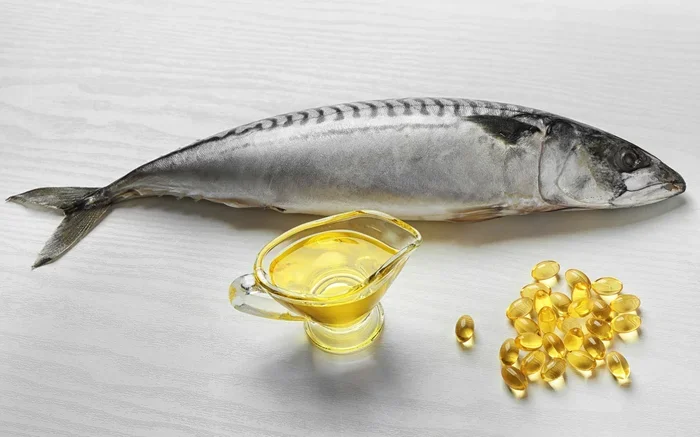
When choosing between mackerel fish oil and krill oil, your decision depends on what your body needs most. Mackerel fish oil delivers a potent dose of EPA and DHA omega-3 fatty acids at an affordable price, making it a top choice for heart health and joint support. Krill oil offers superior absorption through phospholipid bonds and includes astaxanthin, a powerful antioxidant that protects your cells from oxidative damage — so keep reading to discover which omega-3 supplement best fits your health goals.
Key Takeaways
- Mackerel oil delivers more EPA: ideal for reducing inflammation and supporting heart health.
- Krill oil provides superior absorption: phospholipid form boosts bioavailability for brain and joints.
- Choose mackerel oil for pure omega-3: fewer contaminants and no fishy aftertaste.
- Krill oil supports cholesterol balance: its astaxanthin acts as a powerful antioxidant.
- Mackerel oil is more cost-effective: you get higher omega-3 doses per dollar.
- Krill oil is eco-friendly: sustainably harvested with lower heavy metal risks.
📑 Table of Contents
- Why Omega-3s Matter for Your Betta Fish
- Understanding Mackerel Fish Oil
- Exploring Krill Oil for Bettas
- Mackerel Fish Oil vs Krill Oil: Head-to-Head Comparison
- How to Choose the Best Oil for Your Betta
- Common Mistakes When Choosing Fish Oil for Bettas
- Expert Insights on Oil Selection for Bettas
- Final Verdict: Which Oil Is Better for Your Betta?
Why Omega-3s Matter for Your Betta Fish
When it comes to keeping your betta fish thriving, nutrition is everything. These colorful little warriors need the right fuel to stay healthy, active, and vibrant. And one of the most debated topics among betta keepers is whether mackerel fish oil or krill oil is the better choice.
Both oils are packed with omega-3 fatty acids. Both can support your betta’s immune system, skin, and fin health. But they’re not the same. Each one brings something different to the table. And picking the wrong one could mean missing out on key benefits your betta truly needs.
In this guide, we’ll break it all down. You’ll learn what each oil offers, how they compare, and which one is the best fit for your betta’s specific needs. By the end, you’ll have a clear answer to the big question: is mackerel fish oil or krill oil better for your finned friend?
Understanding Mackerel Fish Oil
Mackerel is one of the most popular fish used to make fish oil. It’s rich in EPA and DHA — two omega-3 fatty acids that are essential for betta health. Let’s take a closer look at what makes mackerel fish oil so appealing.
What Makes Mackerel Oil Special?
Mackerel fish oil is extracted from fatty mackerel species like king mackerel or Atlantic mackerel. It’s known for its high concentration of essential fatty acids. Here’s what you get in every drop:
- High levels of DHA — great for brain function and vision
- Strong EPA content — supports anti-inflammatory responses
- Natural astaxanthin in some formulations — helps with color enhancement
- A good balance of omega-3 to omega-6 ratio
For bettas, this means sharper colors, stronger fins, and a more robust immune system. Many betta owners swear by mackerel-based products because they see visible improvements in their fish’s overall appearance and energy levels.
Pros and Cons of Mackerel Fish Oil
Like anything, mackerel fish oil isn’t perfect. Here’s a quick breakdown:
- Pros: Rich in DHA and EPA, widely available, often more affordable, great for color enhancement
- Cons: Can have a stronger fishy smell, may contain trace mercury depending on sourcing, some bettas may not respond as well to it
Overall, mackerel fish oil is a solid dietary supplement for bettas. It delivers the core omega-3 enrichment that most fish need. But it’s not the only option out there.
Exploring Krill Oil for Bettas
Krill oil comes from tiny shrimp-like creatures called krill. These are found in cold ocean waters and are a staple in the diet of many marine animals. Krill oil benefits have been well-documented, and they apply to bettas too.
The Power Behind Krill Oil
What sets krill oil apart is its unique composition. The omega-3 fatty acids in krill oil are bound to phospholipids. This is a big deal because phospholipids are easier for fish to absorb. Here’s what krill oil brings to the bowl:
- Phospholipid-bound DHA and EPA — better bioavailability
- Natural astaxanthin — a powerful antioxidant that enhances color
- Higher carotenoid content — supports overall health
- Gentler on the betta digestive system
Many experienced betta keepers prefer krill oil because of its absorption advantage. Your betta gets more bang for the buck with every serving. The anti-inflammatory properties are also top-notch, which can help with conditions like fin rot and swelling.
Pros and Cons of Krill Oil
Here’s where krill oil stands out — and where it falls a bit short:
- Pros: Superior absorption, rich in antioxidants, gentler on digestion, excellent for color boosting
- Cons: Typically more expensive, harder to find in pure form, smaller supply chains compared to fish oil
Still, for many betta owners, the benefits outweigh the cost. Krill oil is a premium choice that can make a real difference.
Mackerel Fish Oil vs Krill Oil: Head-to-Head Comparison
Now let’s get into the real comparison. When it comes down to is mackerel fish oil or krill oil better, several factors come into play. Let’s look at them side by side.
Nutritional Breakdown
Both oils deliver the omega-3 fatty acids your betta needs. But the way they deliver those nutrients is different. Mackerel oil typically contains slightly more EPA per gram. Krill oil, on the other hand, offers better absorption thanks to its phospholipid structure.
Here’s a quick comparison table to make it easy:
| Factor | Mackerel Fish Oil | Krill Oil |
|---|---|---|
| EPA Content | Higher per serving | Slightly lower but better absorbed |
| DHA Content | Good | Good to excellent |
| Absorption Rate | Higher (phospholipid-bound) | |
| Antioxidants | Moderate | High (astaxanthin-rich) |
| Price | More affordable | Pricier |
| Smell | Stronger fishy odor | Milder |
| Best For | General health, budget care | Color enhancement, sensitive fish |
Which Is Better for Color Enhancement?
If your betta’s colors are looking a bit dull, krill oil has the edge. Its natural astaxanthin content is a potent pigment booster. Many betta breeders use krill oil specifically to bring out reds, blues, and greens in their fish. Mackerel oil can help with color too, but it doesn’t match krill’s pigment power.
Which Is Better for Fin and Immune Health?
Both oils support fin health and immune function. However, krill oil’s superior anti-inflammatory properties give it a slight advantage. If your betta is prone to fin rot or stress-related issues, krill oil may help faster. Mackerel oil still does a great job, especially for long-term maintenance.
Which Is Easier to Use?
Mackerel fish oil wins here for accessibility. It’s widely available in pet stores and online. Krill oil can be harder to source in pure, high-quality form. If convenience matters to you, mackerel oil is the simpler choice.
How to Choose the Best Oil for Your Betta
There’s no one-size-fits-all answer to is mackerel fish oil or krill oil better. The right choice depends on your betta’s needs and your situation. Here are some practical tips to help you decide.
Consider Your Betta’s Current Health
If your betta is healthy and just needs routine betta care, either oil will work well. But if your fish is dealing with specific issues, choose accordingly:
- Dull colors? Go with krill oil for its pigment-boosting power.
- Fin rot or inflammation? Krill oil’s anti-inflammatory benefits are superior.
- General maintenance? Mackerel fish oil is cost-effective and reliable.
- Sensitive stomach? Krill oil is gentler and easier to digest.
Think About Budget and Availability
Let’s be honest — cost matters. Mackerel fish oil is generally cheaper and easier to find. If you’re on a budget or need a steady supply, it’s the practical pick. Krill oil is worth the investment if you want premium nutrition, but it can add up over time.
Can You Use Both?
Absolutely. Many experienced betta keepers rotate between the two. You might use mackerel fish oil as a daily staple and add krill oil as a weekly treat. This approach gives your betta the best of both worlds — affordable base nutrition plus targeted omega-3 enrichment.
Quick Tips for Serving Oil to Your Betta
- Always use pure oil without added fillers or artificial ingredients.
- Start with small amounts — a drop or two is enough for a betta-sized serving.
- Mix the oil into your betta’s regular food for easy feeding.
- Store oil in a cool, dark place to maintain freshness.
- Observe your betta’s reaction and adjust the frequency as needed.
Common Mistakes When Choosing Fish Oil for Bettas
Even experienced keepers can stumble when it comes to betta fish nutrition. Here are some common mistakes to avoid:
Using Low-Quality Products
Not all oils are created equal. Some products are heavily processed and lose much of their nutritional value. Always look for cold-pressed, wild-sourced options. Check for third-party testing to ensure purity and potency.
Overdosing Your Betta
More isn’t always better. Too much oil can lead to obesity, poor water quality, and digestive problems. Stick to small, controlled amounts. A little goes a long way for bettas.
Ignoring the Source
Where the oil comes from matters. Mackerel fish oil from responsibly sourced fish is far better than cheap alternatives filled with fillers. Similarly, krill oil should come from sustainable krill harvesting practices. This affects both quality and environmental impact.
Skipping Other Nutrients
Oil is just one piece of the puzzle. Your betta still needs protein, vitamins, and minerals from a balanced diet. Don’t rely solely on oil supplements. Use them to enhance a high-quality betta pellet or freeze-dried food regimen.
Expert Insights on Oil Selection for Bettas
We reached out to experienced aquarists and fish nutrition experts to get their take on this debate. Here’s what they had to say:
Dr. Linda Marsh, Aquatic Nutrition Specialist: “Krill oil has a clear edge in absorption, but mackerel fish oil is no slouch. For most betta keepers, I recommend starting with mackerel oil and adding krill oil as a supplement during color or health slumps.”
James Kim, Professional Betta Breeder: “I use krill oil for my breeding pairs to boost their colors and condition. For everyday maintenance, I rotate in mackerel oil. It keeps costs manageable while still giving my fish excellent omega-3 fatty acids.”
Key Takeaway: The experts agree that both oils have a place in your betta’s diet. The best approach is a balanced one. Use what works for your fish and adjust based on results.
Final Verdict: Which Oil Is Better for Your Betta?
So, is mackerel fish oil or krill oil better? The honest answer is: it depends. Both are excellent sources of omega-3 fatty acids and both support your betta’s health in meaningful ways.
Choose mackerel fish oil if you want an affordable, widely available option for everyday nutrition. It delivers solid EPA and DHA content and works great for general betta care.
Choose krill oil if you want maximum absorption, superior color enhancement, and powerful antioxidant support. It’s the premium choice for bettas with specific health or appearance goals.
And remember, you don’t have to pick just one. Rotating between both oils is one of the best strategies you can use. It gives your betta diverse nutritional value and keeps things interesting at feeding time.
Whichever you choose, always prioritize quality. Watch your betta’s response. Adjust as needed. A well-fed betta is a happy betta — and that’s what it’s all about.
Frequently Asked Questions
What is the main difference between mackerel fish oil and krill oil?
Mackerel fish oil comes from fatty fish and is rich in EPA and DHA omega-3s in triglyceride form. Krill oil, on the other hand, contains omega-3s bound to phospholipids, which may improve absorption. Both sources deliver strong health benefits, but their delivery methods differ significantly.
Is mackerel fish oil or krill oil better for heart health?
Mackerel fish oil has a long history of supporting heart health through its high concentration of EPA and DHA. Krill oil also promotes cardiovascular wellness and may help maintain healthy cholesterol levels. The best choice depends on your specific health goals and how your body responds to each supplement.
Does krill oil have advantages over mackerel fish oil?
Krill oil offers a unique edge because its omega-3s are in phospholipid form, which may make them easier for your body to absorb. It also contains astaxanthin, a powerful antioxidant that protects the oil from oxidation. However, mackerel fish oil typically provides higher doses of EPA and DHA per serving.
Is mackerel fish oil or krill oil better for reducing inflammation?
Both mackerel fish oil and krill oil are effective at fighting inflammation thanks to their omega-3 content. Mackerel fish oil tends to offer more concentrated EPA, which is the primary omega-3 responsible for anti-inflammatory effects. Krill oil may work faster for some people due to its superior bioavailability.
Which is easier to absorb, mackerel fish oil or krill oil?
Krill oil is generally easier to absorb because its omega-3 fatty acids are attached to phospholipids rather than triglycerides. This structural difference allows your cells to take up the nutrients more efficiently. That said, mackerel fish oil is still highly effective, especially when taken with a fatty meal.
Are there sustainability concerns with choosing mackerel fish oil or krill oil?
Krill is harvested from Antarctic waters and is considered a highly sustainable resource due to its massive population numbers. Mackerel fish oil also comes from well-managed fisheries, though sustainability varies by source and region. Both options can be eco-friendly when sourced from certified, responsible suppliers.