Why Is My Betta Fish Not Eating
If your betta fish isn’t eating, it’s almost always a sign of stress, poor water conditions, or underlying health issues. Common culprits include incorrect water temperature, high ammonia/nitrite levels, inappropriate food, or a recent tank change. Start by testing your water parameters and ensuring the tank is properly cycled. Observe for signs of illness like clamped fins or lethargy. Often, fixing the environment and offering high-quality, varied foods can restore your betta’s appetite within days. Patience and careful observation are key.
You walk over to your betta’s tank, ready to feed your beautiful, flaring companion. You sprinkle in their usual pellets or drop in a tasty bloodworm… and nothing. They ignore the food. It floats there, mockingly, while your betta just hovers or darts away. That pit-of-the-stomach worry kicks in. Why is my betta fish not eating? It’s one of the most common, and most distressing, questions a betta owner faces. The good news is that a temporary loss of appetite is rarely an immediate death sentence. It’s your fish’s way of telling you something is off-balance in their world. As a betta’s primary caregiver, you become a detective. This guide will walk you through every potential clue, from the simplest fix to the more serious health concerns, so you can solve the mystery and get your aquatic friend back to their vibrant, hungry self.
Key Takeaways
- Water quality is the #1 suspect: Poor parameters (ammonia, nitrite, pH, temperature) are the most frequent cause of a betta fish not eating.
- Stress shuts down appetite: Loud noises, bright lights, aggressive tank mates, or a new environment can make your betta too anxious to eat.
- Diet problems are common: Boredom with the same food, food that’s too large, or low-quality pellets can lead to refusal.
- Illness often manifests first as anorexia: Constipation, swim bladder disease, fin rot, and parasites will cause a loss of appetite before other symptoms appear.
- Bettas can be stubborn fasters: Sometimes they simply refuse a new food type; persistence with high-quality options is necessary.
- Age plays a role: Older bettas naturally eat less and may require softer, more frequent meals.
- Quarantine new arrivals: Always quarantine new fish for 2-4 weeks to prevent introducing disease that causes appetite loss to your main tank.
📑 Table of Contents
1. The Foundation: Water Quality & The Nitrogen Cycle
Before you look for exotic diseases, you must look at the water. Bettas are often sold in tiny, dirty cups at pet stores, which creates a massive misconception about their hardiness. In reality, they are sensitive to water quality, and poor conditions are the number one reason a betta fish stops eating. A fish living in water with toxic levels of ammonia or nitrite is in constant physical distress, similar to a human breathing in poison gas. Eating is the last thing on their mind.
Understanding the Nitrogen Cycle (It’s Non-Negotiable)
Every aquarium must be “cycled.” This is a 4-6 week process where beneficial bacteria colonies establish themselves in your filter and on surfaces. These bacteria perform the vital job of converting toxic fish waste (ammonia) into less harmful nitrite, and then into much safer nitrate. An uncycled tank, or a “cycle crash” in an established tank, means ammonia and nitrite are spiking, poisoning your betta.
- Ammonia (NH3/NH4+): Extremely toxic, even at low levels (0.25 ppm). Causes burning of the gills and severe stress.
- Nitrite (NO2-): Prevents blood from carrying oxygen, essentially suffocating your fish. Highly toxic above 0.5 ppm.
- Nitrate (NO3-): Much less toxic but should be kept below 20 ppm with regular water changes.
Action Step: You must own a liquid-based water test kit (like the API Freshwater Master Test Kit). Test strips are notoriously inaccurate. Test your water immediately. If you see any ammonia or nitrite, your betta is in danger and will not eat. You must perform emergency water changes (25-50% daily) and use a water conditioner that detoxifies ammonia (like Seachem Prime) until the cycle stabilizes.
Temperature: The Silent Appetite Killer
Bettas are tropical fish from the warm, shallow waters of Thailand. Their ideal temperature range is 78°F to 80°F (25.5°C to 26.5°C). If your water is too cold (below 76°F), their metabolism slows to a crawl. Their digestive system essentially shuts down. They become lethargic, their colors fade, and they have zero interest in food. Many people keep bettas in unheated rooms or small “betta bowls” without heaters, which is a primary cause of chronic anorexia. Conversely, water above 82°F can cause stress and oxygen depletion.
Action Step: Use a reliable aquarium thermometer (stick-on or floating). Get a small, adjustable heater (25-50 watts) for tanks 3 gallons and larger. For a 2.5-gallon tank, use a 5-watt heater. Never trust the heater’s built-in dial; use a separate thermometer to verify the actual temperature.
2. The Stress Factor: Is Your Betta Anxious?
Even with perfect water, a betta can be too stressed to eat. Stress suppresses the immune system and appetite. Bettas are intelligent and observant; they notice everything in their environment.
Visual guide about Why Is My Betta Fish Not Eating
Image source: counterboys.com
Tank Mates & Reflections
Bettas are called Siamese fighting fish for a reason. A male betta should never be housed with another male. But even “peaceful” community fish can be a problem. Brightly colored fish with long fins (like guppies or fancy mollies) can be mistaken for rival bettas, causing constant flaring and stress. Fin-nipping fish like tiger barbs will harass a betta’s long, flowing fins. A stressed betta will often hide and refuse food.
Another huge stressor is their own reflection. If your betta is constantly flaring at the glass, it’s because they see their reflection and think it’s an intruder. This is exhausting and stressful. Cover the back and sides of the tank with paper or a background to block the reflection. Ensure there are no shiny ornaments or mirrors inside the tank.
Lighting, Noise, and Placement
Bettas prefer subdued lighting. A bright LED light directly overhead all day can be stressful. Use a light on a timer (8-10 hours max) and provide plenty of hiding spots (plants, caves, driftwood) where they can retreat from the light.
Place the tank away from high-traffic areas, loud TVs, speakers, or drafty windows. Constant vibrations from a nearby washing machine or door slamming can frighten them. A scared betta will often sulk in the back corner and not eat.
3. The Diet Dilemma: Are You Feeding Wrong?
Sometimes the problem isn’t the fish; it’s the food. Bettas are carnivores, but they can be picky.
Visual guide about Why Is My Betta Fish Not Eating
Image source: counterboys.com
Food Quality & Variety
Cheap, generic pellets often contain mostly plant fillers like wheat and soy. A betta’s digestive tract is short and designed for protein. Feeding them filler food is like you trying to live on cardboard—it provides no nutrition and they often spit it out. Invest in a high-quality pellet where the first three ingredients are whole fish or shrimp (e.g., Hikari Betta Bio-Gold, New Life Spectrum Betta).
Bettas also need dietary variety. In the wild, they eat insects, larvae, and zooplankton. Offer a mix of:
- Pellets: Staple diet, 2-3 pellets once or twice a day.
- Frozen Foods: Daphnia (great for digestion), bloodworms, brine shrimp. Thaw a small cube in a dish of tank water first.
- Live Foods: Microworms or grindal worms (excellent for enticing a stubborn eater).
Always remove uneaten food after 2-3 minutes to prevent water quality spikes.
Feeding Technique & Sizing
Pellets expand in water. If you drop them in and your betta chases them but can’t seem to eat them, they might be too large. Pre-soak pellets in a cup of tank water for 30 seconds before feeding to soften them. For very small or old bettas, crush pellets between your fingers into a finer powder.
Sometimes, a betta just gets bored. Try a different brand of pellet or switch up the routine—feed frozen daphnia one day, pellets the next. Use a feeding ring or place food near their favorite resting spot to encourage them.
4. Health Issues: When Not Eating Is a Symptom
If you’ve ruled out water, stress, and diet, illness is the next suspect. Loss of appetite is almost always the first sign of a sick betta. You must be a vigilant observer.
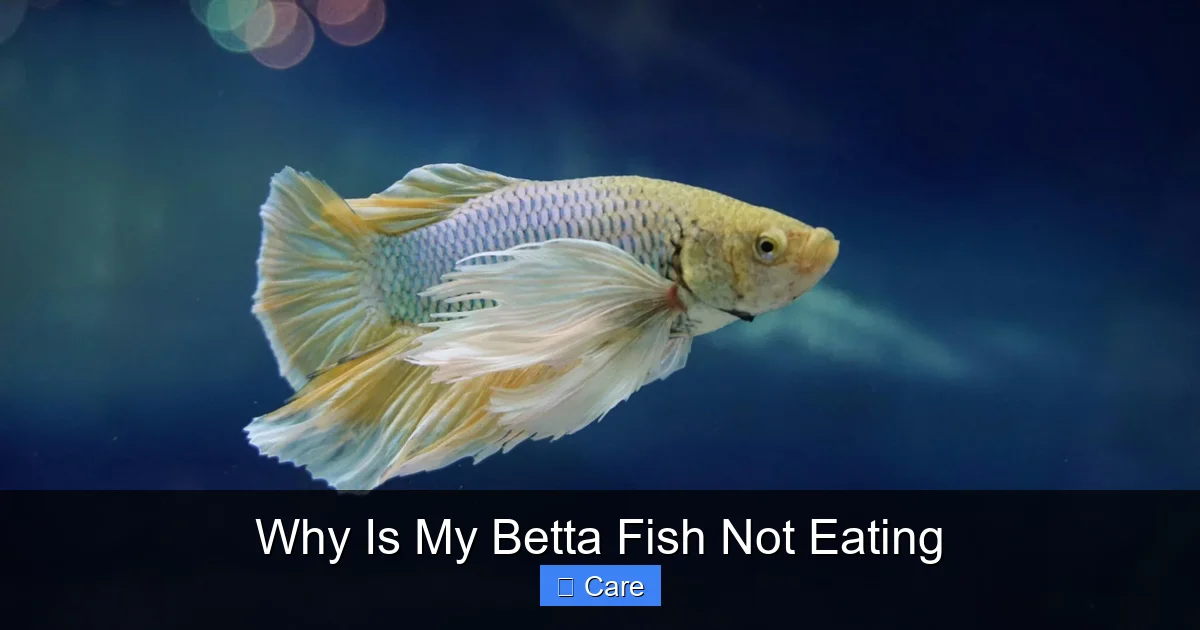
Visual guide about Why Is My Betta Fish Not Eating
Image source: fishkeepingadvice.com
Constipation & Swim Bladder Disorder
This is extremely common. Overfeeding, especially of dry pellets, or feeding only peas (a common but poor remedy) can cause severe constipation. The impacted gut presses against the swim bladder, causing the fish to float upside down, sink, or struggle to swim. They won’t eat because their system is clogged.
Treatment: Fast for 3-4 days. Then, offer a very small amount of a high-fiber food like a cooked, skinned, and mashed pea OR a few daphnia. Daphnia is actually better as it’s a natural laxoid for fish. After the pea/daphnia meal, resume a normal diet of high-quality pellets. Do not repeat the pea treatment frequently.
Common Bacterial & Fungal Infections
Diseases like fin rot (frayed, ragged, discolored fins) or columnaris (frayed fins, cotton-like growths, ulcers) cause systemic illness. Your betta feels terrible and stops eating. These often stem from poor water quality but can also be triggered by stress. Look for:
- Frayed, rotting fin edges (white, black, or red)
- White, fuzzy patches (fungus)
- Grey or white ulcers on the body
- Clamped fins (held tightly against the body)
- Lethargy, rubbing against objects (flashing)
Treatment: Immediately perform a large water change (50%). Treat with a broad-spectrum antibiotic like Maracyn (erythromycin) or Kanamycin in a separate hospital tank. Follow dosing instructions precisely. Improve water quality aggressively.
Parasites: Velvet & Ich
Velvet disease is a common killer of bettas. It’s a parasite that looks like a fine gold or rust dust on the body, especially noticeable under a flashlight. Fish scratch against objects, become lethargic, and lose appetite quickly. Ich (white spot disease) shows as distinct salt-like grains. Both are highly contagious and stressful.
Treatment: Raise the tank temperature slowly to 82-84°F to speed the parasite life cycle. Treat with a copper-based medication (like Cupramine) or formalin/malachite green-based ich treatment (like Malachite Green or Ich-X) in a hospital tank. Extreme caution: Copper is toxic to invertebrates and can harm fish if overdosed. Follow instructions to the letter.
5. Environmental & Behavioral Factors
Sometimes, the issue is more about your betta’s personality or life stage than a clear “problem.”
The “Picky Eater” Personality
Some bettas are just divas. They may refuse a new brand of pellet for a week but gobble up a bloodworm. They might only eat when you’re sitting right in front of the tank. This is often just behavior, not illness. Keep trying different high-quality foods. Try feeding at different times of day. Use a pipette to drop food right in front of their face. Be patient and persistent, but always maintain excellent water quality while you experiment.
Age-Related Changes
An older betta (3+ years) will naturally slow down. Their metabolism decreases, and they may eat less overall. They might prefer softer foods like frozen daphnia or gel foods over hard pellets. Offer smaller, more frequent meals. Ensure the water is pristine, as older fish have less robust immune systems. Don’t mistake normal senescence for illness, but also don’t assume it’s just old age without first checking water parameters.
Breeding Behavior (For Females)
A female betta that is preparing to spawn (becoming “gravid”) may temporarily lose interest in food as her body fills with eggs. Her abdomen will look noticeably rounder and plumper. This is usually temporary. Ensure she is in a separate, pristine tank. If she becomes “egg-bound” (constipated from the eggs), the treatment is the same as for constipation: fasting followed by a pea or daphnia.
6. Your Step-by-Step Action Plan
So, your betta isn’t eating. Don’t panic. Follow this systematic checklist:
- TEST THE WATER: Use your liquid test kit. Check ammonia, nitrite, nitrate, and pH. If ammonia or nitrite is present, do a 50% water change immediately with dechlorinated water. Use Prime to detoxify ammonia between changes. This is step one, always.
- CHECK THE THERMOMETER: Is it 78-80°F? Adjust your heater.
- OBSERVE CLOSELY: Do a 5-minute, silent observation. Look for: clamped fins, torn/rotting fins, white spots, gold dust, raised scales (pineconing), bloating, swimming difficulties, scraping on objects. Note behavior: hiding, gasping at surface, lethargy.
- REVIEW RECENT CHANGES: Did you add new fish? A new decoration? Change the filter? Move the tank? Clean it with soap? Any of these can cause stress or poison the water.
- FAST IF NECESSARY: If you see signs of constipation (bloating, difficulty swimming) or if the water parameters are bad, stop feeding immediately for 3-4 days. This gives the digestive system a rest and prevents further pollution.
- OFFER A “TREAT” MEAL: After a fast, try a tiny amount of a highly enticing, easily digested food: frozen daphnia or a small piece of blanched, skinned pea. This can stimulate appetite and help clear constipation.
- CONSIDER A HOSPITAL TANK: If you suspect illness (visible symptoms), move your betta to a clean, heated, filtered hospital tank (5+ gallons). This allows for easy medication dosing and prevents spreading disease to other fish. Treat based on symptoms.
- BE PATIENT: It can take 3-7 days of corrected conditions for a stressed betta to feel safe enough to eat again. Continue with daily small water changes (10-20%) during this period.
Conclusion: Your Betta’s Voice
Your betta fish not eating is not a random act of defiance; it’s a clear, urgent message in a language you must learn to interpret. It’s a signal that their fundamental needs—clean water, appropriate temperature, safety from stress, and proper nutrition—are not being met. By methodically ruling out the most common causes, starting with the absolute foundation of water quality and temperature, you become an advocate for your silent pet. Remember, prevention is everything. A cycled, heated, filtered tank with regular water changes and a varied, high-quality diet is the single best way to ensure your betta remains a hungry, healthy, and glorious companion for years to come. The moment you see that first pellet eagerly gulped down, you’ll know you’ve successfully decoded their message and restored their world to balance.
Frequently Asked Questions
How long can a betta fish go without eating?
A healthy betta can safely go 5-7 days without food, and often up to two weeks. This is why fasting is a recommended first step for constipation. However, an extended refusal to eat (over 3-4 days) is a sign of an underlying problem that must be addressed.
Should I force-feed my betta if it’s not eating?
No. Force-feeding is extremely stressful and can cause injury or aspiration (food entering the gills). It also adds waste to the tank if the fish spits it out. Focus on correcting the root cause—water quality, temperature, or health issues—and offer enticing foods voluntarily.
Can water changes make my betta stop eating?
Yes, if not done correctly. A large, sudden water change (over 50%) can shock your betta by altering temperature, pH, and mineral content. Always match the temperature of the new water to the tank, use a dechlorinator, and perform changes gradually (25-30% weekly). If you suspect a change caused the issue, revert to smaller, more frequent changes.
Is it normal for a new betta to not eat at first?
Yes, it’s very common. The stress of transport, a new environment, and possibly poor conditions from the store can suppress appetite for 2-7 days. Ensure the water is pristine and warm, provide plenty of hiding spots, and offer tempting foods like frozen daphnia. If they haven’t eaten after a week, investigate other causes.
My betta’s stomach looks swollen but he’s not eating. What is it?
A swollen abdomen is most likely either constipation (from overfeeding or poor diet) or, less commonly, dropsy (a symptom of severe internal bacterial infection causing fluid buildup). Constipation is treated with fasting and daphnia/pea. Dropsy is characterized by raised scales (pineconing) and is usually fatal. Observe carefully for other symptoms.
When should I see a veterinarian for my betta?
Aquatic veterinarians are rare, but you should seek professional advice (from a specialized fish vet or highly experienced aquarium store) if your betta shows severe, rapidly progressing symptoms like extreme bloating with pineconing, heavy bleeding, severe fungal growth, or if you’ve tried correct water management and basic treatments for over a week with no improvement. For most common issues, diligent home care with clean water is the primary treatment.