Why Is My Betta Fish Biting His Tail
Betta tail‑biting is usually a sign of stress, health issues, or environmental problems. By checking water quality, diet, tank setup, and your fish’s health, you can quickly stop the behavior and prevent serious injury. Follow these simple steps and your betta will be back to flaunting its beautiful fins in no time.
Key Takeaways
- Water quality matters: Poor parameters are the top trigger for tail‑biting.
- Stress triggers: Overcrowding, reflections, and sudden changes can cause a betta to bite.
- Health check: Parasites, fungal infections, and injuries often lead to self‑mutilation.
- Diet fixes: Low‑protein or over‑feeding can make a betta restless and bite its tail.
- Tank enrichment: Hiding spots and proper décor reduce boredom and aggression.
- Regular monitoring: Spotting early signs prevents permanent tail loss.
- Professional help: When home remedies fail, a vet or experienced hobbyist can save your fish.
📑 Table of Contents
- Introduction: When Your Betta Starts Nibbling Its Own Tail
- 1. Water Quality – The Invisible Enemy
- 2. Stress Triggers in the Tank
- 3. Health Issues – Parasites, Fungal Infections, and Injuries
- 4. Nutrition – Feeding the Right Way
- 5. Tank Enrichment – Boredom Is a Real Problem
- 6. When to Seek Professional Help
- Conclusion: A Simple Checklist to End Tail‑Biting
Introduction: When Your Betta Starts Nibbling Its Own Tail
Seeing a bright, confident betta suddenly snap at its own tail can feel like a horror movie for any fish keeper. Most hobbyists assume the fish is “just being weird,” but tail‑biting is usually a cry for help. In this article we’ll walk through the most common reasons your betta might be biting his tail, how to spot the warning signs early, and what you can do right now to stop the habit.
We’ll keep the language simple—think of us chatting over a cup of coffee—so you can take action without wading through scientific jargon. By the end, you’ll have a clear checklist, practical tips, and confidence that your betta will soon be swimming proudly, tail intact.
1. Water Quality – The Invisible Enemy
Why bad water makes a betta bite
Betta fish are native to shallow, slow‑moving waters of Southeast Asia where the water is clean and slightly acidic. In a home tank, any deviation—high ammonia, nitrite spikes, or incorrect pH—creates stress. A stressed betta may resort to self‑directed aggression, including tail‑biting.
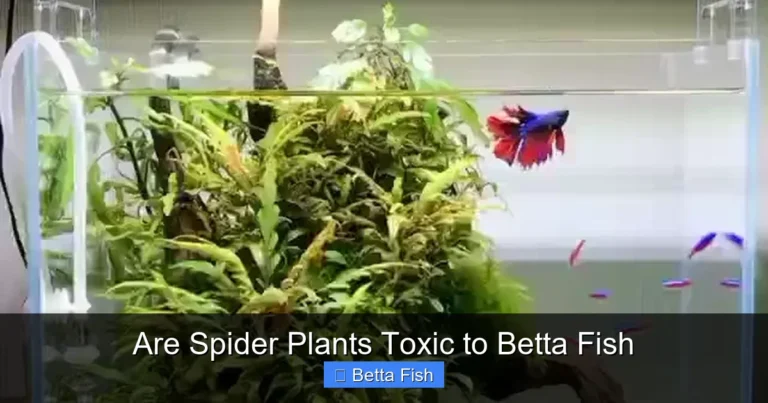
Visual guide about Why Is My Betta Fish Biting His Tail
Image source: pboki.com
How to test and fix water parameters
- Ammonia & nitrite: Keep both at 0 ppm. Use a reliable test kit weekly.
- pH: Aim for 6.5–7.5. Adjust with peat or commercial buffers if needed.
- Temperature: Maintain 78–80°F (25–27°C). Sudden drops trigger panic.
Perform a partial water change (25‑30%) every week, and clean the substrate to prevent buildup. If you’re unsure, consider a pre‑filtered water conditioner that removes chlorine and heavy metals.
2. Stress Triggers in the Tank
Overcrowding and reflections
Betta fish are solitary by nature. Placing another fish—even a tiny shrimp—can cause territorial stress. Mirrors or bright reflections on the tank glass also make a betta think another male is invading its space, leading to frantic fin and tail biting.

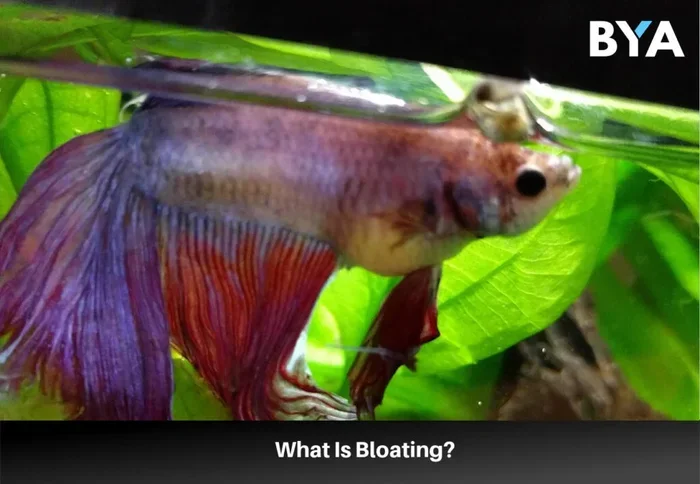
Visual guide about Why Is My Betta Fish Biting His Tail
Image source: cdn.wujiebantu.com
How to create a calm environment
- Use a tank with a lid that blocks outside reflections.
- Provide at least 2‑3 gallons of water per fish; a 5‑gallon tank is ideal for a single male.
- Limit sudden changes in décor or lighting. When you add new plants, do it gradually.
3. Health Issues – Parasites, Fungal Infections, and Injuries
Common ailments that cause tail‑biting
External parasites like Ichthyophthirius multifiliis (ich) irritate the skin, making the fish scratch and bite. Fungal growth appears as cotton‑like patches, especially after an injury. Both can make the tail feel “scratchy,” prompting the betta to nip at it.

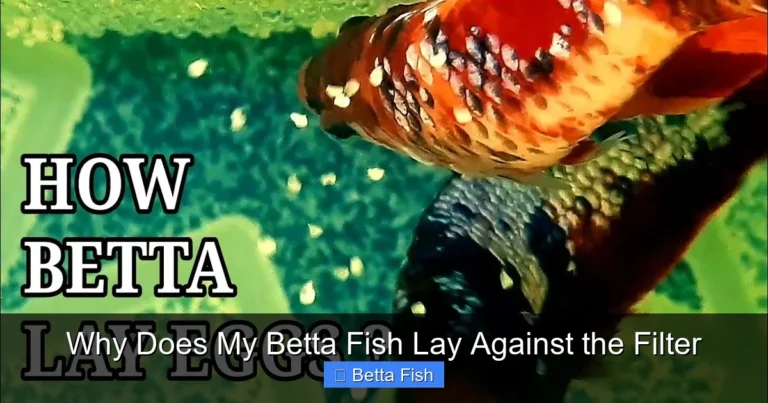
Visual guide about Why Is My Betta Fish Biting His Tail
Image source: livedoor.blogimg.jp
Spotting the signs
- White spots or fuzzy growth on the tail.
- Redness, swelling, or frayed fin edges.
- Rapid breathing or lethargy.
If you notice any of these, isolate the betta in a hospital tank and treat with a suitable anti‑parasitic or antifungal medication. For more on tail loss, see our guide on why did my betta fish lose its tail.
4. Nutrition – Feeding the Right Way
How diet influences behavior
A betta that isn’t getting enough protein may become restless and start biting its own tail out of boredom. Over‑feeding can also cause bloating, making the fish uncomfortable and more likely to exhibit odd behaviors.
Feeding schedule and best foods
- Offer high‑quality betta pellets or frozen bloodworms once or twice daily.
- Only feed an amount they can consume in 2‑3 minutes.
- Supplement with occasional live or frozen brine shrimp for enrichment.
If your betta is refusing food, check out our article on why is my betta fish not eating for troubleshooting tips.
5. Tank Enrichment – Boredom Is a Real Problem
Why a plain tank encourages self‑harm
Betta fish love to explore vertical space, hide among plants, and interact with objects. A barren tank can leave them idle, leading to repetitive, self‑directed actions like tail‑biting.
Easy enrichment ideas
- Live plants such as Java fern or Anubias that attach to rocks.
- Silicone caves, driftwood, and smooth rocks for hiding.
- Floating tea lights (LED) to simulate natural surface movement.
Rotate décor every few weeks to keep the environment fresh. A happy betta is less likely to turn on itself.
6. When to Seek Professional Help
Signs that home care isn’t enough
If the tail continues to fray despite water changes, diet adjustments, and enrichment, it may be a deeper health issue. Look for persistent redness, loss of appetite, or rapid deterioration.
What a vet can do
- Perform a microscopic examination for parasites.
- Prescribe targeted antibiotics or antifungal treatments.
- Offer advice on long‑term tank management.
Don’t wait until the tail is severely damaged—early intervention can save both the fin and your fish’s life.
Conclusion: A Simple Checklist to End Tail‑Biting
Tail‑biting is rarely a mysterious “betta quirk.” More often, it’s a symptom of stress, poor water, health problems, or boredom. By following the steps below you can quickly identify the cause and act:
- Test water weekly; keep ammonia and nitrite at 0 ppm.
- Ensure a calm tank: no mirrors, no tank mates, stable temperature.
- Inspect the tail for spots, redness, or frayed edges.
- Feed high‑quality protein once or twice daily, avoid over‑feeding.
- Add plants, caves, or driftwood for enrichment.
- If nothing improves in 48‑72 hours, isolate and treat, then consult a vet.
With a little attention, your betta will stop nipping its own tail and get back to showing off those spectacular fins. Happy fishkeeping!
Frequently Asked Questions
Why is my betta fish biting his tail only at night?
Nighttime stress can be caused by sudden temperature drops or noisy environments. Make sure the room stays quiet and the heater maintains a steady temperature.
Can a cracked tank glass cause tail‑biting?
Yes, if the glass cracks, vibrations travel through the water and can stress the fish. Replace the tank or move the fish to a safe container.
Is tail‑biting a sign that my betta is getting ready to breed?
Not usually. Breeding bettas build bubble nests and become more aggressive toward other fish, but self‑biting is more often linked to health or stress.
How long does it take for a bitten tail to regrow?
With clean water, proper nutrition, and no ongoing stress, a betta can regrow a damaged tail in 2‑4 weeks.
Should I trim the bitten part of the tail?
Only if the torn tissue is ragged and causing infection. Use sterilized scissors and monitor for any worsening.
Can adding a mirror help stop tail‑biting?
Actually, mirrors usually increase aggression. It’s better to remove reflective surfaces and provide hiding spots.