Where Can Betta Fish Be Found
Betta fish, famously known as Siamese fighting fish, are not just colorful tank inhabitants—they are wild survivors with a specific geographic origin. They are native to the shallow, slow-moving waters of Southeast Asia, including Thailand, Cambodia, Vietnam, and Malaysia. Their unique labyrinth organ allows them to thrive in oxygen-poor conditions, from rice paddies to roadside ditches. Understanding their wild habitats is crucial for appreciating their behaviors and providing ethical care as pets.
Key Takeaways
- Native Range: Wild bettas are indigenous to the tropical regions of Southeast Asia, primarily Thailand, but also Cambodia, Vietnam, and parts of Malaysia and Indonesia.
- Preferred Habitat: They thrive in shallow, stagnant, or slow-moving bodies of water like rice paddies, swamps, ponds, and drainage ditches with dense vegetation.
- Water Conditions: Their habitats are often warm, acidic, and low in dissolved oxygen, conditions that shaped their famous labyrinth organ for breathing air.
- Human-Altered Environments: Betta fish have successfully adapted to many man-made waterways, including irrigation canals and urban floodplains, showing remarkable resilience.
- Not Found in the Wild Elsewhere: All bettas outside their native Southeast Asian range are descendants of wild-caught or captive-bred stock; they do not naturally occur on other continents.
- Conservation Concern: Their natural habitats face threats from pollution, drainage for agriculture, and the pet trade, making wild populations vulnerable in some areas.
- Ethical Sourcing: Knowing their origin helps aquarists choose responsibly bred bettas and support conservation efforts protecting their wild homes.
📑 Table of Contents
- The Wild Heart of the Betta: Southeast Asia’s Shallow Realms
- A Country-by-Country Guide to Native Betta Habitat
- Beyond the Wild: How Bettas Thrive in Human-Altered Landscapes
- The Biology of Survival: What Makes Their Habitat Possible?
- Threats to the Wild Betta: A Fragile Existence
- What This Means for the Betta Keeper: From Wild to Tank
- Conclusion: A Fish of Place and Adaptation
The Wild Heart of the Betta: Southeast Asia’s Shallow Realms
When you gaze into the crystal-clear water of a betta fish tank, you’re looking at a creature forged in the muddy, vibrant, and challenging waters of Southeast Asia. The iconic betta splendens, or Siamese fighting fish, has a wild story that stretches far beyond the glass box. Its native homeland is a specific, tropical belt that has shaped every one of its famous traits—from its flowing fins to its air-breathing ability. To truly understand where betta fish can be found, we must journey to the rice fields and slow streams of Thailand, Cambodia, Vietnam, and beyond. This isn’t just a geography lesson; it’s the key to understanding the fish’s hardy nature and the ethical considerations of keeping one as a pet.
Imagine a world of warm, tea-colored water, thick with floating plants like water lettuce and hyacinths. This is the classic betta habitat. These waters are often shallow, less than a foot deep, and barely moving. They can dry up completely during harsh dry seasons, forcing the fish to burrow into the mud or seek deeper pools. The oxygen levels are notoriously low, a challenge that led to one of the betta’s most remarkable adaptations: the labyrinth organ. This specialized structure, found in all Anabantoid fish, allows them to gulp air from the surface and extract oxygen, essentially letting them “breathe” air. So, when you see your betta dart to the top for a gasp, it’s performing an ancient, wild behavior essential for survival in its natural environment.
A Country-by-Country Guide to Native Betta Habitat
The distribution of wild betta splendens is not uniform across Southeast Asia. It is concentrated in the central and northeastern regions of Thailand, which is considered the species’ epicenter. From there, its range extends into neighboring countries, each offering slightly different environmental nuances. Understanding this geographic spread paints a clearer picture of where betta fish can be found in their pure, wild form.

Visual guide about Where Can Betta Fish Be Found
Image source: saraichinwag.com
Thailand: The Cradle of the Siamese Fighting Fish
Thailand is the undisputed heartland of the betta. Here, in the Chao Phraya and Mekong River basins, wild bettas have been collected for centuries. They are found in the provinces of Chachoengsao, Chanthaburi, and Rayong, among others. The habitats are quintessential: murky, shallow floodplain lakes (talads), rice paddies filled with rainwater, and the sluggish edges of canals. The water is typically warm year-round (24-30°C / 75-86°F), acidic (pH 5.0-7.0), and stained dark brown from tannins released by decaying vegetation. It’s in these Thai waters that the famous aggression of the Plakat (fighting) morph was first selectively bred for sport.
Cambodia and Vietnam: Eastern Neighbors
Moving east, the betta’s range spills into Cambodia and the Mekong Delta of Vietnam. In Cambodia, they inhabit similar lowland floodplains and seasonally flooded forests around the Tonlé Sap lake. The seasonal monsoons are critical here, expanding their habitat dramatically during the wet season and forcing them into isolated pools as the waters recede. Vietnamese populations are found in the southernmost regions, sharing the Mekong’s vast network of distributaries and swamps. The environmental pressures are similar to Thailand, but with slightly different water chemistry and co-inhabiting species.
Malaysia and Indonesia: The Southern Extent
The betta’s range extends further south into the Malay Peninsula and parts of Indonesia, such as Sumatra. Here, they are found in peat swamp forests—some of the most unique and acidic habitats on Earth. The water in these blackwater swamps is incredibly soft, dark, and acidic, with a pH that can drop below 4.0 in some areas. This environment is a testament to the betta’s incredible adaptability. The dense canopy overhead limits plant growth but creates a shaded, cool (relatively speaking), and heavily tannin-stained world. Populations here may represent slight genetic variations from their Thai cousins.
Beyond the Wild: How Bettas Thrive in Human-Altered Landscapes
One of the most fascinating aspects of the betta’s story is its successful colonization of landscapes dramatically altered by humans. While we often picture them in pristine, remote swamps, wild bettas are incredibly common in environments we have created. This adaptability is a double-edged sword: it showcases their resilience but also exposes them to new dangers.

Visual guide about Where Can Betta Fish Be Found
Image source: petshun.com
The Iconic Rice Paddy: A Man-Made Paradise
The vast, flooded rice paddies of Southeast Asia are arguably the most common place to find wild bettas today. During the rainy season, these agricultural fields become shallow, sprawling networks of water, perfect for bettas. They feed on insect larvae, zooplankton, and small crustaceans that thrive there. The dikes between paddies and the irrigation canals that feed them act as corridors, allowing bettas to move across the countryside. For a farmer, they might be a curious sight; for the betta, it’s a vast, if temporary, feeding and breeding ground.
Roadside Ditches and Urban Canals
Perhaps the most surprising places betta fish can be found are in the murky, seemingly inhospitable ditches alongside rural roads or the slow-moving canals threading through towns and cities. These are often connected to larger water systems and provide the same key ingredients: shallow, slow water, abundant surface plants, and few large predators. You might find them living alongside mosquito fish, snails, and the occasional frog. Their presence here highlights their toughness but also puts them at direct risk from chemical runoff, plastic pollution, and habitat destruction from development.
The Biology of Survival: What Makes Their Habitat Possible?
The question “where can betta fish be found?” is inseparable from “how can they live there?” The environments described are not fish-friendly by typical aquarium standards. The betta’s success is a masterclass in evolutionary adaptation, primarily centered on two key features: the labyrinth organ and a specialized breeding strategy.

Visual guide about Where Can Betta Fish Be Found
Image source: petshun.com
The Labyrinth Organ: A Breathing Revolution
This folded, vascularized structure behind the gills is the betta’s superpower. It allows them to extract atmospheric oxygen. In their native waters, where decomposition and heat can plummet oxygen levels, this is a lifesaver. It’s why you’ll never see a betta in fast-flowing, oxygen-rich mountain streams—they simply don’t need that environment and are outcompeted there. Their habitat is defined by stagnation, and their biology demands it. This adaptation also means they can survive in small, isolated puddles for extended periods, a trait that helped them spread across fragmented landscapes.
Bubble Nests: Building a Future in Shallow Water
The male betta’s famous bubble nest is another adaptation to shallow, vegetated waters. The male gathers air and mucus to create a raft of bubbles at the water’s surface, usually under a overhanging leaf or plant stem. This keeps the fertilized eggs safe from sediment and many bottom-dwelling predators in the murky water. The male tends the nest fiercely, a behavior directly tied to the precarious nature of their habitat where eggs and fry are constantly at risk. The choice of nest site—always at the surface—is a direct response to their oxygen-poor, plant-choked world.
Threats to the Wild Betta: A Fragile Existence
Knowing where wild betta fish are found also means acknowledging that their homes are under siege. While the species as a whole is listed as “Vulnerable” by the IUCN, local populations are in decline. The very landscapes they’ve adapted to—rice paddies and swamps—are being transformed at an alarming rate.
Agricultural Intensification and Habitat Loss
The shift from traditional, seasonal rice farming to intensive, year-round agriculture with heavy pesticide and fertilizer use is a major threat. Chemical runoff pollutes the shallow waters, killing off the insect larvae and plants bettas rely on. Furthermore, the drainage of wetlands for palm oil plantations and other crops in Thailand, Cambodia, and Malaysia has permanently destroyed vast tracts of their native habitat. Canals are concreted, swamps are filled, and the complex, vegetated edges disappear.
The Wild Capture Trade and Pollution
There is a small but persistent trade in wild-caught bettas, primarily for the show fish market and research. While not on the scale of the marine aquarium trade, localized over-collection can impact specific populations. More pervasive is the general pollution of Southeast Asia’s waterways—plastic waste, industrial discharge, and untreated sewage. A betta living in a roadside ditch is constantly exposed to this toxic cocktail, which affects its health, lifespan, and reproductive success. The romantic image of the wild betta is often at odds with the grim reality of its polluted, shrinking home.
What This Means for the Betta Keeper: From Wild to Tank
Understanding the betta’s origin is not just academic; it’s a blueprint for better, more ethical care. Every quirk of the domestic betta—its love of surface access, its territorial aggression, its tolerance for poor water quality—is a legacy of its wild upbringing. This knowledge empowers you to be a better guardian.
Designing a Tank That Respects Its Heritage
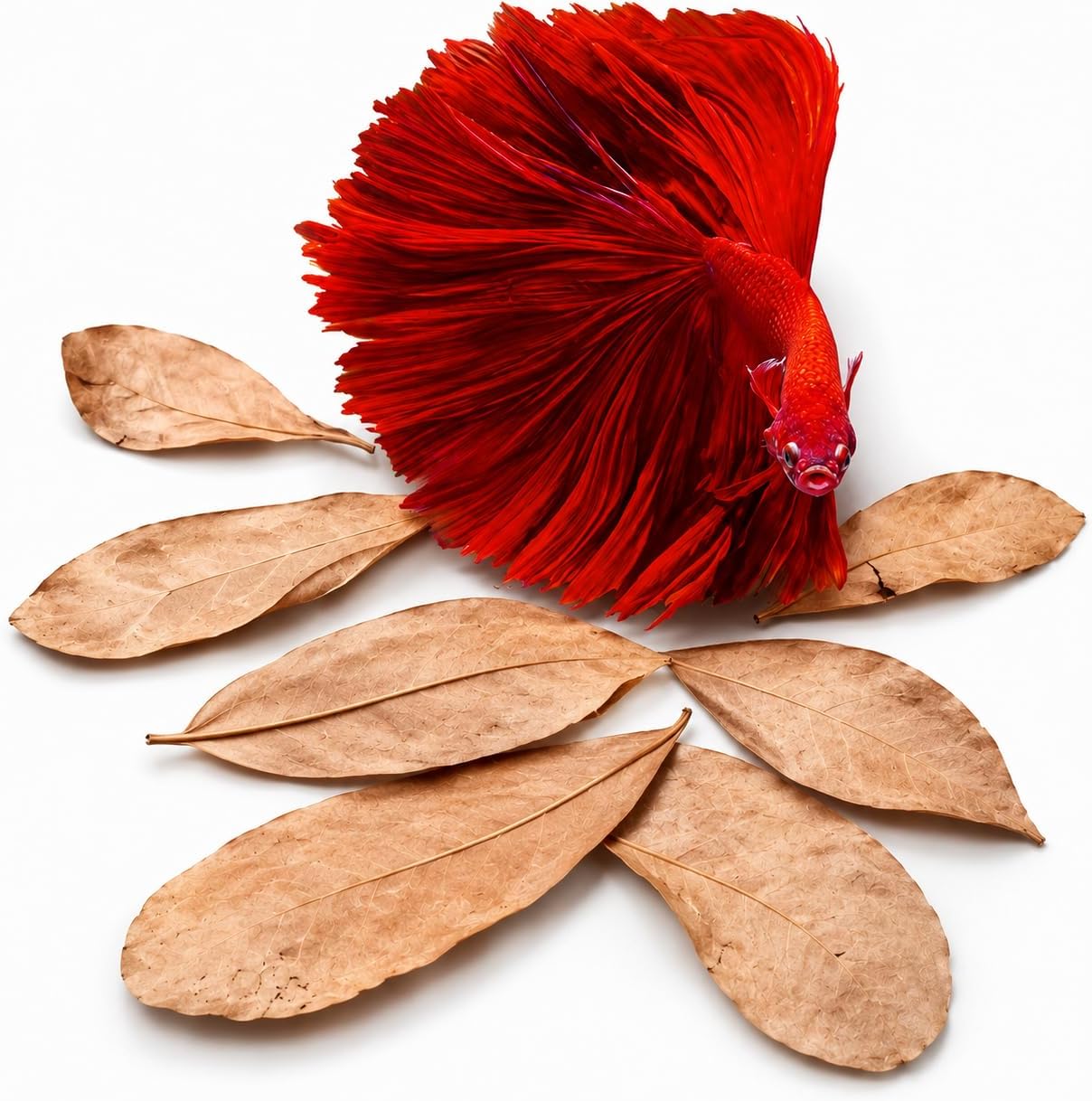
Your goal is to recreate, in microcosm, the key elements of its native habitat. This means: a tank with a lid (they are surface-dwelling jumpers), gentle filtration that doesn’t create a strong current (they come from still waters), and abundant surface vegetation—real or silk plants—that provides shade, security, and a place to build a bubble nest. Use Indian almond leaves or other botanicals to release tannins, mimicking the dark, acidic water of peat swamps and slightly lowering pH. Maintain a warm, stable temperature. This isn’t just about aesthetics; it reduces stress and promotes natural behaviors.
The Importance of Ethical Sourcing
When you buy a betta, you are making a choice. Most pet store bettas are mass-produced in commercial farms, often in poor conditions. To align your hobby with conservation, seek out reputable breeders who raise their fish in healthy conditions and can provide lineage information. Even better, support organizations or breeders involved in conservation projects for wild bettas. Never, ever release a pet betta into the wild outside of Southeast Asia. It is an invasive species that could devastate local ecosystems. By understanding where bettas belong, we commit to keeping them in safe, appropriate homes and protecting the wild places they call home.
Conclusion: A Fish of Place and Adaptation
The story of where betta fish can be found is a story of a specific place and a spectacular adaptation. From the tea-colored rice paddies of Thailand to the acidic peat swamps of Malaysia, the betta’s range is a narrow band of tropical Asia defined by warm, shallow, slow-moving, and often oxygen-poor waters. Its success in these habitats—and its subsequent global popularity—is due to the labyrinth organ and its bubble-nesting breeding strategy. These wild origins are not a relic of the past; they are written in every gulp of air, every flaring of gills, and every careful nest built in a home aquarium today. By learning about their natural world, we move beyond seeing bettas as mere decorations. We see them as survivors, adapted to a fragile and threatened landscape. This knowledge transforms our care from mere maintenance to stewardship, reminding us that the vibrant fish in our tank carries a piece of the wild Mekong or the flooded fields of Cambodia in its very biology. Protecting that wild heritage is the final, and most important, chapter in the betta’s story.
Frequently Asked Questions
Are betta fish found in the wild in the United States or Europe?
No. Wild betta splendens are native only to Southeast Asia. Any bettas found in the wild in the Americas or Europe are either escaped or released pets, which are considered invasive and harmful to local ecosystems.
Can you legally catch and keep wild betta fish?
It is illegal to collect wild bettas in their native countries without specific permits, as they are protected under varying national laws. Collecting for the pet trade is heavily regulated and generally not sustainable. Ethical aquarists should only acquire bettas from reputable captive breeders.
What is the conservation status of wild betta fish populations?
The IUCN Red List classifies the wild Betta splendens as “Vulnerable” due to ongoing habitat loss and degradation from agricultural expansion, pollution, and urban development across its native range in Southeast Asia.
Why are betta fish only found in shallow, stagnant waters in the wild?
Their specialized labyrinth organ, which allows them to breathe atmospheric air, is an adaptation to low-oxygen environments. Shallow, slow-moving waters with dense vegetation provide the warm temperatures, surface access for gulping air, and plant cover for breeding and protection they require.
If their habitat is so poor, why are bettas sold as “beginner fish”?
This is a dangerous misconception. While they can *tolerate* poor conditions better than some fish, they will not thrive. Their wild habitat, though low in oxygen, is not “dirty”—it’s a balanced ecosystem. In captivity, they need clean, warm water, enrichment, and proper tank mates to be healthy and live their full 3-5 year lifespan.
What is the single most important element to replicate from their wild habitat in an aquarium?
Abundant surface cover and access. This includes a secure lid to prevent jumping and floating plants (real or artificial) that provide shade, security, and a place for the male to build his bubble nest, mimicking the dense surface vegetation of their native rice paddies and swamps.