Where to Order Betta Fish
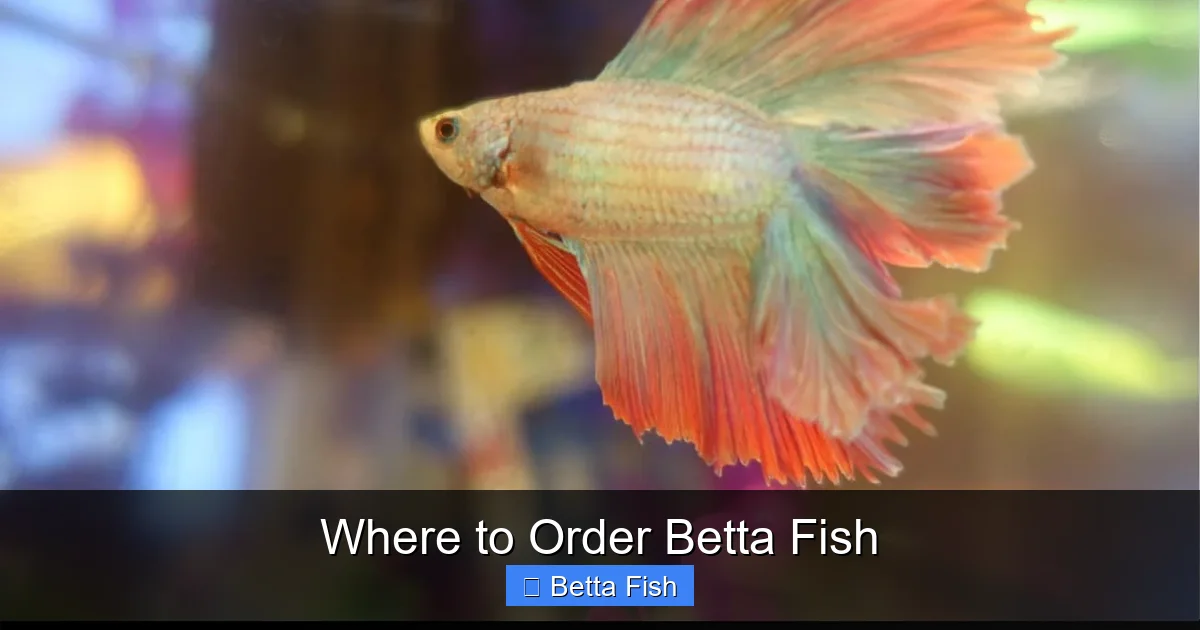
Choosing where to order your betta fish is the most critical step in ensuring a long, healthy life for your new pet. This guide cuts through the noise, comparing local fish stores, specialized online breeders, and big-box retailers. You’ll learn exactly how to vet any seller, what health and shipping red flags to avoid, and the essential steps to take the moment your betta arrives. Prioritizing reputable, ethical sources over convenience or price is the ultimate key to success.
Key Takeaways
- Your betta’s source dictates its health and temperament. Fish from unethical breeders or stores often arrive stressed, sick, or with genetic issues, leading to a short lifespan.
- Local Fish Stores (LFS) are often the gold standard. They provide expert advice, allow you to see the fish in person, and typically have better husbandry than large chains.
- Specialized online breeders offer the highest quality and variety. While requiring more research, they prioritize genetics, health, and ethical shipping practices for vibrant, robust fish.
- Avoid big-box stores for bettas. Their supply chains are notoriously poor, leading to chronically stressed, sick fish kept in horrific conditions with high mortality rates.
- Always ask critical questions before you order. Inquire about water parameters, feeding regimes, quarantine protocols, and their specific health guarantee policy.
- Proper acclimation and quarantine are non-negotiable. Never add a new betta directly to your main tank; a dedicated quarantine tank prevents disease introduction.
- Supporting ethical sellers invests in better fish welfare. Your purchase encourages practices that prioritize the animal’s life over profit.
📑 Table of Contents
- Why Your Choice of Seller is Everything
- The Local Fish Store (LFS): Your First and Best Stop
- The Online Specialty Breeder: The Premium Choice
- The Big-Box Store & Generic Online Retailers: A Risky Gamble
- The Vetting Checklist: Your Due Diligence Toolkit
- The Moment of Truth: Receiving and Acclimating Your Betta
- Quarantine: The Essential Safety Net
- Conclusion: Patience and Principle Over Convenience
Why Your Choice of Seller is Everything
Let’s be honest: the sight of a betta fish, with its flowing fins and bold personality, is captivating. They seem so accessible, sold in tiny cups at the checkout aisle. But that accessibility is a trap. The single most important decision you will make for your betta’s future isn’t the tank you buy or the food you choose; it’s where you order your betta fish from. This choice sets the entire foundation for its health, stress levels, and ultimately, how many years you get to enjoy its company.
A betta sourced from a high-stress, unethical environment is already fighting an uphill battle. It may be carrying latent diseases, suffering from ammonia burns, or be genetically weakened from inbreeding. These issues might not be obvious when you first bring it home but can manifest as chronic illness, fin rot, or a drastically shortened lifespan. Conversely, a betta from a dedicated, ethical source starts life with a robust immune system, proper coloration, and a curious, active demeanor. Investing time in finding the right seller isn’t just about getting a pretty fish; it’s about adopting a companion with the best possible start.
The Local Fish Store (LFS): Your First and Best Stop
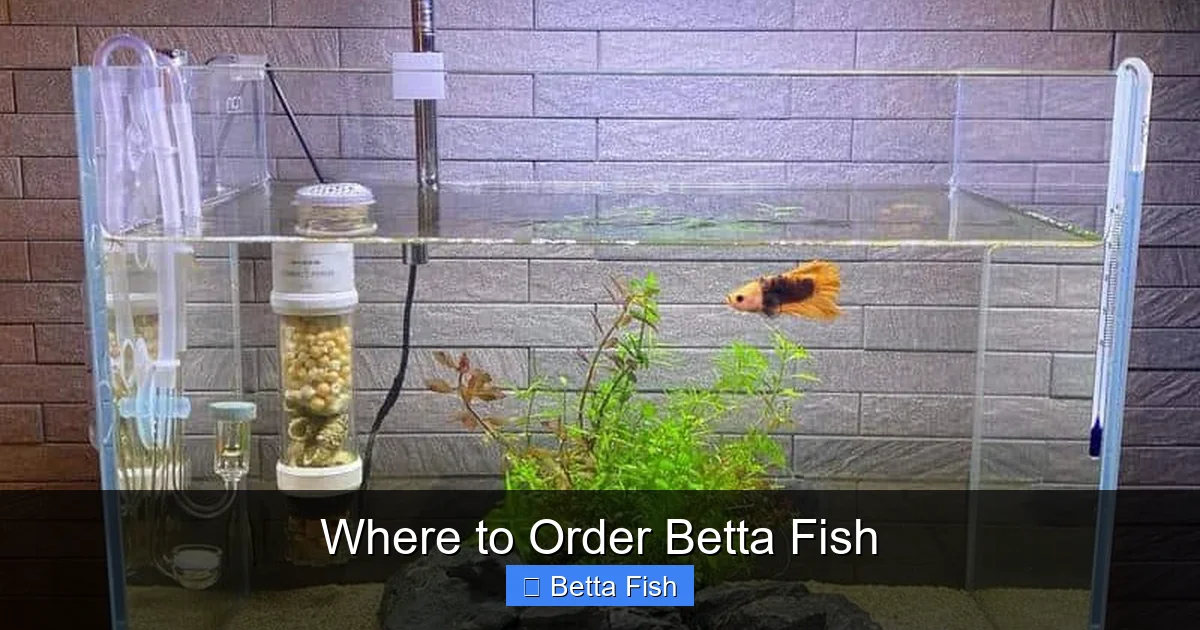
Before you even think about clicking “buy online,” I urge you to visit your local, independently-owned fish store. This is your prime opportunity to see potential bettas in person, which is invaluable. A good LFS is run by passionate hobbyists who know their stock intimately.
Visual guide about Where to Order Betta Fish
Image source: acaquarium.com
What to Look For in a Quality LFS
Walk in and observe. The store should smell clean, not like a swamp of decaying food and ammonia. Look at the betta containers. Are they clean? Is the water clear? Are the fish active, with fins fully extended, and showing interest as you approach? A healthy betta will flare at its reflection or your finger. A lethargic betta floating at the top or clamped in a corner is a major red flag.
Talk to the staff. Ask them about their bettas: Where do they source them? How often do they do water changes on the betta cups? What do they feed them? A knowledgeable, transparent owner will happily answer. They should be able to tell you about individual fish personalities (“This one’s a laid-back plakat,” or “That half-moon is a bit skittish”). This level of care is a fantastic sign.
The Advantages You Can’t Get Online
- See the Exact Fish: You pick the individual. You can assess its health, color intensity, and finnage directly. No surprises when the box arrives.
- Instant Expert Advice: Get immediate, tailored advice on tank setup, cycling, and compatible tank mates from someone who sees the fish daily.
- No Shipping Stress: You eliminate the traumatic and risky shipping process, which can be fatal for sensitive bettas.
- Build a Relationship: You gain a local mentor and a place to turn for future questions or emergencies.
Practical Tip: If your LFS has a quarantine system (where new fish are observed for 2-4 weeks before hitting the sales floor), that’s the absolute best-case scenario. Ask about it.
The Online Specialty Breeder: The Premium Choice
If you’re seeking specific varieties—like a stunning copper half-moon, a vibrant mustard gas snake, or a particular tail type—specialized online breeders are your ultimate destination. These are not mass producers; they are passionate hobbyists who breed for specific traits, health, and genetic vigor.
Visual guide about Where to Order Betta Fish
Image source: ekk4j69ebaa.exactdn.com
How to Find a Reputable Online Breeder
This requires research, but it’s worth it. Start with established online communities (like specific betta forums or Facebook groups) and ask for recommendations. Look for breeders who:
- Have a Professional Website/Storefront: It should be clear, with detailed information about their breeding lines, health guarantees, and shipping policies.
- Showcase Their Stock with High-Quality Photos/Video: They should have clear, well-lit pictures and videos of their fish in proper aquariums, not just in cups. Videos showing active swimming are a huge plus.
- Are Transparent About Genetics and Lines: They’ll talk about the bloodlines they work with and their goals for specific traits.
- Have a Clear, Fair Health Guarantee: A 14-30 day guarantee is standard. Understand the terms—what they cover (typically fungal/bacterial infections, parasites) and what they don’t (physical injury from shipping, customer error).
- Use Proper, Insulated Shipping: They use heat packs in cold weather, breather bags or proper oxygenated bags, and sturdy, double-boxed packaging. They often ship via overnight or 2-day air only.
What to Expect When You Order
Be prepared for a wait. Good breeders have limited stock and a queue. They may ask you questions to ensure you’re a suitable owner. The cost will be higher—often $50 to $150+ for a show-quality fish—but you are paying for meticulous breeding, selective feeding, and expert care from day one. This is an investment in a premium pet.
Example: A breeder specializing in “Dumbo” ear half-moons will have detailed pages on each available fish, its lineage, and temperament. They might even allow you to reserve a future spawn.
The Big-Box Store & Generic Online Retailers: A Risky Gamble
I need to be direct here. You should avoid ordering betta fish from major pet store chains (like PetSmart, Petco, Walmart) or generic online marketplaces (like Amazon, eBay, or large “aquarium supply” sites that don’t specialize in bettas). This isn’t opinion; it’s based on the overwhelming consensus of experienced betta keepers and veterinarians.

Visual guide about Where to Order Betta Fish
Image source: coloringpagesonly.com
The Brutal Reality of the Supply Chain
These fish almost always come from massive, industrial-scale farms in Southeast Asia. The focus is on volume and profit, not animal welfare. Bettas are bred by the thousands, packed like sardines into tiny bags with minimal oxygen, and shipped for days in dark, hot, or cold containers. Mortality rates are shockingly high. Those that survive are often chronically stressed, immune-compromised, and infested with parasites like Camallanus worms or Ichthyophthirius (ich).
The In-Store Experience is Equally Poor
In the store, bettas are typically kept in tiny, unheated cups with dirty water. Store employees are rarely trained in betta-specific care. The fish are often not fed properly (if at all), leading to digestive issues. The “pick your fish from the cup” model means you’re selecting from an already-sickly population. The “it’s just a fish” mentality prevails, leading to neglect.
The Hidden Costs
While the upfront price is low ($5-$15), the potential costs in vet bills, medication, and the emotional toll of watching a fish slowly die from preventable diseases are immense. You are essentially paying for a high-risk, short-term pet. For the sake of the animal’s welfare and your own peace of mind, please exclude these sources from your search.
The Vetting Checklist: Your Due Diligence Toolkit
Whether you’re looking at an LFS website or an online breeder’s store, use this checklist. If the seller can’t or won’t answer these questions clearly, walk away.
Essential Questions to Ask
- “Can you provide recent, clear photos/video of the specific fish I’m interested in?” They should be willing to do this. Stock photos are a red flag.
- “What are your water parameters (ammonia, nitrite, nitrate, pH, temperature) in the tanks the bettas are kept in?” The answer should be “0/0/<20” for ammonia/nitrite/nitrate, pH around 7.0-7.5, and temp 78-80°F. Hesitation or vague answers mean poor water quality.
- “What do you feed your bettas?” High-quality pellets (like Bug Bites, New Life Spectrum) and occasional frozen foods (daphnia, brine shrimp) are the mark of a good keeper. If they say “flake food” or “nothing,” run.
- “Do you quarantine all new arrivals and your breeding stock?” A mandatory “yes.” Quarantine tanks prevent disease spread to the main stock.
- “What is your exact health guarantee, in writing?” Get this before you pay. It should specify the timeframe (e.g., 14 days), covered conditions, and the process for a claim (usually requires a photo/video and sometimes a vet diagnosis).
- “What is your shipping method and policy?” They should ship via overnight or 1-2 day air, use heat packs in cold weather, and have a clear “hold for weather” policy. Ask if they ship to your specific state/zip code, as some have restrictions.
Red Flags That Mean “Do Not Order”
- No clear contact information (just a contact form, no phone/address).
- Prices that seem too good to be true.
- Selling “rare” colors like “pink” or “purple” bettas (these are almost always digitally altered photos).
- Shipping via standard USPS Priority Mail (too slow for live animals).
- Poor communication: vague answers, taking days to reply to simple questions.
- Negative or no reviews on independent platforms (like Google Reviews or dedicated hobby forums).
The Moment of Truth: Receiving and Acclimating Your Betta
You’ve done your research, found an excellent seller, and placed your order. The package is on its way. This is a critical phase. Improper acclimation can undo all the good work of a reputable breeder.
First Impressions: Inspecting the Delivery
When the box arrives, immediately open it. The fish will be in a breather bag or a regular bag with oxygen. Check for:
- Is the fish alive? It may be lethargic from the journey, but it should be upright and responding. Gently tap the bag; a live fish will move.
- Is the water cloudy or foul-smelling? This indicates severe stress or a pre-existing issue.
- Are there any obvious signs of disease? Look for cotton-like growths (fungus), white spots (ich), torn or decaying fins, or raised scales (dropsy).
If the fish is dead on arrival (DOA), contact the seller immediately with photos. A reputable breeder will offer a refund or replacement per their guarantee.
The Drip Acclimation Method: Non-Negotiable
Never float the bag in your tank (this does not acclimate to water parameters, only temperature). Never dump the bag water into your tank. You must use the drip acclimation method.
- Gently empty the fish and its shipping water into a clean, dedicated acclimation container (a small bucket or large plastic tub).
- Set up a siphon (airline tubing works) from your prepared, cycled quarantine tank to the acclimation container.
- Start a very slow drip—about 1-2 drops per second—into the container. This slowly introduces your tank’s water chemistry.
- After 60-90 minutes, the water in the acclimation container will be mostly your tank water.
- Using a net, gently transfer the betta to your quarantine tank. Do not add the shipping water.
This process gives the betta’s system time to adjust without shock, drastically increasing survival chances.
Quarantine: The Essential Safety Net
I cannot stress this enough: every single new fish, without exception, must go into a dedicated quarantine tank for a minimum of 4 weeks. This is your #1 defense against introducing diseases like velvet, dropsy, or internal parasites into your established, healthy aquarium.
Setting Up Your Quarantine Station
You don’t need anything fancy. A 5-10 gallon glass aquarium is perfect. It needs:
- A Sponge Filter: Provides gentle filtration and biological media without strong currents that can stress a sick fish.
- A Heater: Maintain a steady 78-80°F.
- Hiding Spots: A plant or cave reduces stress.
- Basic Water Testing Supplies: To monitor parameters.
- Separate Nets and Buckets: Never share equipment with your main tank.
Keep this tank bare-bottom for easy cleaning. Perform frequent small water changes (25% daily or every other day) during quarantine to maintain pristine water quality, which is the best medicine.
What to Watch For During Quarantine
Observe your betta twice daily. Common issues to watch for:
- Lethargy, loss of appetite, clamped fins.
- White spots (Ich), gold dust (Velvet), fuzzy patches (Saprolegnia fungus).
- Stringy poop, bloating, pineconing scales (Dropsy).
- Torn, rotting, or fuzzy fins (Fin Rot).
If any signs appear, begin treatment immediately in the quarantine tank. Only after a full 4-week observation period with no signs of illness should you consider the betta clear for transfer to your permanent display tank.
Conclusion: Patience and Principle Over Convenience
Knowing where to order betta fish is the cornerstone of responsible betta ownership. It’s tempting to click the fastest, cheapest option, but that path almost always leads to heartache. By committing to finding a local fish store with integrity or a dedicated online breeder who treats their fish as more than a product, you are making a profound choice. You are choosing a vibrant, interactive companion over a disposable decoration. You are supporting animal welfare over industrial exploitation. You are investing in years of joy watching a healthy, curious betta explore its beautifully decorated tank.
The extra research, the slightly higher cost, the wait for a specific fish from a breeder—these are all small prices to pay. When you finally see your betta, with its colors blazing and its personality shining, in a tank you’ve carefully prepared, you’ll know it was worth it. Start with your local fish store. Build from there. Your future betta is counting on you to make the right choice.
Frequently Asked Questions
Is it safe to order betta fish online?
Yes, it can be very safe if you order from a specialized, reputable online breeder who uses proper shipping methods (overnight/2-day air with heat packs) and has a clear health guarantee. Avoid generic retailers and big-box store websites, as their shipping practices and fish quality are typically poor.
What is the average cost to order a quality betta fish online?
Prices vary widely. For a healthy, well-bred fish from a reputable breeder, expect to pay between $40 and $150+ for show-quality specimens with specific colors or tail types. Basic, healthy specimens from a good breeder may start around $25-$35. Bettas from pet stores are cheaper ($5-$15) but come with far higher risks of disease and poor genetics.
What should I do if my betta arrives dead or sick?
Immediately document everything with clear photos and videos of the fish and the packaging. Contact the seller within their stated DOA/guarantee timeframe (usually 2-4 hours after delivery). A reputable breeder will offer a refund or replacement. Do not attempt to medicate or treat a fish that arrived severely compromised without first consulting the seller.
How long should I quarantine a newly ordered betta?
A minimum of 4 weeks in a dedicated, filtered, heated quarantine tank. This period allows enough time for common diseases like velvet (which has a 10-14 day incubation) and internal parasites to manifest. Only after a full, symptom-free quarantine should you move the betta to your permanent display tank.
Can I order a betta fish with other fish in the same shipment?
It is highly discouraged. Bettas are aggressive and stressed by the presence of other fish, especially other males. Shipping them with tank mates greatly increases the risk of injury, death, and extreme stress. Always ship a betta alone in its own bag/container.
What is the single biggest red flag when ordering bettas online?
A refusal or inability to provide a clear, written health guarantee with specific terms. This is a non-negotiable policy from any ethical seller. If they won’t stand behind the health of their fish in writing, they have no confidence in their own stock, and you should not buy from them.