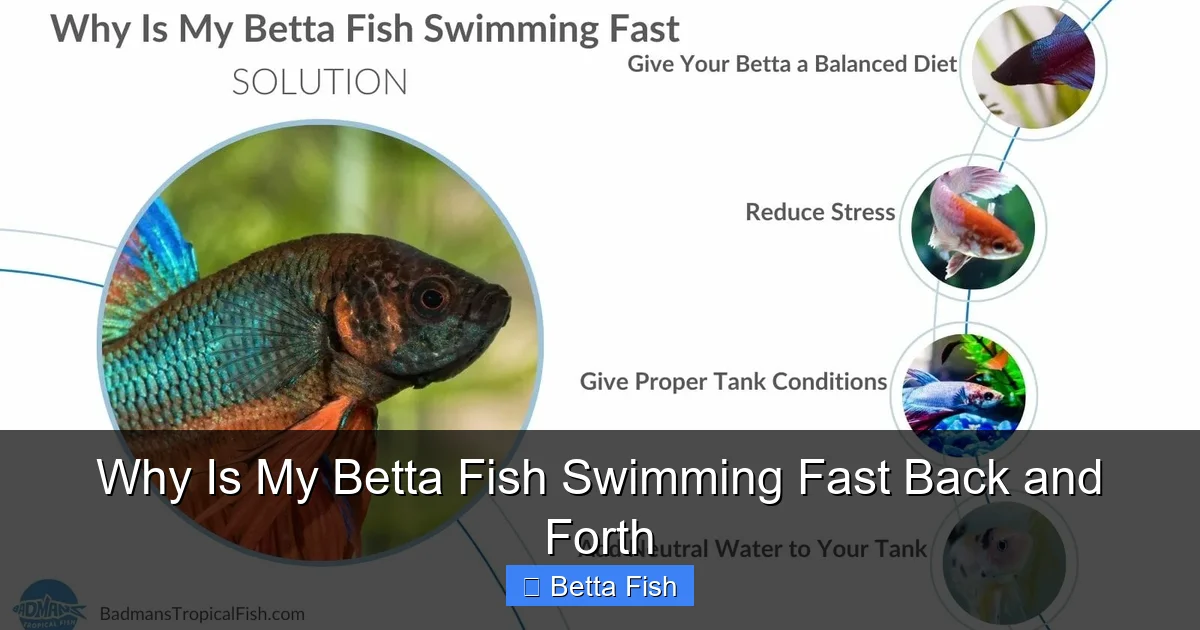
Why Is My Betta Fish Swimming Fast Back and Forth
Betta fish that dart back and forth are often signaling stress, illness, or environmental issues. By checking water quality, tank setup, and health signs, you can calm your finned friend and prevent serious problems.
Key Takeaways
- Water quality matters: Poor parameters trigger frantic swimming.
- Tank size & décor: Too small or cluttered spaces cause stress.
- Health check: Disease, parasites, or injuries can make bettas race.
- Behavioral cues: Mating, territory, or boredom may be the reason.
- Quick fixes: Simple water changes and proper feeding often calm the fish.
- When to act: Persistent rapid swimming signals a deeper issue that needs treatment.
- Preventive care: Regular maintenance keeps your betta happy and active without panic.
📑 Table of Contents
- Introduction: The Mystery of the Speedy Swimmer
- 1. Water Quality – The Hidden Culprit
- 2. Tank Size, Layout, and Flow
- 3. Health Issues – When the Body Calls for Help
- 4. Behavioral Reasons – Natural Instincts at Play
- 5. Feeding Issues and Nutrition
- 6. Quick Action Plan – What to Do Right Now
- Conclusion: A Calm Betta Is a Happy Betta
Introduction: The Mystery of the Speedy Swimmer
Imagine you’re watching your beautiful betta glide peacefully when, suddenly, she darts back and forth like a tiny torpedo. It can be alarming, especially if you’re new to betta care. This rapid swimming isn’t always a sign of excitement; more often, it’s a red flag that something in her environment or health needs attention.
In this article we’ll break down the most common reasons why your betta fish is swimming fast back and forth, show you how to diagnose the problem, and give you practical steps to restore calm. By the end, you’ll feel confident that you can spot the warning signs early and keep your betta thriving.
1. Water Quality – The Hidden Culprit
Why water matters
Betta fish are sensitive to ammonia, nitrite, nitrate, and pH swings. Even a slight dip in water quality can cause stress, prompting the fish to swim erratically in an attempt to find better conditions.

Visual guide about Why Is My Betta Fish Swimming Fast Back and Forth
Image source: s.wsj.net
Testing and fixing
- Test weekly: Use a liquid test kit to check ammonia (0 ppm), nitrite (0 ppm), nitrate (< 20 ppm), and pH (6.5‑7.5).
- Partial water changes: Replace 25‑30 % of the tank water every week. If parameters are off, increase to 50 % until stable.
- Conditioner: Always treat tap water with a dechlorinator and, if needed, a pH buffer.
When you improve water quality, you’ll often see the frantic swimming stop within a day or two.
2. Tank Size, Layout, and Flow
Is the tank too small?
A common mistake is keeping a betta in a 1‑gallon bowl. Betta fish need at least 5 gallons to swim comfortably and to dilute waste. A cramped tank can make them feel trapped, leading to rapid “search‑and‑escape” movements.
Decor and hiding spots
Betta fish love places to rest. Too many plants or a lack of surfaces can cause them to swim constantly looking for a perch. Provide a few silk plants, a small cave, or a piece of smooth driftwood.
Water flow
Betta fish are labyrinth fish; they breathe air from the surface and prefer gentle currents. A strong filter or air stone can push them to the surface, causing frantic swimming. Use a sponge filter or adjust the flow to a gentle ripple.
3. Health Issues – When the Body Calls for Help
Parasites and infections
External parasites like Ich or velvet can irritate the skin, making the fish dart around trying to relieve the itch. Look for white spots, fuzzy coating, or frayed fins.
Visual guide about Why Is My Betta Fish Swimming Fast Back and Forth
Image source: bettafishworld.com
Swim bladder disorder
Although more common in goldfish, bettas can develop swim bladder problems that cause odd swimming patterns. If the fish swims upside‑down or has trouble staying upright, this may be the cause.
Injuries and fin rot
Sharp décor or aggressive tank mates (if you have a community tank) can cause fin damage. Fin rot often starts with ragged edges and progresses to a white, mushy appearance. For a deeper look at fin problems, see our article on why are my betta fish fins falling off.
When to treat
- Isolate the betta in a hospital tank.
- Use a mild antibacterial dip (e.g., aquarium salt at 1 % for 24 hrs) for minor infections.
- Consult a vet or experienced hobbyist for persistent issues.
4. Behavioral Reasons – Natural Instincts at Play
Mating and territorial displays
Male bettas in breeding mode will build bubble nests and may swim rapidly to aerate the water. This is normal and usually stops once the nest is complete.
Boredom and lack of stimulation
In a barren tank, a betta may “exercise” by swimming back and forth. Adding new décor, a floating leaf, or a gentle change in lighting can provide mental stimulation.
Stress from external factors
Loud noises, bright lights, or frequent tapping on the glass can startle a betta, causing a burst of fast swimming. Keep the tank in a quiet area and avoid tapping the glass.
5. Feeding Issues and Nutrition
Overfeeding and water quality
Uneaten food decomposes quickly, raising ammonia levels and prompting frantic swimming. Feed only what your betta can consume in 2‑3 minutes, once or twice a day.
Dietary deficiencies
Low‑protein diets or lack of vitamins can make a betta lethargic, but sometimes they’ll swim fast to “search” for better nutrition. Offer a varied diet of high‑quality betta pellets, frozen bloodworms, and occasional brine shrimp.
Food refusal
If your betta is spitting out food, see our guide on why is my betta fish spitting out food for troubleshooting tips.
6. Quick Action Plan – What to Do Right Now
Step‑by‑step checklist
- Test water: Check ammonia, nitrite, nitrate, and pH.
- Perform a 25‑30 % water change: Use conditioned water at the same temperature.
- Inspect the tank: Ensure the filter flow is gentle and there are hiding spots.
- Observe behavior: Note any signs of disease, fin damage, or bubble nest building.
- Adjust feeding: Offer a small portion of high‑quality food.
- Monitor for 24‑48 hours: If rapid swimming continues, consider isolation and treatment.
When to seek professional help
If the fish shows additional symptoms—loss of appetite, white patches, gasping at the surface, or a rapid decline in color—consult a veterinarian or an experienced betta keeper. Early intervention can save a life.
Conclusion: A Calm Betta Is a Happy Betta
Fast back‑and‑forth swimming is a signal, not a mystery. By checking water quality, tank conditions, health, and behavior, you can quickly pinpoint the cause and take action. Remember, a well‑maintained environment, proper diet, and attentive observation are the best defenses against stress.
Take the steps outlined above, and you’ll likely see your betta return to graceful, leisurely glides. And if you ever need a deeper dive into related issues, explore our other resources, such as why bettas sometimes swim sideways or turn white.
Frequently Asked Questions
Why is my betta swimming fast back and forth after a water change?
Sudden temperature shifts or a brief spike in ammonia can stress the fish. Make sure the new water matches the tank temperature and is fully dechlorinated.
Can breeding behavior cause rapid swimming?
Yes. Males preparing a bubble nest often swim quickly to aerate the water and arrange bubbles. This is normal and stops once the nest is complete.
What water parameters are safest for a betta?
Keep ammonia and nitrite at 0 ppm, nitrate below 20 ppm, and pH between 6.5 and 7.5. A temperature of 78‑80°F (25‑27°C) is ideal.
My betta swims fast and also flares its fins. Is this aggression?
Flaring combined with rapid swimming can indicate a territorial or mating display. If there are no other fish, it’s usually a natural behavior, not aggression.
How often should I clean the tank to prevent frantic swimming?
Perform a 25‑30 % water change weekly and clean the substrate and filter monthly. Regular maintenance keeps waste low and reduces stress.
When should I consider moving my betta to a larger tank?
If the tank is under 5 gallons, the fish may feel cramped. Upgrading to a 5‑10 gallon tank provides space to explore and reduces stress‑induced swimming.