How to Tell What My Betta Fish Water Perameters Are
Knowing your betta fish water parameters is one of the most important things you can do for your pet’s health. Key metrics like pH, ammonia, nitrite, and nitrate levels directly affect your betta’s well-being. This guide will teach you how to test, understand, and maintain the perfect water conditions for your betta fish.
Key Takeaways
- Ideal pH Level: Betta fish thrive in water with a pH between 6.5 and 7.5, which closely matches their natural habitat.
- Toxic Ammonia and Nitrite: Both ammonia and nitrite should be at 0 ppm in your betta tank, as even small amounts can be harmful.
- Controlled Nitrate: Keep nitrate levels below 20 ppm through regular water changes and proper filtration.
- Temperature Matters: Betta fish prefer water temperatures between 76°F and 82°F for optimal health and activity.
- Testing Is Essential: Regular water testing using liquid test kits is the best way to monitor and maintain healthy water parameters.
- Water Changes Help: Performing partial water changes weekly helps keep your betta fish water parameters stable and safe.
📑 Table of Contents
- How to Tell What My Betta Fish Water Parameters Are
- What Are Betta Fish Water Parameters?
- Key Water Parameters Every Betta Owner Should Know
- How to Test Your Betta Fish Water Parameters
- Common Water Parameter Problems and How to Fix Them
- Maintaining Healthy Betta Fish Water Parameters
- Expert Insights on Betta Fish Water Parameters
- Conclusion
How to Tell What My Betta Fish Water Parameters Are
Keeping your betta fish healthy starts with understanding the water they live in. Many new betta owners don’t realize that betta fish water parameters play a huge role in their pet’s longevity, color, and behavior. Poor water quality is actually one of the leading causes of illness and death in home aquariums. The good news? Testing and managing your water is easier than you think.
In this guide, we’ll walk you through everything you need to know about your betta fish water parameters. You’ll learn what the numbers mean, how to test them, and what to do when something looks off. Whether you’re a brand-new betta owner or have had fish for years, this guide will help you keep your aquatic friend thriving.
We’ll also share some quick tips and common mistakes so you can avoid problems before they start. Let’s dive right in.
What Are Betta Fish Water Parameters?
Water parameters are the measurable characteristics of your fish tank water. Think of them as a health report card for your aquarium. Just like we check blood pressure and temperature for our own health, we check water parameters to make sure our betta fish are living in a safe environment.
These measurements include things like pH levels, ammonia content, and water temperature. Each one tells you something different about the overall water quality in your tank. When all the parameters are within the right range, your betta fish stay active, colorful, and disease-free.
When parameters are off, your betta can become stressed, sick, or even die. That’s why learning how to tell what your betta fish water parameters are is so important. It’s the foundation of responsible fish keeping.
Why Water Parameters Matter for Bettas
Betta fish are tropical freshwater fish. They come from warm, slow-moving waters in Southeast Asia. This means they’re sensitive to sudden changes in water chemistry. Even small shifts can cause stress or illness.
Here’s why paying attention to water parameters is so important:
- Stress prevention: Unstable water conditions stress your betta out. A stressed betta is more likely to get sick.
- Disease prevention: Many common betta diseases like fin rot and ich are caused by poor water quality.
- Color vibrancy: Healthy water helps your betta display bright, vivid colors. Poor water can make them look dull and faded.
- Appetite and energy: A betta living in bad water won’t eat well and will become lethargic.
Learning how to tell what your betta fish water parameters are gives you the power to prevent all of these problems.
Key Water Parameters Every Betta Owner Should Know
Now let’s break down the specific parameters you need to monitor. Each one plays a unique role in keeping your betta fish healthy and happy.
pH Level
The pH level measures how acidic or alkaline your water is. For betta fish water parameters, the ideal pH range is between 6.5 and 7.5. This is slightly neutral, which matches their natural environment.
If the pH drops below 6.0, your betta may become stressed and their fins may start to erode. If the pH rises above 8.0, it can burn their skin and scales. The key is consistency. A stable pH within a slightly off range is better than a fluctuating perfect pH.
To adjust pH, you can use pH up or pH down solutions available at most pet stores. But remember, small adjustments are always better than big ones. You can also use water preparation techniques to help stabilize pH naturally.
Ammonia (NH3)
Ammonia is one of the most dangerous substances in your fish tank. It comes from fish waste, uneaten food, and decaying plant matter. Betta fish water parameters require ammonia to be at 0 ppm (parts per million) at all times.
Even a small amount of ammonia can cause:
- Burns on the fins and body
- Rapid breathing and gasping at the surface
- Loss of appetite
- Behavioral changes like hiding or swimming erratically
If you detect ammonia, a water change is needed immediately. For more on this, check out our guide on how to change your betta fish water. Ammonia issues usually mean your tank isn’t fully cycled or you’re overfeeding your fish.
Nitrite (NO2)
Nitrite is produced when beneficial bacteria break down ammonia. While it’s a step in the nitrogen cycle, nitrite is still very toxic to betta fish. Ideal water parameters for nitrite should also be at 0 ppm.
Nitrite prevents blood from carrying oxygen effectively. This is called “brown blood disease.” Your betta may gasp at the surface and appear very lethargic if nitrite levels are high.
The same fix applies here — perform a water change and check your tank’s cycling process. Adding water conditioner can also help neutralize some toxins while you address the root cause.
Nitrate (NO3)
Nitrate is the final product of the nitrogen cycle. It’s much less toxic than ammonia or nitrite, but it still needs to be controlled. Healthy betta fish water parameters keep nitrate below 20 ppm.
High nitrate levels (above 40 ppm) can cause:
- Slow growth and poor color development
- Weakened immune system
- Algae blooms in the tank
The best way to manage nitrate is through regular partial water changes and not overfeeding your fish. Live plants also help absorb nitrate naturally.
Water Temperature
Temperature is a critical part of your betta fish water parameters. Betta fish are tropical and need warm water to thrive. The ideal range is between 76°F and 82°F (24°C to 28°C).
Cold water slows down their metabolism and makes them more vulnerable to disease. If you’re struggling to maintain warmth, you might want to look into solutions like a tank heater or other warming methods.
Sudden temperature changes are just as dangerous as cold water. Always acclimate your betta slowly when doing water changes.
Water Hardness (GH and KH)
Water hardness refers to the amount of minerals like calcium and magnesium dissolved in the water. This is measured as GH (General Hardness) and KH (Carbonate Hardness).
For betta fish, a moderate hardness is best. Too soft or too hard water can affect their osmoregulation (how they balance salts and minerals in their body). A stable GH between 3 and 4 dGH is ideal for most bettas.
How to Test Your Betta Fish Water Parameters
Now that you know what to look for, let’s talk about how to actually test your water. There are several methods available, and choosing the right one makes a big difference in accuracy.
Liquid Test Kits vs. Test Strips
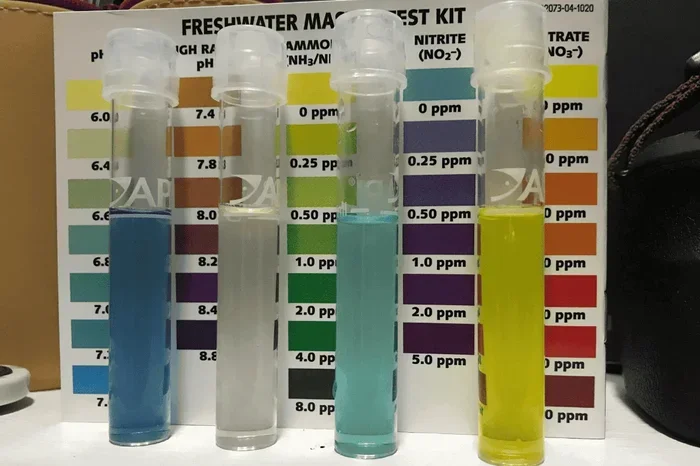
The most accurate way to test your water is with a liquid test kit. These kits use drops and color comparison to give you precise readings. The API Freshwater Master Test Kit is one of the most popular and reliable options on the market.
Test strips are convenient but less accurate. They’re fine for quick checks, but for serious betta care, invest in a liquid kit. Test strips can give false readings, especially for ammonia and nitrite.
| Feature | Liquid Test Kit | Test Strips |
|---|---|---|
| Accuracy | High | Low to Medium |
| Ease of Use | Moderate | Very Easy |
| Cost | $25-$40 | $5-$15 |
| Tests Per Kit | 700+ | 50-100 |
| Best For | Regular monitoring | Quick spot checks |
How Often Should You Test?
For new tanks, test your water every day or every other day until the nitrogen cycle is established. Once your tank is stable, testing once a week is usually enough.
You should also test whenever:
- Your betta fish shows signs of illness or stress
- You notice changes in water clarity or smell
- You’ve just done a water change
- You’ve added new fish, plants, or decorations
Step-by-Step Testing Process
- Collect a water sample from your tank in a clean cup.
- Follow the instructions on your test kit exactly.
- Compare colors carefully and record your results.
- Cross-reference your results with the ideal ranges listed above.
- Make adjustments if any parameters are off.
Keeping a log of your test results is a great habit. You can spot trends over time and catch problems early before they affect your betta.
Common Water Parameter Problems and How to Fix Them
Even with the best care, you may run into water quality issues. Here are the most common problems and how to solve them.
High Ammonia Levels
High ammonia usually means your tank is overstocked, overfed, or not fully cycled. The immediate fix is a water change. For long-term solutions, reduce the amount of food you give your betta and make sure your filter is running properly.
If your betta is showing signs of ammonia poisoning, you can learn more about recognizing symptoms at our article on how to tell if your betta fish is sick.
pH Swings
Rapid pH changes are more dangerous than a slightly off pH. If you need to adjust pH, do it slowly over several hours. Use buffered substrates and avoid sudden additions of chemicals. Conditioning your betta fish water properly can help stabilize pH naturally.
Cloudy Water
Cloudy water often indicates a bacterial bloom. This is common in new tanks and usually clears up on its own within a few days. Avoid adding chemicals to clear it up. Instead, make sure your filter is adequate and reduce feeding slightly.
Temperature Fluctuations
If your tank temperature keeps changing, consider getting a reliable aquarium heater with a thermostat. Room temperature changes and drafts from windows can affect tank temperature. Placing the tank away from windows and vents helps maintain stability.
Maintaining Healthy Betta Fish Water Parameters
The best approach is prevention. Keeping your betta fish water parameters stable day to day is much easier than fixing problems after they occur. Here are some proven strategies.
Regular Water Changes
Performing a 25-50% water change every week is the gold standard for betta care. This removes accumulated toxins, refreshes minerals, and keeps nitrate levels low. Always use a water conditioner to neutralize chlorine and chloramine in tap water before adding it to your tank.
When doing water changes, match the temperature of the new water to the tank water. Cold water additions can shock your betta. You can learn more about proper water change techniques in our detailed guide on how to do a water change for betta fish.
Don’t Overfeed Your Betta
Overfeeding is one of the biggest causes of poor water quality. Uneaten food decays and produces ammonia. Feed your betta only what they can eat in 2-3 minutes, once or twice a day. If you see food sinking to the bottom and not being eaten, you’re giving too much.
Use a Proper Filter
Betta fish need a filter, but not a strong one. Avoid filters with outflow rates that create big currents. A gentle sponge filter or a small hang-on-back filter works well. The filter should turn over the tank volume about 4-6 times per hour.
Some filters can be too strong for bettas. If you’re unsure, check out our article on whether some water filters are too strong for betta fish for more guidance.
Cycle Your Tank Before Adding Your Betta
Tank cycling is the process of building up beneficial bacteria that convert ammonia to nitrite and then to nitrate. This usually takes 4-6 weeks. Adding your betta to an uncycled tank is one of the most common mistakes new owners make.
You can cycle a tank using fish food or pure ammonia. Test the water until you see ammonia and nitrite spike and then drop to zero. That means your bacteria are working.
Add Live Plants
Live plants are natural water purifiers. They absorb nitrate, produce oxygen, and provide hiding spots for your betta. Some great plant choices for betta tanks include java fern, anubias, and java moss. These plants are low-maintenance and thrive in the same conditions bettas prefer.
Quick Tips for Better Water Quality
- Test your water weekly with a reliable liquid test kit.
- Never clean all your filter media at the same time. Rinse some in old tank water to preserve bacteria.
- Avoid placing your tank in direct sunlight, which promotes algae growth.
- Use a turkey baster or gravel vacuum to remove debris from the substrate.
- Keep a consistent feeding schedule and avoid giving too many treats.
Expert Insights on Betta Fish Water Parameters
Professional aquarists and veterinarians emphasize that prevention is always better than cure when it comes to water quality. Dr. Jessie Sanders, a renowned aquatic veterinarian, often reminds owners that “most betta health problems I see are rooted in water quality issues that could have been prevented with simple testing and maintenance.”
The key takeaway from experts is consistent monitoring. You don’t need expensive equipment. A good liquid test kit, a consistent water change schedule, and attention to your betta’s behavior will catch most problems early. If your betta starts acting differently — hiding more, eating less, or showing color changes — test your water immediately.
Remember, your betta fish water parameters are a reflection of the care you provide. Small, consistent efforts make a massive difference over time.
Conclusion
Learning how to tell what your betta fish water parameters are is an essential skill for any betta fish owner. From understanding pH levels and ammonia to monitoring temperature and water hardness, each measurement plays a vital role in your fish’s health and happiness.
The process doesn’t have to be complicated. Start with a reliable test kit, establish a weekly testing routine, and perform regular water changes. Avoid common mistakes like overfeeding and skipping maintenance. Your betta will reward you with vibrant colors, energetic behavior, and a long, healthy life.
Betta fish water parameters are your best tool for keeping your pet safe. Take control of your fish’s environment today, and you’ll enjoy the rewards for years to come.
How long does it take to cycle a betta fish tank?
Tank cycling typically takes 4 to 6 weeks. During this time, beneficial bacteria build up to process ammonia and nitrite. You can speed up the process by adding bottled bacteria from a pet store. Test your water regularly until ammonia and nitrite consistently read at 0 ppm.
Can I use bottled water for my betta fish?
You can use bottled water, but make sure it’s free of chlorine and minerals. Many bottled waters have been purified and lack the minerals bettas need. Always add a water conditioner and check the pH before adding it to your tank. Using tap water with conditioner is usually more practical and cost-effective.
What temperature should my betta fish tank be?
The ideal temperature for betta fish is between 76°F and 82°F. Room temperature water is usually too cold for tropical bettas. A small aquarium heater with a thermostat is the best way to maintain a consistent temperature. Avoid sudden temperature swings at all costs.
How do I lower ammonia in my betta tank quickly?
The fastest way to lower ammonia is to do a 50% water change immediately. Add water conditioner to neutralize toxins. Then reduce feeding and check that your filter is working properly. If ammonia levels are extremely high (above 1 ppm), consider moving your betta to a quarantine tank with clean water while you address the issue.
Are test strips accurate enough for betta fish water parameters?
Test strips are okay for quick spot checks but not accurate enough for regular monitoring. They often give imprecise readings for ammonia, nitrite, and pH. For reliable results, invest in a liquid test kit like the API Freshwater Master Test Kit. It costs more upfront but provides much better accuracy and lasts longer.
How often should I change my betta fish water?
For a betta fish tank without a filter, change 100% of the water every 2-3 days. For a filtered tank, do a 25-50% water change once a week. Always match the temperature and use a water conditioner. Consistent partial water changes are the best way to keep your betta fish water parameters stable and safe.
Frequently Asked Questions
What is how to tell what my betta fish water perameters are?
how to tell what my betta fish water perameters are is an important topic with many practical applications.