Am Ia Good Betta Fish Owner
Wondering if am Ia good Betta fish owner? This guide walks you through the essential signs of great Betta care—healthy fins, vibrant colors, active behavior, and a stress‑free tank. Follow the simple steps, and you’ll know you’re giving your Betta the best life possible.
Key Takeaways
- Healthy fins and colors: Bright, smooth fins mean you’re feeding right and keeping water clean.
- Active, curious behavior: A Betta that explores and interacts shows it feels safe.
- Proper tank size and décor: At least 5 gallons with live plants creates a natural habitat.
- Consistent water parameters: Stable temperature (76‑82 °F) and pH (6.5‑7.5) are crucial.
- Routine health checks: Spotting fin rot or white spots early prevents serious illness.
- Balanced diet: High‑quality pellets plus occasional treats keep your Betta thriving.
- Knowledgeable owner mindset: Ongoing learning and observation prove you’re a good Betta guardian.
📑 Table of Contents
- Introduction: The Heart of the Question
- 1. Understanding Betta Basics
- 2. The Perfect Home: Tank Size, Water, and Décor
- 3. Feeding Fundamentals: Nutrition That Shows You Care
- 4. Health Checks: Knowing When You’re Doing It Right
- 5. Enrichment: Making Life Fun for Your Betta
- 6. Self‑Assessment: Are You a Good Betta Owner?
- Conclusion: Trust Your Observations, Celebrate the Wins
Introduction: The Heart of the Question
If you’ve ever whispered “am Ia good Betta fish owner?” while watching your finned friend glide through the water, you’re not alone. Many hobbyists wonder how to measure their success. The answer isn’t a single test—it’s a collection of everyday habits that keep your Betta healthy, happy, and vibrant.
In this article we’ll break down the exact signs that show you’re doing a great job, give you practical tips to improve any weak spots, and answer the most common doubts. By the end, you’ll have a clear checklist to confidently say, “yes, I am a good Betta fish owner!”
1. Understanding Betta Basics
What makes Betta fish unique?
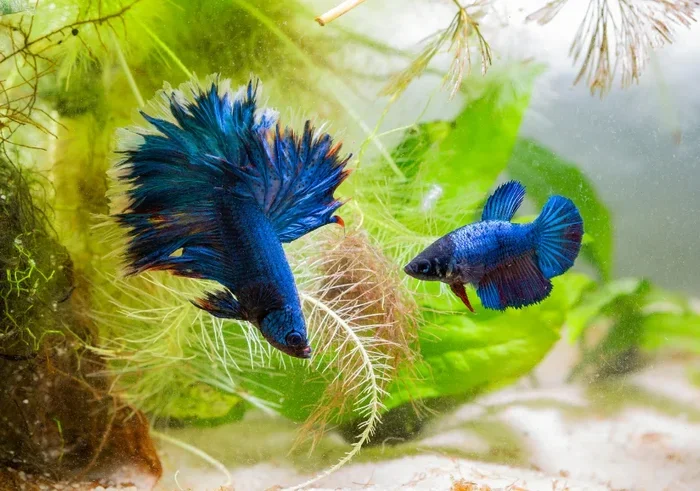
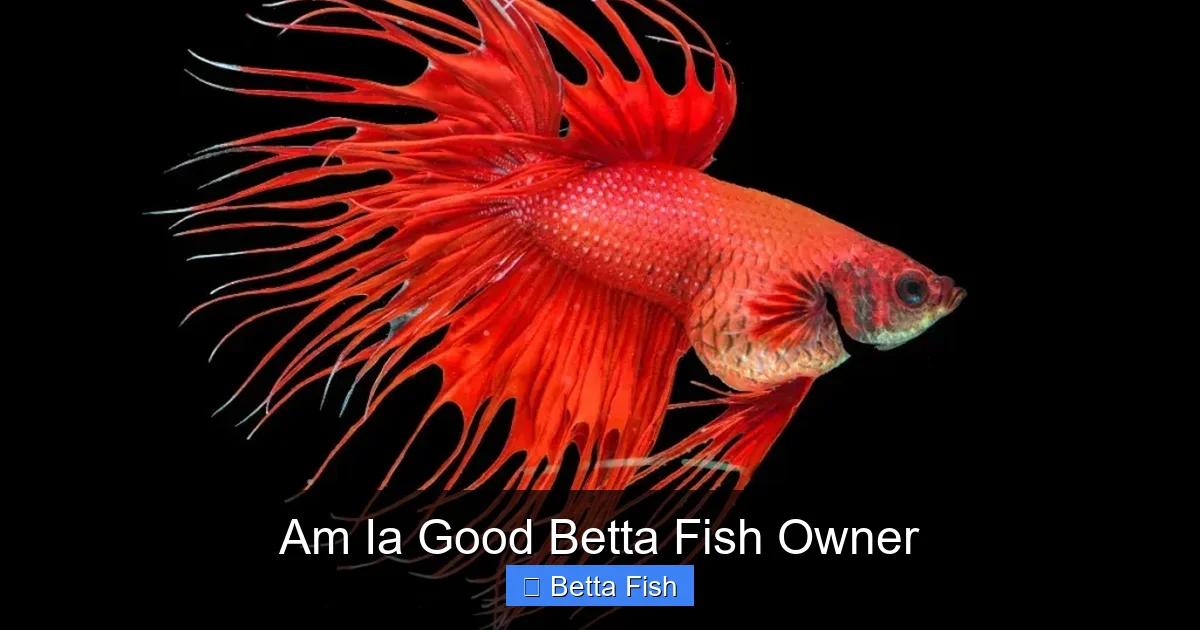
Betta splendens, often called Siamese fighting fish, are native to Thailand’s shallow rice paddies. Their bold colors and long, flowing fins are a result of centuries of selective breeding. Unlike many goldfish, Bettas can breathe air from the surface thanks to a specialized organ called the labyrinth.

Visual guide about Am Ia Good Betta Fish Owner
Image source: is1-ssl.mzstatic.com
Why care matters more than “easy to keep” myths
Many beginners think Bettas are “low‑maintenance” because they can survive in tiny bowls. In reality, a proper setup mirrors their natural environment and prevents common problems like fin rot, fungal infections, and stress‑induced color fading.
For a deeper dive on the myth of “easy to care for,” see our article Are Betta Fish Easy To Care For.
2. The Perfect Home: Tank Size, Water, and Décor
What is a good size tank for a Betta?
While a 2‑gallon bowl might look cute, the recommended minimum is a 5‑gallon tank. This provides enough swimming space, dilutes waste, and stabilizes temperature.
Visual guide about Am Ia Good Betta Fish Owner
Image source: oceanbitez.com
Read more about tank sizing here: What Is A Good Size Tank For A Betta Fish.
Choosing the right water
Use conditioned tap water with a temperature between 76‑82 °F (24‑28 °C). A gentle heater and a reliable thermometer keep the environment steady. Test kits should be used weekly to monitor ammonia, nitrite, and nitrate levels.
Live plants and hiding spots
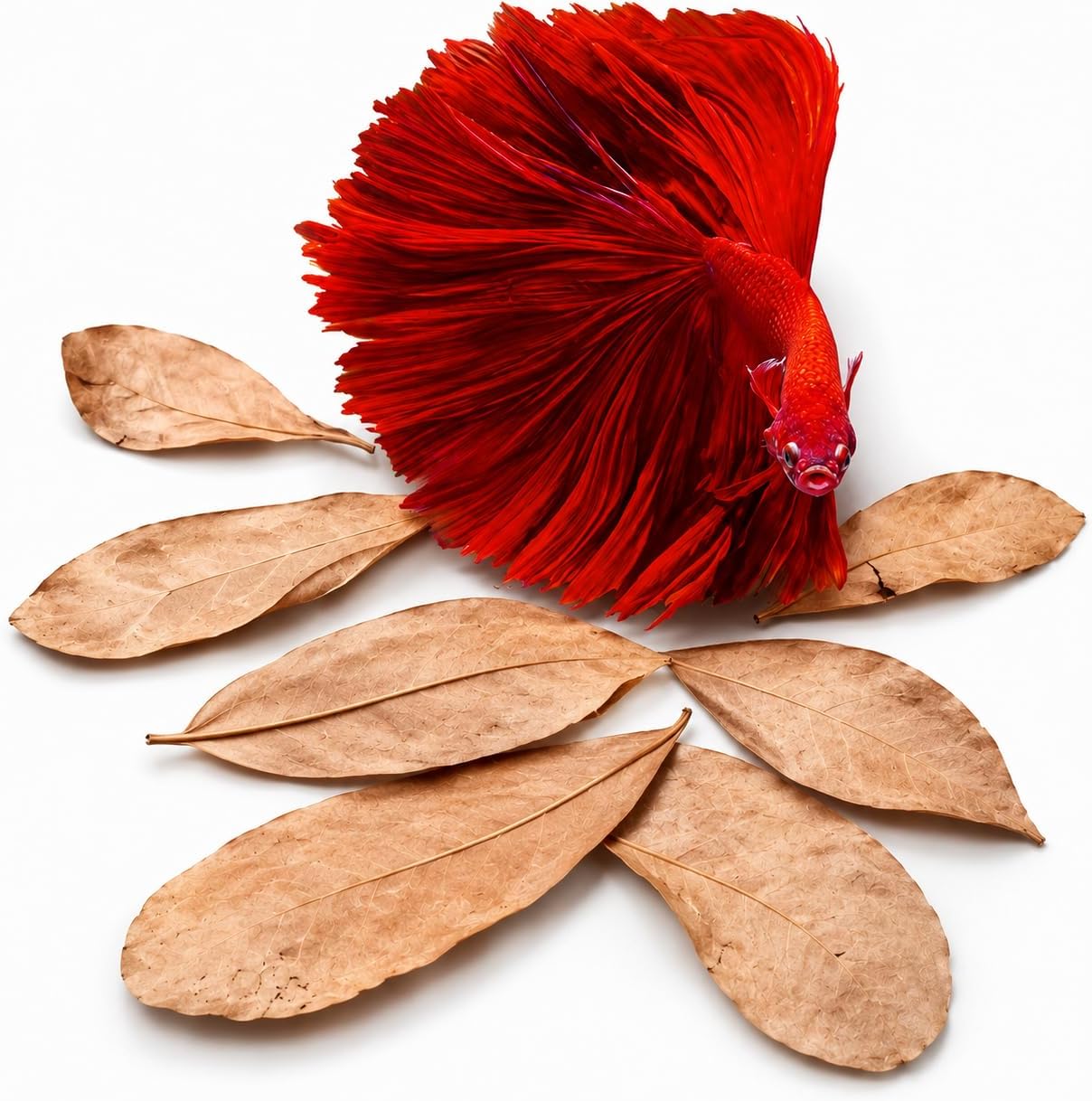
Live plants such as Java fern, Anubias, and Marimo moss not only look great but also help absorb nitrates. They give your Betta places to explore and rest.
Explore plant options in our guide Which Live Plants Are Good For Betta Fish.
Substrate and décor tips
Fine sand or smooth gravel works well. Avoid sharp decorations that could tear delicate fins. Include caves, driftwood, or smooth rocks for natural hiding spots.
3. Feeding Fundamentals: Nutrition That Shows You Care
What does Betta fish eat?
A high‑quality Betta pellet should be the staple—look for real protein, low filler, and no artificial dyes. Supplement with frozen or live foods like bloodworms, daphnia, or brine shrimp 2‑3 times a week.
Visual guide about Am Ia Good Betta Fish Owner
Image source: i.pinimg.com
How often should you feed?
Feed 2‑3 small meals daily, offering only what your Betta can eat in 2‑3 minutes. Overfeeding leads to cloudy water and health issues.
For a quick feeding schedule, read How Often Should U Feed Betta Fish.
Signs of a well‑fed Betta
- Bright, consistent coloration.
- Active swimming and occasional surface breathing.
- Full, rounded belly after meals.
4. Health Checks: Knowing When You’re Doing It Right
Fin condition as a health barometer
Healthy fins are smooth, unblemished, and flow freely. Torn or frayed fins can indicate aggression, poor water quality, or disease. If you notice damage, improve water parameters and consider a fin‑rot treatment.
Read about fin regeneration here: Can Betta Fish Fins Grow Back.
Color and skin health
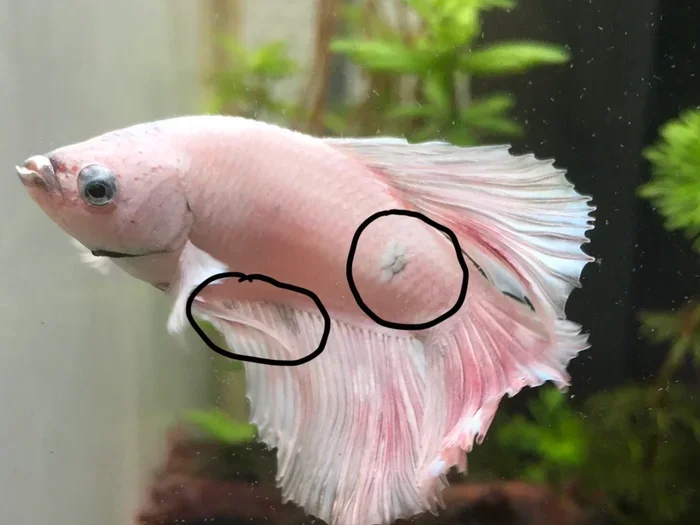
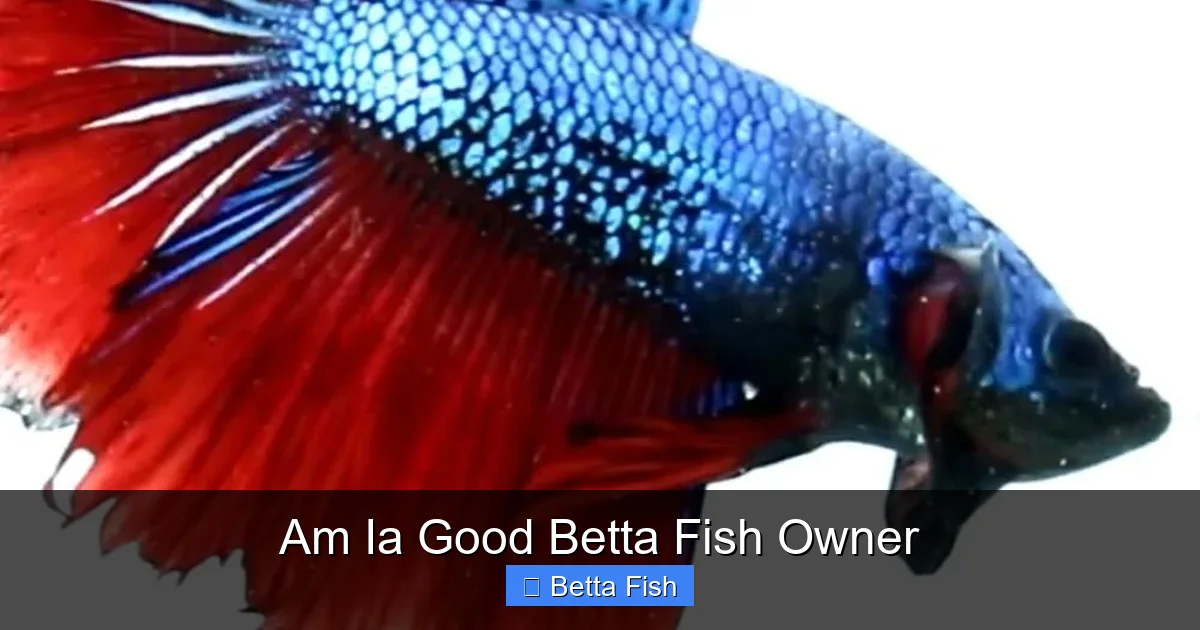
Vibrant colors mean your Betta is thriving. Faded or white patches may signal stress, poor diet, or a bacterial infection. Quick water changes and a balanced diet often restore color.
Behavioral cues
A good Betta is curious—approaching the glass, flaring gently, and exploring decorations. Lethargy, constant hiding, or frantic surface breathing are red flags.
Common ailments and quick fixes
- Fin rot: Treat with a mild antibacterial medication and improve water quality.
- White spot disease (Ich): Raise temperature slightly and add a copper‑based treatment.
- Swim bladder issues: Fast‑feed peas to relieve constipation.
5. Enrichment: Making Life Fun for Your Betta
Why enrichment matters
Betta fish are intelligent and love stimulation. Bored Bettas can become stressed, leading to faded colors and fin damage.
Simple enrichment ideas
- Rotate décor items weekly to create new “exploration zones.”
- Use a mirror for short, controlled “flaring” sessions—no more than 5 minutes.
- Introduce floating toys or a gentle current from a low‑flow pump.
Companion possibilities
While male Bettas are territorial, some peaceful species can cohabit in a well‑planted, spacious tank. Tiny shrimp or snails are usually safe, but always monitor for aggression.
Read more about compatible tank mates here: What Other Fish Can Live With Betta Fish.
6. Self‑Assessment: Are You a Good Betta Owner?
Checklist for daily care
- Check temperature and clean glass.
- Observe fin condition and color.
- Feed a measured amount of high‑quality pellets.
- Spot‑check water clarity; change 25% weekly.
- Interact briefly with your Betta—talk, tap the glass, or offer a treat.
Monthly deep‑dive tasks
- Test water parameters (ammonia, nitrite, nitrate, pH).
- Trim any dead plant leaves to prevent decay.
- Inspect for hidden parasites or rot.
- Replace filter media if used.
When to seek expert help
If you notice persistent white spots, constant gasping, or rapid weight loss, consult a vet or an experienced aquarium store. Early intervention often saves your Betta.
Conclusion: Trust Your Observations, Celebrate the Wins
Answering “am Ia good Betta fish owner?” isn’t about perfection; it’s about consistent, loving care. If your Betta shows bright colors, smooth fins, and playful behavior, you’re already a great guardian. Keep learning, stay observant, and adjust as needed. Your Betta will reward you with endless beauty and personality.
Remember, the journey of Betta ownership is a partnership. Celebrate each small victory—like a new flare of color after a water change—and know that you’re providing a thriving home for one of the aquarium world’s most charismatic fish.
Frequently Asked Questions
How can I tell if my Betta is stressed?
Signs of stress include faded colors, clamped fins, frantic surface breathing, and hiding constantly. Improving water quality and providing more enrichment usually helps.
What temperature should Betta water be?
Maintain the water between 76‑82 °F (24‑28 °C). Consistent temperature prevents stress and supports immune health.
Can I keep live plants with my Betta?
Yes! Live plants improve water quality and give your Betta natural hiding spots. Choose hardy varieties like Java fern, Anubias, or Marimo moss.
How often should I change the water?
Change 25‑30% of the tank water weekly. For smaller tanks, increase to 50% every two weeks to keep parameters stable.
Is it okay to feed my Betta only pellets?
Pellets should be the staple, but occasional treats like frozen bloodworms or daphnia add variety and extra nutrients.
What should I do if my Betta’s fins start to fray?
First, test water quality and perform a partial water change. Reduce stressors, and if fraying continues, treat with a mild antibacterial medication for fin rot.