How to Tell What Kind of Betta Fish You Have
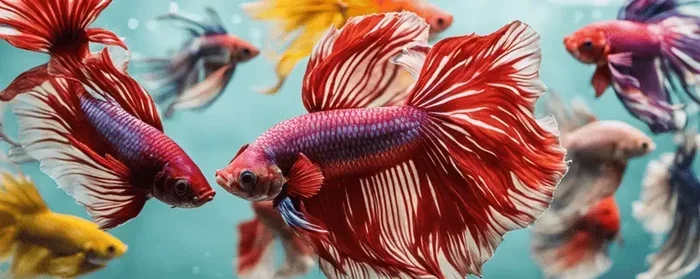
Figuring out how to tell what kind of betta fish you have is easier than you think. This guide walks you through identifying betta fish types by fin shape, color, pattern, and gender. You will learn to recognize popular breeds like veiltail, crown tail, and half moon bettas in just a few simple steps.
So you brought home a beautiful betta fish, and now you want to know exactly what kind you have. Maybe the pet store gave you a name, or maybe you are just curious. Either way, learning how to tell what kind of betta fish you have is a fun and rewarding process.
Betta fish, also known as siamese fighting fish, come in a surprising variety of types. Each breed has unique features that make it easy to identify once you know what to look for. From fin shapes to colors, this guide will help you become a betta fish identification pro.
Understanding your betta fish type is not just about naming it. It also helps you provide better care. Different breeds have different needs when it comes to tank size, water conditions, and even feeding habits. Let us dive right in and explore how to identify your betta fish with confidence.
Key Takeaways
- Fin shape is the biggest clue: Different betta fish breeds have distinct fin types that make identification straightforward.
- Color and pattern matter: Betta fish varieties come in a wide range of colors and patterns that help you narrow down the type.
- Gender differences are clear: Knowing how to tell the gender helps you understand your betta fish type better.
- Body shape gives hints: Each betta breed has a slightly different body form that supports identification.
- Proper care depends on type: Once you know what kind of betta you have, you can tailor care for its specific needs.
📑 Table of Contents
- Why Knowing Your Betta Fish Type Matters
- The Most Popular Betta Fish Types and Breeds
- How to Identify Your Betta Fish by Fin Shape
- How to Identify Your Betta Fish by Color and Pattern
- Male vs Female Betta Fish: Key Differences
- What to Do Once You Know Your Betta Fish Type
- Common Mistakes People Make When Identifying Betta Fish
- Quick Tips for Betta Fish Identification
- Expert Insight
- Conclusion
Why Knowing Your Betta Fish Type Matters
You might wonder why it matters so much. After all, a betta is a betta, right? Not quite. Different betta fish breeds have different traits that affect their care and lifestyle.
For example, a betta with long flowing fins needs different water conditions than one with short fins. Some breeds are more active swimmers, while others prefer to float calmly. Knowing your betta fish type helps you create the perfect environment for it to thrive.
It also matters if you want to breed your betta or add tank mates. Certain betta fish varieties do better with other fish, while others need to live alone. The more you know about your specific type, the better equipped you are to give your fish a happy, healthy life.
The Most Popular Betta Fish Types and Breeds
There are dozens of betta fish types out there. Some are very common, while others are rarer and harder to find. Here are the most popular breeds you will likely encounter.
Veiltail Betta
The veiltail betta is the most common type found in pet stores. It has long, flowing fins that droop down like a wedding veil. The tail fin hangs downward and often has a slight curve. This breed comes in almost every color and pattern you can imagine.
Veiltail bettas are hardy and beginner-friendly. They are a great starting point for anyone learning how to tell what kind of betta fish you have. Their flowing fins make them easy to spot, even for a first-time fish owner.
Crown Tail Betta
The crown tail betta gets its name from the spiky appearance of its fins. The rays of the fins extend well beyond the webbing, creating a crown-like look. This breed has a dramatic, almost regal appearance that stands out in any tank.
Crown tail bettas are popular among experienced fish keepers. Their unique fin structure makes them easy to identify once you know what to look for. They also tend to have slightly more vibrant colors than other breeds.
Half Moon Betta
The half moon betta has a tail fin that spreads out to a perfect 180-degree circle. When fully spread, the fin looks like a half moon or a D shape. This breed is a favorite among betta enthusiasts for its stunning, symmetrical fins.
Half moon bettas require a bit more care because of their large fins. They are more prone to fin damage, so gentle water flow is essential. If you see a betta with a perfectly round tail, you have likely found a half moon.
Plakat Betta
The plakat betta has short fins that closely resemble the wild ancestor of the domestic betta. These fish are sleek, fast swimmers, and they look very different from the long-finned breeds. Plakat bettas are often mistaken for regular fish because of their shorter fins.
Plakat bettas are more active and athletic than their long-finned cousins. They are also hardier and less prone to fin diseases. If your betta has short fins and a streamlined body, it is likely a plakat type.
Double Tail Betta
The double tail betta has two distinct tail fins instead of one. The split gives the fish a unique, fan-like appearance. This breed is less common but highly sought after by collectors.
Double tail bettas can be more fragile than single-tail breeds. Their split tail can sometimes be associated with genetic issues, so careful breeding is important. Identifying a double tail is usually straightforward once you know the key feature to look for.
How to Identify Your Betta Fish by Fin Shape
Fin shape is the single most important factor in betta fish identification. Each breed has a signature fin type that makes it recognizable. Here is a simple way to approach this.
Start by observing the tail fin. Is it long and flowing? Short and rounded? Split into two parts? The tail fin gives you the biggest clue. Next, look at the other fins. Do the dorsal and anal fins extend far down the body? Or are they short and close to the body?
Compare what you see to the popular breeds described above. Take your time and observe your fish from different angles. Sometimes fins look different when the fish is resting versus swimming. A calm betta often spreads its fins, which makes identification much easier.
If you are still unsure, try searching for images of different betta fish types online. Visual comparison is one of the most effective ways to confirm your identification. Over time, you will start to recognize breeds instantly.
How to Identify Your Betta Fish by Color and Pattern
Betta fish come in an incredible range of colors and patterns. While color alone cannot tell you the exact breed, it does help narrow things down. Let us explore the most common color categories.
Solid Colors
Solid color bettas are exactly what they sound like. The entire body is one uniform color. Common solid colors include red, blue, green, orange, and white. Some solid colors are very rare, like the deep blue mustard gas betta or the vibrant turquoise.
Solid color bettas are popular because of their clean, elegant look. They are also easier to identify because there are no patterns to confuse the picture. If your betta is one solid shade from nose to tail, you are looking at a solid color variety.
Bi-Color and Multi-Color
Bi-color bettas have two distinct colors, usually split between the body and the fins. For example, a red body with blue fins or a white body with red accents. Multi-color bettas have three or more colors blended together in interesting patterns.
These color patterns add a lot of visual interest. They are among the most popular choices for hobbyists. When trying to identify your betta, note whether the color is uniform, split, or blended.
Common Patterns
Several patterns appear frequently across betta fish varieties. The butterfly pattern has color gradients on the fins that fade from dark at the base to light at the edges. The marble pattern features irregular, splotchy color distribution that can change over time.
Other patterns include koi (similar to koi carp with red, white, and orange spots), cambodian (pale body with red or blue accents), and galaxy (iridescent spots across the body). Each pattern adds another layer of beauty and helps you understand your betta better.
Male vs Female Betta Fish: Key Differences
Knowing how to tell the gender of your betta fish is a big part of how to tell what kind of betta fish you have. Males and females look quite different, and these differences help with identification.
Male bettas have longer, more colorful fins. Their bodies are typically more elongated and streamlined. Males also have a more pronounced beard, which is a small white spot under the gills that becomes visible during flaring or breeding.
Female bettas have shorter fins and a rounder body shape. They also have a white egg spot on their underside, which is visible when they are ready to breed. Females tend to be less colorful than males, though some breeds can be quite vibrant.
If you are unsure, observe your fish closely. A male will flare its gills and fins frequently, especially when it sees another male or its own reflection. A female will flare less often and may have a visible tube-like ovipositor near its ventral area.
Understanding the gender also helps you make better decisions about tank mates and care. If you want to know more about identifying gender specifically, check out our guide on how to tell the gender of betta fish for detailed instructions.
What to Do Once You Know Your Betta Fish Type
Now that you can identify your betta, what should you do with this information? The answer is simple: use it to improve your care routine.
First, research the specific needs of your betta breed. Long-finned varieties like veiltails and half moons need gentle water flow and clean tanks to prevent fin damage. Short-finned breeds like plakats are more active and need slightly larger swimming spaces.
Second, consider the color and pattern when planning your tank setup. Brightly colored bettas often look stunning against dark substrate and planted backgrounds. This not only makes your fish feel more secure but also lets their colors pop.
Third, if you want to add tank mates, knowing your betta type helps you choose compatible fish. Some betta fish breeds are more peaceful than others. You can learn more about suitable tank mates in our article on what kind of fish can go with a betta.
Finally, use your knowledge to share with others. Betta fish identification is a great conversation starter and a way to connect with other fish enthusiasts in your community. The more you learn, the more confident you will become.
Common Mistakes People Make When Identifying Betta Fish
Even experienced fish keepers sometimes make mistakes. Here are a few common pitfalls to avoid.
Relying only on color: Color can vary widely within a single breed. Two veiltail bettas can look completely different even though they are the same type. Always consider fin shape and body structure alongside color.
Ignoring age factors: Young bettas may not display their full color or fin development yet. A baby crown tail might look like a regular veiltail until it matures. Give your fish time to grow before making a final identification.
Confusing similar breeds: Half moon and overhalf moon bettas can look alike at first glance. Crown tail and double tail bettas also share some visual similarities. Take your time, compare multiple features, and do not rush the process.
Forgetting water quality: Poor water conditions can dull your betta’s colors and make identification harder. Keeping the water clean and at the right temperature helps your fish show its true colors and patterns. Learn more about maintaining proper water conditions in our guide on what kind of water to use for betta fish.
Quick Tips for Betta Fish Identification
- Observe the tail fin first: It is the most distinctive feature for identifying breed types.
- Check the fin length: Long fins usually mean a decorative breed, while short fins suggest a plakat type.
- Look for the beard spot: A white spot under the gills indicates a male betta.
- Note the body shape: Rounder bodies often indicate females, while elongated bodies suggest males.
- Watch for color changes: Some bettas, especially marble patterns, can change colors over time.
- Compare with reference images: Online galleries and guides are excellent tools for confirming your identification.
Expert Insight
Professional betta breeders often use a combination of fin shape, body proportions, and fin ray count to identify breeds. For hobbyists, focusing on the tail fin shape and overall body form is usually enough to get a confident identification. The key is patience and careful observation.
If you ever feel stuck, do not hesitate to ask for help. Online betta communities, local fish clubs, and even pet store staff can provide valuable guidance. The betta fish world is vast and wonderful, and every new identification is a small victory.
Conclusion
Learning how to tell what kind of betta fish you have is a journey that every betta owner should enjoy. From identifying fin shapes and colors to understanding gender differences, each piece of the puzzle brings you closer to truly knowing your fish.
Start with the tail fin and body shape. Then layer on color, pattern, and gender clues. With practice, you will be able to identify any betta fish type quickly and confidently. The knowledge also empowers you to provide better, more targeted care for your beautiful fish.
Take your time, enjoy the process, and celebrate each new discovery. Your betta fish has a unique identity, and now you have the tools to uncover it. Happy fish keeping!
Frequently Asked Questions
How many types of betta fish are there?
There are over 70 recognized betta fish breeds, though some are much more common than others. The most popular types include veiltail, crown tail, half moon, plakat, and double tail. Each breed has distinct fin shapes, colors, and patterns that make identification fun and rewarding.
Can I identify my betta fish by color alone?
Color alone is not enough to identify your betta fish type. Many different breeds share the same colors. Always combine color observation with fin shape and body structure for an accurate identification. This approach gives you the most reliable results every time.
What is the easiest betta fish breed to identify?
The veiltail betta is the easiest to identify because of its long, drooping tail fin. It is also the most common breed found in pet stores. If your betta has flowing fins that hang down like a veil, you have likely found a veiltail type.
Do male and female bettas look different?
Yes, male and female bettas have noticeable differences. Males have longer, more colorful fins and a visible beard spot under the gills. Females have shorter fins, a rounder body, and a white egg spot on their underside. These differences make gender identification fairly straightforward.
How can I improve my betta fish’s colors?
High-quality food, clean water, and a stress-free environment all help bring out your betta’s natural colors. Avoid bright lighting that causes stress, and consider adding dark substrate to make colors pop. For more specific tips, check out our guide on how to enhance the color of betta fish.
At what age can I accurately identify my betta fish type?
Most betta fish show their full breed characteristics by the age of 3 to 4 months. Young bettas may have underdeveloped fins and muted colors that make identification difficult. Wait until your fish matures before making a final identification for the most accurate results.