Are Betta Fish Tetras
Betta fish are not tetras. Though both are popular freshwater hobby fish, they belong to different families, have distinct behaviors, and need separate tank setups. This guide explains the key differences and helps you choose the right companions for your betta.
Key Takeaways
- Different families: Betta fish belong to the family Osphronemidae, while tetras are Characidae.
- Behavior matters: Betta males are territorial; most tetras are schooling and peaceful.
- Tank requirements vary: Betta fish thrive in smaller, still waters; tetras need more swimming space and a planted community.
- Compatibility tips: Only certain small, non‑aggressive tetras can share a tank with a betta.
- Water parameters differ: Betta fish prefer slightly acidic to neutral water (pH 6.5‑7.5); many tetras like softer, more acidic water (pH 5.5‑7.0).
- Health considerations: Stress from the wrong tank mates can cause fin rot, loss of color, and disease in both groups.
- Know the facts: Understanding that “are betta fish tetras?” is a misconception helps you avoid costly mistakes.
📑 Table of Contents
- Introduction: Why the Question Comes Up
- 1. Taxonomy: Families, Genera, and Species
- 2. Natural Habitat and Behavior
- 3. Water Parameters: Matching the Environment
- 4. Tank Setup: Size, Decor, and Plant Choices
- 5. Compatibility: Can Betta Fish Live with Tetras?
- 6. Health and Welfare: Spotting Problems Early
- Conclusion: Knowing the Difference Makes All the Difference
Introduction: Why the Question Comes Up
If you’ve ever walked into a pet store and seen a bright‑red betta swimming beside a shimmering neon tetra, you might wonder, are betta fish tetras? The answer is a firm “no,” but the confusion is understandable. Both fish are small, colorful, and often marketed as starter pets for beginners. Their similar size and popularity lead many hobbyists to group them together, assuming they belong to the same family.
In this article we’ll clear up the mix‑up, compare the biology of bettas and tetras, and give you practical advice on how to keep each species happy. By the end, you’ll know exactly why betta fish are not tetras, and you’ll be able to create a thriving aquarium that respects the needs of each fish.
1. Taxonomy: Families, Genera, and Species
Betta Fish – The Siamese Fighting Fish
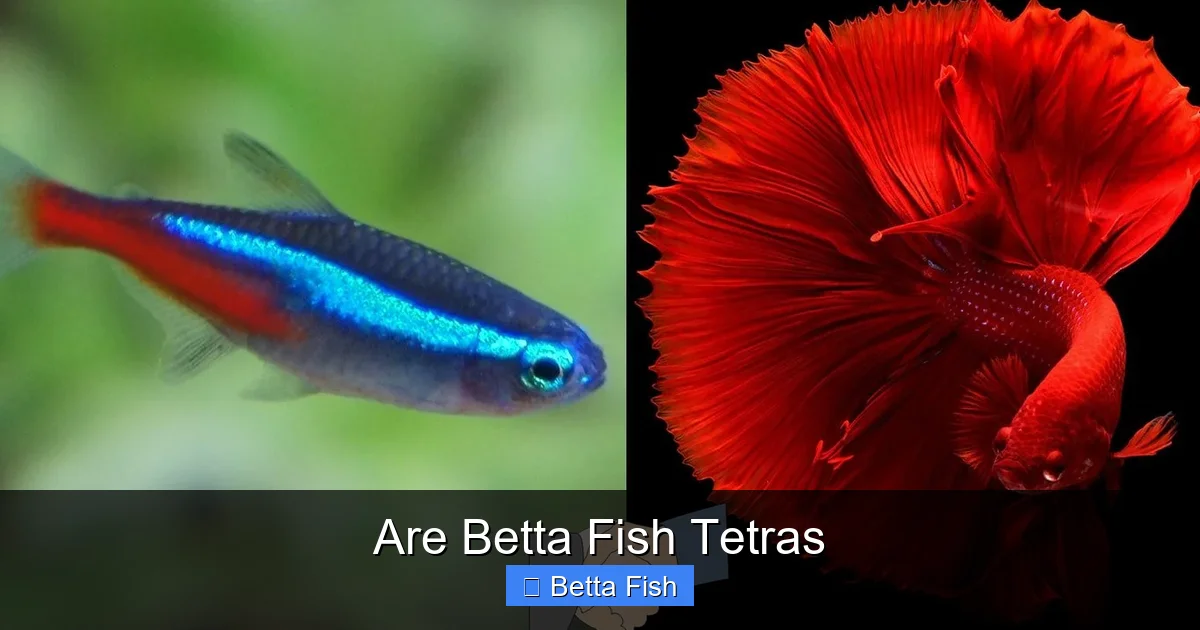
Betta fish belong to the family Osphronemidae, which includes other gouramis and labyrinth fish. The most common species kept by hobbyists is Betta splendens, often called the Siamese fighting fish. Their defining feature is the labyrinth organ, a specialized breathing structure that lets them gulp air from the surface.
Visual guide about Are Betta Fish Tetras
Image source: tetra-fish-care.com
Tetras – The Characins
Tetras are members of the family Characidae. This family contains dozens of genera, such as Paracheirodon (neon and cardinal tetras), Hyphessobrycon (black skirt tetra), and Aphyocharax (corydoras‑like tetras). Unlike bettas, tetras lack a labyrinth organ and rely solely on gill respiration.
Key Differences at a Glance
- Family: Osphronemidae (betta) vs. Characidae (tetra)
- Respiration: Labyrinth organ vs. gill‑only
- Typical size: 2‑3 in for bettas, 1‑2 in for most tetras
- Origin: Native to Southeast Asia vs. Central & South America
2. Natural Habitat and Behavior
Where Betta Fish Come From
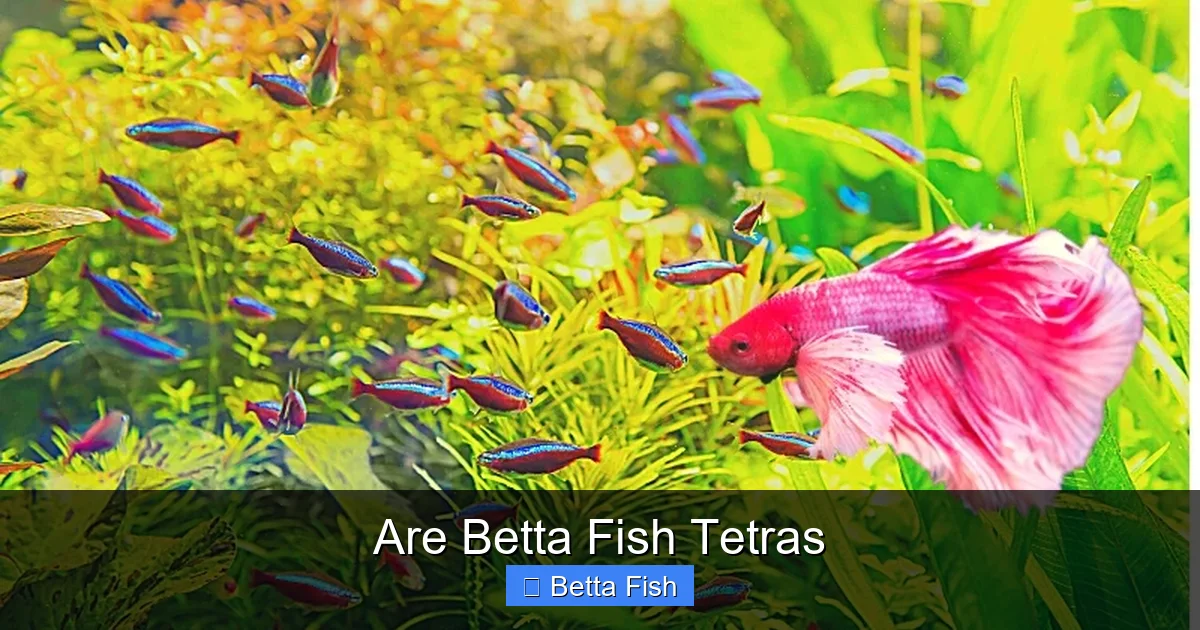
Wild bettas inhabit shallow, slow‑moving waters of Thailand, Cambodia, and Vietnam. They thrive in rice paddies, ditches, and swampy floodplains where surface oxygen can be low—hence the evolution of the labyrinth organ.
Visual guide about Are Betta Fish Tetras
Image source: infishtank.com
Where Tetras Call Home
Tetras originate from the Amazon basin, blackwater streams, and tropical rivers across Brazil, Peru, and Colombia. Their habitats are usually well‑oxygenated, fast‑flowing, and densely planted, encouraging schooling behavior.
Temperament and Social Structure
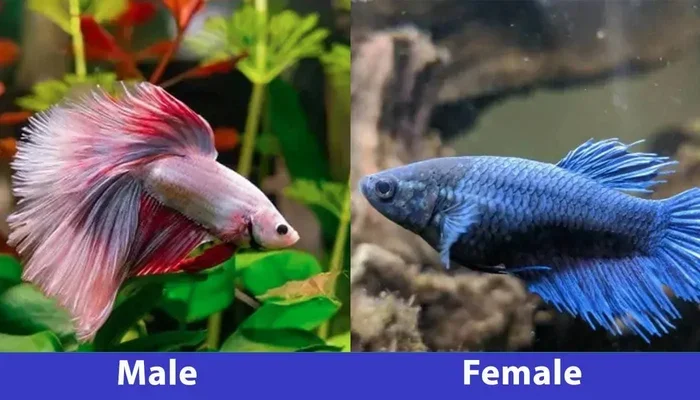
Male bettas are famously territorial and will flare their fins at any perceived intruder, even a reflective surface. Females are less aggressive but can still be feisty, especially in cramped spaces.
Most tetras are schooling fish. They feel safest in groups of six or more and will display calm, coordinated swimming. This stark contrast in social needs is a primary reason why many beginners mistakenly think “are betta fish tetras?” and then try to house them together.
3. Water Parameters: Matching the Environment
Temperature
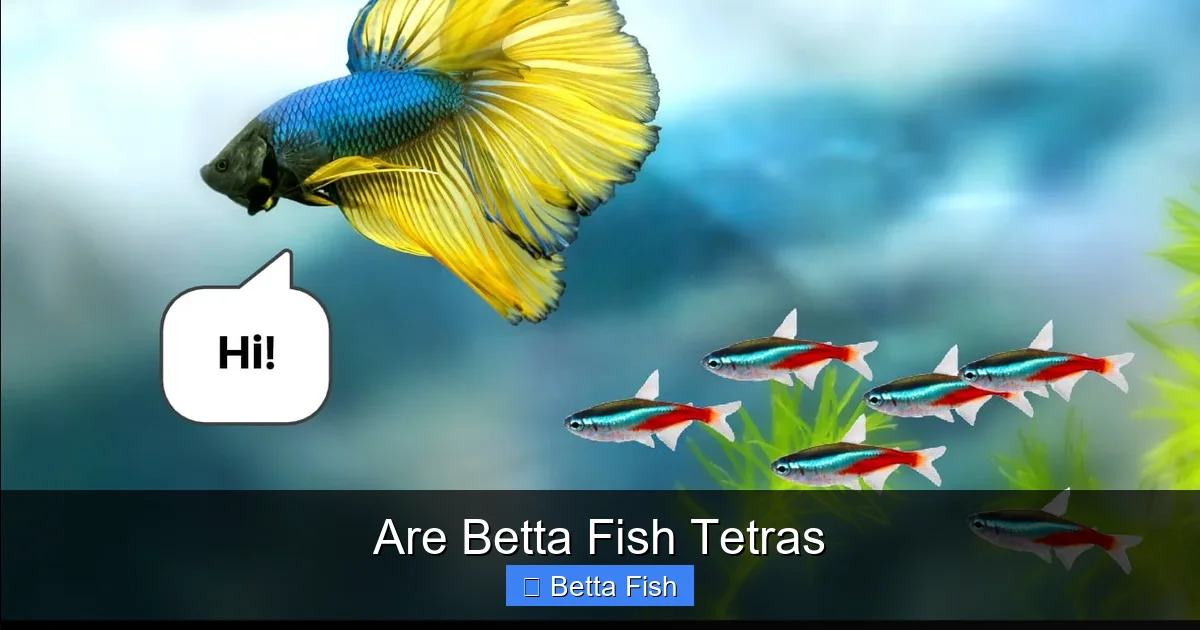
Both bettas and most tetras are tropical, preferring water between 76‑82 °F (24‑28 °C). However, some delicate tetras (e.g., ember tetras) thrive closer to 78 °F, while hardy bettas can tolerate slightly lower temps down to 75 °F.
Visual guide about Are Betta Fish Tetras
Image source: buildyouraquarium.com
pH and Hardness
Betta fish do well in slightly acidic to neutral water, pH 6.5‑7.5, with moderate hardness (5‑20 dGH). In contrast, many tetras favor softer, more acidic conditions (pH 5.5‑7.0, 2‑10 dGH). When mixing the two, aim for a middle ground—pH 6.8‑7.0 and moderate hardness—to keep both parties comfortable.
Filtration and Flow
Bettas appreciate gentle water movement because strong currents can stress them. A low‑flow sponge filter or a small hang‑on‑back (HOB) pump set to a low setting works well.
Tetras, especially active swimmers like the neon tetra, enjoy a bit more water movement. A moderate flow that mimics a riverine environment encourages natural behavior.
4. Tank Setup: Size, Decor, and Plant Choices
Betta‑Specific Setup
Betta fish are often sold in tiny bowls, but they truly thrive in a minimum of 5‑gallon tanks with a lid. Provide plenty of hiding spots—caves, driftwood, and silk plants—to reduce stress.
Because bettas breathe air, a surface film is essential. A gentle airstone or a small water‑layer agitator can help maintain a healthy oxygen layer.
Tetra‑Friendly Environment
Tetras love a planted community tank with open swimming space. A 10‑gallon (or larger) tank is ideal for a small school of tetras, allowing them to display natural schooling behavior.
Live plants such as Java moss, Amazon sword, and Anubias provide both shelter and water‑quality benefits. For more detail on plant choices, see our guide on which live plants are good for betta fish.
Combining Betta and Tetra?
If you’re set on a community tank, choose a peaceful dwarf betta (often called a “Betta Imbellis”) and a small, non‑aggressive tetra species such as the ember or neon tetra. Keep the tank at least 20 gallons, provide dense planting, and monitor interactions closely for the first few weeks.
5. Compatibility: Can Betta Fish Live with Tetras?
General Rule
The short answer to “are betta fish tetras?” is no, and the longer answer is that they are generally **not** compatible, especially when a male betta is involved. However, there are exceptions.
When It Might Work
- Tank size: 20 gallons or larger.
- Betta temperament: A calm, non‑flaring male or a female betta.
- Tetra species: Small, fast‑moving, and non‑fin‑nipping tetras (e.g., ember, neon, or glowlight).
- Plenty of cover: Lots of plants, caves, and decorations to break line‑of‑sight.
Red Flags
If the betta begins to flare, chase, or nips at the tetras, separate them immediately. Also watch for signs of stress in tetras such as faded colors, erratic swimming, or hidden behavior.
For a deeper dive into community tank compatibility, check out our article on what fish are compatible with betta fish.
6. Health and Welfare: Spotting Problems Early
Common Betta Issues
Bettas can develop fin rot, white spots, or fungal infections when stressed. Poor water quality, aggressive tank mates, or inadequate temperature can trigger these problems.
Tetra Troubles
Tetras are prone to “neon disease” (a bacterial infection) and are very sensitive to sudden changes in water parameters. Keeping a stable environment is key.
Preventive Care
- Perform weekly 25‑30% water changes.
- Test water for ammonia, nitrite, nitrate, pH, and hardness.
- Quarantine new fish for at least two weeks before adding them to the main tank.
- Feed high‑quality, species‑appropriate foods (pellets for bettas, micro‑flakes or frozen foods for tetras).
Understanding the distinct needs of bettas and tetras helps you avoid the common mistake of assuming “are betta fish tetras?” and mixing them inappropriately.
Conclusion: Knowing the Difference Makes All the Difference
Betta fish are not tetras. They belong to separate families, have different respiratory systems, and exhibit contrasting social behaviors. While it’s possible to keep a gentle betta with certain peaceful tetras under the right conditions, most hobbyists will have better success keeping them in dedicated tanks.
By recognizing the unique requirements of each species—temperature, pH, tank size, and temperament—you’ll create healthier, more vibrant aquariums. If you’re still curious about the broader world of bettas, explore our piece on what are betta fish to deepen your knowledge.
Remember, the question “are betta fish tetras?” is a great reminder to always research before mixing species. With the right information, you’ll enjoy the dazzling colors and personalities of both bettas and tetras—whether they share a tank or live happily apart.
Frequently Asked Questions
Are betta fish and tetras from the same family?
No. Betta fish belong to the Osphronemidae family, while tetras are part of the Characidae family.
Can a male betta live peacefully with tetras?
Only in a large, well‑planted tank with very peaceful tetra species and a calm betta. Close monitoring is essential.
Do betta fish need a heater?
Yes. Bettas are tropical and thrive at 76‑82 °F (24‑28 °C). A reliable aquarium heater maintains a stable temperature.
What water pH works for both bettas and tetras?
A pH range of 6.8‑7.0 is a good compromise that keeps both fish comfortable.
Why do bettas sometimes flare at their own reflection?
They see their reflection as another male and display aggression to protect their territory. This is normal behavior.
Are there any tetras that are safe for a community tank with a betta?
Small, fast‑moving tetras like neon, ember, or glowlight tetras are the most likely to coexist, provided the tank is spacious and well‑decorated.