Are Some Water Filters to Strong for Betta Fish

Choosing the right filter is crucial for betta health; overly strong flow can stress or harm them. This guide explains how to spot powerful filters, adjust flow, and pick gentle alternatives so your betta thrives.
Key Takeaways
- Gentle flow matters: Betta fish thrive in calm water; strong currents can cause stress and fin damage.
- Filter type counts: Sponge and hang‑on‑back (HOB) filters are usually safe, while power filters often need modification.
- Adjustable flow: Many filters let you reduce water movement with spray bars, baffles, or flow‑restrictors.
- Regular maintenance: Clean filters often to prevent clogs that increase suction and create sudden bursts of water.
- Tank size matters: Smaller bowls need the gentlest filtration; larger tanks can accommodate slightly stronger flow if properly diffused.
- Combine with plants: Live plants and decorations break up currents, giving bettas safe hideouts.
- Monitor behavior: If your betta hides constantly or flares its fins unusually, the filter may be too strong.
📑 Table of Contents
- Introduction: Why Filter Strength Matters for Betta Fish
- Understanding Betta Natural Habitat and Flow Needs
- Common Filter Types and Their Typical Flow
- How to Identify If Your Filter Is Too Strong
- Adjusting Existing Filters to Suit Betta Fish
- Best Filter Options for Betta Tanks
- Complementary Ways to Keep Water Calm
- Putting It All Together: A Step‑by‑Step Checklist
- Conclusion: Balance Is the Key
Introduction: Why Filter Strength Matters for Betta Fish
Betta fish, also called Siamese fighting fish, are famous for their vivid colors and flowing fins. Their beauty often convinces new owners to set them up in tiny bowls, but a healthy betta really needs clean, well‑oxygenated water. That’s where filters come in. However, not every filter is a good fit. Some water filters are simply too strong for a betta’s delicate body and natural preference for calm waters.
In this article we’ll answer the question “are some water filters too strong for betta fish?” and give you practical steps to choose, adjust, or replace a filter so your fish can swim, flare, and explore without stress. We’ll cover the science behind flow, compare popular filter types, and share real‑world tips that even beginners can follow.
Understanding Betta Natural Habitat and Flow Needs
What the wild betta is used to
In their native Southeast Asian rice paddies and shallow streams, bettas live in still or very slowly moving water. They have a labyrinth organ that lets them gulp air from the surface, so they are not dependent on strong water movement for oxygen. This evolutionary background means they are adapted to low‑flow environments.
Visual guide about Are Some Water Filters to Strong for Betta Fish
Image source: i.ytimg.com
How flow affects stress levels
When water moves too quickly, bettas must constantly fight the current to stay upright. This can lead to:
- Fin fatigue and tearing
- Reduced appetite
- Elevated cortisol (stress hormone) levels
- Increased susceptibility to disease
Observing your fish’s behavior is the fastest way to tell if the flow is too much. A betta that spends most of its time pressed against the glass or hiding under decorations is likely uncomfortable.
Common Filter Types and Their Typical Flow
Sponge Filters
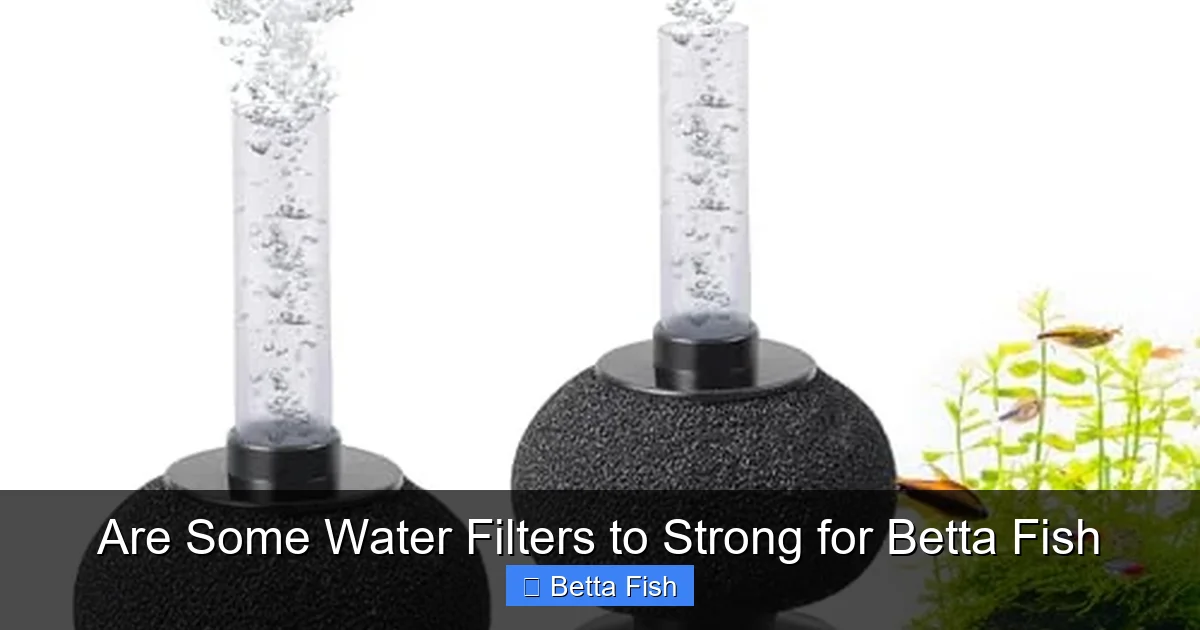
Sponge filters provide biological filtration with a very gentle flow. Air is pumped through a porous sponge, creating tiny bubbles that pull water through slowly. Most hobbyists find sponge filters ideal for bettas, especially in tanks under 10 gallons.
Visual guide about Are Some Water Filters to Strong for Betta Fish
Image source: m.media-amazon.com
Hang‑On‑Back (HOB) Filters
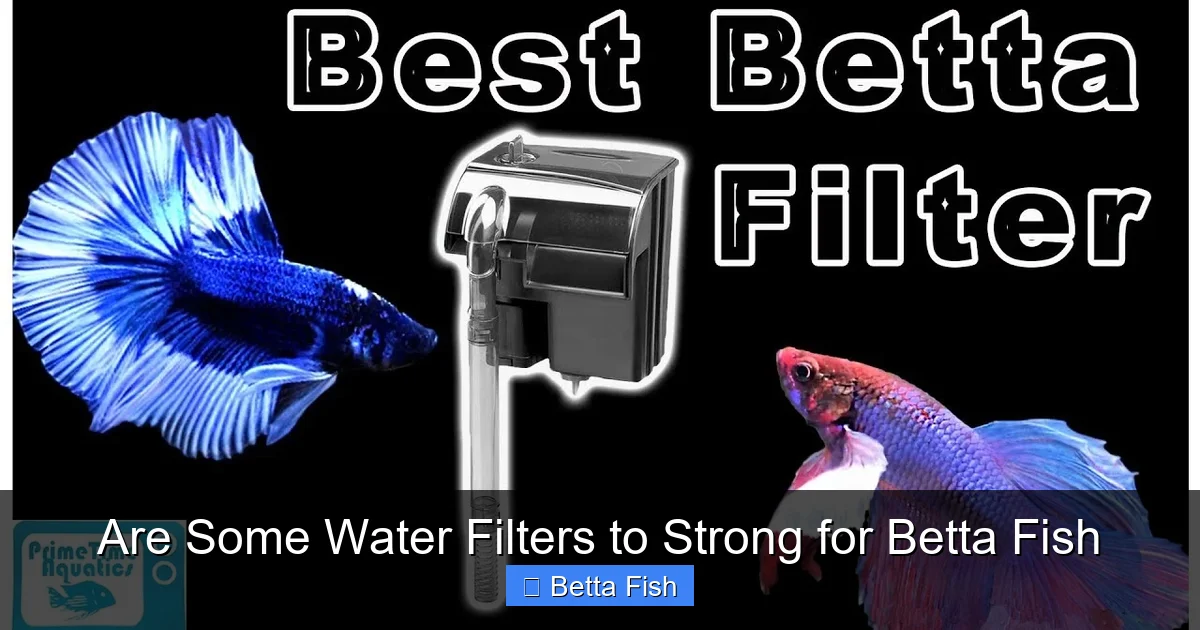
HOB filters sit on the tank’s rim and use a motor to pull water up, pass it through filter media, and return it via a spray bar. The flow can be adjusted on many models by turning a dial or repositioning the spray bar. With proper adjustment, HOBs can be safe for bettas.
Canister Filters
Canister filters sit beneath the tank and push water through a series of media chambers. They are powerful and designed for larger setups. Without a flow‑reducing device, a canister can create a strong current that overwhelms a betta.
Power Filters (Internal/External)
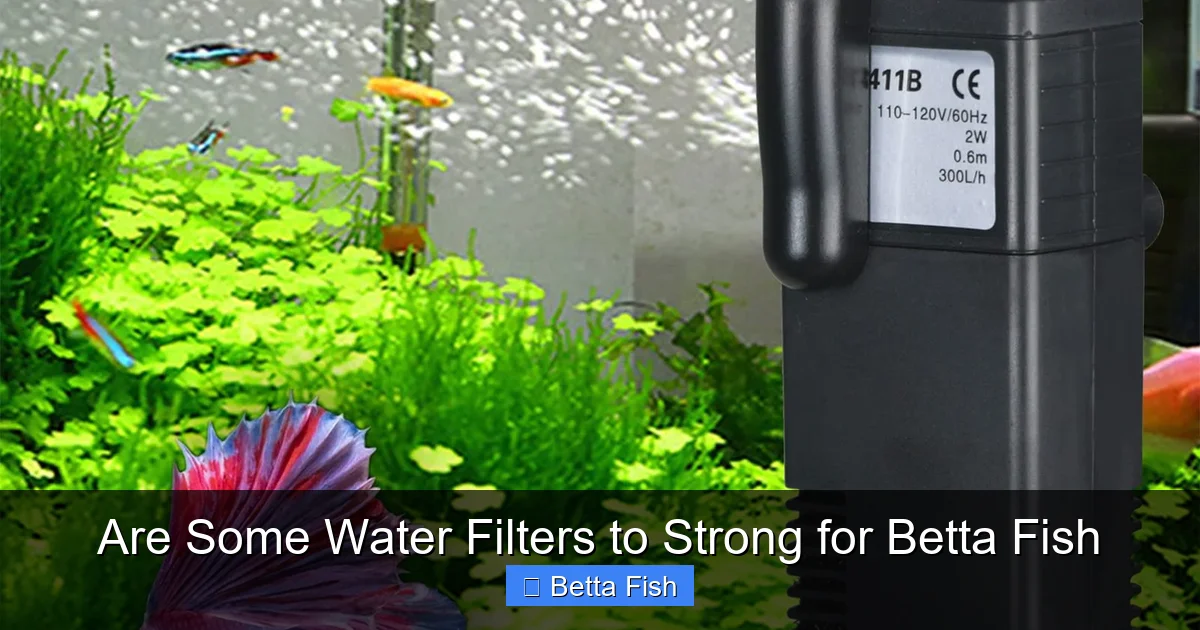
These are the most aggressive filters on the market. They pull water through a cartridge or foam at high speed. Unless you add a baffle or use a very low setting, they are generally too strong for a betta’s small tank.
How to Identify If Your Filter Is Too Strong
Visual cues
Watch the water surface. If you see a pronounced ripple or a constant stream moving across the tank, the flow may be excessive. Also, check if the filter’s output nozzle is aimed directly at the betta’s favorite spot.
Visual guide about Are Some Water Filters to Strong for Betta Fish
Image source: m.media-amazon.com
Behavioral signs
Betta fish display a range of stress signals:
- Holding their fins close to the body (fin clamping)
- Repeatedly seeking the tank’s corners or the top surface
- Rapid, shallow breathing at the water line
- Loss of color vibrancy or a “flared” but static fin display
If you notice any of these, consider reducing the flow.
Testing flow with a simple method
Place a piece of lightweight paper or a small leaf near the filter’s output. If it is whisked away instantly, the flow is strong. Move the paper further away; if it still moves quickly, you likely need to adjust.
Adjusting Existing Filters to Suit Betta Fish
Using spray bars and diffusers
Many HOB filters come with a spray bar that can be rotated or angled. Point the bar toward the tank wall or the back, and lower the flow rate knob. Adding a diffuser (a piece of plastic or a small sponge) over the outlet breaks up the water stream.
Adding baffles or flow restrictors
For canister or power filters, insert a DIY baffle made from a piece of PVC pipe or a thick sponge inside the output tube. This reduces the velocity without compromising filtration efficiency.
Choosing the right filter media
Heavier filter media (large ceramic rings, bio‑balls) can slow water movement because water must navigate around them. Pairing these with a fine sponge or foam pad at the outlet helps mellow the flow.
Regular cleaning to avoid suction spikes
When filter media becomes clogged, the pump works harder, creating sudden bursts of water. Clean the filter according to the manufacturer’s schedule—usually once a month for small tanks.
Best Filter Options for Betta Tanks
Top sponge filter models
1. AquaClear Power Sponge – fits tanks as small as 2 gallons, provides gentle flow and excellent biological filtration.
2. Hydro Sponge Filter – includes an adjustable air pump for fine‑tuning flow.
HOB filters with low‑flow settings
1. MarineLand Penguin 100 – has a flow‑control dial and a wide spray bar that can be angled away.
2. Fluval C2 Power Filter – offers a “quiet flow” setting that works well for bettas.
Canister filters for larger setups
If you keep a betta in a 20‑gallon community tank, a canister like the Eheim Classic 2212 can be used, but you’ll need a flow‑reducing baffle and a wide spray bar aimed at the tank’s back.
When to skip a filter altogether
In very small bowls (under 2 gallons) many owners rely on frequent water changes instead of a filter. If you choose this route, be diligent about cleaning and water quality.
Complementary Ways to Keep Water Calm
Live plants and decorations
Live plants such as Java fern or Anubias break up currents and provide natural hiding spots. Adding driftwood, rocks, or a silk leaf also diffuses water movement.
Choosing the right tank size
A 5‑gallon tank gives enough volume for a gentle filter while still providing space for swimming. Smaller bowls need the gentlest possible flow or none at all.
Temperature and water type considerations
Warm water (78‑80°F) holds less dissolved oxygen, so a mild surface agitation is helpful but should not become a strong current. For detailed guidance on temperature, see our article on what temperature should water be for a betta fish.
Regular water changes
Even with a filter, weekly 25‑30% water changes keep nitrate levels low. Learn the step‑by‑step process in our guide on how to do a water change for betta fish. Using conditioned water ensures no chlorine spikes that could stress your fish.
Putting It All Together: A Step‑by‑Step Checklist
- Identify your current filter type.
- Observe your betta’s behavior for stress signs.
- Test flow with a light object near the outlet.
- If flow is strong, adjust the spray bar, add a diffuser, or install a baffle.
- Choose a filter rated for low flow (sponge or gentle HOB).
- Add live plants and decorations to break up currents.
- Perform regular water changes and condition the new water (how to condition tap water for betta fish).
- Monitor water parameters weekly; keep ammonia at 0 ppm and nitrite at 0 ppm.
Following this checklist ensures that your betta lives in a calm, clean environment, free from the dangers of an overly strong filter.
Conclusion: Balance Is the Key
Answering the core question—yes, some water filters are indeed too strong for betta fish—doesn’t mean you have to forgo filtration altogether. By understanding the natural preferences of bettas, selecting the right filter type, and fine‑tuning flow, you can provide pristine water without stressing your finned friend. Remember to watch your betta’s behavior, use gentle filtration, and supplement with plants and regular water changes. With these steps, your betta will flourish, displaying brilliant colors and a confident, active demeanor for years to come.
Frequently Asked Questions
Can a power filter be used with a betta fish?
Yes, but only if you add a flow‑reducing baffle or diffuser and set the pump to its lowest setting. Otherwise the current will be too strong.
How can I tell if my betta is stressed by the filter?
Look for fin clamping, constant hiding, loss of color, or rapid breathing near the surface. These are common signs of stress from strong water movement.
Do bettas need a filter if I change the water frequently?
Frequent water changes (at least 25% weekly) can maintain water quality, but a gentle filter still helps with biological filtration and reduces the cleaning workload.
What is the safest filter for a 2‑gallon betta bowl?
A small sponge filter with an air pump set to a low bubble rate is the safest option. It provides biological filtration without creating noticeable current.
Can live plants replace a filter for a betta?
Plants improve water quality and break up flow, but they don’t replace the biological filtration a filter offers. Use both for the healthiest setup.
Is it okay to use a canister filter for a large betta tank?
Yes, as long as you install a baffle or diffuser to lower the flow and aim the output away from the betta’s main swimming area.