How to Condition Betta Fish Water
Conditioning your betta’s water isn’t just a one-time step—it’s the foundation of its health. Tap water contains harmful chemicals like chlorine and chloramines that must be neutralized with a quality water conditioner. Beyond dechlorination, you must establish and maintain a stable nitrogen cycle and monitor key water parameters (ammonia, nitrite, nitrate, pH, temperature). Skipping or rushing this process is the leading cause of betta stress, illness, and premature death. This guide provides a complete, step-by-step blueprint for creating and sustaining a safe aquatic environment.
Key Takeaways
- Always use a water conditioner: Never add untreated tap water to your betta’s tank. Chlorine and chloramines are lethal and must be neutralized instantly.
- The nitrogen cycle is non-negotiable: A cycled tank has beneficial bacteria that process toxic fish waste. Cycling must be complete before adding your betta.
- Test your water regularly: Use a liquid test kit (not strips) to monitor ammonia, nitrite, nitrate, and pH. This is your primary diagnostic tool.
- Stability beats perfection: Sudden changes in temperature or parameters are more dangerous than slightly “off” but stable conditions. Perform partial water changes to maintain consistency.
- Temperature is critical: Bettas are tropical fish requiring a stable 78-80°F (25.5-26.5°C). An adjustable heater is essential equipment.
- Conditioner is for tap water only: You do not need to condition pre-mixed, distilled, or reverse osmosis (RO) water unless you are adding minerals back into it.
- Patience prevents problems: Rushing the setup or neglecting weekly maintenance will lead to health crises. Consistent, small efforts prevent large, deadly problems.
📑 Table of Contents
- Why Conditioning Betta Fish Water is Your #1 Priority
- Understanding Your Enemy: What’s in Your Tap Water?
- The Step-by-Step Guide to Properly Conditioning Betta Water
- Monitoring and Maintaining Ideal Water Parameters
- Common Mistakes & How to Avoid Them
- Advanced Tips for the Discerning Betta Keeper
- Conclusion: Conditioning as a Ritual of Care
Why Conditioning Betta Fish Water is Your #1 Priority
Let’s be brutally honest for a moment. You can have the most beautifully decorated tank, the fanciest betta with flowing fins, and the most expensive, nutrient-rich food. But if the water is wrong, it doesn’t matter. Poor water quality is the silent, invisible killer of pet fish, and bettas, with their delicate labyrinth organs and labyrinth organs and reputation for being “hardy,” are often the victims of this misconception. Conditioning betta fish water correctly is not a suggestion; it is the absolute, non-negotiable first law of betta ownership. This process transforms ordinary, potentially toxic tap water into a life-sustaining home. It’s the single most important thing you will do for your fish’s long-term health and vibrancy.
Think of it this way: your betta lives, eats, breathes, and excretes in its water. There is no escape. Every molecule of that water passes over its gills and through its body. If that water contains chlorine, heavy metals, or a buildup of toxic waste products, your betta is slowly being poisoned. Symptoms like faded colors, torn or clamped fins, lethargy, loss of appetite, and frequent gasping at the surface are all classic cries for help from a fish suffering from poor water conditions. By mastering how to condition betta fish water, you move from being a casual pet owner to a dedicated aquatic caretaker, giving your betta the foundation it needs to thrive, not just survive.
The Myth of the “Hardy” Betta
You’ve probably heard it: “Bettas are tough. They live in rice paddies in Thailand.” This pervasive myth does more harm than good. While bettas are indeed adapted to survive in low-oxygen, shallow, warm waters, those natural environments are vast, complex ecosystems with plants, microorganisms, and natural filtration. A small glass bowl or even a 1-gallon tank is a terrifyingly concentrated prison compared to that. The “hardy” label often means they can *tolerate* bad conditions longer than other fish before dying, not that they *thrive* in them. A betta living in marginally conditioned water is a stressed betta, and chronic stress suppresses the immune system, making it susceptible to diseases like fin rot, ich, and dropsy. Conditioning the water properly is the primary tool you have to eliminate that chronic stressor.
Understanding Your Enemy: What’s in Your Tap Water?
To know how to condition betta fish water, you must first understand what you’re conditioning it *from*. Your municipal water supply is treated to be safe for human consumption, but those treatments are hazardous to fish. The two main villains are chlorine and chloramines.
Visual guide about How to Condition Betta Fish Water
Image source: japanesefightingfish.org
Chlorine: The Volatile Foe
Chlorine has been used for over a century to disinfect drinking water. It is a potent oxidizing agent that kills bacteria and viruses. For us, a slight chlorine taste is usually not a problem. For fish, it is a corrosive gas that damages gill tissue, causing respiratory distress and burning. The good news? Chlorine is volatile, meaning it will evaporate on its own if water is left to sit out and aerated for 24-48 hours. However, relying on this method is risky and unreliable for several reasons. You cannot see or smell chlorine at lethal levels for fish. The evaporation rate depends on water movement, temperature, and surface area. Most critically, many water utilities have switched to the more stable chloramines.
Chloramines: The Persistent Threat
Chloramines are a compound formed when chlorine is mixed with ammonia. They are a more stable disinfectant that lasts longer in water pipes, reducing the risk of re-contamination. For fish, they are far more dangerous and persistent than chlorine. Chloramines do **not** evaporate on their own. Letting water sit out for days will do nothing to remove them. They are directly toxic to fish, causing the same gill damage as chlorine but over a longer, more insidious period. This is why a dedicated water conditioner is absolutely essential—it is the only reliable way to neutralize both chlorine and chloramines instantly and safely.
Heavy Metals and Other Contaminants
Beyond disinfectants, tap water can contain trace amounts of heavy metals like copper, lead, and zinc from old pipes or natural sources. These can be toxic to fish in concentrated amounts, affecting their neurological and metabolic functions. A good quality water conditioner will also bind to and detoxify these heavy metals, providing an extra layer of protection. Furthermore, some conditioners contain slime coat enhancers (like polyvinylpyrrolidone or PVP) that help protect your betta’s delicate skin and fins from abrasions and minor infections by promoting a natural mucous layer.
The Step-by-Step Guide to Properly Conditioning Betta Water
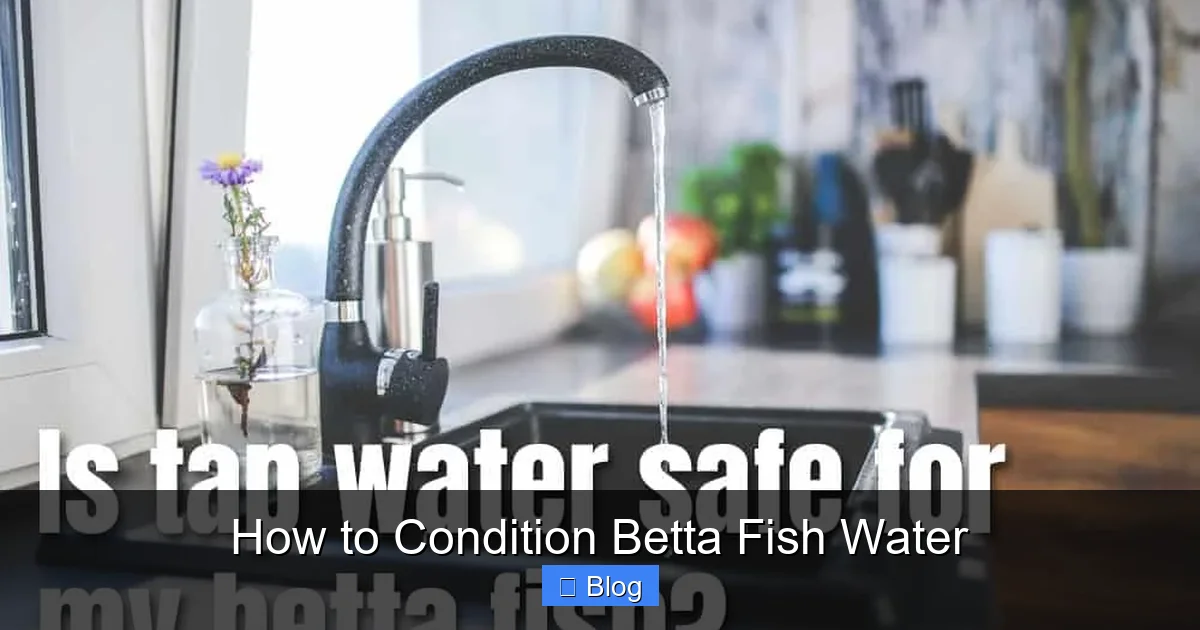
Now, let’s get to the practical heart of the matter. Conditioning betta fish water is a simple process, but it must be done correctly and consistently. Here is your definitive protocol, from setup to ongoing maintenance.
Visual guide about How to Condition Betta Fish Water
Image source: japanesefightingfish.org
Essential Equipment Checklist
Before you even touch the water, ensure you have these tools:
- A reliable water conditioner: Seachem Prime is the industry gold standard for its potency and ability to detoxify ammonia for 48 hours (useful during cycling emergencies). Other excellent options include API Stress Coat+, Aqueon Water Conditioner, and Tetra AquaSafe. Avoid “2-in-1” or “5-in-1” products that promise everything; stick to a dedicated dechlorinator.
- A dedicated water changer/gradient: Never use a bucket or siphon that you use for cleaning or household purposes. Fish pathogens are serious. Have a dedicated, clean bucket or a Python-style gravel cleaner for aquarium use only.
- A liquid water test kit: This is your most important diagnostic tool. The API Freshwater Master Test Kit is the most recommended and cost-effective. Do not rely on test strips. They are notoriously inaccurate, especially for ammonia and nitrite.
- A clean, dedicated scrubber or algae pad: For cleaning the glass.
- A gravel vacuum/siphon: For removing debris from the substrate during water changes.
- A thermometer: Even if your heater has one, a separate, accurate thermometer is crucial for verification.
The Initial Setup & Cycling Process (The Most Critical Phase)
This is where beginners fail most often. You cannot add your betta to a tank that has just been filled with conditioned tap water. That water is “new” and has no beneficial bacteria. Your betta’s waste (ammonia) will poison it within days. You must establish a colony of nitrifying bacteria—this is the nitrogen cycle.
Step 1: Assemble & Fill. Set up your tank (minimum 5 gallons is strongly recommended), filter, heater, and decorations. Rinse everything with plain water (no soap!). Fill the tank with tap water.
Step 2: Condition the Entire Volume. Calculate your tank’s total volume (including substrate displacement). Add the correct dosage of water conditioner as directed on the bottle to the entire tank. Turn on your filter and heater. Set heater to 78-80°F.
Step 3: “Seed” the Cycle (Optional but Highly Recommended). To speed up the 4-6 week cycling process, introduce a source of beneficial bacteria. You can:
- Add a few drops of a bottled bacteria supplement (like Seachem Stability or Tetra SafeStart) according to directions.
- Ask a friend with a healthy, cycled tank for a handful of their used filter media (sponges, ceramic rings) or a cup of their gravel. This is the most effective method.
- Place a piece of raw, unseasoned shrimp or a few flakes of fish food in the tank to decay and produce ammonia, feeding the bacteria as they grow.
Step 4: Monitor the Cycle. Using your liquid test kit, test for ammonia, nitrite, and nitrate every 2-3 days. You will see:
- Ammonia Spike: (0-2 weeks) Ammonia rises as fish waste decays. Bacteria (Nitrosomonas) will begin to grow.
- Nitrite Spike: (2-4 weeks) As ammonia drops, nitrite (even more toxic) rises. A second bacteria (Nitrospira) must establish to convert nitrite.
- Nitrate Rise & Cycle Completion: (4-6 weeks) Nitrite drops to zero, and nitrate (less toxic) begins to rise steadily. Once you see ammonia and nitrite at 0 ppm and a stable, measurable nitrate (5-20 ppm), your tank is cycled and safe for your betta.
During this entire cycling period, you must continue to condition any new water you add for top-offs or partial changes.
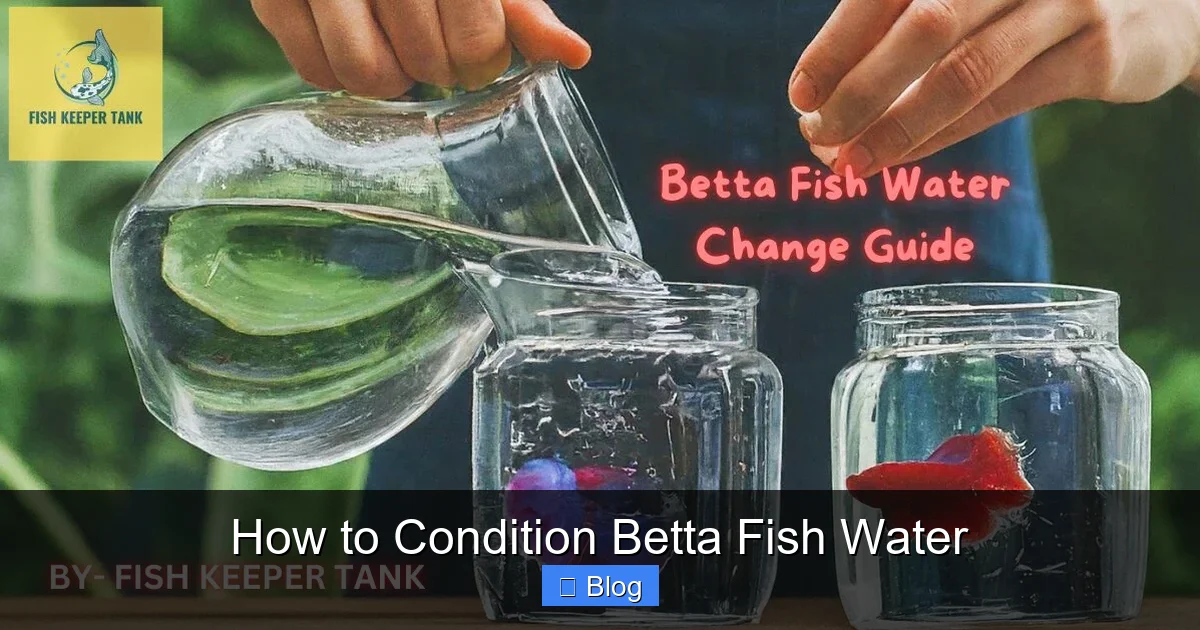
Performing a Safe Water Change for Your Betta
Once your tank is cycled, weekly maintenance is simple but vital. The goal is to remove old, waste-laden water and replace it with fresh, conditioned water without shocking the system.
Step 1: Prepare New Water. Fill your clean, dedicated bucket with tap water. Add the correct dose of water conditioner to this new water BEFORE it touches the tank or your fish. This ensures the chlorine is neutralized the moment it enters the environment. Let it sit for a few minutes. Also, ensure the temperature of the new water matches the tank water as closely as possible (within 1-2°F). You can use the heater to warm a bucket of water if needed, but never add boiling water.
Step 2: Clean & Vacuum. Use your algae pad to scrape the glass. Then, use your gravel vacuum to siphon out debris from the substrate. Focus on areas with visible waste. This removes solid fish waste and uneaten food before it decays into ammonia. Remove 25-30% of the tank’s total water volume. For a 5-gallon tank, this is about 1.25-1.5 gallons.
Step 3: Replace Slowly. Gently pour the conditioned, temperature-matched new water back into the tank. Try to avoid pouring directly onto the substrate, which can stir up debris. A common pro tip is to place a clean plate or bowl on the substrate and pour the new water onto it to diffuse the flow. This prevents stressing your betta.
Step 4: Restart & Monitor. Turn your filter and heater back on if you turned them off. Wait 15-30 minutes, then test your water parameters. Nitrate should have decreased by about 20-30%. If your nitrate was high before the change (above 20 ppm), you may need to change 40-50% to bring it down safely.
Monitoring and Maintaining Ideal Water Parameters
Conditioning is the first step, but maintenance is the ongoing practice. You must regularly check the chemical balance of your betta’s water. Here are the non-negotiable parameters and their safe ranges for a betta.
Visual guide about How to Condition Betta Fish Water
Image source: fishkeepertank.com
Ammonia (NH3/NH4+): The Silent Killer
Target: 0 ppm. Ammonia is the direct waste product of fish and decaying organic matter. It is highly toxic, burning gills and skin. Any detectable ammonia (above 0.25 ppm) means your tank is not cycled or is overloaded/impaired. In a cycled tank, beneficial bacteria must convert it to nitrite within hours. If you ever get an ammonia reading, perform an immediate 50% water change with conditioned water, check your filter (is it clogged?), and reduce feeding.
Nitrite (NO2-): The Invisible Danger
Target: 0 ppm. Nitrite is produced when bacteria break down ammonia. It is even more toxic than ammonia, as it binds to hemoglobin in the blood, preventing oxygen transport (methemoglobinemia, or “brown blood disease”). Like ammonia, any reading is an emergency. It indicates your cycle is incomplete or has crashed. Immediate, large water changes are required.
Nitrate (NO3-): The Acceptable Byproduct
Target: < 20 ppm, ideally 5-10 ppm. Nitrate is the end product of the nitrogen cycle. It is far less toxic than ammonia or nitrite but becomes a problem at high concentrations (>40 ppm), leading to poor immune function and stress. Nitrate is only removed by water changes and live plants. In a filtered betta tank, weekly 25-30% water changes should keep nitrate in the safe range. If it consistently runs high, increase the change volume or frequency.
pH: Stability is Everything
Target: 7.0 – 7.5 is ideal, but 6.5 – 7.5 is acceptable. Bettas come from slightly acidic to neutral waters. The absolute danger is rapid fluctuation. A stable pH of 6.8 is far better than a “perfect” 7.5 that swings wildly between 6.5 and 8.0 due to improper water changes. Do not use pH up/down chemicals—they cause violent swings. If your tap water’s natural pH is stable in the 6.5-7.5 range, it’s fine. If it’s very high (8.0+), consider using driftwood or Indian almond leaves to gently lower it over time, or use a reverse osmosis (RO) water system reconstituted with minerals.
Temperature: The Tropical Requirement
Target: 78-80°F (25.5-26.5°C). This is not optional. Bettas are tropical fish. Cold water (below 76°F) slows their metabolism, suppresses their immune system, and can lead to lethargy and constipation. Use a reliable, adjustable aquarium heater (5-10 watts per gallon is a good rule) with a thermostat. Always use a separate thermometer to verify the heater’s accuracy. Temperature swings of more than 2 degrees in a day are stressful.
Common Mistakes & How to Avoid Them
Even with the best intentions, mistakes happen. Here are the most frequent errors in conditioning betta water and how to sidestep them.
Mistake 1: Not Using Enough Conditioner
Always follow the dosage instructions on your conditioner bottle. Dosage is typically per gallon or liter. Under-dosing will not fully neutralize chlorine/chloramines. If you are unsure of your bucket’s volume, it’s better to slightly over-dose (within reason—double the dose is generally safe with products like Prime) than to under-dose. Remember: you are conditioning the *new water* you are adding, not the entire tank volume (unless you are doing a full water change). For a 25% change in a 5-gallon tank (1.25 gal new water), dose for 1.25 gallons.
Mistake 2: Adding Fish Too Soon (The “New Tank Syndrome”)
This is the #1 killer of new bettas. The tank must be fully cycled as described above. Adding a betta to an uncycled tank is a death sentence within a week or two. Be patient. Use the cycling period to research, decorate, and get your testing routine down. If you have a betta in an uncycled tank, you are on “emergency management”: daily 25-50% water changes with conditioned water to keep ammonia/nitrite at zero until the cycle completes.
Mistake 3: Overcleaning the Filter
Your filter is home to the beneficial bacteria that run your nitrogen cycle. When you rinse filter media, you must use the **old tank water** you just siphoned out, not chlorinated tap water. Chlorine will kill the bacteria colony. Simply swish and squeeze the sponge or media in the old bucket of tank water to remove solid debris. Never use soap. Replace filter media (like carbon) only as directed, and never all at once.
Mistake 4: Inconsistent Water Changes
Skipping a week because “the water looks clear” is a recipe for disaster. Nitrate is invisible. You must perform weekly partial changes regardless of appearance. Set a specific day and time each week (e.g., every Sunday morning) and make it a ritual. Consistency is what keeps parameters stable.
Mistake 5: Using the Wrong Water Source
Stick to treated tap water for most setups. Bottled spring water can have unpredictable mineral content and pH. Distilled or RO water has had all minerals removed and is too pure; it can leach minerals from your fish’s body and cause osmotic shock. If you must use RO/DI water, you must reconstitute it with a proper mineral blend (like Seachem Equilibrium for freshwater). For most people, properly conditioned tap water is the simplest, safest, and most cost-effective choice.
Advanced Tips for the Discerning Betta Keeper
Once you have the basics down, you can optimize your betta’s environment for exceptional health and color.
Using Live Plants for Natural Filtration
Live aquatic plants are fantastic biological filters. They absorb ammonia, nitrite, and nitrate directly from the water as nutrients. They also compete with algae for nutrients, produce oxygen, and provide natural enrichment for your betta. For a betta tank, easy, low-light plants are best: Anubias, Java Fern, Marimo Moss Balls, Cryptocorynes, and Java Moss. Attach Anubias and Java Fern to driftwood or rocks—do not bury their rhizomes. Plants will help stabilize your water quality between water changes, allowing for slightly less frequent changes (though weekly is still ideal).
The Role of Indian Almond Leaves
Indian Almond Leaves (IAL) or “Catappa leaves” are a popular natural water conditioner for bettas. As they decompose, they release tannins, which slightly lower pH, soften water, and have mild antibacterial and antifungal properties. They can help with minor fin issues and mimic the blackwater conditions of a betta’s native habitat. A single leaf in a 5-gallon tank will last several weeks. They are not a substitute for a chemical water conditioner (you still need to dechlorinate!), but they are a fantastic supplemental additive for overall health and stress reduction.
Understanding “Old Tank Syndrome”
This occurs in tanks that have been running for years without proper, deep cleaning. Over time, organic debris builds up in the substrate and filter, and nitrate levels can become chronically high. The pH may also drop as the water becomes more acidic from decaying matter. The solution is a series of gradual, larger water changes (e.g., 30% per day for 3-4 days) to slowly dilute the built-up contaminants, combined with careful substrate vacuuming and filter media rinsing. Never perform a 100% water change on an old, established tank—it will shock the system and likely crash the cycle.
Conclusion: Conditioning as a Ritual of Care
Learning how to condition betta fish water is the single most impactful knowledge you can acquire as a betta owner. It moves you from reacting to problems (sick fish, cloudy water) to preventing them. This process—testing, conditioning new water, performing a careful water change, and monitoring—becomes a weekly ritual. It’s a direct, tangible way you care for your betta. You are not just changing water; you are curating its atmosphere, cleansing its home, and upholding the fundamental agreement of pet ownership: providing a safe, stable, and healthy life. Start with a proper cycle, commit to weekly maintenance with conditioned water, and use your test kit as your guide. In return, your betta will reward you with brilliant colors, playful personality, and a long, healthy life, gliding gracefully through water that is, thanks to you, perfectly conditioned for its needs.
Frequently Asked Questions
Can I use bottled spring water for my betta instead of tap water?
Generally, no. Bottled spring water has variable and often high mineral content (hardness) and pH that may not be suitable for bettas. It’s also expensive and inconsistent. Properly conditioned tap water is the most reliable and cost-effective option. If your tap water is extremely poor (very high pH or hardness), consider a reverse osmosis (RO) system, but you must then add minerals back in.
How long does it take for a water conditioner to work?
A quality water conditioner like Seachem Prime neutralizes chlorine and chloramines almost instantly—within a few minutes. It’s safe to add your betta to the tank immediately after dosing the new water during a water change, as long as the new water temperature matches the tank. The “slime coat” protection may take a little longer to build up with multiple doses.
Do I need to condition the water if I’m just topping off evaporation?
Yes, absolutely. Evaporation leaves behind minerals and contaminants, but the new water you add to replace it still contains chlorine and chloramines. You must treat any and all new tap water entering the system with a conditioner.
My tank is cycled, but I got a small ammonia reading (0.25 ppm). What should I do?
A reading of 0.25 ppm is a warning sign. Perform a 25-50% water change with conditioned water immediately. Then, test again in 24 hours. Possible causes include: overfeeding, a dead organism in the tank (like a snail), a clogged filter reducing biological filtration, or the cycle has partially crashed. Reduce feeding, ensure your filter is running properly, and monitor closely. Frequent small water changes can help stabilize it.
Can I use the same water conditioner for my betta tank and my freshwater community tank?
Yes, a standard freshwater dechlorinator/water conditioner is safe for all freshwater fish, invertebrates (shrimp, snails), and plants. Just ensure you are dosing correctly for the volume of new water you are adding, not the entire tank volume.
Is it okay to use hot tap water to speed up warming the new water?
No, never use hot tap water directly. Hot water from your tap can leach more metals (like lead) from old pipes and may contain higher concentrations of dissolved gases. Always use cold tap water, condition it, and then warm it separately with an aquarium heater if needed to match tank temperature.