How to Tell If My Betta Fish Is Sick
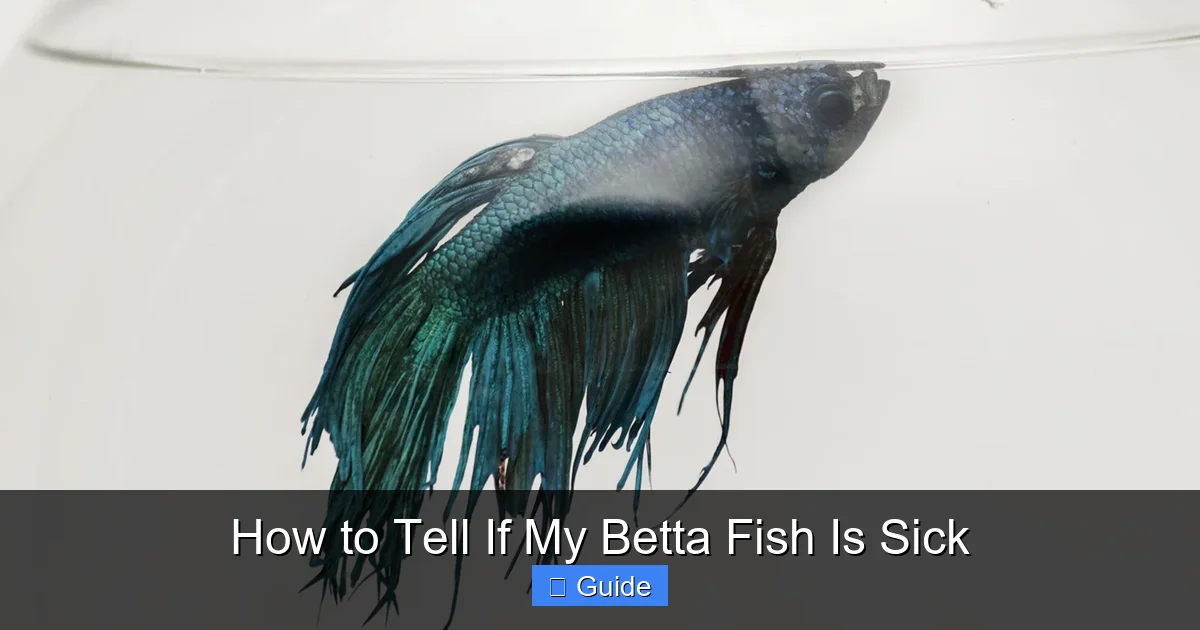
Knowing how to tell if your betta fish is sick is crucial for its survival. Look for key changes like lethargy (lying at the bottom), loss of appetite, faded or clamped fins, and visible spots, sores, or fuzzy growths. Water quality is the #1 cause of illness, so testing your tank water regularly is non-negotiable. Early detection through daily observation dramatically improves treatment outcomes and can save your fish’s life.
Key Takeaways
- Behavior is your first alarm: A healthy betta is active, curious, and flares its fins. Sudden lethargy, hiding, or loss of appetite are the most common early red flags.
- Inspect your fish daily: Make a habit of checking for physical changes like torn or clamped fins, body sores, white spots (ich), velvet (golden dust), or cotton-like fungus.
- Water quality is everything: Poor water parameters (ammonia, nitrite, nitrate) are the root cause of most betta sicknesses. Test your water weekly with a liquid test kit.
- Isolate new arrivals: Always quarantine new fish for at least 2-4 weeks in a separate tank to prevent introducing diseases to your main aquarium.
- Research before you treat: Misdiagnosis is common. Identify symptoms accurately and use specific medications (e.g., copper sulfate for velvet, malachite green for ich) rather than broad-spectrum “cure-alls.”
- Early intervention is critical: Bettas deteriorate quickly. At the first sign of illness, check water parameters, perform a partial water change, and research the specific condition immediately.
- Consult an aquatic vet when possible: For persistent or severe cases, a veterinarian specializing in fish can provide definitive diagnosis and prescription treatments.
📑 Table of Contents
- Introduction: Your Betta’s Health is in Your Hands
- Section 1: Behavioral Red Flags – The Silent Language of Sickness
- Section 2: Physical Symptoms – What to Look For During Your Daily Inspection
- Section 3: The Water Quality Connection – The Invisible Killer
- Section 4: A Field Guide to Common Betta Diseases
- Section 5: Quarantine and Treatment Protocol
- Section 6: When to Consult a Professional
- Conclusion: The Proactive Betta Keeper
Introduction: Your Betta’s Health is in Your Hands
Betta splendens, with their flowing fins and vibrant personalities, are captivating pets. But beneath that beautiful exterior lies a surprisingly delicate physiology. Bred for centuries for aggression and color, modern bettas often have weaker immune systems than their wild ancestors. This makes them highly susceptible to illness, especially in less-than-ideal tank conditions. As a responsible betta owner, one of the most vital skills you can learn is how to tell if your betta fish is sick. Unlike mammals, fish are masters at hiding weakness—a survival instinct from the wild where appearing sick means becoming prey. By the time you see obvious signs, the disease may be advanced. This guide will transform you from a concerned owner into a proactive health detective, arming you with the knowledge to spot problems early, understand what they mean, and take effective action.
We’ll move beyond vague advice. You’ll learn to decode specific behavioral shifts and physical symptoms, understand the critical link between water quality and disease, and get clear, actionable steps for common ailments. Remember, your daily, mindful observation is your betta’s best line of defense. Let’s begin.
Section 1: Behavioral Red Flags – The Silent Language of Sickness
Before you see a spot or a sore, you will likely see a change in how your betta moves and acts. Betta behavior is a direct window into their well-being. A healthy betta is a curious, interactive fish. It will flare its gills at its reflection or a new object, explore its territory, and rest on a plant leaf or the tank wall (this is normal!). Any significant deviation from this baseline is your first clue.

Visual guide about How to Tell If My Betta Fish Is Sick
Image source: wikihow.com
The Lethargic Betta: No Energy, No Interest
The most common and alarming sign is extreme lethargy. This isn’t the normal resting on a leaf. This is your betta spending 90% of its time motionless at the bottom of the tank, often propped against the substrate or a decoration. It may not respond to you approaching the glass. It won’t flare, won’t chase your finger, and shows zero curiosity. This can indicate severe stress, advanced internal infection, or critical water poisoning (high ammonia/nitrite). If your betta is lying on its side at the bottom and not moving for hours, this is a 9-1-1 emergency.
Loss of Appetite: The Picky Eater Turned Full-On Refuser
Bettas can be finicky, but a true loss of appetite is different. A healthy betta will eagerly attack its food. A sick betta will ignore food offered for several days in a row. It might sniff the pellet and swim away, or not even notice it. Sometimes, a betta will eat but then immediately spit the food out. While this can be due to constipation or swim bladder issues, it’s often a systemic sign of illness. Always rule out water quality first when appetite drops.
Erratic Swimming and Strange Positions
Watch how your betta moves. Is it swimming in frantic, uncontrolled circles? This can point to swim bladder disorder, neurological issues from infection, or severe water poisoning. Is it swimming vertically, bobbing up and down like a cork? This is often a sign of poor buoyancy control, again linked to swim bladder or internal parasites. Is it constantly rubbing or “flashing” against decorations or the tank wall? This intense itching is a classic sign of external parasites like flukes or severe fungal infection. These behaviors are your fish screaming that something is terribly wrong.
Hiding and Social Withdrawal
While some bettas are naturally shy, a previously outgoing fish that suddenly becomes a permanent cave-dweller is signaling distress. It will cram itself into the tightest corner or behind the filter, avoiding all light and activity. This is a classic stress response to poor water, bullying from tank mates (if in a community), or the onset of disease. Chronic hiding weakens the fish further and should never be ignored.
Section 2: Physical Symptoms – What to Look For During Your Daily Inspection
Behavior tells you *something* is wrong; a physical exam helps you identify *what*. Get in the habit of a quick, gentle visual check of your betta each day during feeding. Use a flashlight if needed. Look for these specific physical manifestations of disease.
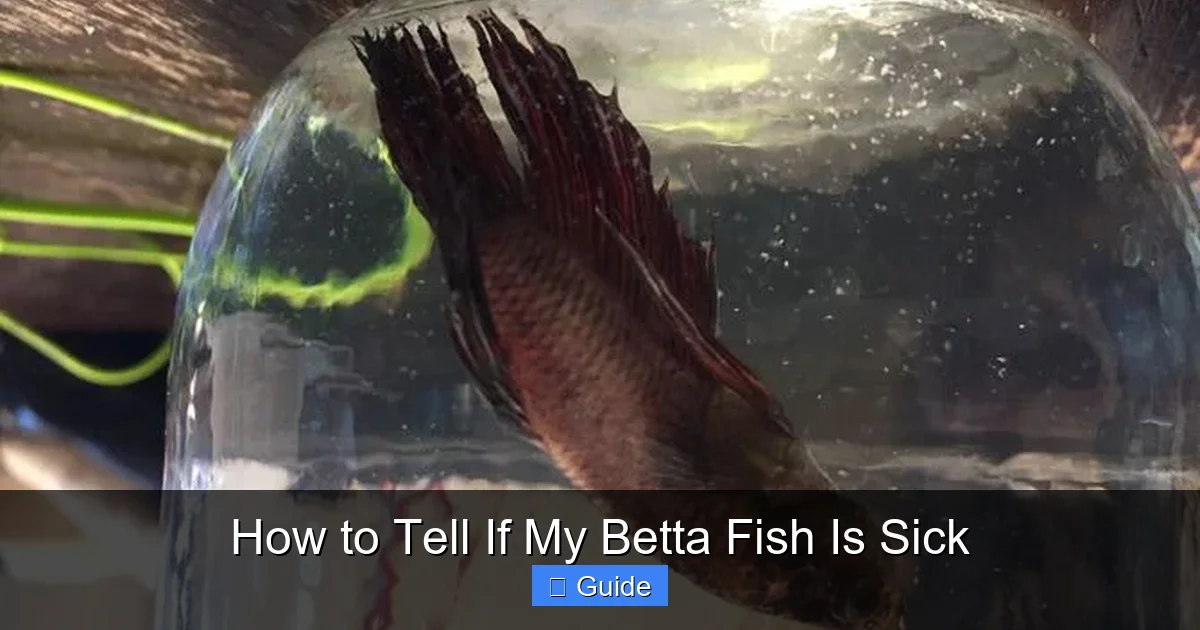
Visual guide about How to Tell If My Betta Fish Is Sick
Image source: wikihow.com
Fin Damage: The Canary in the Coal Mine
Betta fins are delicate and often the first place problems appear. Fin Rot is the most common. It starts as a small, jagged rip or a white, black, or red necrotic (dead) edge on the fin. It progressively eats away at the fin, making it look shredded and ragged. It’s usually bacterial and worsened by poor water. Fin Biting/Nipping is a self-inflicted injury due to stress, boredom, or overly long fins. You’ll see clean, straight tears, often on the caudal (tail) fin. Clamped Fins—where the fish holds all its fins tightly against its body—is a universal sign of severe stress or illness, not a specific disease but a critical symptom.
Body Sores, Lesions, and Bulges
Scan your betta’s body from head to tail for any abnormalities. Pimple-like bumps or open sores are often bacterial infections (like dropsy, though true dropsy is a symptom, not a disease) or parasites. Swelling or bulging eyes (pop-eye) can be a sign of bacterial infection, injury, or poor water. Raised scales or a “pinecone” appearance is the late, severe stage of dropsy, a symptom of kidney failure often caused by internal bacteria. A swollen abdomen can indicate constipation, internal parasites, or fluid buildup (dropsy).
Discoloration and Abnormal Markings
Color changes can be subtle or dramatic. Fading or dulling of your betta’s vibrant colors is a major red flag for stress or illness. White, salt-like spots covering the body and fins are the classic sign of Ich (Ichthyophthirius multifiliis). A fine, gold or rust-colored dust on the body that rubs off easily is Velvet (Oodinium). Gray or white fuzzy patches are fungal infections. Red streaks or bloody patches on the body or fins can indicate bacterial septicemia (blood poisoning) or severe ammonia burns. Dark, irregular blotches might be a sign of a viral disease or healing from an injury.
Gill and Eye Issues
Rapid, labored gill movement (much faster than normal) indicates respiratory distress, often from poor oxygen levels, gill parasites, or ammonia/nitrite poisoning. Look at the gill covers; are they red, inflamed, or covered in white growth? Cloudy, bulging, or popped eyes are serious symptoms, as noted above. Mucus or cottony growth on the gills is a severe sign of fungal or bacterial infection.
Section 3: The Water Quality Connection – The Invisible Killer
You cannot overstate the link between your betta’s health and the water it lives in. For a new owner, this is the single most important concept. Bettas are from slow-moving, warm, often low-oxygen waters in Southeast Asia. Their labyrinth organ allows them to breathe air, but they are still highly sensitive to dissolved toxins. Ammonia (NH3/NH4+) and nitrite (NO2-) are lethal poisons, even in small amounts. Nitrate (NO3-) is less toxic but causes chronic stress and susceptibility to disease at high levels. An uncycled tank, an overstocked tank, overfeeding, and inadequate filtration/water changes lead to toxic spikes.
How to Tell If Water Quality is Causing Sickness: The symptoms are often the “generic” ones: lethargy, gasping at the surface, loss of appetite, clamped fins, clamped gills, and red inflamed gills or body. If multiple fish in a community tank show similar symptoms simultaneously, water quality is the prime suspect. The solution is always the same: test your water with a reliable liquid test kit (like API Freshwater Master Test Kit), perform immediate 25-50% water changes with properly dechlorinated water, and ensure your tank is fully cycled before adding your betta. A cycled tank has beneficial bacteria that convert toxic ammonia to less harmful nitrate.
Section 4: A Field Guide to Common Betta Diseases
With your observation skills sharpened and water quality ruled in or out, you can start matching symptoms to common ailments. Here’s a breakdown.

Visual guide about How to Tell If My Betta Fish Is Sick
Image source: wikihow.com
Ich (White Spot Disease)
Symptoms: Distinctive tiny white cysts, like grains of salt, all over the body, fins, and gills. Fish will flash (rub against objects) due to intense itching. Lethargy and loss of appetite. Often triggered by a drop in temperature or stress.
Treatment: Raise temperature slowly to 82-84°F (28-29°C) to speed the parasite’s lifecycle. Use a dedicated ich treatment containing malachite green or copper sulfate (careful with invertebrates). Salt baths can help. Treatment must continue for at least a week after spots disappear to kill parasites in the water.
Velvet (Oodinium)
Symptoms: A fine, gold or rusty dust on the body, especially noticeable under a flashlight. Gills may be red and inflamed. Fish will flash, scratch, and become lethargic. Often mistaken for poor color or ich in early stages.
Treatment: Increase temperature to 82-84°F (28-29°C). Treat with copper-based medications (e.g., Cupramine) or velvet-specific remedies. Darken the tank (cover with a towel) as the parasite is light-sensitive. Treatment is lengthy, as the parasite has a complex lifecycle.
Fin Rot
Symptoms: As described, jagged, decaying fin edges that may be white, black, or red. Fins become shorter over time. Often a secondary infection from poor water or injury.
Treatment: First and most crucial: impeccable water quality. Perform daily 25% water changes. Use an antibacterial medication like Methylene Blue, Furan-2, or Kanamycin. Salt ( aquarium salt, not table salt) can be added at 1 tsp per gallon to help reduce stress and osmoregulate. Trim any severely rotted fin with sterilized scissors if needed.
Swim Bladder Disorder (SBD)
Symptoms: Difficulty maintaining depth. Fish may swim upside down, sideways, or sink to the bottom and struggle to rise. May float to the top and not be able to dive. Often linked to overfeeding (constipation) or bacterial infection.
Treatment: First, fast for 3 days to clear constipation. Then feed a cooked, skinned pea (the inside only) as a laxative. If no improvement, suspect bacterial infection and treat with a broad-spectrum antibiotic like Maracyn 2. Ensure water quality is pristine.
Section 5: Quarantine and Treatment Protocol
If you’ve identified a likely disease, your next steps are critical. Never add medication to a display tank with live plants or invertebrates (shrimp, snails) unless it’s explicitly safe—most are not. A hospital tank is essential.
Setting Up a Hospital Tank
You need a simple, bare setup: a small (2.5-5 gallon) tank with a heater (set to 80-82°F), a gentle sponge filter (easier to medicate in), and a lid (bettas jump). No substrate, no decorations that are hard to clean. Fill with water from your main tank (after testing it) or new, dechlorinated water. This tank is for treatment only; it does not need to be cycled because you will be doing daily 100% water changes during treatment.
The Treatment Process: Step-by-Step
1. Isolate: Gently net the sick betta into the hospital tank.
2. Medicate: Follow the medication dosage instructions exactly. Do not guess. Use a separate container for dosing if needed.
3. Water Changes: With most medications, you must perform 100% water changes every 24 hours, replacing the water with fresh, dechlorinated water at the same temperature, and re-dosing the medication. This removes waste and dilutes any medication byproducts.
4. Monitor: Watch closely for improvement or worsening. If the fish is stressed by handling or the medication (gasping, frantic), stop treatment and reconsider the diagnosis.
5. Complete the Course: Even if your fish looks better after 2 days, finish the full treatment course (usually 5-10 days) to eradicate the pathogen completely.
Section 6: When to Consult a Professional
Not every illness has a clear home remedy. If you’ve followed rigorous water maintenance, accurately identified symptoms, and used appropriate treatments for 7-10 days with no improvement, it’s time to seek expert help. Signs that warrant immediate professional attention include: extremely advanced dropsy (severe swelling), severe internal infections causing extreme bloating or sores, or neurological symptoms you cannot identify. Look for an aquatic veterinarian online—many offer consults via video and can ship prescription medications. While more costly, this is often the difference between life and death for a cherished pet.
Conclusion: The Proactive Betta Keeper
Learning how to tell if your betta fish is sick is not about becoming a paranoid worrier; it’s about becoming an attentive, knowledgeable caregiver. Your betta’s lifespan of 3-5 years (or more with excellent care) depends heavily on your vigilance. Integrate a quick daily visual check into your routine. Test your water weekly without fail. Understand that 90% of betta illnesses stem from environmental stress, primarily water quality. By mastering the behavioral and physical signs outlined here, you move from reacting to crises to preventing them. You build a bond of trust where your betta thrives, displaying its full, glorious personality. Remember, a healthy betta is a happy, interactive, and breathtakingly beautiful companion. Your watchful eye is the first and most powerful tool in keeping it that way.
Frequently Asked Questions
Can a betta fish recover from fin rot on its own?
No, fin rot will not resolve without intervention. It is a progressive bacterial infection that will continue to eat away at the fin tissue. However, the primary treatment is improving water quality through daily partial water changes. In very mild, early cases, immaculate water alone can sometimes halt progression, but antibacterial medication is usually required for a full recovery.
What’s the difference between ich and velvet?
Ich presents as distinct, individual white cysts that look like grains of salt and don’t rub off easily. Velvet appears as a fine, dusty gold or rust coating that can look like the fish’s color is changing; it may rub off slightly on your finger if you gently touch the fish. Ich is often triggered by cold water, while velvet thrives in warmer, stagnant conditions. Both require specific medications (copper-based treatments work for both, but ich also responds to malachite green).
Is it normal for my betta to lie on the bottom of the tank?
It depends. Bettas often rest on plant leaves or the tank wall near the surface. Lying listlessly on the substrate for extended periods, especially if combined with clamped fins and no movement, is not normal and is a major red flag for severe illness, poisoning, or swim bladder issues. Observe for other symptoms immediately.
How often should I be checking my betta for signs of sickness?
You should perform a brief visual health check every single day during feeding. Watch how it eats, its energy level, and do a quick scan of its fins and body. A more thorough inspection, checking for tiny spots, fin edges, and gill movement, should be done at least once a week. This daily habit is the key to early detection.
My betta’s color is fading. Is it sick?
Fading color is a very common but non-specific symptom of stress or illness. It can be caused by poor water quality, incorrect temperature, disease (like velvet or ich), or simply old age. It’s not a diagnosis in itself, but it’s a definite warning sign that you need to check all other parameters—water, behavior, and physical condition—immediately.
Can I use salt to treat all my betta’s diseases?
Aquarium salt (not table salt) is a helpful supportive treatment for many external bacterial and fungal infections like fin rot, and it can reduce osmotic stress. However, it is not a cure-all. It is ineffective against internal parasites, swim bladder disorders, and viral diseases. It also harms live plants and invertebrates (shrimp, snails). Use it specifically for its intended supportive role, not as a blanket cure.