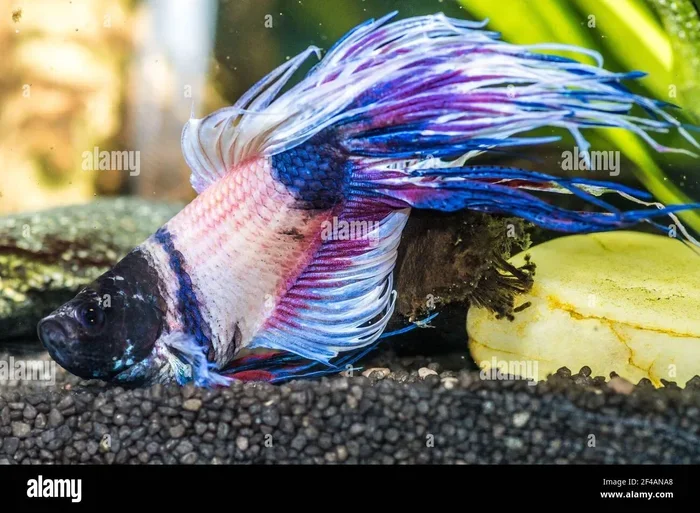
How to Tell the Age of a Male Betta Fish
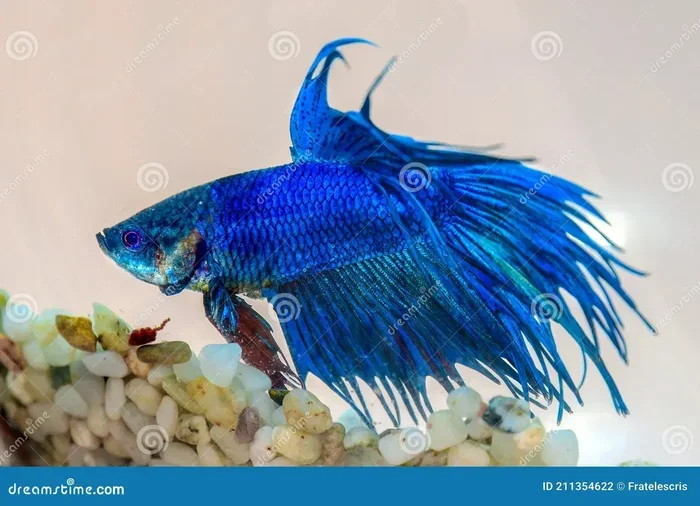
Figuring out how to tell the age of a male betta fish is easier than you think. By observing body size, fin length, color vibrancy, and activity levels, you can estimate your betta’s age with confidence. This guide covers every sign you need to look for, from growth stages to breeding behavior, so you can give your fish the best care at every age.
Have you ever looked at your male betta fish and wondered how old he really is? It is a common question among fish keepers, especially if you adopted your betta from a pet store without any background info. Learning how to tell the age of a male betta fish is a skill that every betta owner should develop. It helps you adjust care routines, spot health issues early, and understand what your fish is going through at each stage of life.
The good news is that you do not need special equipment or a biology degree. Your betta fish gives you plenty of clues every day. From the way his fins look to how active he is, there are clear signs that point to his approximate age. In this guide, we will walk you through every clue step by step, so you can confidently estimate your betta fish age and provide the best possible care.
Whether you just brought home a new betta or you have had your fish for a while, understanding his age helps you connect the dots between behavior, appearance, and health. Let us dive in and explore the physical and behavioral signs that reveal how old your male betta really is.
Key Takeaways
- Body size and shape change noticeably as a male betta fish ages, making it one of the easiest visual clues.
- Fin length and condition are strong indicators — younger bettas have shorter, fuller fins that lengthen with maturity.
- Color vibrancy and patterns shift over time, with younger fish often showing brighter, more vivid hues.
- Activity level and energy tend to decrease as a betta fish gets older, signaling the later stages of life.
- Breeding behavior like nest building and bubble nest construction typically appears only in mature male bettas.
- Tracking growth over time with photos and notes helps you estimate age more accurately than a single observation.
- Consulting a vet is always a good idea if you are unsure about your betta fish age or notice health changes.
📑 Table of Contents
- Why Knowing Your Male Betta Fish Age Matters
- Physical Signs That Reveal a Male Betta Fish’s Age
- Behavioral Clues to Determine Betta Fish Age
- How to Track Your Betta Fish Growth Over Time
- Common Mistakes When Estimating Betta Fish Age
- When to Consult a Vet About Your Betta’s Age and Health
- How Betta Fish Lifespan Connects to Age Estimation
- Quick Tips for Accurately Estimating Male Betta Fish Age
- Conclusion
Why Knowing Your Male Betta Fish Age Matters
Knowing the betta fish age of your male companion is not just trivia. It directly affects how you care for him. Different age groups have different needs. A young betta fish needs a diet that supports rapid growth, while an older betta benefits from easier-to-digest food and gentler water conditions.
Here is why age estimation matters so much:
- Diet adjustments: Younger bettas need more protein and frequent feedings to support growth. Older fish do better with smaller, less frequent meals.
- Water quality priorities: As bettas age, they become more sensitive to water parameter changes. Knowing their age helps you stay ahead of potential issues.
- Health monitoring: Certain health problems are more common at specific life stages. Age awareness helps you watch for the right warning signs.
- Breeding decisions: If you are thinking about breeding, you need to know whether your male betta is mature enough and healthy enough for the process.
- Tank setup changes: The ideal betta fish tank setup can shift depending on your fish’s age and activity level.
When you understand where your fish stands in his life cycle, you make smarter daily decisions. That is the real power of knowing your betta’s age.
Physical Signs That Reveal a Male Betta Fish’s Age
The most reliable way to estimate age is by looking at your fish’s physical appearance. Male bettas go through visible changes as they grow from juveniles to adults and eventually into their senior years. Let us break down the three main physical indicators.
Body Size and Shape
Young male betta fish are small and slender. A juvenile betta typically measures around 1 to 1.5 inches from nose to tail. By the time a male betta reaches full maturity at about 4 to 6 months old, he should be around 2.5 to 3 inches long.
As your betta ages past the one-year mark, you may notice subtle changes in body shape. Older male bettas can appear slightly more rounded or plumper in the belly area. Their bodies may also lose some of the sleek, streamlined look that younger fish have. These changes happen gradually, so comparing your fish to reference photos of different age groups helps a lot.
Keep in mind that body size also depends on genetics and diet. Some bettas are naturally larger than others. Use body size as one clue among several, not as the sole determinant of age.
Fin Length and Condition
Fin length is one of the most telling signs of a male betta fish age. Juvenile bettas have relatively short fins that look full and compact. As the fish matures, the fins grow longer and more dramatic. A mature male betta will have long, flowing fins that trail behind him as he swims.
In older bettas, you may notice changes in fin condition. Fins might become slightly ragged or develop small tears. This is a normal part of aging and does not necessarily mean something is wrong. However, if you see sudden fin damage or deterioration, it could signal a health issue that needs attention.
Here is a quick way to think about it:
- Under 3 months: Short, compact fins with a rounded appearance.
- 3 to 12 months: Fins growing longer, starting to show the characteristic betta elegance.
- 1 to 3 years: Full, long fins with vibrant color and smooth edges.
- 3 years and older: Fins may show minor wear, slight thinning, or slower regrowth if damaged.
Color Vibrancy and Patterns
One of the most exciting things about betta fish is their stunning colors. Young male bettas often display the most vibrant, intense coloration. Their hues pop and their patterns are sharp and well-defined. This is because young fish are at their biological peak in terms of pigment production.
As a betta ages, you may notice a gradual dulling of colors. The bright blues, reds, and greens can fade slightly, and patterns may become less distinct. Some older bettas also develop a lighter or whitish cast around their face and head area.
That said, color changes can also be caused by stress, poor water quality, or illness. So always check the water conditions in your betta fish tank before jumping to age-related conclusions. If the water parameters are stable and your fish still looks dull, age is likely a factor.
Behavioral Clues to Determine Betta Fish Age
Physical signs give you a lot of information, but behavior tells an equally important story. Male bettas go through distinct behavioral phases as they age, and watching your fish daily helps you piece together his approximate age.
Activity Level and Energy
Young male bettas are little bundles of energy. They swim actively around the tank, explore every corner, and react quickly to movement outside the tank. A juvenile or young adult betta fish is almost always on the move, especially during feeding time.
As bettas age, their activity level naturally decreases. An older male betta may spend more time resting near plants or decorations. He might swim more slowly and show less interest in exploring. This is completely normal and expected.
However, a sudden drop in activity is a red flag. If your normally active betta becomes lethargic overnight, check the water temperature and quality first. Betta fish health issues like ich or fin rot can also cause energy drops. Use the guide on treating stressed betta fish to rule out common stressors.
Breeding Behavior and Nest Building
One of the clearest signs that your male betta has reached sexual maturity is bubble nest building. Male bettas typically start building bubble nests when they are around 3 to 6 months old. This behavior is a strong indicator that your fish is at least a young adult.
A bubble nest looks like a cluster of tiny bubbles floating near the surface of the water. Some male bettas build elaborate nests, while others create small, simple ones. Both are perfectly normal and show that your betta is healthy and mature.
If your male betta has never built a bubble nest, that does not automatically mean he is old. Some males are less inclined to build nests, especially in tanks with strong surface water movement. But if you have had a young betta for over a year and he has never shown any breeding behavior, it may be worth checking if he is actually a female. Use our gender identification guide to confirm.
How to Track Your Betta Fish Growth Over Time
Estimating age becomes much easier when you track your betta’s growth over time. Think of it like keeping a baby photo album, but for your fish. Here is how to do it effectively.
- Take weekly photos: Snap a clear picture of your betta from the same angle every week. Over time, you will see changes in body size, fin length, and color that are hard to notice day to day.
- Keep a simple log: Jot down basic notes like feeding amounts, water temperature, and any notable behavior changes. This log becomes a valuable reference when you want to estimate age or spot trends.
- Use a growth chart: Compare your betta’s measurements against standard growth charts for male bettas. Most males reach full size by 6 to 8 months, so if your fish is still growing past that point, he is likely still young.
- Note behavioral milestones: Did your betta start building a bubble nest? Did he become less active? These milestones help narrow down the age range.
If you adopted your betta as an adult from a rescue or shelter, tracking from day one may not be possible. In that case, combine all the physical and behavioral clues we discussed above to make your best estimate. The age determination guide is also a helpful resource for visual comparisons.
Common Mistakes When Estimating Betta Fish Age
Even experienced fish keepers sometimes make mistakes when guessing a betta’s age. Here are the most common errors to avoid.
- Relying on a single sign: No one physical or behavioral clue gives you the full picture. Always combine multiple signs for a more accurate estimate.
- Ignoring genetics: Some betta breeds, like the crown tail or half moon, naturally have longer fins and different body shapes. These genetic differences can make age estimation trickier.
- Confusing stress with aging: A stressed betta may look dull, become lethargic, and lose appetite. Before assuming your fish is old, rule out stress and water quality issues first.
- Assuming all males develop the same way: Some male bettas mature faster than others. A 4-month-old betta might look like a 6-month-old, and that is perfectly normal.
- Overlooking diet impact: A well-fed betta may grow faster and look more vibrant than a poorly fed one. Diet affects appearance just as much as age does.
Avoiding these mistakes will sharpen your ability to estimate age and give you a more accurate understanding of where your fish stands in his life cycle.
When to Consult a Vet About Your Betta’s Age and Health
While you can estimate your betta fish age at home with good accuracy, there are times when professional guidance is valuable. If your betta shows sudden or severe changes in appearance or behavior, a veterinarian who specializes in fish can provide a thorough assessment.
Consider consulting a vet if you notice any of the following:
- Sudden, dramatic color loss that does not improve with better water conditions.
- Persistent lethargy that lasts more than a few days.
- Visible lumps, bumps, or unusual growths on the body.
- Fins that are deteriorating rapidly rather than showing gradual wear.
- Loss of appetite that continues for more than three days.
A vet can also help you determine the approximate age of a fish you rescued with no background information. They have experience examining bettas and can spot age-related changes that might be subtle to the untrained eye. For general betta care advice at any age, check out our complete guide on caring for male betta fish.
How Betta Fish Lifespan Connects to Age Estimation
Understanding the typical betta fish lifespan gives you context for age estimation. On average, male bettas live between 3 and 5 years with proper care. Some well-cared-for bettas have even been known to reach 5 to 7 years, but this is less common.
Here is a simple breakdown of what to expect at each life stage:
- 0 to 3 months: Juvenile stage. Rapid growth, short fins, high energy, and very vibrant colors.
- 3 to 12 months: Adolescence to young adulthood. Fins grow longer, colors deepen, and breeding behaviors may begin.
- 1 to 3 years: Full maturity. Your betta is at his peak in terms of size, color, and fin development.
- 3 to 5 years: Senior stage. Gradual decrease in activity, slight color fading, and slower fin regrowth.
- 5 years and older: Advanced age. Reduced appetite, more resting time, and increased sensitivity to water changes.
Keeping these stages in mind helps you place your fish on the timeline more accurately. If your betta is showing signs of the senior stage, you can adjust his care routine to keep him comfortable and happy in his later years.
Quick Tips for Accurately Estimating Male Betta Fish Age
- Always observe your betta in a well-lit environment to get accurate color and fin assessments.
- Compare your fish against photos of bettas at known ages for better reference points.
- Check water parameters regularly, since poor water quality can mimic aging symptoms.
- Take notes on behavior changes over several weeks, not just one day.
- Use a magnifying glass to inspect fin edges and body details more closely.
- If in doubt, consult the general betta age guide for additional visual references.
Conclusion
Learning how to tell the age of a male betta fish is a rewarding skill that strengthens your bond with your pet and improves his quality of life. By paying attention to body size, fin length, color vibrancy, activity level, and breeding behavior, you can estimate your betta’s age with reasonable accuracy. Combine multiple clues, avoid common mistakes, and track changes over time for the best results.
Remember that every betta fish is unique. Genetics, diet, and environment all play a role in how quickly or slowly your fish ages. The most important thing is that you now have the knowledge to read the signs your betta gives you every day. Use this understanding to tailor his care, catch potential issues early, and enjoy many happy years with your colorful companion.
Whether your betta is a young juvenile bursting with energy or a wise older fish with a calm, steady pace, knowing his age helps you be the best owner you can be. Start observing your betta more closely today, and you will be amazed at what you can learn.
Frequently Asked Questions
How can I tell if my male betta fish is a juvenile or an adult?
Juvenile male bettas are typically under 3 months old and have short, compact fins with a slender body. Adult males have longer, flowing fins, a slightly rounder body, and more intense coloration. You can also look for bubble nest building, which signals sexual maturity.
Comparing your fish to reference photos of bettas at different ages is one of the easiest ways to make this distinction. For more detailed guidance, check out our age identification guide for bettas.
What is the average lifespan of a male betta fish?
With proper care, male bettas typically live between 3 and 5 years. Some well-cared-for individuals can reach 5 to 7 years. Factors like water quality, diet, and tank conditions all influence how long your betta lives.
Regular water changes, a balanced diet, and a stress-free environment go a long way in helping your betta reach his full lifespan potential.
Can I determine a betta fish’s exact age?
It is very difficult to determine a betta fish’s exact age without records from the breeder or pet store. Most owners can only estimate age based on physical and behavioral clues. The goal is to get a reasonable range, not a precise number.
Using multiple signs together, tracking changes over time, and consulting with a fish vet can all improve your accuracy.
Why is my male betta fish losing color as he ages?
Color fading is a natural part of the aging process for betta fish. As they get older, pigment production decreases, which leads to duller colors. However, sudden color loss can also be caused by stress, illness, or poor water quality.
Always check your water parameters first. If the water is clean and stable, age-related color change is the most likely explanation.
Do older male betta fish need different care than younger ones?
Yes, older bettas benefit from some care adjustments. They do better with smaller, more frequent feedings that are easier to digest. Water changes should be consistent and gentle, and the tank should have plenty of resting spots near plants and decorations.
Keeping the water temperature stable and reducing sudden changes in the tank environment helps senior bettas stay comfortable.
Is bubble nest building a reliable sign of a male betta’s age?
Bubble nest building is a strong indicator that your male betta is at least a young adult, typically 3 months or older. However, not all males build nests, and some build them regardless of age once they reach maturity. It is one clue among many, not a definitive age marker on its own.
=== CONCLUSION ===
Now you know how to tell the age of a male betta fish using physical signs, behavioral clues, and growth tracking. From body size and fin length to color vibrancy and activity level, your betta gives you plenty of information every day. Use these tips to estimate his age, adjust his care, and enjoy a longer, happier life together.