How to Tell the Age of a Female Betta Fish

Wondering how old your female betta fish really is? By examining fin condition, scale patterns, coloration, and behavior, you can estimate her age with confidence. These easy steps help you provide the right care at every stage of her life.
Key Takeaways
- Fin wear indicates age: Older females show frayed or torn fin edges.
- Scale size and texture change over time: Younger bettas have smoother, tighter scales.
- Color intensity fades with age: Bright, vibrant hues are typical of juveniles.
- Behavior shifts as they mature: Activity levels and breeding signs help pinpoint age groups.
- Record keeping is essential: Logging hatch dates or purchase receipts gives the most accurate age.
- Health checks complement visual cues: Look for signs of aging‑related disease.
- Understanding lifespan guides care: Knowing the average life expectancy helps you plan nutrition and tank upgrades.
📑 Table of Contents
- Introduction: Why Knowing Your Female Betta’s Age Matters
- 1. Visual Clues: What Her Body Is Telling You
- 2. Behavioral Signs That Reveal Age
- 3. Practical Tools: Measuring and Documenting Age
- 4. Linking Age to Health and Care
- 5. Common Mistakes and How to Avoid Them
- Conclusion: Age Is Just One Piece of the Puzzle
Introduction: Why Knowing Your Female Betta’s Age Matters
When you first bring home a gorgeous female betta, it’s easy to get caught up in her dazzling colors and graceful fins. But beyond the beauty lies a practical question: how to tell the age of a female betta fish? Knowing her age isn’t just a trivia fact—it shapes feeding schedules, tank setup, and health monitoring. A young betta needs different nutrition and space than a senior that may be dealing with fin rot or slower growth.
In this friendly guide, we’ll walk you through the most reliable visual clues, simple measurement tricks, and record‑keeping habits that let you estimate age with confidence. Think of it as a conversation with a seasoned betta hobbyist who wants you to give your fish the best possible life.
1. Visual Clues: What Her Body Is Telling You
Fin Condition – The First Indicator
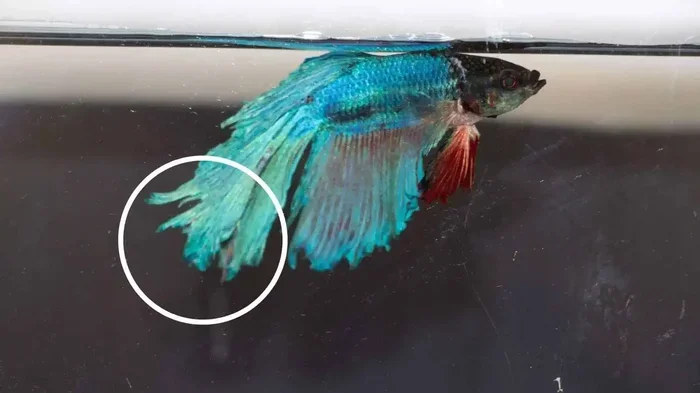
Female bettas are known for their flowing, fan‑shaped fins. When they’re young (under 6 months), the fin edges are crisp, smooth, and free of tears. As they age, you’ll start to notice:

Visual guide about How to Tell the Age of a Female Betta Fish
Image source: 24dbz.org
- Micro‑fraying along the edges.
- Small nicks or ragged tips.
- Reduced length—older fish often have slightly shorter fins due to wear.
These changes happen gradually, so compare your fish to photos of juvenile bettas (you can find many on reputable forums). If the fins look “well‑worn,” you’re likely looking at a betta older than a year.
Scale Texture and Size
Scale appearance is another reliable clue. Young females have tight, bright scales that reflect light like tiny mirrors. With age:
- Scales may become looser and appear slightly duller.
- The overall pattern can look less defined.
- Older bettas sometimes develop a faint “spot” pattern where scales have thinned.
Gently run a fingertip over a calm fish’s side (do not press). If the scales feel silky and firm, she’s likely under a year old.
Color Intensity and Pattern Shifts
Vibrancy is a hallmark of youth. Juvenile females often display bold reds, blues, or greens that seem to glow. As they mature:
- Colors may soften or become pastel‑like.
- Metallic sheens can fade to a more matte finish.
- Some breeds develop “age spots”—tiny, darker patches on the body.
These shifts are subtle, so use a well‑lit environment to compare. If the hues look muted, you’re probably looking at a betta in her second or third year.
Body Shape and Size
Female bettas grow quickly during the first six months, reaching about 2.5–3 inches (6–7.5 cm) in length. After that, growth slows. If your fish is noticeably larger than 3 inches, she’s likely over a year old. However, genetics and tank conditions also affect size, so use this clue alongside others.
2. Behavioral Signs That Reveal Age
Activity Levels
Young bettas are energetic—constantly exploring, flaring fins, and darting around the tank. Older females may become more sedentary, preferring to rest near the surface or on decorations. A noticeable drop in activity can signal a fish entering her second year.

Visual guide about How to Tell the Age of a Female Betta Fish
Image source: i.ytimg.com
Breeding Behavior
Females typically reach sexual maturity around 4–6 months. If you observe a female displaying a “gravid” belly (full of eggs) or showing interest in a male’s bubble nest, she’s at least half a year old. Repeated breeding cycles over several months also indicate an older adult.
Feeding Habits
Junior bettas have voracious appetites and will eagerly chase flakes. Senior fish may eat more slowly, preferring larger pellets or frozen foods. A change in feeding speed can be another age indicator.
3. Practical Tools: Measuring and Documenting Age
Keeping a Hatch Log
The most accurate way to know a fish’s age is to record the hatch date or purchase receipt. If you bought your female betta from a reputable breeder, ask for the exact hatch date. Store this information in a simple spreadsheet:

Visual guide about How to Tell the Age of a Female Betta Fish
Image source: nippyfish.net
Date Purchased | Hatch Approx. | Notes (fin condition, color)
Even if you don’t have the exact date, noting the month you acquired her helps you estimate later.
Using a Simple Scale Chart
Create a visual chart with pictures of bettas at various life stages (you can find free images online). Place a small photo of your fish beside the chart to compare fin wear, color, and size. Update the chart annually to track changes.
Weight Checks (Optional)
While not essential, weighing a betta with a tiny digital scale can give clues. Juveniles weigh around 0.2 g, while mature females can reach 0.3–0.4 g. The difference is slight, so use this method only if you’re comfortable handling the fish.
4. Linking Age to Health and Care
Nutrition Adjustments
Young females thrive on high‑protein foods such as brine shrimp or specialized betta fry pellets. As they age, incorporate more varied diets—blended pellets, occasional frozen foods, and a small amount of vegetable matter (like peas) to support digestion.
Tank Environment
Older bettas benefit from a stable environment:
- Maintain water temperature at 78–80°F (25.5–26.5°C).
- Keep water parameters stable—pH 6.5–7.5, ammonia 0 ppm.
- Provide gentle water flow; seniors dislike strong currents.
For a deeper dive on tank setup, see our guide on how to set up a tank for a betta fish.
Health Monitoring
Age‑related issues include fin rot, fungal growth, and reduced immune response. Conduct weekly checks for:
- Discoloration or spots on fins.
- Unusual lethargy.
- Changes in appetite.
If you spot problems, act quickly—treat with appropriate medication and improve water quality. Learn more about disease signs in our article how to tell if a betta fish is dying.
5. Common Mistakes and How to Avoid Them
Relying on a Single Indicator
Never judge age based solely on one factor, like fin length. Combine visual, behavioral, and record‑keeping clues for a balanced estimate.
Assuming All Females Age the Same Way
Different betta strains (e.g., Halfmoon, Crowntail) have unique fin structures, which can affect how wear appears. Adjust your expectations based on the specific variety.
Ignoring Environmental Impacts
Poor water quality can accelerate fin wear and color fading, making a young fish look older. Regular water changes and proper filtration are essential for accurate age assessment.
Conclusion: Age Is Just One Piece of the Puzzle
Now you have a toolbox of visual cues, behavior checks, and practical records to answer the question how to tell the age of a female betta fish. Remember, age estimation is not an exact science, but by observing fins, scales, color, activity, and keeping good notes, you’ll get a reliable picture of her life stage. This knowledge lets you tailor nutrition, tank conditions, and health care, ensuring your betta enjoys a happy, healthy journey from juvenile sparkle to graceful senior elegance.
For more comprehensive care tips, explore our beginner’s guide how to take care of a betta fish for beginners and discover the typical lifespan of these fascinating creatures in what is the lifespan of a betta fish. With patience and observation, you’ll become a pro at reading your female betta’s story—one fin at a time.
Frequently Asked Questions
How can I estimate the age of a female betta without a purchase receipt?
Look at fin wear, scale texture, color intensity, and behavior. Combining these clues gives a reasonable age range, especially when cross‑referenced with typical growth timelines.
Do male and female bettas age differently?
Both sexes show similar aging signs, but males often have longer, more elaborate fins that may show wear sooner. Female bettas usually have shorter fins, so fraying may be less obvious.
Can diet affect how my betta ages?
Yes. A high‑quality, protein‑rich diet supports healthy growth and vibrant colors, which can delay the fading that often accompanies aging.
What is the average lifespan of a female betta?
With proper care, female bettas typically live 3–5 years, though some can reach 6 years or more.
How often should I check my betta’s fins for age‑related wear?
Inspect fins weekly during routine tank maintenance. Early detection of fraying helps you adjust care before serious issues develop.
Is there a quick test to confirm my betta’s age?
No single test exists, but maintaining a log of purchase date, visual changes, and health notes provides the most accurate age estimate over time.