How Do U Care for a Betta Fish

Learning how do u care for a betta fish is easier than you think. This guide covers everything from tank setup and feeding to water quality and health tips. You will find simple, actionable steps to keep your betta fish happy and healthy for years.
Key Takeaways
- Tank Size Matters: A minimum 5-gallon tank gives your betta room to thrive and stay active.
- Water Quality Is Critical: Regular water changes and proper cycling prevent illness and stress.
- Feed in Moderation: Overfeeding is one of the most common mistakes betta owners make.
- Monitor Temperature: Keeping water between 76-82°F supports your betta’s immune system and energy levels.
- Watch for Warning Signs: Early detection of disease leads to faster treatment and better outcomes.
📑 Table of Contents
How Do U Care for a Betta Fish
Betta fish are some of the most beautiful and fascinating pets you can keep at home. Their vibrant colors and flowing fins make them stand out in any room. But many people underestimate what it takes to keep them healthy. If you have ever wondered how do u care for a betta fish properly, you are in the right place.
Taking care of a betta fish involves more than just filling a bowl with water and dropping in a fish. These creatures need the right environment, a balanced diet, and regular attention to stay happy. The good news is that once you understand the basics, it becomes second nature. This guide walks you through every essential step.
Whether you are a complete beginner or have had bettas before but want to improve your routine, this article has something for you. We will cover tank setup, feeding schedules, water maintenance, and common health issues. By the end, you will feel confident and ready to give your betta the best life possible.
Understanding Your Betta Fish
Before you set up a tank, it helps to understand what makes bettas tick. Betta fish, also known as Siamese fighting fish, originally come from the warm, shallow waters of Southeast Asia. They are labyrinth fish, which means they can breathe air from the surface. This unique trait is why you often see them gulp air at the top of the tank.
Bettas are territorial by nature. Male bettas especially should never be housed together. They will fight, and the results can be fatal. Female bettas can sometimes live together in groups, but this requires careful planning. Understanding your fish’s natural behavior helps you create a habitat that feels safe and comfortable.
The average betta fish lifespan ranges from three to five years. With excellent care, some bettas live even longer. Your daily habits make a huge difference in how long and how well your fish lives. Small consistent actions add up over time.
Why Proper Care Matters
Many people buy bettas on impulse. They see a stunning fish in a pet store and bring it home without preparation. This is how problems start. A betta kept in poor conditions will become stressed, which weakens its immune system. A weak immune system leads to disease.
Proper betta fish care prevents most common problems. When you provide clean water, the right temperature, and good food, your fish thrives. A well-cared-for betta displays bright colors, active swimming, and a healthy appetite. These are clear signs that your care routine is working.
Setting Up the Perfect Tank
The tank you choose sets the foundation for your betta’s entire life. Many beginners start with tiny bowls or vases. While bettas can survive in small spaces, they do not thrive in them. A cramped environment causes stress, stunts growth, and shortens lifespan.
Choosing the Right Tank Size
The minimum recommended tank size for a single betta is five gallons. A larger tank gives you more room for error when it comes to water chemistry. It also provides space for your betta to explore and swim freely. Think of it this way, would you want to live in a closet your whole life?
Here are some general tank size guidelines:
- 1-3 gallons: Only acceptable for temporary housing or quarantine. Not ideal for long-term care.
- 5 gallons: The sweet spot for a single betta. Easy to manage and maintain.
- 10 gallons or more: Excellent for bettas who want more swimming room. Great for community tanks with peaceful tank mates.
Essential Tank Equipment
Every betta tank needs a few key pieces of equipment. A filter keeps the water clean by removing waste and toxins. Choose a filter with a gentle flow, since bettas do not like strong currents. A sponge filter works great for this purpose.
An aquarium heater is another must-have. Bettas are tropical fish and need warm water. The ideal temperature range is between 76 and 82 degrees Fahrenheit. A thermometer helps you monitor the temperature daily. Without a heater, your betta becomes sluggish and vulnerable to illness.
You will also want some basic decorations. Plants, caves, and smooth rocks give your betta places to hide and explore. Live plants are especially beneficial because they help absorb nitrates and produce oxygen. Just make sure any decorations have smooth edges to protect your betta’s delicate fins.
Feeding Your Betta Fish
Feeding seems simple, but it is one of the areas where most betta owners go wrong. Overfeeding is extremely common and can cause serious health problems. A bloated betta is an unhappy betta. Understanding what and how much to feed makes a big difference.
What to Feed Your Betta
Bettas are carnivorous fish. They need a diet high in protein. The best food options include:
- Betta pellets: Specially formulated to meet your fish’s nutritional needs. Look for high-quality brands with real fish meal as the first ingredient.
- Frozen or live foods: Bloodworms, brine shrimp, and daphnia are excellent treats. They mimic what bettas eat in the wild.
- Betta flakes: These work in a pinch but are not as nutritious as pellets. Use them sparingly.
Variety is key to a healthy diet. Rotating between pellets and frozen or live foods keeps your betta interested and well-nourished. For more specific feeding guidance, check out how much do u feed a betta fish to get the portions right.
How Often and How Much
Feed your betta two small meals per day. Each meal should be about the size of your betta’s eyeball. This is roughly two to four pellets per feeding. Some owners skip a day once a week, which helps the digestive system reset.
Watch your betta during feeding time. If it stops eating, remove the uneaten food within five minutes. Leftover food decays in the water and pollutes the tank. A clean feeding routine keeps the water quality high and your fish healthy.
Maintaining Water Quality
Clean water is the single most important factor in betta care. Poor water quality causes stress, disease, and early death. Keeping the water pristine does not have to be complicated, but it does require consistency.
The Nitrogen Cycle Explained
Before you add your betta to a tank, you need to cycle it first. Cycling means building beneficial bacteria that break down toxic ammonia. Ammonia comes from fish waste and uneaten food. In a cycled tank, these bacteria convert ammonia into nitrite and then into nitrate.
Nitrate is much less harmful and can be managed through regular water changes. If you skip the cycling process, ammonia builds up quickly and can kill your betta within days. For a step-by-step walkthrough, read how to do a fish in cycle with betta for detailed instructions.
Water Changes and Parameters
Perform a 25 to 50 percent water change every week. This removes excess nitrates and keeps the environment fresh. Always use a water conditioner to neutralize chlorine and chloramine from tap water. These chemicals are harmless to humans but toxic to fish.
Test your water parameters regularly with a liquid test kit. Key readings to watch include:
- Ammonia: Should be 0 ppm (parts per million).
- Nitrite: Should be 0 ppm.
- Nitrate: Should be below 20 ppm.
- pH: Ideally between 6.5 and 7.5.
For a detailed walkthrough on this process, see how to do a water change for betta fish. Keeping up with water changes is the easiest way to prevent problems before they start.
Keeping Your Betta Healthy
Even with the best care, bettas can sometimes get sick. Knowing the signs of common illness helps you act fast. Early intervention often means the difference between a quick recovery and a tragic loss.
Common Betta Fish Illnesses
Here are the most frequently seen health problems in bettas:
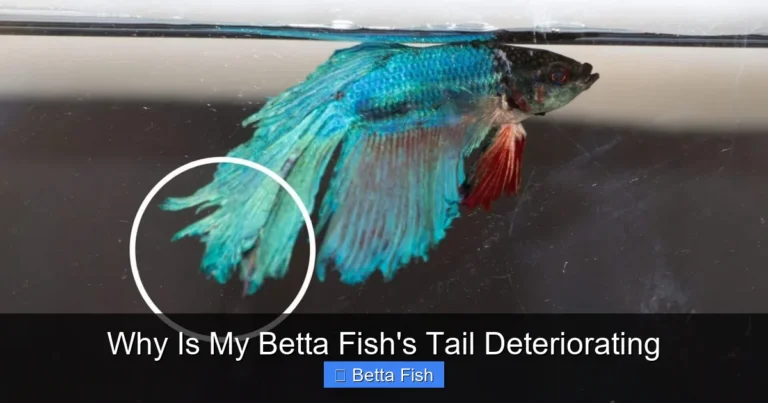
- Fin rot: Frayed or discolored fins caused by bacterial infection. Often linked to poor water quality.
- Ich (white spot disease): Small white spots on the body and fins. Caused by a parasite and triggered by stress or temperature changes.
- Swim bladder disease: Difficulty maintaining buoyancy. Usually caused by overfeeding or constipation.
- Fungal infections: Cotton-like growths on the body. These appear when the fish is weakened.
Prevention and Treatment
The best medicine is prevention. Clean water, a proper diet, and a stress-free environment keep most illnesses at bay. Quarantine any new fish before adding them to your main tank. This prevents the spread of disease.
If your betta does get sick, act quickly. Move it to a separate hospital tank if possible. Raise the temperature slightly to around 82 degrees Fahrenheit, which helps fight certain infections. For bacterial issues, aquarium salt baths can be very effective. Learn more about salt baths in how to do a salt bath for betta fish.
Signs of a Healthy Betta
A healthy betta displays bright, vivid colors and flowing fins. It swims actively and responds to its surroundings. A healthy appetite is another strong indicator. If you notice your betta hiding, refusing food, or showing dull colors, something is wrong. Check the water parameters first, as poor water quality is the root cause of most issues.
Common Mistakes to Avoid
Every betta owner makes mistakes, especially when starting out. Learning from common errors saves you time, money, and heartache. Here are the pitfalls to watch out for.
Mistake 1: Keeping Your Betta in a Tiny Bowl
The image of a betta in a small vase on a desk is everywhere. But this is not proper care. Bettas need space, filtration, and heating just like any other fish. A bowl might keep your fish alive, but it will not help it thrive.
Mistake 2: Overfeeding
Bettas have small stomachs. It is easy to overfeed, especially when your fish comes swimming to the front of the tank looking hungry. Remember, a betta’s stomach is roughly the size of its eye. Feed small amounts twice a day and skip one day per week.
Mistake 3: Ignoring Water Changes
Some owners think that if the water looks clear, it is fine. This is not true. Invisible toxins like ammonia and nitrite can build up even in crystal-clear water. Stick to your weekly water change schedule no matter what.
Mistake 4: Skipping the Tank Cycle
Adding your betta to an uncycled tank is one of the fastest ways to cause harm. The ammonia spike that occurs in a new tank can be lethal. Always cycle your tank for at least four to six weeks before introducing your fish. Patience here pays off enormously.
Quick Tips for Better Betta Care
Here are some fast, practical tips to elevate your betta care routine:
- Always let tap water sit for 24 hours or use a conditioner before adding it to the tank.
- Place the tank in a quiet area away from direct sunlight and drafts.
- Observe your betta daily for any changes in behavior, color, or appetite.
- Keep a log of water parameters and feeding schedules to spot trends early.
- Use a gentle filter to avoid strong currents that stress your betta out.
- Add floating plants to give your betta a natural resting spot near the surface.
Following these simple habits consistently will set you apart from most betta owners. Your fish will reward you with vibrant colors, energetic swimming, and a long, healthy life. For more in-depth guidance on daily care routines, visit how do you care for a betta fish for additional tips and best practices.
Conclusion
Caring for a betta fish does not have to be overwhelming. With the right tank, proper feeding, clean water, and regular observation, you can give your betta everything it needs to thrive. The key is consistency and attention to detail. Small daily actions create a thriving environment where your betta can live its best life.
Remember, every betta is different. Pay attention to your individual fish and adjust your routine as needed. If you stay curious and keep learning, you will become a confident and capable betta owner. Start applying these tips today and watch your betta fish flourish.
For more information on specific care topics, explore how do you care for a betta fish to deepen your understanding and build a stronger bond with your fish. Happy fishkeeping!
Frequently Asked Questions
How often should I feed my betta fish?
Feed your betta two small meals per day, about the size of its eyeball each time. Many experts also recommend skipping one feeding day per week to help digestion. For more details on feeding frequency, check out how often do you feed a betta fish.
What size tank does a betta fish need?
A minimum 5-gallon tank is recommended for a single betta. Larger tanks, such as 10 gallons or more, provide even better water stability and swimming space. Avoid keeping bettas in bowls smaller than 3 gallons for long-term care.
How do I know if my betta fish is sick?
Watch for signs like dull colors, clamped fins, loss of appetite, unusual swimming behavior, or white spots on the body. These are common indicators of illness. Early detection and treatment greatly improve recovery chances.
Can betta fish live with other fish?
Male bettas should never be housed with other male bettas. They can sometimes live with peaceful community fish in larger tanks. Female bettas may be kept in small groups with proper setup. Always research compatibility before adding tank mates.
Do betta fish need a heater?
Yes, bettas are tropical fish and need a heater to maintain stable water temperatures between 76 and 82 degrees Fahrenheit. Temperature fluctuations cause stress and weaken the immune system. A reliable aquarium heater is essential equipment.
How often should I do a water change?
Perform a 25 to 50 percent water change every week for a well-maintained betta tank. Larger tanks may need less frequent changes, but weekly maintenance is ideal. Always use a water conditioner to treat tap water before adding it to the tank. For step-by-step instructions, read how to do a water change for betta fish.
=== CONCLUSION ===
Learning how do u care for a betta fish is a rewarding journey that starts with the basics and grows from there. You now have the knowledge to set up a proper tank, feed your betta correctly, maintain water quality, and spot health issues early. These skills will serve you well no matter how many bettas you keep in the future.
The most important takeaway is consistency. Small, regular actions like weekly water changes and proper feeding create a stable, healthy environment. Your betta fish will thank you with vibrant colors, active behavior, and a long, happy life. Start today, stay patient, and enjoy the process of becoming a better fish owner.