How to Take Care of a Betta Male Fish

Keeping a male betta happy is easier than you think. Follow our friendly guide on tank setup, diet, water care, and health monitoring to enjoy a vibrant, healthy betta male fish for years.
Key Takeaways
- Tank size matters: A 5‑gallon (or larger) filtered tank gives your male betta room to swim and stay healthy.
- Water quality is king: Keep temperature at 78‑80°F, pH 6.5‑7.5, and change 25‑30% of water weekly.
- Balanced diet: Offer high‑quality pellets, occasional frozen foods, and a pea once a week.
- Watch the fins: Early signs of fin rot or disease can be treated quickly with proper care.
- Stress reduction: Provide hiding spots, limit reflections, and avoid aggressive tank mates.
- Regular monitoring: Check behavior, appetite, and water parameters at least twice a week.
- Know the gender: Male bettas have longer, flowing fins and a pointed dorsal; learn more here.
📑 Table of Contents
Introduction: Why Male Bettas Deserve Special Care
If you’ve ever watched a male betta flare its fins in a burst of color, you know these fish are true show‑stoppers. Their bright scales and dramatic personalities make them a favorite for beginners and seasoned hobbyists alike. But “easy” does not mean “no work.” A male betta’s health hinges on a few simple, consistent habits.
In this guide we’ll walk through everything you need to know about how to take care of a betta male fish—from choosing the right home to feeding, health checks, and even a little breeding insight. Think of it as a chat over coffee with a friend who just got a new finned roommate.
1. Setting Up the Perfect Home
Choosing the Right Tank
The myth that a betta can live forever in a tiny bowl is outdated. A minimum of 5 gallons provides enough water volume to maintain stable parameters and gives your male betta space to explore. If you have room, a 10‑gallon tank is even better and allows you to add live plants or a gentle filter.
When you’re ready to buy a tank, look for:
- Clear glass or acrylic for good visibility.
- A lid or mesh cover to prevent jumping (male bettas love to leap).
- Space for decorations without overcrowding.
Filtration and Heating
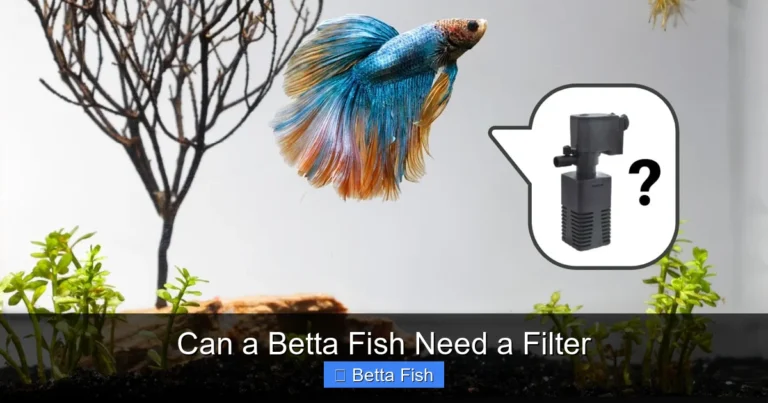
Male bettas prefer calm water, so choose a low‑flow sponge filter or a gentle hang‑on‑back (HOB) filter. The flow should not push the fish constantly; you can adjust the output with a spray bar or a pre‑filter sponge.
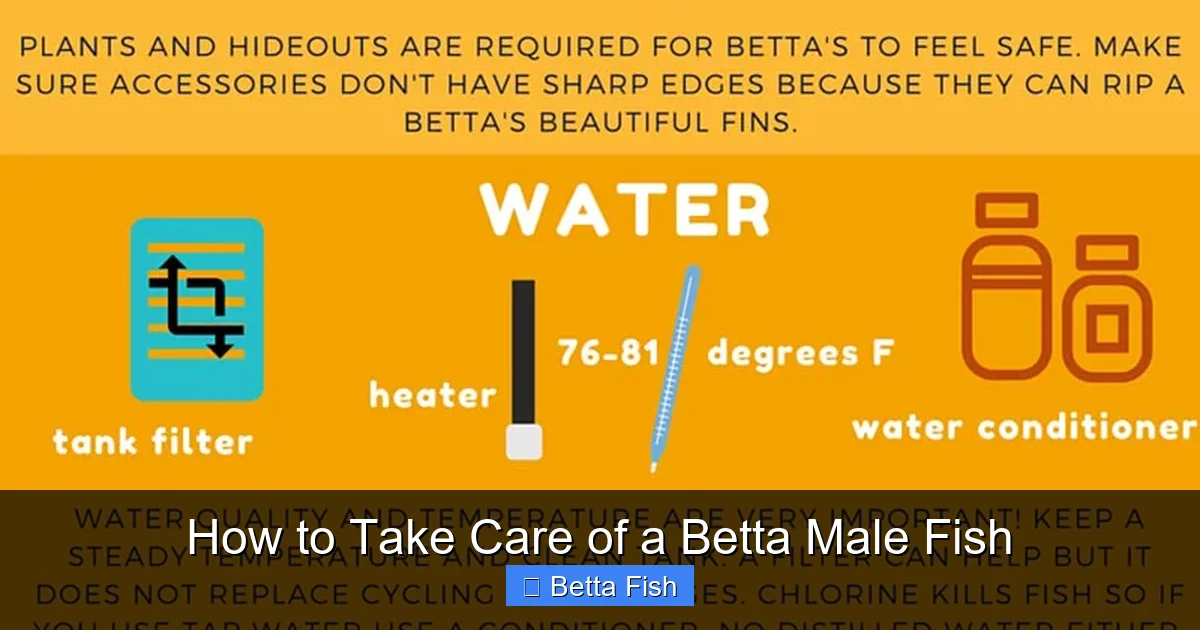
Temperature is critical. Use an aquarium heater set to 78‑80°F (25‑27°C). A reliable thermostat prevents dangerous spikes. If you’re in a cooler climate, a heater with an automatic shut‑off is a smart investment.
Substrate, Plants, and Hides
A soft substrate such as fine sand or smooth gravel protects delicate fins. Live plants like Java fern, Anubias, or Marimo moss balls not only look great but also improve water quality by absorbing nitrates.
Male bettas love to claim territory, so add a few hiding spots—caves, driftwood, or ceramic pots. These give your fish a place to rest and reduce stress.
Lighting
Provide a regular day/night cycle with 8‑10 hours of gentle LED light. Avoid bright, direct lighting that can stress the fish. A timer makes it effortless.
Water Conditioning
Tap water contains chlorine and chloramine that are toxic to fish. Use a water conditioner to neutralize these chemicals before adding water to the tank. This step is essential for any new setup.
2. Mastering Water Quality
Understanding the Nitrogen Cycle
Even a small betta tank goes through the same nitrogen cycle as larger systems: ammonia → nitrite → nitrate. When you first set up the tank, run the filter for at least 24 hours, then add a small amount of fish food to start the cycle. Test kits will tell you when ammonia and nitrite drop to zero and nitrates rise modestly.

Visual guide about How to Take Care of a Betta Male Fish
Image source: butiao.com
If you need a quick start, you can use a commercial “cycle starter” product, but patience is the best teacher.
Testing and Maintaining Parameters
Check the following at least twice a week:
- Temperature: 78‑80°F.
- pH: 6.5‑7.5.
- Ammonia & Nitrite: 0 ppm.
- Nitrate: Below 20 ppm (ideal is under 10 ppm).
Invest in a digital thermometer and a liquid test kit for accuracy. Recording results in a simple notebook helps you spot trends.
Weekly Water Changes
Change 25‑30% of the water** each week**. Use a siphon to remove debris from the substrate, then refill with conditioned water that matches the tank temperature. This routine removes excess nitrates and keeps the environment fresh.
Dealing with Common Water Problems
If you notice cloudy water, it’s usually a bacterial bloom. Perform a partial water change and reduce feeding for a day. Persistent cloudiness may mean a filter cleaning is needed.
For algae control, limit the light period, avoid overfeeding, and consider adding a few algae‑eating shrimp (only if your betta tolerates them).
3. Feeding Your Male Betta Properly
What to Feed
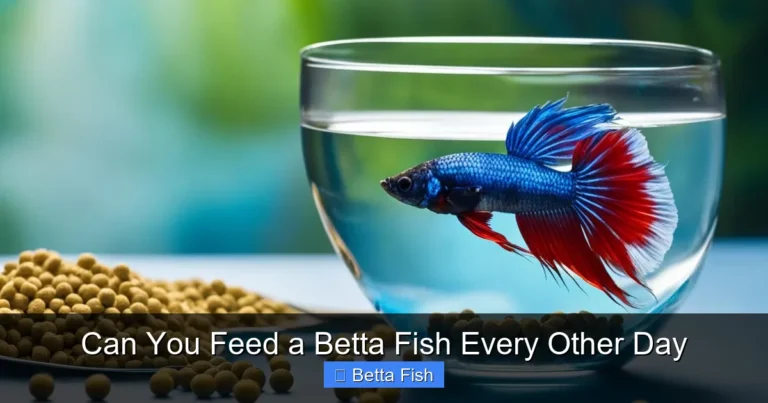
High‑quality betta pellets should make up the bulk of the diet. Look for pellets with at least 40% protein and no artificial fillers. Feed 2‑3 pellets once or twice a day, adjusting the amount so the fish eats it within 2‑3 minutes.
Visual guide about How to Take Care of a Betta Male Fish
Image source: bettafish.org
Supplement with:
- Frozen or live brine shrimp or daphnia (once or twice a week).
- A peeled, boiled pea (once a week) to aid digestion.
- Occasional bloodworms for a treat.
Feeding Tips to Prevent Overeating
Male bettas can become obese if overfed. Remove any uneaten food after 3‑5 minutes to keep water quality high. If you’re away, use an automatic feeder set to a small portion.
Encouraging a Picky Eater
If your betta refuses food, try “soaking” pellets in a few drops of tank water for 30 seconds to release scent. Warm the food slightly (room temperature) – cold food can be less appealing.
When to Adjust the Diet
During breeding season, increase protein with more live foods. If your betta is recovering from illness, softer foods like finely mashed pellets or baby brine shrimp are easier on the gut.
4. Health and Wellness Checks
Daily Observations
Spend a few minutes each day watching your male betta. Healthy signs include:
- Bright, fully extended fins.
- Active swimming and occasional surface breathing.
- Steady appetite.
- Clear eyes and intact scales.
Common Health Issues
Fin rot: Edges become ragged, white spots appear. Treat with a mild antibacterial medication and improve water quality.
Ich (white spot disease): Tiny white dots on the body. Raise temperature to 82°F and add a copper‑based treatment.
Swim bladder problems: Fish floats upside down or has trouble staying upright. Fast a pea to relieve constipation, and ensure the tank isn’t over‑crowded.
When to Seek Help
If you notice loss of color, frayed fins, or lethargy lasting more than 48 hours, consult a reputable aquarium vet or an experienced betta community. Early intervention saves lives.
Preventive Care
Regular water changes, a balanced diet, and a stress‑free environment are the best preventatives. For more detailed health advice, see our article on how to fix a sick betta fish.
5. Managing Stress and Enrichment
Minimizing Reflections
Male bettas often mistake their reflection for a rival, leading to constant flaring. Place the tank away from windows or use a dark background on the opposite side of the tank.
Tank Mates—Yes or No?
Most male bettas are territorial. If you want companions, choose peaceful, bottom‑dwelling species like Corydoras catfish or small shrimp, and ensure the tank is at least 10 gallons with plenty of hiding spots. However, many owners keep a single male betta to avoid aggression altogether.
Enrichment Activities
Rotate decorations every few weeks to give your fish new “territories” to explore. A floating mirror for a brief 5‑minute session can stimulate natural flaring behavior, but use it sparingly to avoid chronic stress.
Breeding Basics (Optional)
If you ever decide to breed, you’ll need a separate breeding tank, a “bubble nest” container, and a female betta. The male will build a nest on the water surface and guard the eggs. For a full guide, read how to mate a betta fish.
6. Routine Maintenance Checklist
Weekly Tasks
- Test water parameters (pH, ammonia, nitrite, nitrate).
- Perform a 25‑30% water change.
- Clean the substrate with a siphon.
- Trim dead plant leaves.
- Check filter media; rinse if dirty.
Monthly Tasks
- Deep clean the tank glass.
- Replace filter cartridges (if applicable).
- Inspect décor for sharp edges that could tear fins.
- Review feeding schedule and adjust portions.
Seasonal Considerations
In colder months, double‑check heater performance. In summer, ensure the room temperature doesn’t exceed 85°F, which can cause overheating even with a heater set lower.
Conclusion: A Happy Betta Is Within Reach
Taking care of a male betta fish isn’t rocket science; it’s about consistency, observation, and a little love. By providing a proper tank, stable water, a balanced diet, and regular health checks, you’ll enjoy the vivid colors and lively personality of your betta for many years. Remember, each fish is unique—listen to yours, adjust as needed, and you’ll become a confident betta keeper in no time.
Frequently Asked Questions
How often should I change the water for my male betta?
Change 25‑30% of the water weekly. This keeps nitrate levels low and mimics a natural environment.
Can I keep a male betta with other fish?
Only in a larger (10‑gallon or bigger) tank with very peaceful, non‑fin‑nipping species. Many owners prefer a single male to avoid aggression.
What is the best temperature for a male betta?
Maintain a stable temperature between 78‑80°F (25‑27°C) using a reliable heater and thermometer.
Why is my betta’s fins turning brown?
Brown or frayed fins often indicate fin rot, usually caused by poor water quality. Improve filtration, do a water change, and treat with a mild antibacterial medication.
How can I tell if my betta is stressed?
Signs of stress include constant flaring at reflections, loss of color, hiding for long periods, and loss of appetite.
Do male bettas need a bubble nest?
Only when breeding. A healthy male will build a bubble nest on the surface of a calm, warm tank to protect eggs.