Wondering if a sucker‑mouth fish can share a tank with your betta? While some peaceful algae eaters get along, many sucker‑mouth species are too large or aggressive for a betta’s delicate nature. This guide breaks down the key factors—size, temperament, water needs—and offers practical steps to create a safe, thriving community.
Key Takeaways
- Size matters: Most sucker‑mouth fish outgrow bettas quickly, leading to stress and possible injury.
- Temperament is critical: Peaceful algae eaters like the otocinclus may coexist, but larger suckers often become territorial.
- Water parameters must match: Both species prefer warm, slightly acidic water, but flow rates and tank size differ.
- Tank size is non‑negotiable: A minimum of 20 gallons is recommended to give each fish enough space.
- Introduce slowly and monitor: Use a divider or a “quarantine” period to watch for aggression.
- Consider alternatives: If a sucker‑mouth isn’t a fit, small “peaceful” tank mates like neon tetras or snails work better.
- Regular maintenance: Keep water clean and provide plenty of hiding spots to reduce stress.
📑 Table of Contents
- Introduction: The Betta’s World and the Sucker‑Mouth Mystery
- Understanding Sucker‑Mouth Fish
- Betta Fish Basics: What They Need to Thrive
- Compatibility Check: Can a Sucker Mouth Fish Live with a Betta?
- Setting Up the Perfect Community Tank
- Alternative Tank Mates for Bettas
- Conclusion: Make an Informed Decision
- Further Reading
Introduction: The Betta’s World and the Sucker‑Mouth Mystery
Betta fish, also known as Siamese fighting fish, are famous for their vivid colors and feisty personalities. Many hobbyists love the idea of a community tank, but the question always comes up: can a sucker mouth fish live with a betta fish? The answer isn’t a simple yes or no. It depends on the species of sucker‑mouth fish, the size of the tank, and how you manage the environment.
In this article we’ll walk through everything you need to know— from the biology of sucker‑mouth fish to practical set‑up tips—so you can decide whether they’re a good match for your betta. By the end, you’ll have a clear roadmap for creating a peaceful, healthy aquarium.
Understanding Sucker‑Mouth Fish
What are sucker‑mouth fish?
Sucker‑mouth fish are a diverse group of bottom‑dwelling species that have a specialized oral disc. This disc helps them cling to rocks, driftwood, and glass while they graze on algae, bio‑film, and detritus. Popular examples include:
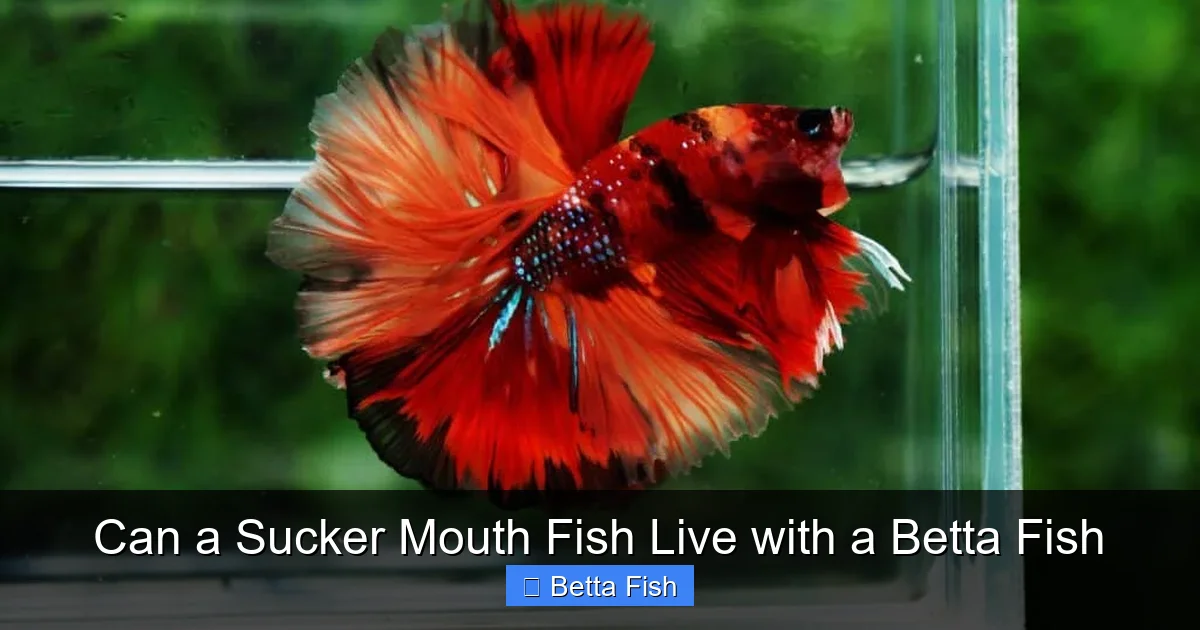
Visual guide about Can a Sucker Mouth Fish Live with a Betta Fish
Image source: nicebettathailand.com
- Otocinclus catfish (often called “oto” or “dwarf sucker”) – tiny, peaceful algae eaters.
- Plecostomus (common pleco) – larger, robust algae scrubbers.
- Chinese algae eater (Gyrinocheilus aymonieri) – fast swimmers with a strong suction disc.
Each has different size potentials and temperaments, which directly affect compatibility with a betta.
Size and growth patterns
Otocinclus stay under 2 inches, making them a potential tank mate for a betta in a well‑planted tank. In contrast, a common pleco can reach 12‑18 inches, quickly dwarfing a betta and creating a visual dominance that can stress the betta.
Temperament and behavior
Most sucker‑mouth fish are non‑aggressive, but they can become territorial when space is limited. Larger species may also chase smaller fish, including bettas, especially if they feel their feeding area is threatened.
Betta Fish Basics: What They Need to Thrive
Temperature, pH, and water flow
Bettas thrive in water that is 76‑82 °F (24‑28 °C) with a pH of 6.5‑7.5. They prefer gentle water flow because strong currents can stress their delicate fins.
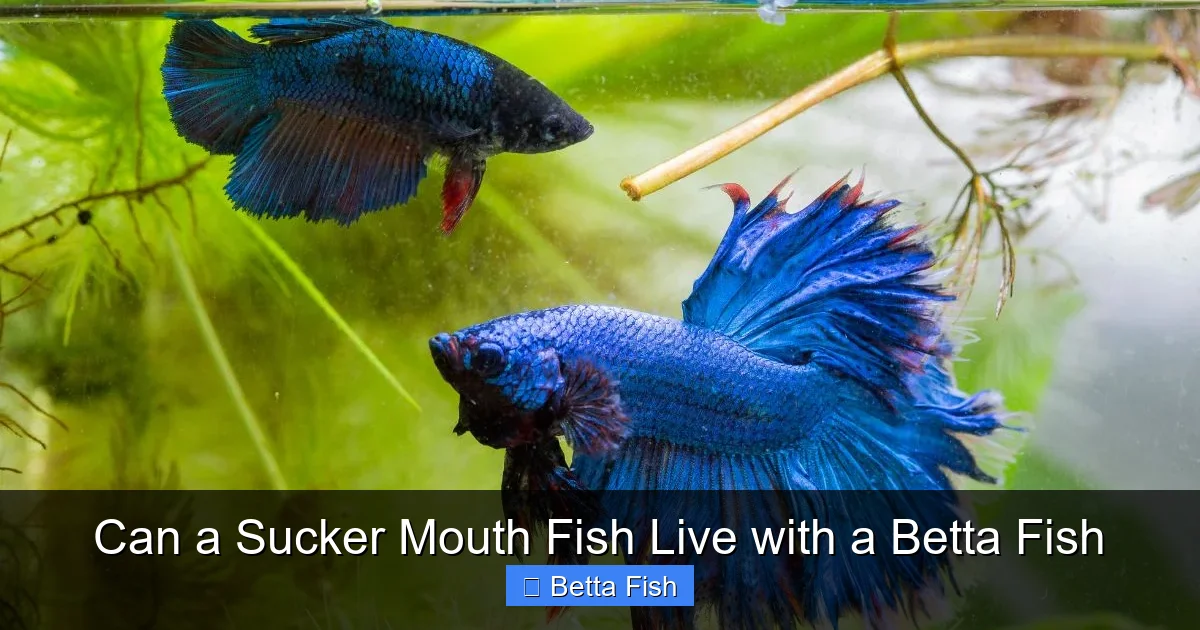
Visual guide about Can a Sucker Mouth Fish Live with a Betta Fish
Image source: housedpet.com
Territorial instincts
Male bettas, in particular, guard a small area and will flare at any fish that resembles a rival—especially those with bright colors or long fins. Female bettas are generally less aggressive but still need space.
Tank size recommendations
While a single betta can survive in a 5‑gallon tank, a community setup with any other fish, including sucker‑mouths, should be at least 20 gallons. More space means less stress for both parties.
Compatibility Check: Can a Sucker Mouth Fish Live with a Betta?
When it works
Compatibility is possible under specific conditions:
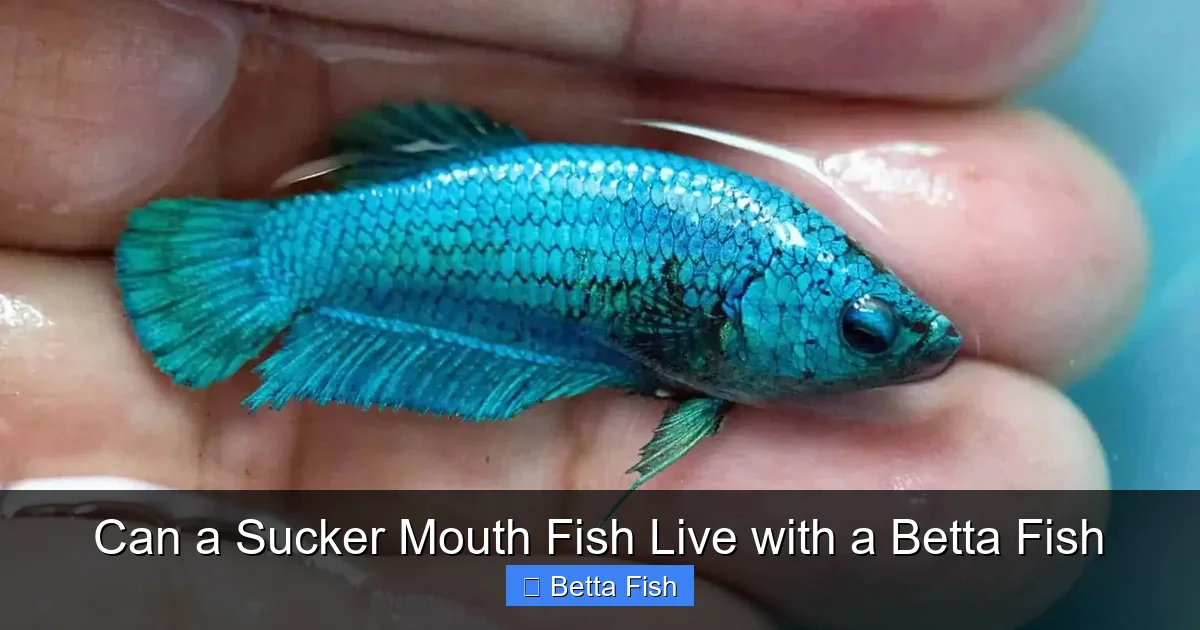
Visual guide about Can a Sucker Mouth Fish Live with a Betta Fish
Image source: bettasource.com
- Species selection: Small, peaceful suckers like otocinclus.
- Tank size: Minimum 20 gallons with plenty of hiding spots.
- Water parameters: Matching temperature and pH for both species.
- Introduction method: Use a divider or a slow acclimation process.
When it doesn’t work
Problems arise with larger or more active suckers:
- Common plecos quickly outgrow the tank and can dominate the space.
- Chinese algae eaters are fast swimmers that may nip at a betta’s fins.
- Any sucker that requires strong water flow can stress a betta.
Real‑world example
One hobbyist reported success keeping a group of three otocinclus with a male betta in a 30‑gallon, heavily planted tank. The betta ignored the otos, and the otos helped control algae, creating a win‑win situation. Conversely, another keeper tried a 10‑gallon tank with a pleco and a betta; the pleco grew quickly, stole food, and the betta became lethargic and pale.
Setting Up the Perfect Community Tank
Choosing the right tank
Start with a 20‑gallon long or a 30‑gallon tank. A longer tank provides more horizontal swimming space, which is beneficial for both species.
Decor and hiding places
Live plants, driftwood, and smooth rocks give the betta places to rest and the sucker‑mouth fish surfaces to graze. Ensure any decorations have no sharp edges that could tear fins.
Water flow and filtration
Use a gentle sponge filter or a low‑flow hang‑on‑back filter. This provides biological filtration without creating a strong current that could stress the betta.
Feeding strategy
- Betta: High‑quality pellets or frozen bloodworms, fed twice daily.
- Sucker‑mouth: Algae wafers, blanched vegetables (zucchini, spinach), and occasional protein for otos.
Feed the betta first, then add the sucker‑mouth food a few minutes later to reduce competition.
Acclimation and introduction
Use the “drip acclimation” method: float the bag in the tank for 15 minutes, then slowly drip tank water into the bag over an hour. Once acclimated, release the sucker‑mouth into a separate section of the tank or a breeder box for a few days before full integration.
Monitoring and troubleshooting
Watch for signs of stress:
- Betta: faded colors, clamped fins, loss of appetite.
- Sucker: hiding constantly, not grazing, ragged fins.
If aggression occurs, consider a barrier or rehoming the less compatible fish.
Alternative Tank Mates for Bettas
If a sucker‑mouth fish isn’t the right fit, there are many other peaceful companions:
- Neon tetras (small schools, non‑aggressive).
- Harlequin rasboras (colorful, mid‑level swimmers).
- Snails such as nerite or mystery snails (help with algae).
- Freshwater shrimp like cherry shrimp (tiny, mostly surface dwellers).
These options often coexist more easily with bettas and can still help with algae control.
Conclusion: Make an Informed Decision
So, can a sucker mouth fish live with a betta fish? The short answer is: it depends. Small, peaceful suckers like otocinclus can share a well‑planted, spacious tank, while larger or more active suckers usually create conflict. By matching water conditions, providing ample space, and monitoring behavior, you can give both fish the best chance at a harmonious life.
Remember to start small, observe closely, and be ready to adjust or rehome if needed. A thriving community tank is rewarding, but it requires careful planning and a willingness to adapt.
Further Reading
For more ideas on compatible tank mates, check out our articles on what fish can live with a betta, can a betta fish live with other fish, and can a betta fish live with an algae eater. These resources dive deeper into species selection and tank setup tips.
Frequently Asked Questions
Can a male betta live with any sucker‑mouth fish?
Only the smallest, most peaceful suckers—like otocinclus—are usually safe. Larger suckers often outgrow the tank or become territorial.
Do sucker‑mouth fish need stronger water flow than bettas?
Most sucker‑mouths prefer gentle flow, similar to bettas. Avoid high‑output filters that create strong currents.
How long should I keep the fish separated before full integration?
A minimum of 48‑72 hours in a breeder box lets you watch for aggression before opening the barrier.
What signs indicate my betta is stressed by a new tank mate?
Look for faded colors, clamped fins, frequent hiding, or reduced feeding. Act quickly to reduce stress.
Can I keep more than one sucker‑mouth fish with a betta?
Yes, a small group of otocinclus works well. Keep the total bioload in mind and ensure the tank is adequately filtered.
Is it okay to feed the betta and sucker‑mouth fish at the same time?
Feed the betta first, then add the algae wafers or vegetables a few minutes later to avoid competition.

