How to Tell Sex of Betta Fish Crowntail
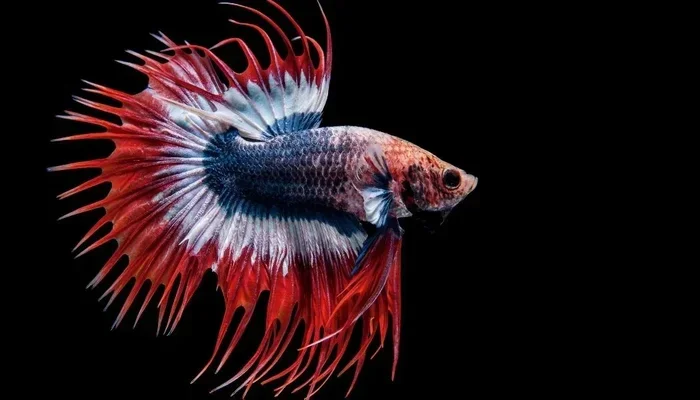
Figuring out how to tell sex of betta fish crowntail is easier than most fish keepers think. Male crowntail bettas have longer, more dramatic fins and brighter colors, while females are smaller with shorter fins and a visible egg spot. This guide walks you through every physical and behavioral clue so you can confidently identify the gender of your crowntail betta.
The crowntail betta is one of the most stunning fish you can keep in a home aquarium. Those dramatic, spiky fins make every single fish look like a tiny underwater warrior. But here is the thing — if you have two or more crowntails, or if you just want to know what you are working with, you need to figure out how to tell sex of betta fish crowntail. It is not as hard as it sounds, and once you know what to look for, it becomes second nature.
Knowing the sex of your betta fish matters for a lot of reasons. Maybe you want to breed them. Maybe you just want to avoid fights in the same tank. Or maybe you are curious about the fish you bought from the pet store. Whatever your reason, this guide covers everything you need to know about identifying male and female crowntail bettas.
If you have been struggling to figure out whether your crowntail is a boy or a girl, you are in the right place. We will break down every physical trait, behavioral clue, and practical tip you need. Let us dive in.
Key Takeaways
- Fin length and shape are the biggest giveaways: Males have long, flowing fins while females keep theirs short and neat.
- Color intensity differs between sexes: Males display more vibrant and saturated colors compared to females.
- Look for the egg spot on females: A small white dot near the vent is a clear sign of a female betta.
- Body shape tells a story: Males have a more streamlined body, while females appear rounder, especially when carrying eggs.
- Behavioral differences help confirm gender: Males build bubble nests and show more aggression.
- Age matters for accurate identification: Wait until your crowntail is at least 2-3 months old before trying to determine sex.
- When in doubt, compare side by side: Looking at a male and female together makes the differences much easier to spot.
📑 Table of Contents
- What Makes a Crowntail Betta Special
- Physical Differences Between Male and Female Crowntail Bettas
- Behavioral Clues to Identify Gender
- Common Mistakes When Sexing Crowntail Bettas
- Tips for Accurate Sexing
- Why Knowing the Sex Matters for Betta Care
- When to Seek Help from a Vet or Expert
- Final Thoughts
What Makes a Crowntail Betta Special
Before we get into the details of sexing, it helps to understand what sets the crowntail apart. The crowntail betta gets its name from the unique shape of its fins. The webbing between the fin rays recedes, giving the fins a spiky, crown-like appearance. This feature is present in both males and females, but males take it to the next level.
Male crowntail bettas have extremely long fin extensions that can be two or three times the length of their body. The rays spread out dramatically, creating that signature crown look. Females have the same fin shape, but the extensions are much shorter and less dramatic.
If you are new to betta keeping, you might want to check out our guide on how to take care of a betta fish for general care tips that apply to both sexes.
Physical Differences Between Male and Female Crowntail Bettas
This is where the real work happens. When you learn how to tell sex of betta fish crowntail, the physical differences are your first and best clues. Let us break them down one by one.
Fin Length and Shape
The fins are the most obvious difference. Male crowntail bettas have long, sweeping fins that trail behind them as they swim. The dorsal fin, anal fin, and caudal (tail) fin all extend far beyond the body. A male’s fin length can reach up to three times his body length.
Females, on the other hand, have much shorter fins. Their fins still have that beautiful crown shape, but they sit closer to the body. This difference becomes more noticeable as the fish matures, usually around 2 to 3 months of age.
Here is a quick comparison to help you visualize the differences:
- Male fins: Long, flowing, dramatic extensions. The caudal fin spreads wide with distinct ray extensions.
- Female fins: Short, neat, and close to the body. The crowntail pattern is still visible but less pronounced.
Body Shape and Size
Body shape is another reliable clue when you are trying to determine how to tell sex of betta fish crowntail. Males tend to have a slim, streamlined body shape. They look sleek and athletic when they swim.
Females have a rounder, fuller body, especially around the belly area. This is because females carry eggs, and their bodies are designed to accommodate them. When a female is ready to breed, her belly becomes noticeably rounder and larger. From above, a female crowntail often looks wider than a male of the same age.
In terms of overall size, females are usually slightly smaller than males. A mature male crowntail can grow to about 2.5 to 3 inches, while females typically stay around 2 to 2.5 inches. But these are averages, and individual fish can vary.
Color Intensity and Patterns
Color is a big part of the crowntail’s appeal, and it also plays a role in sexing. Male crowntail bettas generally display more intense, saturated colors. Their reds are deeper, their blues are brighter, and their patterns are more vivid. This is because males evolved to be more colorful to attract mates.
Females tend to have more muted colors. Their hues are softer, and their patterns are less dramatic. That said, some females can still be quite colorful, especially when they are in breeding condition or feeling stressed.
If you want to enhance your betta’s natural colors, check out our guide on how to enhance the color of betta fish for proven tips.
The Egg Spot
This is one of the most reliable indicators of a female betta fish. The egg spot, also called the ovipositor, is a small white or light-colored dot located near the vent (the opening on the underside of the fish). It is where eggs will eventually come out during spawning.
Males do not have an egg spot. If you see a small white dot near the underside of your crowntail, there is a very good chance you are looking at a female. However, be careful not to confuse the egg spot with other markings. Look for a single, distinct dot rather than a pattern or a smudge.
Sometimes, the egg spot is hard to see, especially on darker-colored fish. Use a flashlight or look at your fish from below the tank to get a better view.
Behavioral Clues to Identify Gender
Physical traits are great, but behavior can also help you figure out how to tell sex of betta fish crowntail. Bettas are full of personality, and their actions often give away their gender.
Bubble Nest Building
One of the most telltale signs of a male betta is bubble nest building. Males create floating clusters of bubbles at the surface of the water. These nests are a sign that the male is ready to breed and is feeling comfortable in his environment.
Females do not build bubble nests. If you see a bunch of bubbles gathered at the top of your tank, you almost certainly have a male on your hands. Some males build impressive nests that can cover a large portion of the water surface, while others build smaller, more modest ones.
Flaring and Aggression
Male bettas are known for their flaring behavior. They will spread their gills and fins wide to look bigger and more intimidating. This happens when they see another male, a reflection in the glass, or even their own shadow. Males flare more frequently and more aggressively than females.
Females do flare, but it is usually less dramatic and less frequent. Female bettas can also be territorial, especially when kept in groups, but their aggression tends to be less intense than a male’s.
Breeding Behavior
If you are trying to breed your crowntail bettas, you will notice some very specific behaviors. The male will build a bubble nest and then try to court the female. He will wrap his body around hers in a process called spawning. The female will release eggs, and the male will fertilize them and place them in the bubble nest.
Watching this behavior is one of the most exciting parts of betta keeping, but it is only possible if you have correctly identified the sex of your fish. If you are unsure, refer back to the physical differences we covered earlier.
Common Mistakes When Sexing Crowntail Bettas
Even experienced fish keepers make mistakes when trying to figure out how to tell sex of betta fish crowntail. Here are some common pitfalls to avoid.
Relying on Color Alone
Some people assume that the brightest, most colorful fish must be male. While this is often true, it is not a rule. Some females can be surprisingly colorful, especially young ones or those in breeding condition. Always combine color observation with other physical and behavioral clues.
Checking Too Early
Baby betta fish do not show clear gender differences until they are at least 2 to 3 months old. If you try to sex a very young crowntail, you will likely guess wrong. Wait until your fish has fully developed its fins and body shape before making a determination.
If you are caring for a young betta, you might want to read our article on are baby betta fish hard to take care of for helpful advice.
Confusing Fin Shape with Fin Damage
Crowntail fins have a unique spiky appearance, and sometimes new fish keepers mistake fin damage or fin rot for a natural fin shape. Healthy crowntail fins should have clean, distinct ray extensions. If the fins look ragged, torn, or discolored, your fish might be sick rather than displaying normal fin characteristics.
Assuming All Females Look the Same
Female bettas vary widely in appearance. Some females have relatively long fins, while others have very short ones. Some are brightly colored, while others are dull. Do not use a single trait to make your determination. Look at the big picture.
Tips for Accurate Sexing
Now that you know the differences, here are some practical tips to help you sex your crowntail betta accurately.
- Observe from multiple angles. Look at your fish from the side, from above, and from below. Different views reveal different features, especially the egg spot and body shape.
- Use good lighting. Bright lighting makes colors and markings easier to see. A flashlight can help you spot the egg spot or examine fin details.
- Compare with reference images. Look at pictures of confirmed male and female crowntail bettas side by side. This trains your eye to notice the subtle differences.
- Be patient. Wait until your fish is mature before making a final determination. Rushing the process leads to mistakes.
- When in doubt, consult an expert. If you are still unsure, ask a knowledgeable fish store employee or post a photo in a betta fish forum. The community is usually very helpful.
Why Knowing the Sex Matters for Betta Care
Understanding how to tell sex of betta fish crowntail is not just a fun party trick. It has real implications for how you care for your fish.
Tank setup: Males should never be housed together. They will fight, and the results can be deadly. Females can sometimes be kept in small groups called sororities, but this requires careful planning and a large enough tank.
Breeding: If you plan to breed your crowntail bettas, you need to know which fish are male and which are female. Breeding two males or two females will not produce offspring.
Health monitoring: Females are more prone to certain conditions like egg binding, which happens when they cannot release their eggs. Knowing your fish is female helps you watch for these specific health issues.
For more general care advice, check out our article on how to properly take care of betta fish to make sure you are giving your crowntail the best life possible.
When to Seek Help from a Vet or Expert
Sometimes, despite your best efforts, you simply cannot tell the sex of your crowntail betta. This is completely normal, especially with young fish or fish with unusual traits. If you are truly stuck, do not hesitate to seek help.
A knowledgeable fish veterinarian can examine your fish and give you a definitive answer. Many online betta communities are also happy to help. Simply post a clear photo and describe what you have observed. Someone in the community will likely be able to help you determine the sex of your fish.
Final Thoughts
Learning how to tell sex of betta fish crowntail is a rewarding skill that every betta keeper should develop. The differences between males and females are clear once you know what to look for. Fin length, body shape, color intensity, the egg spot, and behavior all point toward the correct answer.
Remember to wait until your fish is mature before making a determination, and never rely on just one trait. Combine multiple clues for the most accurate result. And if you ever feel unsure, the betta fish community is always ready to help.
Whether you have a stunning male crowntail with flowing fins or a beautifully colored female, knowing your fish’s sex helps you provide better care. It also opens the door to breeding if that is something you are interested in pursuing.
Take your time, observe your fish closely, and enjoy the process. The crowntail betta is a remarkable fish, and understanding its gender is just one more way to deepen your connection with your aquatic companion.
Frequently Asked Questions
Can you tell the sex of a baby crowntail betta?
It is very difficult to sex a baby crowntail betta accurately. The physical differences between males and females do not become clear until the fish is about 2 to 3 months old. If you have a very young fish, wait until it matures before trying to determine its sex.
Do female crowntail bettas have long fins too?
Some female crowntail bettas can have relatively long fins, but they are almost always shorter and less dramatic than a male’s fins. The key difference is that males have much longer fin extensions and a more pronounced crown shape.
What is the fastest way to tell if a crowntail betta is male or female?
The fastest way is to look for the egg spot on the underside of the fish. If you see a small white dot near the vent, it is a female. Males do not have this spot. Next, look at the fin length — long, flowing fins usually indicate a male.
Can two female crowntail bettas live together?
Yes, female crowntail bettas can sometimes be kept in groups called sororities, but this requires a tank of at least 10 gallons with plenty of hiding spots and plants. Not all females get along, so watch for signs of aggression and be prepared to separate them if needed.
Why does my male crowntail build bubbles at the top of the tank?
Male bettas build bubble nests as a sign that they are ready to breed and feel safe in their environment. This is a completely natural behavior and is actually a good sign that your fish is healthy and happy.
Do crowntail bettas change color as they grow?
Yes, crowntail bettas can change color as they mature. Males often develop more intense and vibrant colors as they reach adulthood, while females may remain more subdued. Color changes can also happen in response to stress, illness, or breeding condition.