How to Tell the Age of Betta Fish
Figuring out how to tell the age of betta fish is simpler than most fish keepers think. You can spot key clues in their color, fin length, body shape, and activity level. This guide walks you through every sign so you can estimate your betta’s age with confidence.
Key Takeaways
- Color Changes: Young bettas have bright, vivid colors that may fade or shift as they age.
- Fin Condition: Fins may shorten or show wear over time, giving a clear age indicator.
- Body Shape: Younger bettas are sleek and slim, while older ones may appear rounder or bulkier.
- Activity Level: Energy drops naturally with age, so a less active betta may be older.
- Behavioral Shifts: Changes in feeding habits and response to stimuli can hint at age.
- No Exact Method: There is no single perfect way to determine age, but combining clues gives the best estimate.
📑 Table of Contents
- How to Tell the Age of Betta Fish
- Why Knowing Your Betta’s Age Matters
- Visual Clues: Color and Appearance
- Fin Condition as an Age Indicator
- Body Shape and Size Clues
- Behavioral Signs of Aging
- Other Clues and Factors to Consider
- Common Mistakes People Make When Estimating Betta Age
- When to Adjust Your Betta’s Care Routine
- Final Thoughts on Determining Betta Fish Age
How to Tell the Age of Betta Fish
Knowing how to tell the age of betta fish is a skill every fish owner should build. Whether you brought home a tiny betta from a pet store or rescued one from a less-than-ideal situation, understanding their age helps you provide better care. Age affects everything from diet to tank setup.
Betta fish typically live between two and five years with proper care. During that time, they go through clear physical and behavioral changes. Spotting these changes early helps you tailor their betta fish care routine to match their life stage. In this guide, we break down every clue you need to look for.
If you are curious about how to tell the age of a betta fish, you are in the right place. We cover color shifts, fin condition, body shape, and more. You will walk away with a practical toolkit you can use every day. Let us dive in.
Why Knowing Your Betta’s Age Matters
Age shapes almost every part of your betta’s life. A young betta needs different food portions than a senior fish. Water temperature preferences shift slightly too. When you know the age range, you make smarter decisions about tank conditions and feeding schedules.
Older bettas are also more prone to certain health issues. Fin rot, bloating, and sluggish movement become more common with age. Learning how to tell if my betta fish is sick becomes easier when you already understand what normal behavior looks like at each stage of life. Prevention always works better than treatment.
Another reason age matters relates to breeding. If you plan to breed bettas, knowing their maturity level is essential. Bettas reach breeding age around four to six months. Trying to breed too young or too old fish causes stress and health problems. You can learn more about how to tell the gender of betta fish to support your breeding plans.
Quick Tips for Age-Aware Care
- Adjust feeding amounts based on your betta’s age and activity level.
- Monitor water parameters more closely for senior fish.
- Watch for signs of aging and adjust tank decorations to reduce swimming strain.
- Keep a simple log of your betta’s behavior changes over weeks and months.
Visual Clues: Color and Appearance
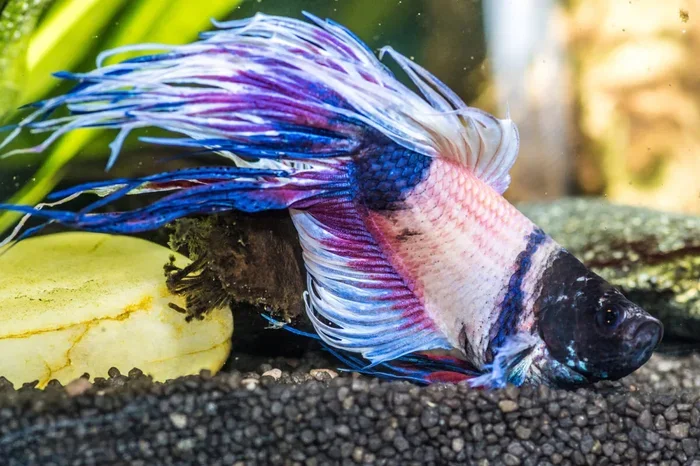
The easiest way to estimate a betta’s age is by looking at their colors. Young bettas between two and six months old display incredibly bright, saturated hues. Their reds are deep, their blues are vivid, and their fins show crisp patterns. This is their prime coloring phase.
As bettas move into their second year, you may notice slight fading. The colors become softer or less intense. Some bettas develop a matte look instead of a glossy sheen. This is a natural part of the aging process and does not mean anything is wrong.
In senior bettas, color loss becomes more noticeable. White patches may appear near the mouth or fins. Some fish develop a pale, washed-out look. If your betta’s colors have dulled significantly, it could be a sign they are entering their later years.
You can also look at how to enhance the color of betta fish through diet and tank conditions. Feeding foods rich in carotenoids, like brine shrimp or specialized pellets, can bring back some vibrancy even in older fish. However, it will not fully restore the bright colors of youth.
Color Changes by Age Group
- Juvenile (2-6 months): Bright, vivid colors with sharp patterns.
- Young Adult (6-18 months): Full color saturation with slight intensity.
- Adult (1-3 years): Mild fading begins, colors soften.
- Senior (3+ years): Noticeable dullness, possible white patches.
Fin Condition as an Age Indicator
Betta fins tell a story if you know what to look for. Young bettas grow long, flowing fins that taper to delicate points. The fin rays are strong and flexible. This is especially true for long-finned varieties like the veiltail betta and crowntail types.
Over time, fins take wear and tear. Older bettas may show split edges or slightly shortened fins. This happens from regular swimming, scraping against decorations, and general use. Some fin damage is normal and just part of life.
However, excessive fin damage points to a different problem. Fin rot, caused by bacterial or fungal infections, eats away at fin tissue. If you see ragged, discolored fins that keep getting worse, your betta may need treatment regardless of age. Learning how to tell if my betta fish is sick helps you catch fin rot early before it becomes serious.
A good rule of thumb is this: slight fin rounding is normal aging. Fraying, redness, or rotting fins signal a health issue. Address water quality first and consider treatment options if the problem persists.
Comparing Fin Health Across Ages
- Young fish: Long, intact fins with smooth edges.
- Adult fish: Slight rounding or minor splitting at fin tips.
- Senior fish: Noticeably shorter fins with more visible wear.
Body Shape and Size Clues
Body shape changes quietly over a betta’s lifespan. Young bettas have sleek, streamlined bodies. They look tight and athletic when they swim. Their scales lie flat against their bodies, and there is no visible bloating.
As bettas age, their bodies may change in shape. Some fish gain a slight roundness in the belly area. This is especially common in fish that are fed heavily or have slower metabolisms. A small belly bulge in a middle-aged betta is usually nothing to worry about.
However, a large, swollen belly can signal a serious problem. Dropsy, constipation, or internal issues cause dramatic bloating. If your betta’s scales start to pinecone outward, that is a medical emergency. Knowing how to tell if my betta fish is sick versus simply noticing age-related changes saves lives.
Size also gives clues. Bettas reach their full body length of about 2.5 to 3 inches by six to eight months. After that, growth stops. If your fish is still growing past the one-year mark, something else might be going on. Understanding how to tell the sex of a betta fish can also help you notice body differences that relate to age and maturity.
Quick Tips for Monitoring Body Changes
- Weigh your betta occasionally using a small digital scale.
- Take weekly photos to track subtle changes over time.
- Compare your betta’s body to reference images of bettas at different ages.
- Note any sudden changes in body shape, as these often signal health issues.
Behavioral Signs of Aging
Betta fish are active, curious creatures when they are young. They flare at their reflection, explore every corner of the tank, and build bubble nests regularly. As they age, you will notice a gradual shift in their daily habits.
Young bettas between two and twelve months old build bubble nests frequently. This is a natural behavior tied to breeding readiness. Older bettas build fewer nests, and some stop altogether. This does not mean your fish is unhealthy. It simply means their body is focusing energy elsewhere.
Activity level drops with age too. A young betta darts around the tank with energy. An older betta prefers to rest near plants or decorations. They may take longer to respond to food or ignore floating pellets entirely at times.
Sleeping patterns also shift. Senior bettas often nap more frequently during the day. They may rest on the tank floor or curl up behind a leaf. This is normal for aging fish. However, if your betta suddenly becomes lethargic at any age, check water parameters first. Poor water quality causes lethargy at every life stage.
Behavior Checklist by Age
- Juvenile: High energy, frequent bubble nest building, curious exploration.
- Adult: Moderate activity, occasional nest building, steady routine.
- Senior: Low energy, long rest periods, reduced feeding interest.
Other Clues and Factors to Consider
Beyond color, fins, body shape, and behavior, a few other factors help estimate age. The size of the betta when you first got it matters a lot. Pet stores often sell bettas that are already three to four months old. If you know the purchase age, you can simply add that to the current date.
Fin length is another useful clue. Bettas reach their full fin potential around eight to twelve months. If your fish has short, stubby fins, it is likely a juvenile. Long, flowing fins suggest the fish is at least a year old. This method works best for long-finned varieties.
You might also want to look at how to tell the age of a female betta fish separately, since females tend to show age-related changes slightly differently. Females generally have shorter fins and a lighter body, which can make some age signs harder to spot. But the same principles of color fading and behavior shifts still apply.
Finally, keep in mind that genetics play a role. Some bettas simply age faster or slower than others. Fish from reputable breeders often live longer and show age signs more gradually. Poor living conditions before you acquired the fish can also accelerate visible aging. If you rescued a betta from a neglected environment, it may already show signs of an older fish despite being young in chronological age.
Quick Tips for Tracking Age
- Keep a simple journal with dates, photos, and behavior notes.
- Record when you first noticed color changes or fin wear.
- Compare your notes to the general age milestones outlined above.
- Consult with experienced betta keepers or forums for a second opinion.
Common Mistakes People Make When Estimating Betta Age
One of the biggest mistakes is relying on a single clue. A faded color does not automatically mean your fish is old. Stress, poor water quality, and illness can all cause color loss in young fish. Always look at the full picture before drawing conclusions.
Another mistake is confusing age-related changes with illness. A senior betta resting on the tank floor is normal. A young betta doing the same is a red flag. Context matters enormously. You need to know what is typical for each age group before you can spot what is abnormal.
Some fish keepers also overestimate age based on size alone. Bettas stop growing in length after about eight months. A big-bodied fish is not necessarily an old fish. Body shape changes more with diet and health than with chronological age.
If you are unsure about your fish’s age, focus on providing excellent care regardless. Proper betta fish care includes clean water, a heated tank, quality food, and plenty of enrichment. These factors help your betta live its longest, healthiest life no matter what stage it is in. You can learn more about proper care routines in our guide on how to take care of betta fish.
Expert Insight on Age Estimation
Experienced aquarists often say that the best age estimate comes from combining at least three clues. Look at color, fin condition, and behavior together. If all three point in the same direction, your estimate is likely accurate. If they conflict, dig deeper into water quality and health factors before deciding.
When to Adjust Your Betta’s Care Routine
Once you have a rough age estimate, you can fine-tune your care approach. Young bettas benefit from protein-rich foods that support growth. Feed them two to three small meals daily with high-quality pellets and occasional live or frozen foods.
Adult bettas do well on a consistent feeding schedule. Two meals per day with slightly smaller portions work well. Avoid overfeeding, as it leads to bloating and poor water quality. This is true for all ages but becomes even more important as your fish gets older.
Senior bettas may need softer foods. Soaking pellets before feeding or offering thawed bloodworms makes eating easier. Some older fish lose interest in food entirely. In these cases, try offering a tiny piece of live brine shrimp to spark their appetite.
Water temperature also shifts slightly with age. Young bettas thrive in water between 78 and 80 degrees Fahrenheit. Older fish can handle a slight drop to 76 or 77 degrees, which supports their slower metabolism. Never let the temperature fall below 75 degrees, as this stresses fish at any age. For more tips on keeping your betta comfortable in colder months, check out how to keep betta fish warm in the winter.
Age-Based Care Summary
- Juvenile (under 6 months): Frequent small feedings, warm water, gentle handling.
- Adult (6 months to 3 years): Consistent feeding schedule, stable water parameters, regular observation.
- Senior (3+ years): Softer foods, slightly cooler water, extra monitoring for health issues.
Final Thoughts on Determining Betta Fish Age
Learning how to tell the age of betta fish is not an exact science, and that is okay. No single test or trick gives you a perfect answer. But by paying attention to color, fins, body shape, behavior, and activity level, you can build a solid estimate. The goal is not to pin down an exact number. The goal is to understand your fish better and provide the right care at every stage.
Aging is a natural process. Every betta goes through it. The fish that age gracefully are the ones whose owners stayed attentive and proactive. Regular water changes, a balanced diet, and a stress-free environment all contribute to a longer, happier life for your betta.
If you want to go deeper into betta care, explore our resources on how to properly take care of betta fish and learn about common health concerns. Understanding your fish’s age helps you catch problems early and celebrate milestones along the way. Your betta depends on you for its well-being, and every bit of knowledge you gain makes that relationship stronger.
Take what you have learned here and start observing your fish today. Grab a notebook, snap some photos, and track the subtle changes over time. You will be surprised at how much you can learn just by paying attention. Your betta will thank you with vibrant colors, playful behavior, and years of companionship.
Frequently Asked Questions
Can you accurately determine the exact age of a betta fish?
No, there is no foolproof method to determine the exact age of a betta fish. You can only estimate based on visual and behavioral clues. Combining multiple indicators like color, fin condition, and activity level gives you the best approximation.
At what age do betta fish start showing signs of aging?
Most bettas begin showing subtle signs of aging around two to three years old. You might notice color fading, slightly shorter fins, and reduced activity levels. Senior signs become more prominent after the three-year mark.
Do male and female bettas age differently?
Males and females age at a similar rate, but the visible signs differ. Males tend to show more dramatic color fading and fin wear. Females may show subtler changes due to their naturally shorter fins and lighter coloring.
Can poor tank conditions make a betta look older than it is?
Yes, absolutely. Poor water quality, incorrect temperatures, and stress can cause color loss, fin damage, and lethargy in bettas of any age. These signs mimic aging, so always rule out health and environment issues first.
How long do betta fish typically live?
With proper care, bettas live between two and five years. Some well-cared-for fish have been known to reach six years, but this is rare. Genetics, diet, and tank conditions all play a role in lifespan.
Is it normal for older bettas to stop building bubble nests?
Yes, it is completely normal. Older bettas build fewer bubble nests or stop building them altogether. This is a natural part of aging and does not indicate any health problem as long as your fish remains active and eats well.