Are Root Tabs Toxic to Betta Fish
Root tabs can be safe for betta fish when chosen and used correctly, but some formulations contain chemicals that may harm delicate bettas. Understanding the ingredients, proper dosing, and water‑testing will keep your fish healthy while you enjoy natural‑looking plants. Read on for practical advice and safe alternatives.
Key Takeaways
- Check the label: Not all root tabs are created equal; look for “fish‑safe” or “no‑chemical” claims.
- Dosage matters: Over‑dosing can raise ammonia and nitrite, stressing bettas.
- Water testing is essential: Monitor pH, hardness, and nitrogen levels after adding tabs.
- Organic options exist: DIY compost tablets or natural root wicks are safer alternatives.
- Observe behavior: Loss of color, frantic swimming, or gasping may signal toxicity.
- Tank size counts: Small betta bowls give less water volume to dilute any chemicals.
- Combine with good maintenance: Regular water changes and filter cleaning reduce risk.
📑 Table of Contents
Introduction: Why the Question Matters
Betta fish owners love the look of lush, green roots in their aquariums. They add a natural vibe and give shy bettas places to hide. The easiest way to grow those roots is with “root tabs” – small, nutrient‑rich tablets that dissolve slowly and feed plant roots. But many hobbyists wonder: are root tabs toxic to betta fish? The answer isn’t a simple yes or no. It depends on the brand, the dosage, and the condition of your tank.
In this article we’ll break down what root tabs actually are, how they affect water chemistry, and what signs to watch for in your betta. We’ll also share safe‑use tips, alternatives, and a few handy tricks to keep both plants and fish thriving.
What Are Root Tabs?
Basic composition
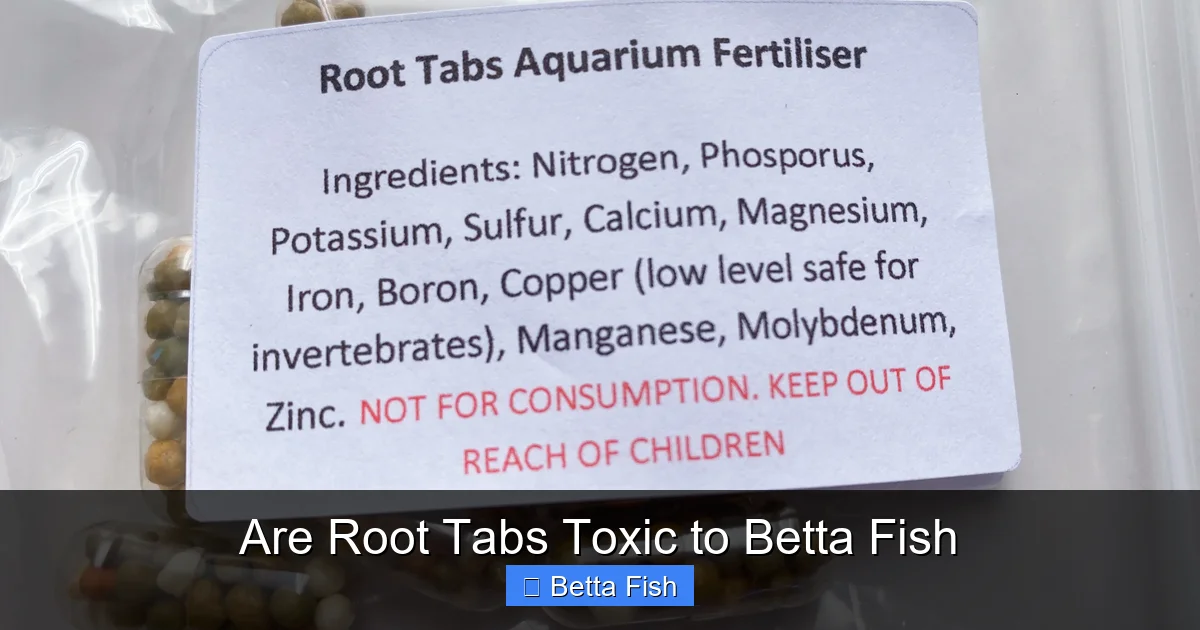
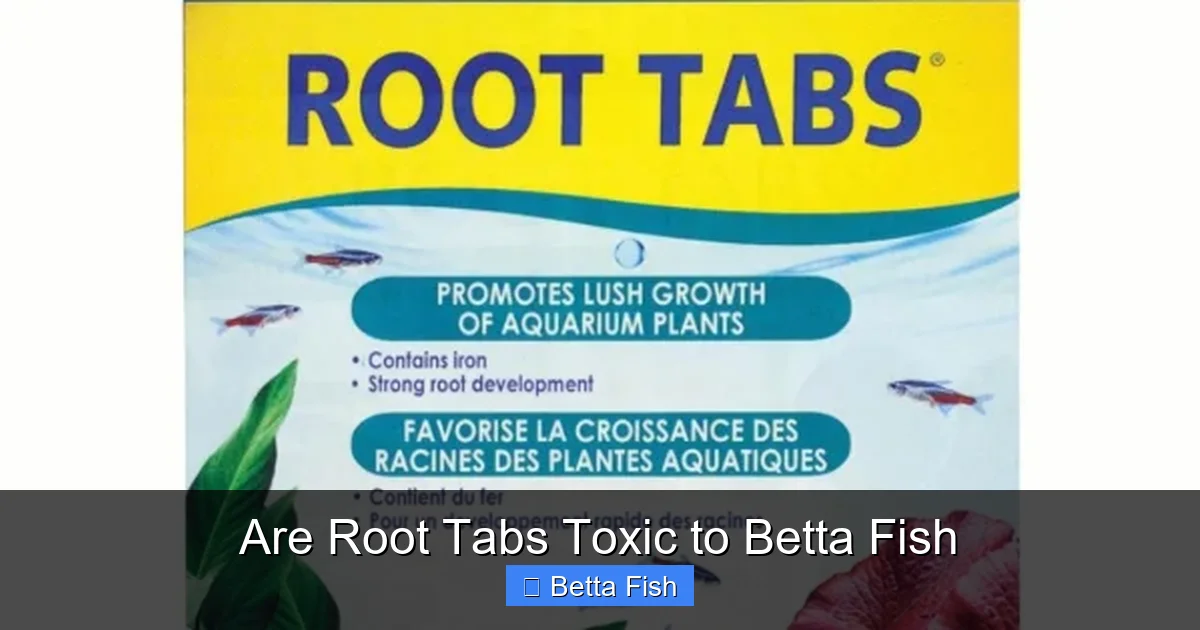
Root tabs are compact pellets made from a blend of macronutrients (nitrogen, phosphorus, potassium) and micronutrients (iron, magnesium, trace elements). They also contain a carrier material—usually a porous clay or charcoal—that slowly releases nutrients when soaked.
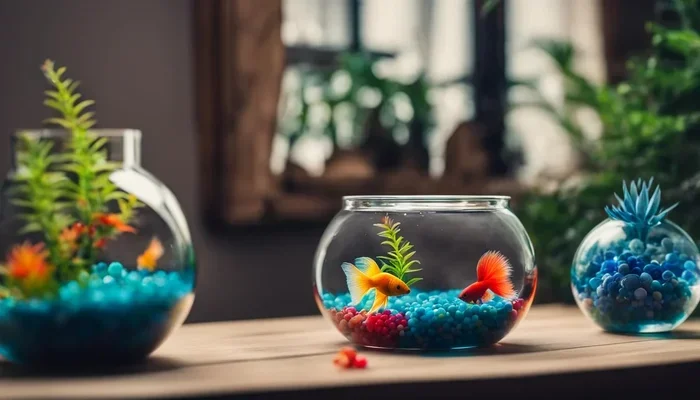
Visual guide about Are Root Tabs Toxic to Betta Fish
Image source: aquaticskingdom.com
How they work
When you drop a tab into the substrate, water seeps in, dissolving the nutrients. The roots absorb them directly, bypassing the water column. This method is popular for planted tanks where surface dosing can cause algae spikes.
Common brands and variations
Popular manufacturers include Seachem, API, and Flourish. Some products are marketed as “organic” or “plant‑only,” while others contain synthetic chelates. Always read the ingredient list; the presence of “EDTA,” “ammonium nitrate,” or “potassium nitrate” can be a red flag for sensitive bettas.
Potential Risks for Betta Fish
Ammonia and nitrite spikes
When a root tab releases nutrients, a small amount of ammonia can appear as a by‑product. In a heavily stocked or under‑filtered tank, this extra ammonia can push levels above the safe threshold (<0.25 ppm for bettas). Elevated nitrite (above 0.5 ppm) is equally dangerous, causing the fish’s blood to lose oxygen‑carrying capacity.
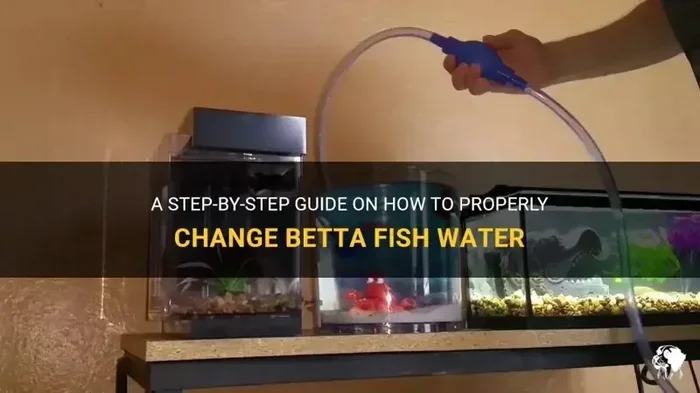
Visual guide about Are Root Tabs Toxic to Betta Fish
Image source: light.fish
pH fluctuations
Many root tabs contain potassium carbonate, which can raise pH. Bettas prefer slightly acidic to neutral water (pH 6.0‑7.0). A sudden jump to 7.5 or higher can stress their delicate gills and lead to loss of color.
Heavy metals and synthetic chelates
Some tabs include copper or zinc chelates to prevent algae. While low levels are harmless to plants, they can be toxic to bettas, especially in small bowls where dilution is limited.
Physical irritation
If a tab does not fully dissolve, sharp fragments may linger on the substrate. Bettas that like to rest on the bottom could get minor abrasions, making them more susceptible to infection.
How to Test If a Root Tab Is Safe
Read the label carefully
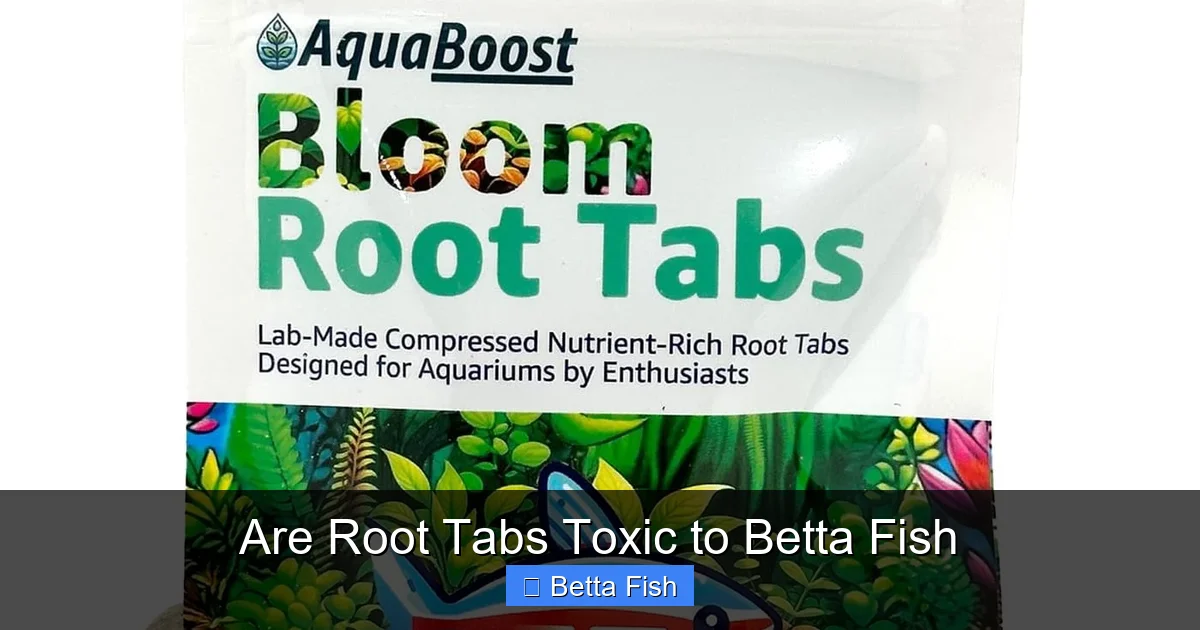
Look for statements such as “safe for community tanks,” “no added copper,” or “fish‑friendly.” If the label is vague, search the manufacturer’s website for a safety data sheet.
Visual guide about Are Root Tabs Toxic to Betta Fish
Image source: m.media-amazon.com
Start with a small dose
In a 5‑gallon tank, use only one‑quarter of the recommended tablet. Observe water parameters for 48‑72 hours.
Monitor water parameters
- Ammonia (NH₃/NH₄⁺): Keep under 0.25 ppm.
- Nitrite (NO₂⁻): Stay below 0.5 ppm.
- Nitrate (NO₃⁻): Below 20 ppm for bettas.
- pH: Aim for 6.0‑7.0.
- GH/KH: Stable hardness helps buffer pH swings.
Test kits from API or Seachem are inexpensive and give quick results.
Watch your betta’s behavior
Signs of stress include rapid gill movement, loss of appetite, faded colors, or hanging at the surface. If any of these appear after adding a tab, remove the source immediately and perform a partial water change.
Safe Use Practices for Betta Owners
Choose the right product
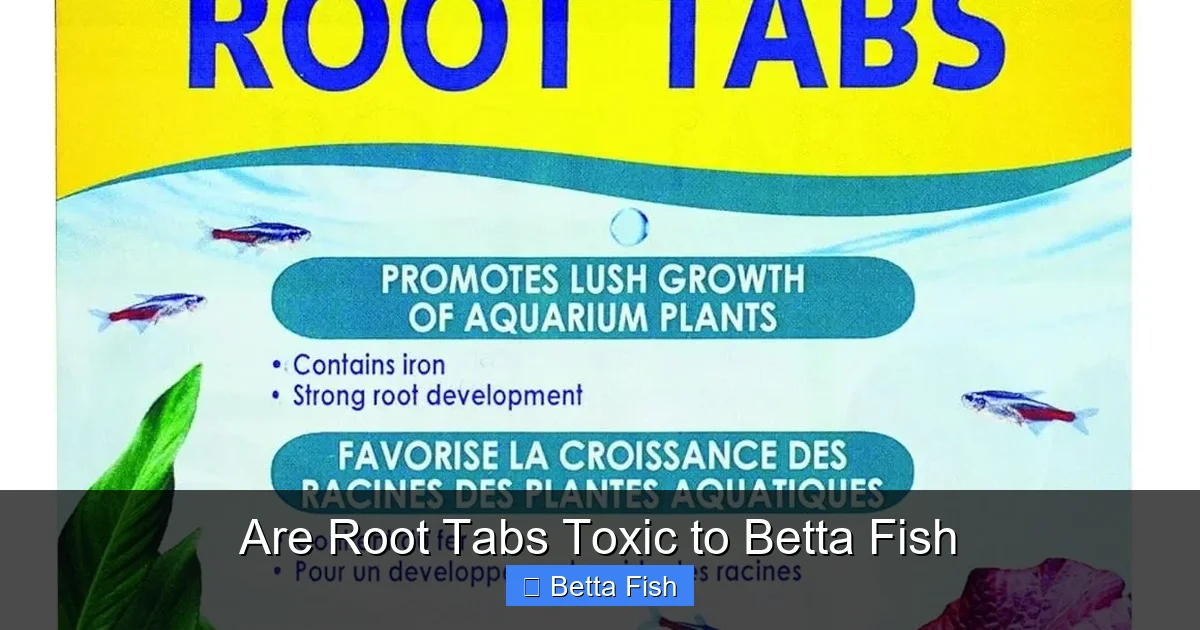
Opt for tablets labeled “organic” or “plant‑only” and avoid those that list copper, iron chelate, or high nitrogen percentages. Brands that specifically mention “fish‑safe” are a good bet.
Proper placement
Push the tab into the substrate at least 2‑3 inches deep, away from the betta’s favorite resting spot. This reduces the chance of direct contact and helps the tablet dissolve evenly.
Timing and frequency
In a mature planted tank, one tab per 10‑15 gallons every 4‑6 weeks is sufficient. Over‑dosing is a common mistake that leads to nutrient buildup and algae.
Combine with regular maintenance
Perform 25‑30 % water changes weekly, vacuum the substrate lightly, and clean the filter media. Good circulation helps disperse any excess nutrients before they become harmful.
Alternatives to Commercial Root Tabs
DIY compost tablets
Blend dried leaf litter, peat moss, and a pinch of fish‑safe liquid fertilizer. Form into small discs and let dry for a week. These dissolve slowly and contain no synthetic chelates.
Root wicks and clay pots
Place a piece of porous clay (e.g., terracotta) in the substrate, fill it with liquid fertilizer, and let the roots draw nutrients through capillary action. This method is popular among nano‑tank hobbyists.
Liquid root feed
If you prefer more control, use a drop‑per injector to add a measured dose of liquid fertilizer directly to the water column. This allows you to test the water after each dose.
Live plant swaps
Adding fast‑growing plants like Hydrocotyle or Java moss can naturally boost nutrient cycling, reducing the need for supplemental root feeding.
Putting It All Together: A Sample Betta Tank Routine
Step‑by‑step weekly checklist
- Monday: Test ammonia, nitrite, nitrate, and pH.
- Tuesday: Perform a 25 % water change if any parameter is out of range.
- Wednesday: Spot‑clean the substrate, removing uneaten food.
- Thursday: Add a half‑dose of a fish‑safe root tab if the tank is heavily planted.
- Friday: Observe betta for any stress signs; note any color changes.
- Saturday: Feed betta 2‑3 times with high‑quality pellets.
- Sunday: Rest day – enjoy your thriving aquarium!
Why this routine works
Regular testing catches nutrient spikes early. Small, spaced‑out doses prevent excess buildup, and frequent water changes keep the environment stable. The routine also aligns with advice from experts on how to set up a tank for a betta fish and reinforces the idea that bettas thrive best in well‑maintained, low‑stress habitats.
Conclusion: Are Root Tabs Toxic to Betta Fish?
Root tabs are not inherently toxic, but they can become a problem if you choose the wrong type, over‑dose, or neglect water testing. By selecting fish‑safe products, dosing conservatively, and maintaining vigilant water quality, you can enjoy the benefits of healthy root growth without endangering your betta.
Remember, every tank is unique. When in doubt, start with a DIY organic tablet or a tiny amount of a proven brand, and always watch your betta’s behavior. With the right balance, both plants and fish will flourish together.
Frequently Asked Questions
Can I use any root tab in a betta tank?
Not all root tabs are safe for bettas. Choose those labeled “fish‑safe” or “no copper,” and avoid high‑nitrogen formulas.
How often should I add a root tab?
In a well‑planted 5‑gallon tank, one half‑tablet every 4‑6 weeks is usually enough.
What are the first signs of toxicity?
Look for rapid gill movement, loss of color, gasping at the surface, or unusual swimming patterns.
Do root tabs affect water pH?
Yes, some contain potassium carbonate which can raise pH. Test the water after dosing and adjust with driftwood or pH‑down solutions if needed.
Are there natural alternatives to commercial root tabs?
DIY compost tablets, clay root wicks, and liquid root feeds are all effective, chemical‑free options.
Do I need a filter if I use root tabs?
A gentle filter helps remove excess nutrients and keeps ammonia low, which is especially important for small betta tanks.