How to Take Care of a Veiltail Betta Fish

Keeping a Veiltail Betta thriving is easier than you think. With the right tank, balanced diet, and simple health checks, your fin‑splashed beauty will flourish. Follow these friendly guidelines and enjoy a colorful, stress‑free Betta experience.
Key Takeaways
- Right tank size: A minimum 5‑gallon filtered tank gives Veiltails room to swim and stay healthy.
- Water quality matters: Keep temperature at 78‑80°F, pH 6.5‑7.5, and change 25‑30% weekly.
- Balanced diet: Offer high‑quality pellets, occasional frozen foods, and a pea once a week.
- Gentle décor: Use smooth plants, caves, and soft substrate to protect delicate fins.
- Health monitoring: Watch for fin rot, fungus, and stress signs; act quickly with proper treatment.
- Regular interaction: Short daily sessions build trust without overstressing the fish.
- Proper acclimation: Gradual temperature and water parameter adjustment prevents shock.
📑 Table of Contents
Introduction: Why Veiltail Bettas Deserve Special Care
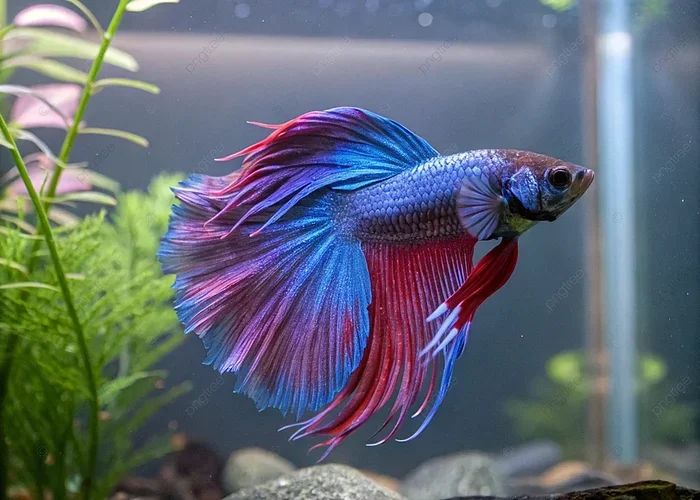
Veiltail Betta fish are the drama queens of the aquarium world. Their long, flowing fins and vivid colors can turn any small tank into a living piece of art. But that beauty comes with a few quirks. A Veiltail’s delicate fins are prone to tearing, and their temperament can swing from bold to shy in a heartbeat. Understanding these needs is the first step in learning how to take care of a Veiltail Betta fish and keeping it happy for years.
In this guide we’ll walk through everything from choosing the perfect home to feeding, health checks, and décor ideas. Think of it as a friendly chat over coffee—simple, clear, and full of practical tips you can start using today.
1. Setting Up the Perfect Home
Tank Size and Shape
While many beginners start with a 2‑gallon bowl, a Veiltail needs space to glide without bumping its fins. Aim for at least a 5‑gallon long tank. The extra length gives a natural swimming lane and reduces stress.
Filtration and Flow
A gentle filter is a must. Choose a sponge or a low‑flow hang‑on‑back unit. Too strong a current will flatten the Veiltail’s fins and cause fatigue. If you’re unsure, set the filter’s output to a trickle—about one tank volume per hour.
Heating and Temperature
Veiltails are tropical; they love warm water. Keep the temperature steady between 78 °F and 80 °F (25.5 °C‑26.5 °C). A reliable submersible heater with an adjustable thermostat will prevent sudden spikes.
Water Parameters
Stable water chemistry is the backbone of good health.
- pH: 6.5‑7.5, slightly acidic to neutral.
- Ammonia & Nitrite: 0 ppm (zero).
- Nitrate: Below 20 ppm, ideally under 10 ppm.
Testing kits are inexpensive and worth the peace of mind. For a deeper dive into water care, see our article on how to do a Betta fish water change.
Substrate and Décor
Use smooth, fine sand or a soft gravel to protect the fins. Add live or silk plants—avoid sharp plastic leaves. A few smooth caves or driftwood provide hiding spots, which help reduce stress.
Lighting
Moderate lighting (8‑10 hours a day) mimics natural day‑night cycles. Too much light encourages algae growth, which can cloud the water.
2. Acclimating Your Veiltail
Transport and Quarantine
When you bring your Veiltail home, keep it in the bag for 15‑20 minutes to let the water temperature equalize. If you have another Betta or a community tank, consider a 2‑week quarantine to watch for disease.
Visual guide about How to Take Care of a Veiltail Betta Fish
Image source: cdn-img.comic-days.com
Gradual Water Mixing
Float the sealed bag in the tank for about 30 minutes. Then, slowly add ¼ cup of tank water to the bag every 5 minutes. This step‑wise mixing reduces shock from pH and temperature differences.
Release Technique
Turn the bag upside‑down and let the fish swim out gently. Avoid pouring water from the bag into the tank; it may contain unwanted bacteria.
3. Feeding: A Balanced Menu
Quality Pellets as Staple
High‑protein Betta pellets (30‑40% protein) should be the daily base. Offer 2‑3 pellets once or twice a day, removing any uneaten food after 5 minutes.

Visual guide about How to Take Care of a Veiltail Betta Fish
Image source: thinkingdata.cn
Supplementary Foods
Variety keeps the Veiltail interested and provides essential nutrients.
- Frozen or live bloodworms: A few once a week for enrichment.
- Brine shrimp: Soft and easy to digest, also once a week.
- Pea (shelled and blanched): One small piece weekly helps with digestion and prevents constipation.
For detailed feeding tips, read our guide on how to get a Betta fish to eat.
Feeding Schedule
Consistency is key. Feed at the same times each day—morning and early evening work best. Overfeeding leads to cloudy water and health issues.
4. Health and Wellness
Daily Observation Checklist
Spend a few minutes each day watching for:
- Bright, intact fins (no ragged edges).
- Active swimming, not hiding all the time.
- Clear eyes and steady breathing.
- Normal appetite.
Common Problems and Quick Fixes
Fin Rot
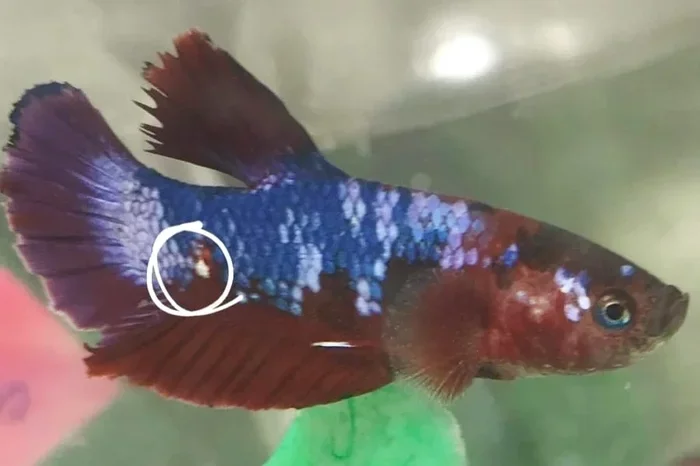
Symptoms: Frayed, white or black edges on fins. Treatment: Trim damaged parts with sterilized scissors, raise water temperature to 82 °F, and add a mild antibacterial dip (e.g., aquarium salt 1 tsp per gallon).
Ich (White Spot Disease)
Symptoms: Tiny white dots on body and fins. Treatment: Raise temperature to 82‑84 °F and add a copper‑based medication for 5‑7 days.
Swim Bladder Issues
Often caused by over‑feeding or constipation. Offer a peeled, boiled pea and fast for 24‑48 hours.
For a full troubleshooting guide, see how to fix a sick Betta fish.
Water Changes and Maintenance
Perform a 25‑30% water change weekly. Use a water conditioner to neutralize chlorine and chloramines. Rinse the filter media in tank water (not tap) to preserve beneficial bacteria.
5. Enrichment and Interaction
Tank Layout for Exploration
Arrange décor to create a gentle “U‑shaped” swim path. This encourages natural movement and reduces boredom.
Training and Play
Veiltails can learn simple tricks, like swimming to a target. Use a soft stick or a finger and reward with a tiny pellet. Keep sessions under 5 minutes to avoid stress.
Handling with Care
If you must move your fish, use a soft net and support the body gently. Never grab the fins—this can cause tears.
6. Long‑Term Care and Breeding Basics
Age‑Related Changes
As Veiltails age (2‑3 years typical lifespan), colors may fade and activity may slow. Continue regular water checks and a high‑quality diet to extend vitality.
Breeding Overview (Optional)
If you ever decide to breed, you’ll need a separate 10‑gallon breeding tank, a sponge filter, and a “bubble nest” maker. Detailed steps are covered in how to mate a Betta fish.
When to Say Goodbye
Despite best care, some Betta’s health may decline rapidly. If you notice severe lethargy, loss of appetite, and gill discoloration, consult a vet or consider humane euthanasia. Our guide on how to euthanize a Betta fish humanely can help you make a compassionate decision.
Conclusion: A Happy Veiltail Is Within Reach
Learning how to take care of a Veiltail Betta fish isn’t a mystery—it’s about providing stable water, a balanced diet, and a stress‑free environment. By following the steps above, you’ll enjoy a stunning, active Betta that brightens your space for years to come. Remember, consistency beats complexity; small daily checks keep big problems at bay. Happy fish‑keeping!
Frequently Asked Questions
What tank size is ideal for a Veiltail Betta?
A minimum of 5 gallons is recommended. Larger tanks provide better water stability and more swimming room, which helps keep the Veiltail’s fins healthy.
How often should I change the water?
Replace 25‑30% of the water each week. Regular partial changes keep ammonia and nitrate levels low and maintain clear water.
Can I keep a Veiltail with other fish?
Veiltails are aggressive toward other Bettas and can be territorial with fast‑moving species. If you add tank mates, choose peaceful, slower fish and provide plenty of hiding spots.
What should I feed my Veiltail besides pellets?
Offer frozen or live bloodworms, brine shrimp, and a blanched pea once a week. These foods add variety and essential nutrients.
How do I know if my Veiltail is stressed?
Signs of stress include faded colors, clamped fins, frequent hiding, and loss of appetite. Reduce tank disturbances and check water parameters if you see these symptoms.
Is a filter necessary for a Betta tank?
Yes. Even gentle filtration helps maintain water quality and reduces the risk of disease. Choose a low‑flow sponge or hang‑on‑back filter to avoid strong currents.