Why Is My Betta Fish Facing Upwards

Betta fish often point their heads upward for a few simple reasons—temperature, water quality, stress, or natural behavior. Understanding these cues helps you spot problems early and create a healthier tank. Quick checks and adjustments can turn a puzzled fish into a vibrant, active swimmer.
Key Takeaways
- Understanding why is my betta fish facing upwards: Provides essential knowledge
📑 Table of Contents
- Introduction: The Curious Case of the Upward‑Facing Betta
- 1. Temperature Troubles: The Goldilocks Zone
- 2. Oxygen Levels: When Fish Go to the Surface for Air
- 3. Stress Triggers: New Tank, New Problems
- 4. Natural Behaviors: Bubble Nests and Courtship
- 5. Health Concerns: When Upward Swimming Signals Trouble
- 6. Quick Fix Checklist: Turn the Situation Around in One Day
- Conclusion: Read the Signs, Act with Confidence
Introduction: The Curious Case of the Upward‑Facing Betta
Imagine you’re watching your bright‑red betta glide around his little palace, and suddenly you notice he’s constantly pointing his head toward the surface, as if he’s staring at the ceiling. It can feel a bit unsettling, especially for new owners who think “maybe he’s sick.” The good news? An upward‑facing betta is rarely a death sentence. More often, it’s a clue about the environment or a natural instinct.
In this article we’ll break down the most common reasons why your betta fish is facing upwards, show you how to spot red flags, and give you step‑by‑step tips to fix the problem. By the end, you’ll be able to read your betta’s “body language” like a pro and keep his tank a happy, healthy home.
1. Temperature Troubles: The Goldilocks Zone
Why temperature affects swimming direction
Betta fish are tropical creatures that thrive in water that stays between 76°F and 82°F (24°C‑28°C). When the water gets too cold, their metabolism slows, and they may seek the warmer surface layer. Conversely, if the water is too hot, they can become stressed and look upward for cooler water at the top.
How to test and adjust
- Use an aquarium thermometer placed near the middle of the tank for an accurate reading.
- If the temperature is below 76°F, add a reliable heater set to 78°F and let it stabilize for 24 hours.
- For temperatures above 82°F, reduce heater output, add a small fan blowing across the surface, or perform a partial water change with slightly cooler water.
Practical tip
Place a small piece of plastic wrap on the water surface. If you see tiny bubbles forming underneath, the water is likely too warm—those bubbles are a sign of excess surface agitation.
2. Oxygen Levels: When Fish Go to the Surface for Air
Understanding dissolved oxygen
Betta fish have a labyrinth organ that lets them gulp air from the surface, but they still need dissolved oxygen (DO) in the water. Low DO can happen in over‑crowded tanks, warm water, or when filtration is inadequate.

Visual guide about Why Is My Betta Fish Facing Upwards
Image source: scs-phinf.pstatic.net
Testing DO without fancy equipment
- Observe the fish: rapid trips to the surface and gulping are warning signs.
- Check water clarity; cloudy water often means poor circulation.
- Use a simple test kit that measures “oxygen saturation” if you have one.
Boosting oxygen
- Increase surface agitation with a gentle air stone or a small powerhead.
- Perform a 25% water change with properly conditioned water.
- Make sure the heater is not covering the entire tank bottom, as this can create dead zones.
3. Stress Triggers: New Tank, New Problems
Common stressors that cause upward swimming
Betta fish are solitary by nature. Introducing new décor, moving them to a new tank, or placing them near aggressive tankmates can cause stress. Stress hormones make them seek the surface where they feel safer.

Visual guide about Why Is My Betta Fish Facing Upwards
Image source: i0.wp.com
Checklist for a low‑stress environment
- Provide plenty of hiding spots—plants, caves, or silk decorations.
- Keep the tank in a quiet area away from loud noises and direct sunlight.
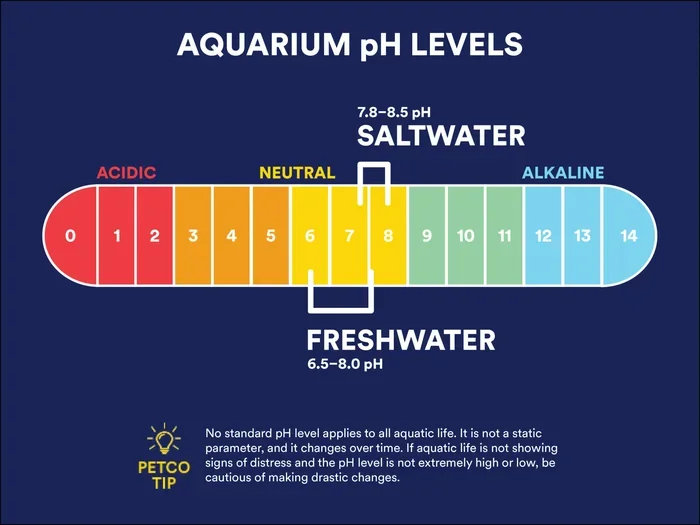
- Maintain a stable water temperature and pH (6.5‑7.5 is ideal).
- Limit tank changes to no more than 20% per week to avoid sudden shifts.
Related issue
If you notice your betta also hiding a lot, read our guide on why is my betta fish hiding for more tips.
4. Natural Behaviors: Bubble Nests and Courtship
Male bettas and bubble nests
Male bettas build bubble nests at the water’s surface when they are ready to breed. While doing so, they often tilt their heads upward to collect air and release bubbles. This is a perfectly normal, healthy behavior.
How to tell if it’s breeding mode
- Look for a cluster of tiny, white bubbles near the top of the tank.
- The male may become more aggressive toward other fish.
- He may display his fins more dramatically, flashing bright colors.
What to do
If you’re not planning to breed, you can still let him build the nest—it’s a sign of a happy fish. Just ensure the water is clean and the surface isn’t disturbed by strong currents.
5. Health Concerns: When Upward Swimming Signals Trouble
Diseases that affect buoyancy
Some illnesses, like swim bladder disorder or internal infections, can make a betta lose buoyancy control, causing it to tilt upward. Look for additional symptoms such as bloating, loss of appetite, or faded colors.
How to differentiate
- If the fish stays at the surface even after temperature and oxygen are corrected, suspect a health issue.
- Check for abnormal swelling or a “puffy” abdomen.
- Observe feeding: a sick betta often refuses food or spits it out. See our article on why is my betta fish spitting out food for details.
When to seek help
Persistent upward swimming for more than 48‑72 hours, combined with other signs of illness, warrants a vet visit or a consultation with a specialist fish doctor.
6. Quick Fix Checklist: Turn the Situation Around in One Day
Step‑by‑step daily routine
- Check temperature: Adjust heater if needed.
- Test water parameters: pH, ammonia, nitrite, nitrate.
- Increase surface agitation: Add an air stone for 4‑6 hours.
- Observe behavior: Note any other odd movements.
- Perform a 20% water change: Use conditioned water at the same temperature.
- Provide a hiding spot: Add a leaf or a small cave.
Long‑term maintenance
- Weekly water changes of 25%.
- Monthly testing of all water parameters.
- Replace filter media every 4‑6 weeks.
- Keep the tank out of direct sunlight to avoid temperature spikes.
Conclusion: Read the Signs, Act with Confidence
Seeing your betta fish facing upwards isn’t automatically a panic button. More often, it’s a gentle nudge from nature telling you something about temperature, oxygen, stress, or even a natural breeding instinct. By systematically checking the basics—temperature, water quality, oxygen, and stressors—you’ll quickly pinpoint the cause and restore balance.
Remember, a healthy betta is an active betta. If you’ve tried the quick fixes and the upward swimming persists, don’t hesitate to explore health‑related possibilities and seek professional advice. With a little attention and the right care, your finned friend will be back to dazzling displays of color and graceful swims in no time.
Frequently Asked Questions
Why does my betta fish keep swimming to the surface?
Most often it’s looking for warmer water, more oxygen, or it may be building a bubble nest. Check temperature, water quality, and surface agitation first.
Is upward swimming a sign of illness?
If it continues after fixing temperature and oxygen, or if you see bloating, loss of appetite, or faded colors, it could indicate a health issue like swim bladder disorder.
Can a betta’s tank size cause it to face upwards?
A tank that’s too small can heat up quickly and reduce oxygen levels, both of which may make a betta seek the surface. Aim for at least 2.5‑5 gallons per fish.
What water parameters should I monitor?
Keep temperature 76‑82°F, pH 6.5‑7.5, ammonia and nitrite at 0 ppm, and nitrates below 20 ppm. Regular testing helps catch problems early.
Should I add more plants to stop the behavior?
Live plants improve oxygen and give hiding places, which can reduce stress‑related upward swimming. Choose hardy plants like Java fern or Anubias.
When should I consider a vet?
If your betta shows multiple symptoms—upward swimming, loss of appetite, swelling, or color loss—for more than a few days, consult an aquatic veterinarian or a knowledgeable fish store.