How to Fix a Sick Betta Fish
how to fix a sick betta fish is an essential topic that provides valuable insights and practical knowledge for anyone interested in learning more about this subject.
Key Takeaways
- Diagnose Accurately: Identify specific illness to apply correct treatment.
- Improve Water Quality: Regular water changes reduce stress and prevent infections.
- Control Temperature: Maintain tropical conditions between 78-80°F for recovery.
- Isolate the Fish: Quarantine to avoid spreading disease to other tank mates.
- Medicate Carefully: Use medications only after confirming the disease type.
- Adjust Diet: Fast briefly for digestive issues; feed high-quality foods thereafter.
- Seek Help: Consult a vet if home treatments fail or condition worsens.
📑 Table of Contents
- Your Betta Is Sick – Don’t Panic, Let’s Fix This Together
- Step 1: Become a Betta Detective – The Critical Observation Period
- Step 2: The Foundation of Health – Water Quality is Everything
- Step 3: Recognizing the Usual Suspects – Common Betta Illnesses
- Step 4: The Treatment Protocol – A Calm, Methodical Approach
- Step 5: The Long Game – Prevention & Proactive Care
- Conclusion: From Crisis to Confidence
Your Betta Is Sick – Don’t Panic, Let’s Fix This Together
You walk over to your betta’s tank, ready to say good morning, and something feels off. Maybe he’s listless, floating near the top, or his magnificent fins are clamped tight. Your heart sinks. That little bundle of colorful personality looks unwell, and a wave of worry crashes over you. “How do I fix a sick betta fish?” you wonder, feeling a mix of guilt and urgency. First, take a deep breath. You are not a bad fish parent for asking this question. In fact, seeking help is the very first and most important step. Betta fish are surprisingly resilient, but they are also sensitive creatures, often suffering from issues rooted in their environment. This guide is your friendly, comprehensive roadmap from panic to solution. We’ll walk through every stage, from the initial “oh no” moment to a full recovery, arming you with knowledge and actionable steps. Think of me as your experienced friend who’s been in the fishy ER more than once, here to share what works.
Step 1: Become a Betta Detective – The Critical Observation Period
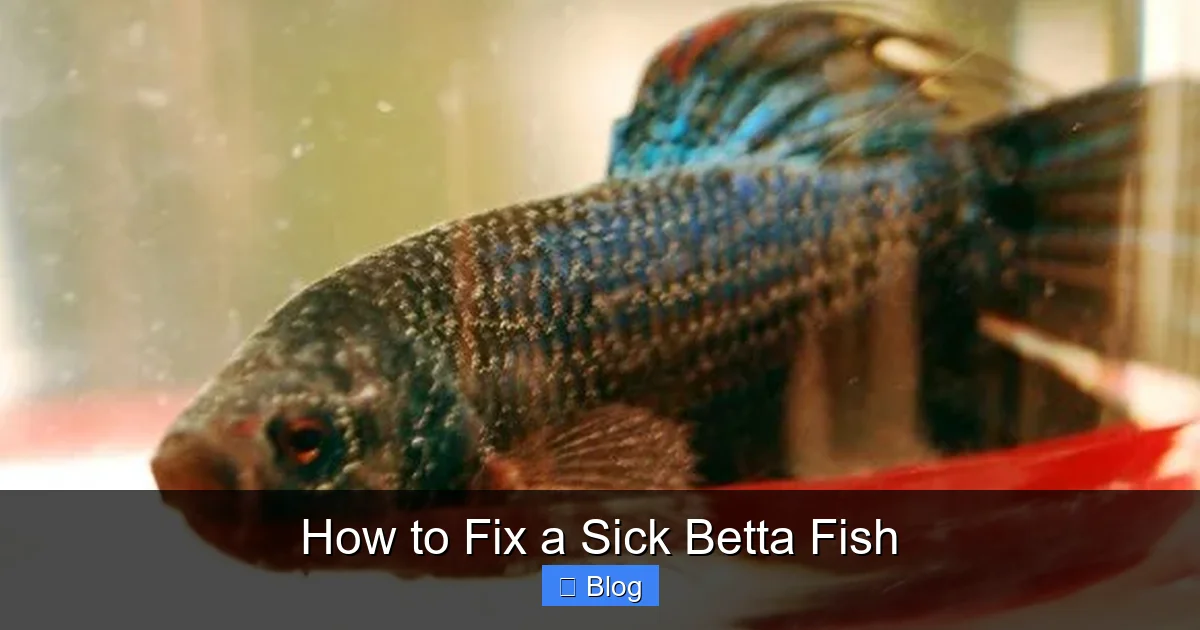
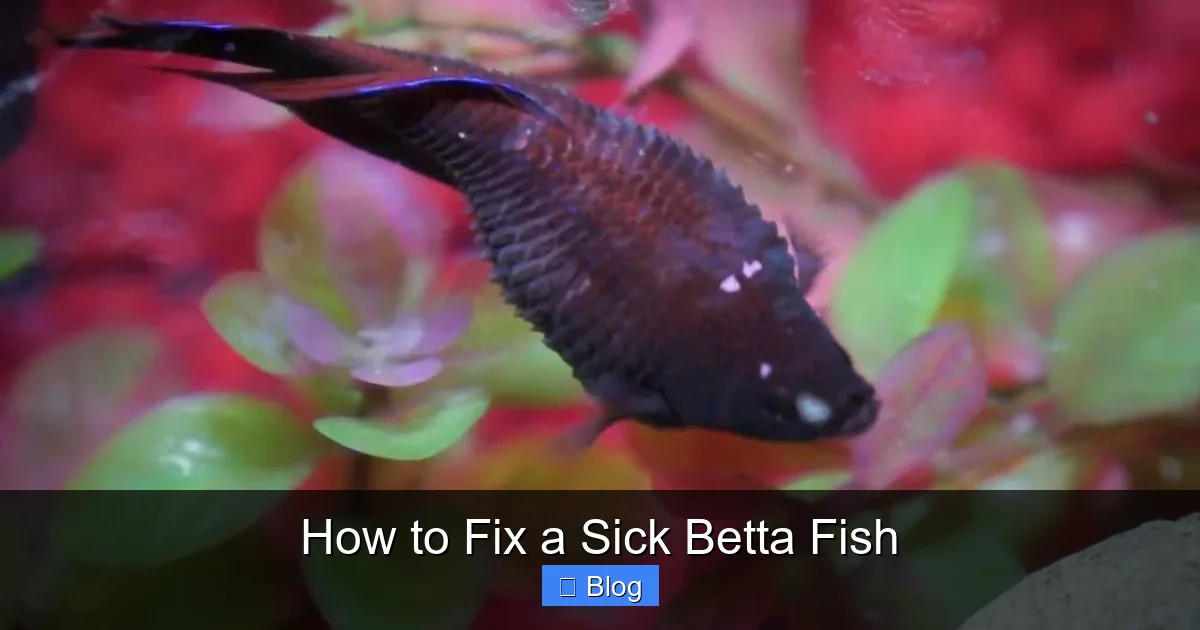
Before you can fix a problem, you have to correctly identify it. Rushing to add medication without knowing the illness is like guessing at a fever’s cause—it rarely ends well. Your first job is to become a calm, observant detective. Set aside 10-15 minutes just watching your fish. Note everything.
Visual guide about How to Fix a Sick Betta Fish
Image source: i.ytimg.com
What to Look For: The Symptom Checklist
Grab a notebook or your phone and jot down answers to these questions:
- Activity Level: Is he swimming normally, hovering, or completely motionless? Does he rest on the bottom or the tank’s surface?
- Appetite: Is he eating? If you offered food, did he ignore it or spit it out?
- Breathing: Are his gills moving rapidly or slowly? Is he gasping for air at the surface?
- Fins: Are they clamped tight against his body? Are they frayed, torn, or covered in white cotton-like spots? Is there any redness or rot at the edges?
- Body: Check for any lumps, bumps, sores, or discoloration (like black or red patches). Is his belly swollen or sunken?
- Eyes: Are they clear, bulging, or cloudy?
- Scales: Do they look smooth, or are they protruding (a sign of dropsy, which is often untreatable)?
Take a clear photo or short video if possible. This visual record is invaluable if you need to ask for help in online forums or from a vet.
The Tank Environment Check
The illness is often a symptom of the tank’s health, not just the fish’s. While observing your betta, also note:
- Water Clarity: Is it cloudy, green, or foul-smelling?
- Temperature: Do you have a reliable aquarium heater? Is the water within the safe tropical range (see next section)?
- Tank Mates: Are there other fish that might be bullying him?
- Decor: Are there sharp edges on plants or ornaments that could have caused injury?
Pro-Tip: Isolate your betta in a hospital tank if you have other fish. This prevents potential spread of disease and allows for targeted treatment without affecting your main aquarium’s biofilter. A simple 2-5 gallon tank with a gentle filter and heater is perfect.
Step 2: The Foundation of Health – Water Quality is Everything
Let’s be brutally honest for a moment: over 90% of betta health issues stem from poor water quality. Your betta lives in his water. It’s his air, his drinking water, and his bathroom. If that water is toxic, he will get sick. Fixing the water is non-negotiable and is often the single most effective step in how to fix a sick betta fish.
Visual guide about How to Fix a Sick Betta Fish
Image source: bettafish.org
Ideal Betta Water Parameters: The Golden Rules
Betta fish are native to slow-moving, warm waters in Southeast Asia. They need stable, clean, warm water to thrive. Here are your non-negotiable targets:
| Parameter | Ideal Range | Why It Matters |
|---|---|---|
| Temperature | 78°F – 80°F (25.5°C – 26.5°C) | Boosts immune system & metabolism. Cold water (below 76°F) is a primary stressor and leads to illness. |
| Ammonia (NH3/NH4+) | 0 ppm | Highly toxic. Even small amounts burn gills and cause stress. |
| Nitrite (NO2-) | 0 ppm | Prevents “brown blood disease,” which blocks oxygen transport. |
| Nitrate (NO3-) | Under 20 ppm | Less toxic but high levels cause chronic stress and susceptibility to disease. |
| pH | 6.5 – 7.5 (stable is key) | Sudden swings are deadly. Bettas tolerate slightly acidic to neutral water well. |
| GH (General Hardness) | 3-4 dGH (50-70 ppm) | Soft to moderately soft water is preferred. |
| KH (Carbonate Hardness) | 3-5 dKH (50-90 ppm) | Helps stabilize pH. |
Immediate Action: The 50% Water Change
If your betta is sick and you haven’t tested your water, assume it’s bad. Right now, perform a 50% water change with properly treated water. Here’s how:
- Prepare Water: Fill a clean container with tap water. Treat it with a complete water conditioner (like Seachem Prime) to neutralize chlorine, chloramines, and heavy metals. Do not use only chlorine removers.
- Temperature Match: Ensure the new water is within 1-2°F of your tank’s temperature. Use a thermometer. A cold water change is a severe shock.
- Gently Add: Slowly pour the new water into the tank, ideally into a bowl or cup to avoid disturbing the substrate and stressing the fish.
- Repeat: Do another 25-50% change in 24 hours if the fish is very ill. Consistency is more important than a single massive change.
Essential Tool: Invest in a liquid-based water test kit (like the API Freshwater Master Test Kit). Test strips are notoriously inaccurate and will not give you the precise data you need to save your fish.
Step 3: Recognizing the Usual Suspects – Common Betta Illnesses
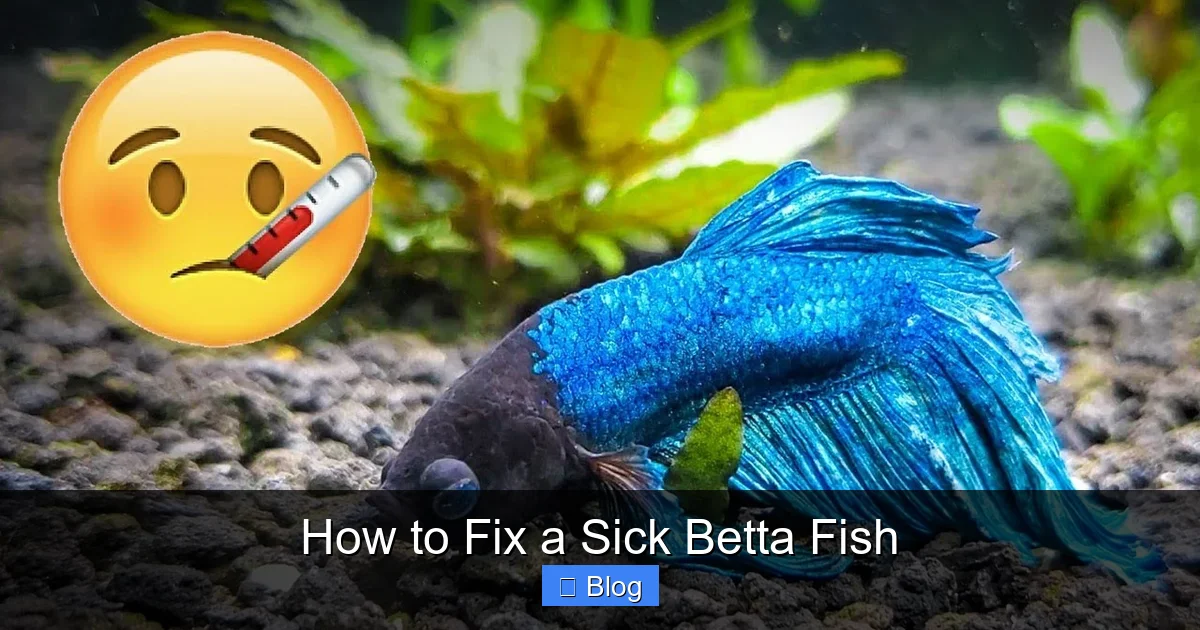
With clean water as your foundation, you can now better match symptoms to likely ailments. Here are the most common betta illnesses and their telltale signs.
Visual guide about How to Fix a Sick Betta Fish
Image source: i.ytimg.com
1. Fin Rot
The classic betta ailment. It’s a bacterial (or sometimes fungal) infection that eats away at the delicate fin edges.
- Symptoms: Fins appear shredded, ragged, or have white or black edges. They may shorten over time. Often starts at the fin tips.
- Cause: Poor water quality, injury from sharp decor or fin nipping (by tank mates or itself), stress.
- Treatment: First and foremost, impeccable water quality. For mild cases, salt baths (1 tsp aquarium salt per gallon for 15-20 mins daily) can help. For moderate/severe cases, use a targeted antibacterial medication like Methylene Blue or a product containing Malachite Green (use with caution, as it can stain). Indian Almond Leaf (IAL) extract is a fantastic natural antibacterial and antifungal tannin source.
2. Velvet Disease (Oodinium)
A parasitic infection that looks like gold or rust dust sprinkled on the fish.
- Symptoms: Fine gold or rust-colored dust on the body, especially the gills and fins. Fish will scratch against objects (flashing), become lethargic, and may clamp fins. Gills may appear red and inflamed.
- Cause: Stress, poor water quality, introduction of new fish or plants carrying the parasite.
- Treatment: Raise the temperature slowly to 82-84°F to speed the parasite’s life cycle. Use a copper-based medication (like Cupramine) with extreme caution as it is toxic to invertebrates and can harm fish if overdosed. Alternatively, use a formalin-based treatment or increase salt concentration (up to 1 tbsp/gallon). Complete darkness for 7-10 days can also help as the parasite is light-sensitive.
3. Ich (White Spot Disease)
Another common parasite, though less frequent in bettas than in goldfish or cichlids.
- Symptoms: Distinctive tiny white dots, like grains of salt, all over the body and fins. Fish will flash, become lethargic, and breathe rapidly.
- Cause: Introduction of an infected fish or object. Stress lowers immunity.
- Treatment: Similar to velvet—raise temperature to 82-84°F. Use a dedicated Ich medication containing Malachite Green and Formalin. Treatment must continue for at least a week after spots disappear to kill all life stages.
4. Swim Bladder Disorder (SBD)
Not a disease itself, but a symptom of a problem with the organ that controls buoyancy.
- Symptoms: Difficulty swimming upright. May float uncontrollably, sink to the bottom, swim upside down, or swim in circles.
- Causes: Constipation (most common), bacterial infection, parasites, physical injury, or genetic deformity.
- Treatment: First, fast for 3 days. Then offer a small, cooked, skinned pea (mashed) or a daphnia meal to relieve constipation. If no improvement after 48 hours, consider a broad-spectrum antibiotic (like Maracyn 2) in case of internal bacterial infection. Ensure water quality is pristine.
5. Dropsy
A severe, often fatal condition characterized by severe internal swelling, usually due to a bacterial infection causing organ failure.
- Symptoms: Dramatically swollen, bloated abdomen. Scales may protrude outward, giving a “pinecone” appearance. Eyes may bulge. Lethargy and loss of appetite.
- Cause: Usually a bacterial infection entering through the gut (from poor diet/water) or via injury.
- Treatment: Prognosis is poor. Aggressive treatment with antibiotics (like Kanaplex or Maracyn 2) injected or in food, alongside Epsom salt baths (to relieve swelling), is the only hope. Many betta keepers humanely euthanize at this stage due to suffering and low success rate.
Step 4: The Treatment Protocol – A Calm, Methodical Approach
Now you have a likely diagnosis. It’s time to act, but methodically. Never add medication to a dirty tank. Always start with a water change and clean substrate.
The Universal First Aid Kit for a Sick Betta
Keep these items on hand. You’ll thank yourself later.
- Seachem Prime (or equivalent): For dechlorinating and detoxifying ammonia/nitrite during crises.
- Aquarium Salt (not table salt): For osmotic support, mild infections, and reducing swelling. Use 1 tsp per gallon for baths, up to 1 tbsp per gallon for short-term hospital tank treatment (max 10 days).
- Epsom Salt (Magnesium Sulfate): Not the same as aquarium salt. Used specifically to reduce swelling (edema) in cases of dropsy or severe constipation. Dose: 1 tsp per 5 gallons.
- Indian Almond Leaves (IAL) or Extract: A natural wonder. Releases tannins that lower pH slightly, have mild antibacterial/antifungal properties, reduce stress, and mimic the betta’s natural blackwater habitat. One leaf per 5-10 gallons is a great preventative or supportive treatment.
- A Separate Hospital Tank: A 2.5-5 gallon tank with a gentle sponge filter (no strong current) and a heater. This allows for easy water changes, precise medication dosing, and quarantine.
Medication Rules: Do No Harm
- Read Labels Twice: Follow dosage instructions precisely. More is not better.
- Remove Carbon: If your filter has activated carbon, remove it during treatment as it will adsorb the medication, making it ineffective.
- Increase Oxygenation: Medications and warm water reduce oxygen levels. Use an air stone in the hospital tank.
- Be Patient: Healing takes time. Do not mix multiple medications unless directed by a vet. Complete the full course of treatment even if symptoms improve.
- When to Call a Vet: If there is no improvement after 5-7 days of proper treatment, or if the condition is severe from the start (advanced dropsy, severe internal infection), consult a vet experienced with fish. They can prescribe injectable antibiotics or stronger treatments.
Step 5: The Long Game – Prevention & Proactive Care
The best way to fix a sick betta is to never have one get sick in the first place. A healthy betta is a vibrant, active, and long-lived companion. This is about building a fortress of health.
The Non-Negotiables of Betta Husbandry
- Tank Size: A minimum of 5 gallons. Smaller “bowls” or vases are cruel and set up for failure. More water = more stable parameters.
- Heater & Thermometer: A reliable, adjustable heater (5-10W for a 5-gallon tank) and a separate glass thermometer are essential. Never trust the heater’s built-in gauge.
- Gentle Filtration: Bettas need clean water but hate strong currents. A sponge filter (perfect for hospital tanks) or a filter with a flow adjustment (like a hang-on-back filter with a spray bar) is ideal.
- Cycling the Tank: This is the most important technical term in fishkeeping. A “cycled” tank has a established colony of beneficial bacteria that converts toxic fish waste (ammonia) into less harmful nitrates. This process takes 4-6 weeks. Never put a betta in an uncycled tank. Use a water test kit to confirm ammonia and nitrite are 0 ppm before adding your fish.
- Diet: Feed high-quality betta pellets as a staple, supplemented with frozen or live foods (brine shrimp, daphnia) 2-3 times a week. Never overfeed. A betta’s stomach is the size of his eye. Excess food decays and fouls the water. Fast him one day a week to clear his digestive system.
Stress Reduction: The Invisible Shield
Stress is the silent killer that suppresses the immune system.
- Tank Location: Place the tank in a quiet area, away from loud noises, direct sunlight (causes algae/temp swings), and high-traffic walkways.
- Hiding Spots: Provide plants (live or silk) and caves. Bettas need places to retreat and feel secure.
- Compatibility: Male bettas are solitary and aggressive. Keep them alone. Some peaceful, fast-moving tank mates (like harlequin rasboras or certain loaches) can work in a heavily planted 10+ gallon tank, but it’s a risk. For beginners, a solo betta is the safest, happiest choice.
- Consistent Routine: Perform regular water changes (25% weekly for a cycled 5-gallon tank), clean the glass, and monitor parameters.
Conclusion: From Crisis to Confidence
Facing a sick betta fish is scary, but it’s also an opportunity. It’s an opportunity to learn, to deepen your bond, and to become the knowledgeable, proactive caretaker your fish needs. Remember the core principle we’ve built here: health flows from the water outward. Your systematic approach—observe, test and fix water, identify the illness, treat carefully, and prevent future issues—is a proven formula for success.
That initial panic you felt? Channel it. Turn it into a meticulous water test. Turn worry into a weekly maintenance schedule. The journey of how to fix a sick betta fish ultimately leads to a profound understanding that you are not just keeping a fish; you are managing a delicate, aquatic ecosystem where your betta is the jewel. By mastering the fundamentals of water quality, recognizing the signs of trouble, and responding with calm, informed action, you transform from a worried owner into a confident guardian. Your betta’s next chapter—one of flaring fins, curious explorations, and vibrant health—starts with the steps you take today. You’ve got this.
Frequently Asked Questions
What are common symptoms of a sick betta fish?
Common symptoms include lethargy, loss of appetite, faded colors, and clamped fins. If you notice these, your betta might be sick. Early detection is key to treatment.
How can I fix a sick betta fish at home?
You can fix a sick betta fish at home by improving water quality and adjusting diet. Use a quarantine tank and consider safe medications like aquarium salt. Always monitor your fish closely for changes.
What water temperature is best for a sick betta fish?
Maintain a water temperature between 78-80°F for a sick betta fish. This helps boost their immune system and promotes healing. Use a reliable heater to keep conditions stable.
Should I isolate a sick betta fish?
Yes, isolating a sick betta fish in a quarantine tank is recommended. This prevents the spread of disease to other fish and allows for targeted treatment. Keep the tank clean and stress-free.
How to use aquarium salt for a sick betta fish?
Aquarium salt can be used for a sick betta fish to reduce stress and fight infections. Dissolve the recommended amount in water before adding to the tank. Avoid table salt as it contains harmful additives.
When should I consider euthanizing a sick betta fish?
Consider euthanizing a sick betta fish if it’s suffering with no chance of recovery. Consult a vet for humane methods to end its pain. This is a last resort to prevent prolonged distress.