Is the Red on My Betta Fish’s Fins Ok
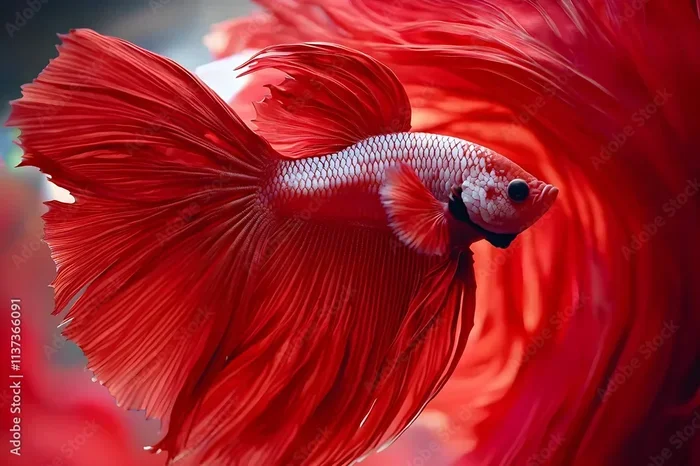
Red coloration on your betta fish’s fins is often completely normal and can be a sign of healthy, vibrant genetics. However, if the red patches appear alongside fraying, swelling, or fading edges, it could signal fin rot, bacterial infection, or stress from poor water conditions. Understanding the difference between natural coloring and a potential health issue is the first step toward keeping your betta happy and thriving.
Key Takeaways
- Red fins often spark the question: is the red on my betta fish’s fins ok? Usually, it’s natural coloration.
- Watch for fin rot: red, ragged edges with white fuzz need immediate treatment.
- Maintain pristine water: 0 ammonia, low nitrates, and stable temperature prevent redness and stress.
- Isolate affected fish promptly: if redness spreads or fins deteriorate, separate to stop infection.
- Feed high-quality food: a balanced diet supports vibrant fin color and immune health.
- Monitor water parameters weekly: test pH, ammonia, and nitrites to catch problems before redness appears.
📑 Table of Contents
- Understanding Your Betta Fish’s Fin Coloration
- What Normal Betta Fin Color Looks Like
- When Red on Betta Fins Is a Warning Sign
- Common Causes of Red or Discolored Fins
- How to Treat Red or Damaged Betta Fins
- Preventing Fin Problems in Your Betta Fish
- Comparing Healthy vs. Problematic Fin Conditions
- Key Takeaways: Is the Red on Your Betta’s Fins Ok?
Understanding Your Betta Fish’s Fin Coloration
So you noticed some red on your betta fish’s fins and now you’re wondering if everything is okay. Trust me, you are not alone. Many betta fish owners panic when they see unexpected color changes on their finny friends. The good news is that betta fish fin color changes can be completely normal sometimes. Other times, they signal something that needs your attention fast.
Bettas are stunning creatures. Their colors can shift over time due to genetics, age, diet, and environment. A little redness on the fins might just be part of their natural betta fish coloration. But when the redness comes with other betta fish symptoms like clamped fins, lethargy, or white patches, that is when you need to act. Let us break it all down so you know exactly what to look for.
In this article, we will walk you through everything about betta fish health as it relates to fin color. You will learn what is normal, what is not, and how to keep your fish happy and thriving. Let us dive right in.
What Normal Betta Fin Color Looks Like
Before we talk about problems, let us set a baseline. A healthy betta fish should have vibrant, rich colors on its fins. Think deep reds, blues, purples, or greens depending on the variety. The fins should flow smoothly without tears, ragged edges, or fin damage.
Here is what healthy fins typically look like:
- Smooth, intact fin edges with no fraying
- Consistent color throughout the fin membrane
- Fins that spread wide when the fish is swimming
- No white spots, red streaks, or black patches
- Active and curious behavior while swimming
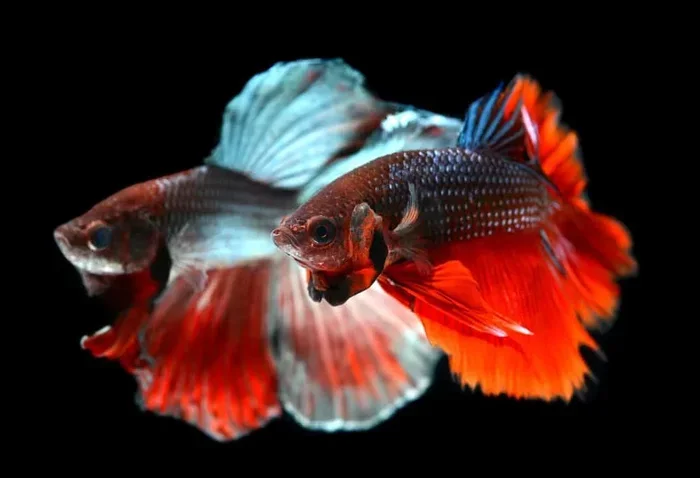
Some bettas naturally have more red pigmentation in their fins. This is especially true for red betta fish or halfmoon varieties bred for intense color. If your fish has always had reddish fins and is acting normal, there is likely nothing to worry about.
However, if the redness is new or appeared suddenly, that is a different story entirely. Keep reading to find out what might be going on.
Natural Color Changes Over Time
Bettas go through color changes as they grow. Young bettas often develop deeper colors as they mature. You might also notice seasonal shifts in betta fish fin color tied to water temperature and light cycles. These gradual changes are perfectly fine and actually show your fish is maturing well.
A key part of betta fish care is understanding that these fish are living organisms, not static decorations. Their appearance evolves, and that is part of the joy of keeping them.
When Red on Betta Fins Is a Warning Sign
Now let us talk about the not-so-good news. Sometimes red on betta fish fins is a clear symptom of illness or stress. How do you tell the difference between natural color and a problem? Look at the context and any other signs your fish is showing.
Redness that appears suddenly, especially combined with the following, is a red flag:
- Fins that look clamped or folded against the body
- Visible fraying or tearing along the fin edges
- Lethargy or hiding more than usual
- Loss of appetite
- Red streaks bleeding through the fin membrane
- Swollen or inflamed fin bases
If you notice any of these together, your betta is likely dealing with one of several common issues. Let us explore the most likely culprits.
Recognizing Stress Indicators in Your Betta
Stress indicators in betta fish can show up in many ways. Red fins can be one of them. Bettas are sensitive creatures. Changes in aquarium conditions like temperature swings, pH imbalances, or aggressive tank mates can all trigger stress responses. When stressed, blood flow increases to certain areas, sometimes causing visible redness on the fins.
Think of it like blushing in humans. It is a reaction to something uncomfortable happening around them. The key is identifying and removing the source of that stress quickly.
Common Causes of Red or Discolored Fins
There are several reasons your betta fish might develop red patches or overall redness on the fins. Let us go through the most common ones so you can pinpoint the issue.
Fin Rot and Bacterial Infection
Fin rot is one of the most common diseases in betta fish. It is usually caused by bacteria like Aeromonas or Pseudomonas. The early signs include reddish discoloration at the fin edges, followed by white or translucent fraying. If left untreated, the fins can deteriorate completely.
This is closely related to why your betta fish may be losing its fins. Fin rot is treatable if caught early, so do not delay action.
Poor Water Quality
Dirty water is the number one enemy of any betta fish. Ammonia and nitrite spikes from waste buildup can burn fin tissue, causing visible redness and inflammation. Regular water changes and proper filtration are non-negotiable for betta fish health.
Even a clean-looking tank can have invisible toxins. Always test your water parameters at least once a week. A good betta fish tank setup makes this even easier with built-in testing tools.
Physical Injury or Fin Ripping
Accidents happen. Sharp decorations, rough tank mates, or even the fish itself rubbing against objects can cause physical damage. If your betta has fin or tail ripping, the exposed tissue can turn red as it heals or becomes infected.
Check your aquarium layout for any rough edges or pointy plastic plants. Smooth things out to prevent future injuries.
Diet and Nutrition Deficiencies
Yes, what your betta eats directly affects fin color and health. A poor diet lacking protein and color-enhancing nutrients can lead to faded or blotchy fins. A balanced betta fish diet with high-quality pellets, frozen bloodworms, and occasional brine shrimp supports strong fin growth and vibrant coloration.
How to Treat Red or Damaged Betta Fins
Once you identify the cause, treatment becomes much easier. Here is a step-by-step approach to getting your betta back to full health.
Step 1: Test and Fix Your Water
Always start with water quality. Use a reliable test kit to check ammonia, nitrite, nitrate, and pH levels. Ideally, your tank should have:
- Ammonia: 0 ppm
- Nitrite: 0 ppm
- Nitrate: below 20 ppm
- pH: between 6.5 and 7.5
Do a 25-50% water change immediately if levels are off. Make sure your heater maintains a stable temperature between 76-82°F. Stable aquarium conditions promote fast healing.
Step 2: Add Medication if Needed
For bacterial infections like fin rot, a broad-spectrum antibiotic treatment works well. Look for medications containing erythromycin or nitrofurazone. Follow the dosing instructions carefully. Treatment options are widely available at pet stores and online.
For mild cases, aquarium salt at 1 teaspoon per gallon can also help. It supports your betta’s natural healing process without harsh chemicals.
Step 3: Improve Diet and Environment
Feed your betta high-quality food with real protein sources. Avoid cheap flakes that are mostly filler. A nutritious diet strengthens the immune system and supports fin regrowth.
Also, make sure the tank is free of sharp objects. Add soft plants or smooth caves to give your fish a safe space to recover. A stress-free environment speeds up healing significantly.
Quick Tips for Treating Red Fins
- Quarantine sick fish to prevent spreading disease
- Perform daily 10% water changes during treatment
- Avoid overfeeding, which worsens water quality
- Keep lighting dim to reduce stress during recovery
- Monitor progress daily and adjust treatment as needed
Preventing Fin Problems in Your Betta Fish
Prevention is always better than cure. Here is how to keep your betta’s fins healthy for the long run and support a strong betta fish lifespan.
Maintain Consistent Tank Conditions
Bettas hate sudden changes. Keep your heater steady, filter gentle (avoid strong currents), and do regular maintenance. A well-cycled tank with stable parameters is the foundation of betta fish care.
Also, consider whether your tank mates are compatible. Some fish species nip at betta fins, causing damage and infection risks. Compatible companions like snails or ghost shrimp are much safer choices.
Feed a Balanced Diet
Variety is key. Rotate between high-quality pellets, frozen bloodworms, daphnia, and brine shrimp. This ensures your betta gets all the nutrients needed for strong fins and vibrant betta fish coloration.
Regular Observation
Spend a few minutes each day just watching your fish. Notice any changes in behavior, appetite, or appearance. Early detection of betta fish symptoms makes all the difference. Catching a minor issue before it becomes serious saves time, money, and most importantly, your fish.
Comparing Healthy vs. Problematic Fin Conditions
Let us make this easy with a quick comparison table so you can quickly assess your betta’s condition:
| Condition | Healthy Fins | Problematic Fins |
|---|---|---|
| Color | Vibrant, even, consistent | Patchy, suddenly red, or fading |
| Fin Edges | Smooth and intact | Frayed, torn, or white-tipped |
| Fin Spread | Wide and flowing when swimming | Clamped close to body |
| Behavior | Active, curious, eating well | Lethargic, hiding, not eating |
| Fin Base | No swelling or redness at base | Inflamed, red, or swollen base |
| Healing Progress | Fins regrow steadily | Damage worsening over days |
Use this table as a quick reference. If more than two items fall into the problematic column, it is time to take action immediately.
Key Takeaways: Is the Red on Your Betta’s Fins Ok?
So, is the red on your betta fish’s fins okay? The honest answer is: it depends. If your betta has always had reddish fins and is behaving normally, that is just their natural betta fish fin color. But if the redness is new, sudden, or paired with symptoms like clamped fins, lethargy, or fraying, it is a sign of trouble.
The most common causes include fin rot, poor water quality, physical injury, and stress. The good news is that most conditions are treatable when caught early. Focus on clean water, good nutrition, and a safe environment. These three things cover the majority of fish disease prevention.
Remember, your betta relies entirely on you for its well-being. A few minutes of daily observation can prevent big problems down the road. Keep testing that water, feed quality food, and give your fish plenty of space to explore. A healthy betta with vibrant fins is a happy betta, and that is exactly what we all want.
Now you have the knowledge to confidently answer the question: is the red on my betta fish’s fins ok. Trust your instincts, watch your fish closely, and do not hesitate to act at the first sign of trouble. Your betta deserves the best, and you are absolutely capable of giving it.
Frequently Asked Questions
Is the Red on My Betta Fish’s Fins Ok?
In most cases, red coloring on betta fins is completely normal and simply part of their natural pigmentation. Many bettas develop vibrant red hues as they mature, which is a sign of good health and strong genetics. However, you should watch for any accompanying symptoms like fin rot, swelling, or lethargy that could signal a problem.
Why Is My Betta Fish Turning Red?
Betta fish can turn red due to natural color development, age, or genetic predisposition. Some bettas gradually develop deeper red tones as they grow from fry into adults. Environmental factors like stress or water quality changes can also temporarily intensify or alter their coloration.
Is Red Coloration on Betta Fins a Sign of Disease?
Red fins are not always a sign of disease, but they can be if paired with other warning signs. Look out for frayed edges, inflammation, or a red streak running along the fin, which could indicate fin rot or a bacterial infection. If your betta’s fins look healthy and he is swimming normally, the red color is likely perfectly fine.
Can Stress Cause Red Coloring on Betta Fins?
Yes, stress can sometimes cause temporary color changes in betta fish, including increased redness. Poor water conditions, sudden temperature shifts, or aggressive tank mates can trigger this response. Reducing stressors and maintaining clean water usually helps their color return to normal within a few days.
How Do I Tell If Red Fins Are Normal or a Problem?
Normal red coloration appears even and vibrant across the fins without any visible damage or discoloration. Problem-related redness often comes with clamped fins, a slimy coating, torn or rotting tissue, or a foul odor. When in doubt, closely observe your betta’s behavior and overall appearance to determine if something needs attention.
Should I Worry If My Betta’s Fins Are Bright Red?
Bright red fins are generally nothing to worry about and often indicate a healthy, happy betta fish. This vivid coloration is typically a sign of strong genetics and good care. Just make sure water parameters are stable and that your fish is eating well and swimming actively to confirm everything is on track.