Can a Betta Fish Catch a Human Virus

Betta fish cannot catch human viruses, but they can be affected by poor water quality and stress that mimic illness. Understanding the differences between fish pathogens and human diseases helps you create a healthy environment and avoid unnecessary worry.
Key Takeaways
- Species barrier: Human viruses do not infect betta fish because of fundamental biological differences.
- Water quality matters: Bad water can cause bacterial or fungal infections that look like viral symptoms.
- Stress triggers illness: Over‑crowding, improper temperature, and poor diet weaken a betta’s immune system.
- Good hygiene prevents cross‑contamination: Wash hands and equipment before handling fish or changing water.
- Observe and act: Early signs of disease—loss of color, frayed fins, erratic swimming—should prompt a water test and possibly a vet visit.
- Separate human illness from fish health: If you’re sick, keep a safe distance but your betta won’t catch your cold.
- Professional help: Aquatic veterinarians can diagnose true fish pathogens and recommend treatment.
📑 Table of Contents
- Introduction: Why the Question Pops Up
- 1. The Science of Species Barriers
- 2. Real Pathogens That Affect Betta Fish
- 3. How Poor Water Quality Mimics Viral Symptoms
- 4. Practical Steps to Keep Your Betta Healthy
- 5. Frequently Asked Concerns About Human‑to‑Fish Transmission
- Conclusion: Peace of Mind for Betta Owners
Introduction: Why the Question Pops Up
It’s easy to wonder if a tiny betta fish could somehow pick up a cold, flu, or even COVID‑19 from its owner. After all, we share the same water when we splash a hand in the tank, and we often talk to our pets like they’re family. The short answer is no—betta fish cannot catch a human virus. But the conversation opens the door to a bigger topic: how fish get sick, why water quality is crucial, and what you can do to keep your finned friend thriving.
In this article we’ll break down the science behind species‑specific viruses, look at the real health risks that affect bettas, and give you practical tips for a clean, stress‑free aquarium. By the end, you’ll feel confident that your betta’s health is in good hands—without worrying about catching your next cold.
1. The Science of Species Barriers
What Is a Virus?
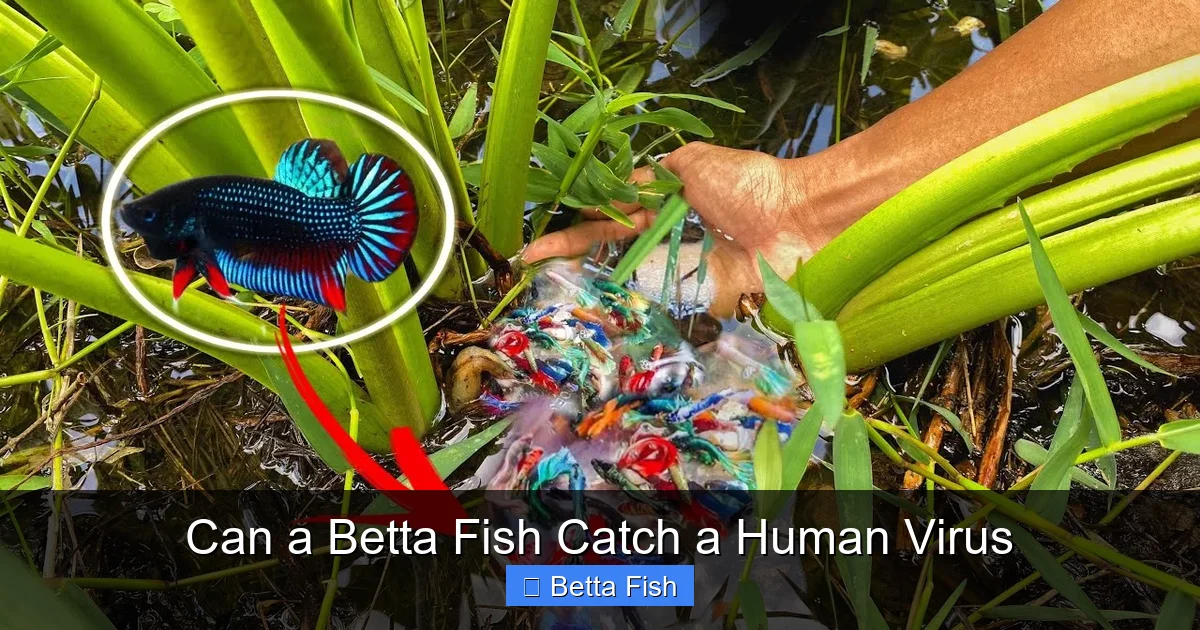
A virus is a microscopic particle that needs a living host cell to reproduce. Each virus has a specific “key” that fits only certain “locks” on the surface of animal cells. Human viruses, like the influenza virus or SARS‑CoV‑2, have evolved to recognize receptors found on human cells, not on fish cells.
Visual guide about Can a Betta Fish Catch a Human Virus
Image source: i.ytimg.com
Why Betta Fish Are Immune to Human Viruses
- Different cell receptors: Fish cells lack the proteins that human viruses latch onto.
- Temperature mismatch: Most human viruses thrive at 37°C (98.6°F). Betta fish live comfortably between 76°F‑82°F, a range that hinders viral replication.
- Immune system variation: Fish rely on innate immunity and a set of antibodies that differ from those in mammals.
Because of these three major mismatches, a human virus simply cannot enter, replicate, or cause disease in a betta fish.
2. Real Pathogens That Affect Betta Fish
Bacterial Infections
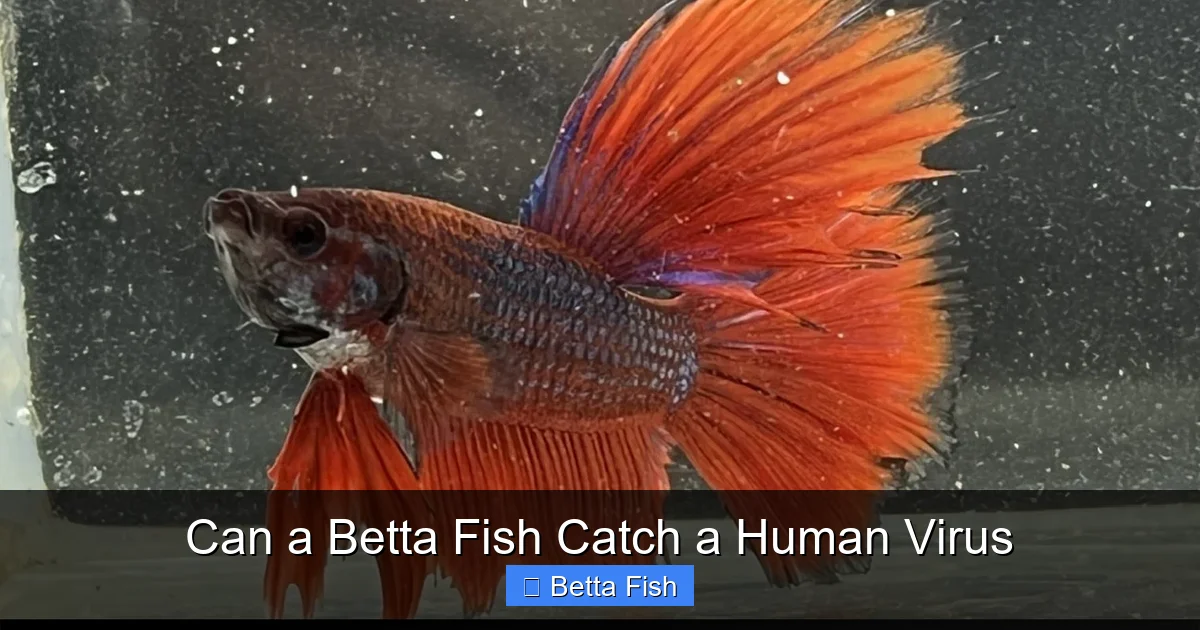
Bacteria such as Aeromonas and Pseudomonas are common culprits in aquarium disease. They can cause fin rot, ulcers, and cloudy eyes. Unlike a human virus, these bacteria thrive in warm, stagnant water with high ammonia levels.
Visual guide about Can a Betta Fish Catch a Human Virus
Image source: buildyouraquarium.com
Fungal Infections
Fungal growth appears as white, cotton‑like patches on fins or the body. It typically follows an injury or a weakened immune system caused by stress.
Parasitic Issues
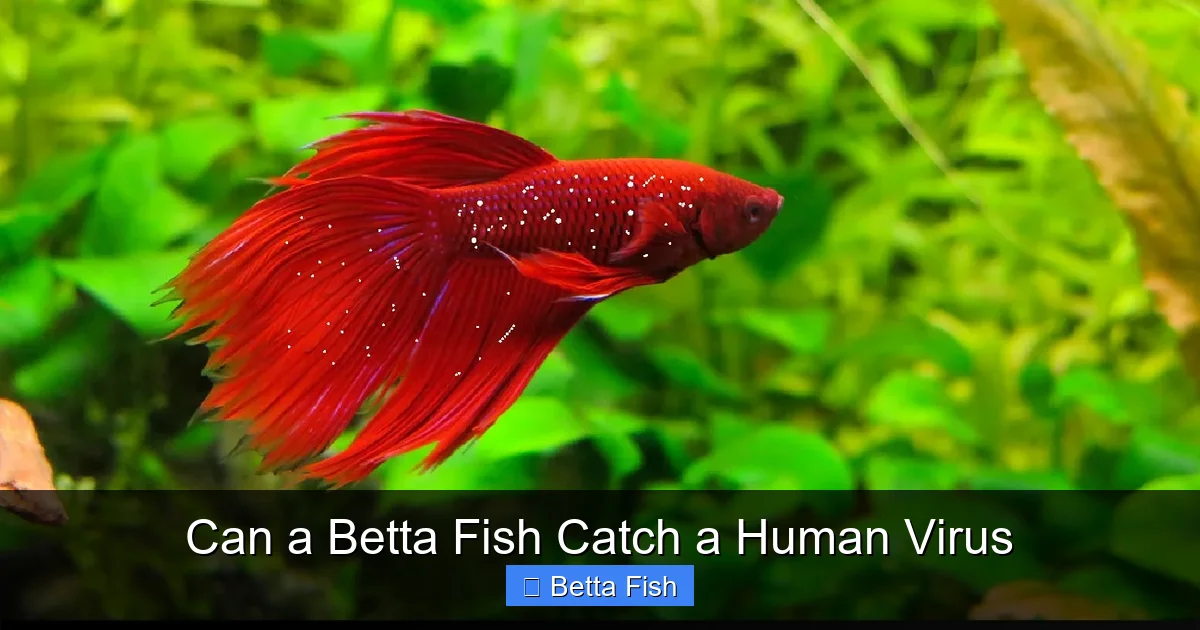
Protozoan parasites like Ichthyophthirius multifiliis (Ich) cause tiny white spots and frantic swimming. These are not viruses, but they are the real threats that owners need to watch for.
Viral Diseases in Fish (Not Human Viruses)
Fish do get viruses—like Betanodavirus or Koi Herpesvirus—but these are species‑specific and spread through water, not through human contact. They are rare in home aquariums and usually linked to contaminated stock.
3. How Poor Water Quality Mimics Viral Symptoms
Ammonia and Nitrite Buildup
High ammonia or nitrite levels can cause reddened gills, lethargy, and loss of appetite. These signs look like a viral infection but are actually chemical stress.
Visual guide about Can a Betta Fish Catch a Human Virus
Image source: buildyouraquarium.com
Temperature Fluctuations
Sudden drops or spikes in water temperature can weaken a betta’s immune response, making it more prone to bacterial or fungal infections.
Over‑crowding and Aggression
While bettas are often kept alone, adding too many tank mates can lead to stress, fin damage, and secondary infections. For more ideas on compatible tank mates, see our guide on What Fish Can Live With A Male Betta.
4. Practical Steps to Keep Your Betta Healthy
Maintain Clean Water
- Perform a 25‑30% water change weekly.
- Use a water conditioner to neutralize chlorine and chloramines.
- Test ammonia, nitrite, and nitrate levels at least twice a month.
Provide the Right Temperature
Invest in a reliable heater and a thermometer. Keep the water between 76°F‑82°F (24°C‑28°C). Avoid placing the tank near drafts or direct sunlight.
Feed a Balanced Diet
High‑quality betta pellets or frozen bloodworms supply essential nutrients. Avoid over‑feeding; a pinch once or twice a day is sufficient.
Limit Stress Triggers
- Keep the tank in a quiet area away from loud noises.
- Use a gentle filter that doesn’t create strong currents.
- Provide plenty of hiding spots with live or silk plants.
Practice Good Hygiene
Wash your hands before and after handling your betta or cleaning the tank. Disinfect nets and decorations with a diluted bleach solution (1:20) and rinse thoroughly.
Know When to Call a Vet
If you notice persistent loss of color, frayed fins, bloating, or unusual swimming, consult an aquatic veterinarian. Early diagnosis can prevent a minor issue from becoming a fatal outbreak.
5. Frequently Asked Concerns About Human‑to‑Fish Transmission
Can I transmit the flu to my betta?
No. The influenza virus cannot infect fish cells. However, if you’re sneezing near the tank, you might introduce bacteria from your hands if you don’t wash them first.
What about COVID‑19?
Studies show SARS‑CoV‑2 does not replicate in fish. The main precaution is to keep the tank clean, not to worry about the virus jumping to your betta.
Should I avoid handling the tank when I’m sick?
It’s courteous to wash hands thoroughly before any tank work, especially when you’re ill. This protects the fish from accidental bacterial contamination.
Conclusion: Peace of Mind for Betta Owners
While the idea of a betta catching a human virus can sound alarming, the biology simply doesn’t allow it. The real threats to your betta’s health lie in water quality, stress, and fish‑specific pathogens. By maintaining a clean, stable environment and practicing good hygiene, you give your betta the best chance to live a vibrant, disease‑free life.
Remember, a healthy betta is a happy betta. Keep the tank conditions optimal, watch for early warning signs, and enjoy the beautiful display of colors and personality that only a betta can provide.
Frequently Asked Questions
Can a betta fish catch a cold from a human?
No. The viruses that cause the common cold cannot infect fish because they require human‑specific cell receptors.
What are the most common diseases in betta fish?
Bacterial fin rot, fungal patches, and parasitic ich are the most frequent problems, usually linked to poor water conditions or stress.
How often should I change the water to prevent disease?
Changing 25‑30% of the water weekly, along with regular testing, helps keep ammonia and nitrite levels safe.
Is it safe to keep other fish with a betta?
Yes, if you choose compatible species and provide enough space. Learn more at What Fish Can Live With A Male Betta.
Can I use tap water for my betta’s tank?
Only if you treat it with a water conditioner to remove chlorine and chloramines, which are harmful to fish.
What should I do if my betta shows signs of illness?
Isolate the fish, test water parameters, and consider contacting an aquatic veterinarian for a proper diagnosis.