How to Tell If Your Betta Fish Is Asleep
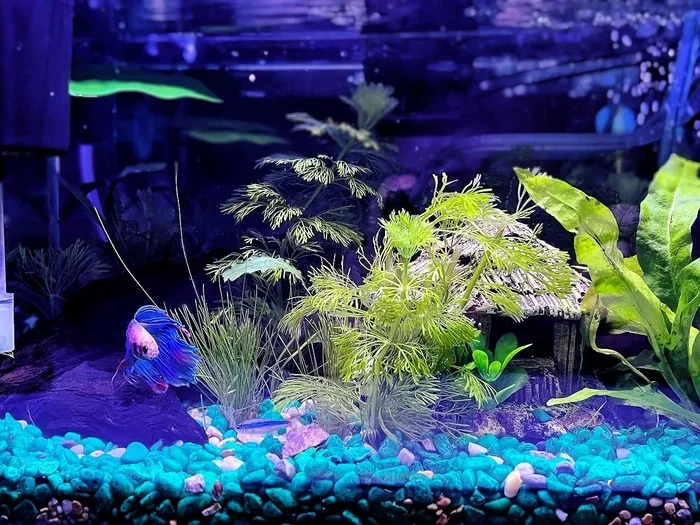
Knowing how to tell if your betta fish is asleep is easier than you think. Your betta may rest at the bottom, float near the top, or even hide in a leaf. Understanding their sleep patterns helps you keep your fish healthy and happy.
Have you ever stared at your betta fish and wondered if it was sleeping? Maybe it was sitting still at the bottom of the tank or floating strangely near the surface. You might have even thought something was wrong.
How to tell if your betta fish is asleep is a question many fish owners ask. The good news is that bettas do sleep. They just don’t sleep the way we do. Understanding their rest patterns helps you become a better owner. It also keeps your fish healthy and stress-free.
In this guide, you will learn every sign that shows your betta is resting. You will also discover what normal sleep looks like and what warning signs to watch for. By the end, you will know exactly how to read your fish’s behavior. Let us dive in.
Key Takeaways
- Betta fish do sleep: They rest with their eyes open and may change color or position.
- Common sleeping spots include the tank bottom, leaves, and corners: Each tells you something about comfort.
- Sleep vs. sickness matters: Lethargy can signal illness, not just rest.
- Tank environment affects sleep quality: Light, temperature, and noise all play a role.
- Your betta needs 8-12 hours of darkness daily: This supports a healthy sleep cycle.
- Watch for breathing changes: A slow, steady breath rate often means deep rest.
📑 Table of Contents
- Why Sleep Matters for Betta Fish
- How to Tell If Your Betta Fish Is Asleep
- Common Sleeping Positions
- Sleep Versus Sickness: How to Tell the Difference
- How Tank Environment Affects Sleep
- Tips for Promoting Better Sleep in Your Betta
- What Happens When Your Betta Does Not Get Enough Sleep
- Common Mistakes Owners Make About Betta Sleep
- Expert Insights on Betta Sleep
- Conclusion
Why Sleep Matters for Betta Fish
Sleep is just as important for fish as it is for humans. When your betta fish rests, its body repairs itself. Its immune system gets stronger. Its mind processes the day’s activities. Without proper rest, your fish can become stressed and fall ill.
Many people forget that fish need darkness to sleep well. In the wild, bettas experience natural day and night cycles. Your aquarium should mimic this. A tank with too much light can disrupt their rest. This leads to a weakened immune system and poor health.
The Day-Night Cycle
Bettas are diurnal creatures. This means they are active during the day and rest at night. Their bodies follow a natural rhythm tied to light. When the lights go off, your betta starts winding down. It finds a spot to rest and slowly drifts into sleep.
If you keep your tank lights on for more than 10 hours a day, your fish may struggle to rest. Try to keep a consistent schedule. Turn the lights on in the morning and off at night. This simple habit makes a big difference in your fish’s well-being.
How to Tell If Your Betta Fish Is Asleep
Now let us get to the core topic. How to tell if your betta fish is asleep comes down to a few clear signs. Your fish cannot close its eyes, so you need to look for other clues. These signs are easy to spot once you know what to watch for.
Color Changes
One of the most obvious signs is a change in color. When a betta is awake, its colors are bright and vivid. When it sleeps, those colors often fade. Your fish may look pale or slightly washed out. This is completely normal and not a cause for concern.
Some bettas also develop “sleep bands.” These are faint horizontal stripes that appear during rest. They go away once your fish wakes up. If you notice color fading, check the time. If it is nighttime or the lights are off, your fish is likely just sleeping.
Stillness and Reduced Movement
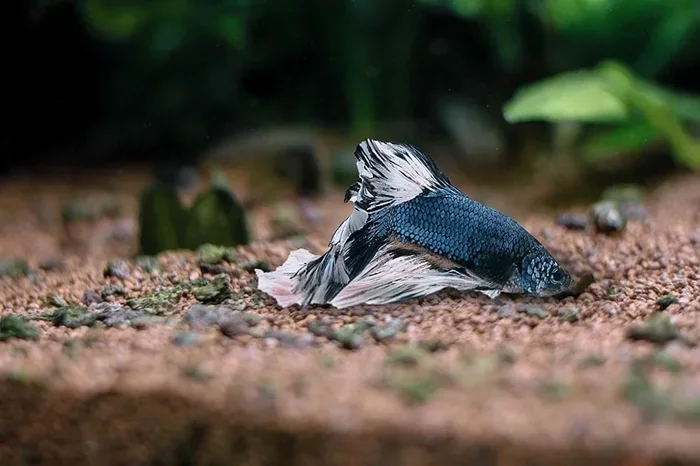
A sleeping betta fish becomes very still. It may hover in one spot without moving its fins much. Some bettas rest on the gravel at the bottom of the tank. Others float gently near the surface. Either way, movement is minimal.
You might notice your betta resting on a plant leaf or tucked into a corner. This is a natural sleeping position. Bettas often find a spot they feel safe in before they rest. If your fish is still but breathing steadily, it is most likely asleep.
Slow Breathing Rate
Watch your betta’s gills closely. A resting betta breathes more slowly than an active one. The gills move gently and steadily. This slow breathing rate is a strong indicator of deep rest. If the breathing is too fast or labored, that could signal a health problem.
Use this simple check. Observe your fish for one minute. Count the gill movements. A sleeping betta usually breathes fewer than 30 times per minute. An active betta breathes faster. If you are unsure, wait and check again later.
Common Sleeping Positions
Bettas sleep in several interesting positions. Each one tells you something about how comfortable your fish feels. Let us look at the most common ones.
Lying on the Bottom
This is the most common sleeping position. Your betta rests flat on the substrate or hides in the gravel. It may tuck itself under a leaf or decoration. This position means your fish feels safe and relaxed in its environment.
However, if your fish stays on the bottom for hours while the lights are on, pay attention. It could be a sign of illness or stress. Use your knowledge of how to tell if your betta fish is sick to make the right call. Look for other symptoms like clamped fins or loss of appetite.
Floating Near the Surface
Some bettas prefer to sleep near the top of the tank. They float gently with their heads slightly tilted upward. This position looks almost like they are hovering. It is perfectly normal and often seen in well-rested fish.
If your betta floats at the top but is unresponsive, it could be sleeping deeply. Just make sure it is not gasping for air. Gasping at the surface can indicate low oxygen levels, which is a different issue entirely.
Curling Up in Leaves
Bettas love to snuggle into soft plants and leaves. They curl their bodies and rest among the foliage. This behavior mimics their natural habitat in the wild. It gives them a sense of security and comfort.
If your tank has live or silk plants, your betta will likely use them as sleeping spots. This is a great sign. It means your fish feels at home. You can also add betta hammocks or leaf decorations to give your fish more options.
On a Leaf or Hammock
Many betta owners add leaf hammocks to their tanks. These are small platforms that attach to the glass or float on the surface. Your betta may use one as a bed. It lies flat on the leaf and drifts off to sleep.
This is one of the cutest things to watch. It also shows that your fish trusts its environment. If your betta uses a hammock regularly, that is a great indicator of a happy, healthy fish.
Sleep Versus Sickness: How to Tell the Difference
This is where many fish owners get confused. A sleeping betta and a sick betta can look very similar. Both may stay still, float oddly, or lie at the bottom. So how do you know which is which?
The key is to observe patterns. A sleeping fish wakes up when the lights turn on or when you approach the tank. A sick fish stays lethargic no matter what. If your betta does not respond to food or movement after the lights come on, something may be wrong.
Always compare your fish’s current behavior to its normal behavior. If it is usually active and suddenly becomes very still, investigate further. You can learn more about this in our guide on how to tell if my betta fish is sick. Knowing the difference between rest and illness is critical.
| Sign | Sleeping | Sick |
|---|---|---|
| Response to food | Eats normally when awake | Refuses food for days |
| Breathing rate | Slow and steady | Fast, labored, or gasping |
| Color | Fades slightly, returns when awake | Stays pale or develops spots |
| Position | Normal sleeping positions | Unusual or strained positions |
| Response to light | Wakes up when lights turn on | Remains unresponsive |
| Fins | Relaxed but normal | Clamped or torn |
How Tank Environment Affects Sleep
The environment inside your aquarium plays a huge role in your betta’s sleep quality. A well-designed tank promotes healthy rest. A poorly maintained tank causes stress and sleeplessness. Let us look at the key factors.
Lighting
Bettas need a clear day-night cycle. Too much light tricks their brain into thinking it is always daytime. This disrupts their natural sleep rhythm. Aim for 8 to 10 hours of light per day. Use a timer to keep the schedule consistent.
At night, make sure the tank is completely dark. Even small LED lights on equipment can disturb your fish. If you need to check on your betta at night, use a dim red light. Bettas cannot see red light well, so it will not wake them up.
Temperature
Betta fish are tropical creatures. They need warm water to stay healthy and sleep well. The ideal temperature range is between 76 and 82 degrees Fahrenheit. If the water is too cold, your betta becomes sluggish and may sleep too much. If it is too hot, your fish becomes restless.
Use a reliable aquarium heater with a thermostat. Check the temperature daily. A stable temperature helps your betta maintain a regular sleep cycle. For more tips on keeping your fish warm, check out our guide on how to keep your betta fish warm.
Noise and Vibrations
Believe it or not, fish can hear vibrations. Loud noises near the tank can startle your betta and disrupt its sleep. Place your aquarium in a quiet area of your home. Avoid putting it near speakers, TVs, or high-traffic hallways.
Gentle background noise is fine. But sudden loud sounds can stress your fish. Over time, this stress affects their sleep and overall health. A calm environment leads to a happy, well-rested betta.
Tank Decorations and Hiding Spots
Bettas feel safer when they have places to hide and rest. Live plants, silk decorations, and leaf hammocks all serve as sleeping spots. These elements make your fish feel secure, which promotes deeper, longer rest.
Avoid sharp plastic decorations. They can tear your betta’s delicate fins. Stick to soft plants and smooth decorations. Your fish will thank you with better sleep and brighter colors.
Tips for Promoting Better Sleep in Your Betta
Want your betta to sleep better? A few simple changes can make a huge difference. Here are some practical tips you can start using today.
- Keep a consistent light schedule. Use a timer so the lights turn on and off at the same time every day.
- Maintain proper water temperature. Keep the tank between 76 and 82 degrees Fahrenheit.
- Add plants and hiding spots. Give your betta comfortable places to rest.
- Reduce noise near the tank. Place the aquarium in a calm, quiet area.
- Feed your fish on a regular schedule. A well-fed betta sleeps more soundly.
- Do regular water changes. Clean water reduces stress and supports healthy rest.
- Avoid tapping on the glass. This startles your fish and disrupts its sleep cycle.
Following these tips creates the ideal rest environment for your betta. A well-rested fish is a happy fish. It will show brighter colors, more energy, and a stronger appetite. You can also explore how to make your betta fish happy overall for more holistic care advice.
What Happens When Your Betta Does Not Get Enough Sleep
Just like humans, bettas suffer when they do not get enough rest. Sleep deprivation weakens their immune system. It makes them more vulnerable to diseases. A tired betta may become aggressive, lose its appetite, or develop dull colors.
Chronic sleep loss can shorten your fish’s lifespan. Bettas typically live 3 to 5 years with proper care. Without adequate rest, that number drops significantly. This is why understanding your fish’s sleep needs is so important.
If you notice your betta swimming erratically or staying hidden all the time, check the tank conditions first. Often, a simple adjustment to the light or temperature solves the problem. You can also read our article on how to make your betta fish happy for more ways to improve your fish’s quality of life.
Common Mistakes Owners Make About Betta Sleep
Let us talk about some mistakes that are easy to avoid. Many new fish owners make these errors without realizing it.
- Leaving the lights on 24/7: This exhausts your fish and disrupts its natural rhythm.
- Assuming stillness always means sleep: A motionless betta could be sick, not resting.
- Ignoring tank temperature: Cold water makes bettas sluggish and disrupts sleep patterns.
- Not providing hiding spots: Without safe resting places, your fish stays stressed and alert.
- Disturbing the tank at night: Sudden light or noise wakes your betta and causes stress.
Avoiding these mistakes goes a long way in keeping your betta healthy. A little attention to detail makes all the difference.
Expert Insights on Betta Sleep
Experienced aquarists agree that sleep is one of the most overlooked aspects of fish care. Many owners focus on feeding and tank maintenance but forget about rest. Dr. Jessie Sanders, a certified aquatic veterinarian, emphasizes that “a well-rested fish is a resilient fish. Sleep quality directly impacts immune function and behavior.”
Behaviorists also note that bettas display personality traits during sleep. Some bettas are deep sleepers and hardly move at all. Others remain lightly rested and respond to movement nearby. Learning your individual fish’s patterns takes time, but it is well worth the effort.
Understanding your betta’s unique sleep personality helps you provide better care. Some fish prefer to sleep in open water. Others need complete darkness and hiding spots. Observe your fish over several days and you will start to see clear patterns emerge.
Conclusion
Learning how to tell if your betta fish is asleep is a rewarding skill for any fish owner. You now know the key signs to watch for. Color changes, stillness, slow breathing, and specific sleeping positions all indicate rest. You also know how to tell the difference between sleep and sickness, which is essential for proper care.
A good sleep environment starts with proper lighting, temperature, and tank setup. Keep the water warm, the lights on a schedule, and the tank free from disturbances. These simple steps ensure your betta gets the rest it needs.
If you want to go further, explore more resources on how to know if your betta fish is happy. Happy fish sleep better, and well-rested fish live longer. Pay attention to your betta’s sleep habits today. Your fish will be healthier and more vibrant because of it.
Frequently Asked Questions
How many hours does a betta fish sleep?
Betta fish typically sleep for 8 to 12 hours a day. They follow a day-night cycle and rest mostly at night. If your betta seems overly tired during the day, check the tank environment for stress factors.
Can I leave my aquarium light on at night?
No, you should not. Bettas need darkness to sleep properly. Leaving the light on disrupts their natural rhythm and can cause stress. Use a timer to automate the light schedule and keep things consistent.
Is it normal for my betta to sleep on the bottom of the tank?
Yes, sleeping on the bottom is very common and normal. Bettas often rest on the gravel or hide among decorations. Just make sure your fish moves when it is time to eat and responds to its surroundings during the day.
Why is my betta fish not sleeping?
Several factors can cause sleep issues. Too much light, wrong temperature, stress, or illness can all play a role. Check your tank conditions first. If the environment is fine, your fish may be sick and need closer observation.
Do betta fish dream?
While we cannot know for sure, scientists believe fish experience some form of rest similar to dreaming. You may notice your betta making small fin movements or twitches during sleep. This is likely a sign of deep, restorative rest.
What should I do if my betta sleeps too much?
Excessive sleep can signal a problem. Check the water temperature first. Cold water makes bettas sluggish. Also look for signs of illness like loss of appetite or faded colors. If the behavior continues, consult a fish veterinarian for advice.