How to Prevent Betta Fish from Seeing Reflection
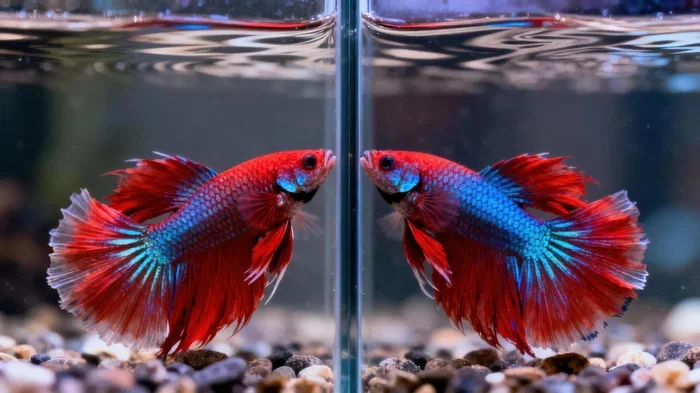
Preventing your betta fish from seeing reflections is one of the simplest ways to reduce stress and aggression. Betta fish often mistake their own reflection for a rival, leading to constant flaring and exhaustion. This guide covers easy, practical methods to block reflections and create a calm, healthy environment for your betta.
Have you ever watched your betta fish flare at nothing? It might look funny at first, but it is actually a sign of serious stress. Betta fish see their own reflection in the glass and think it is another fish invading their space. This constant fighting drains their energy and can make them sick over time.
The good news is that fixing this problem is easier than you might think. With a few simple changes, you can stop your betta from seeing its reflection and keep it calm and happy. In this guide, we will walk you through every method that actually works. Whether you are a beginner or a seasoned fish keeper, these tips will help you create a better home for your betta.
Let us dive right in and learn how to protect your betta from the stress of seeing its own reflection all day long.
Key Takeaways
- Reflections cause serious stress: Betta fish see their reflection as a rival and constantly flare, which drains their energy and weakens their health.
- Adjusting tank placement works immediately: Moving the tank away from windows and bright lights is the fastest fix.
- Backgrounds and decorations help block views: Adding a tank background and live plants reduces what your betta sees.
- Lighting control is key: Reducing bright or direct light cuts down on clear reflections.
- Watch for stress signs: Constant flaring, clamped fins, and loss of appetite mean your betta is stressed by what it sees.
- Tank dividers serve double duty: They block reflections and keep bettas separated in shared spaces.
📑 Table of Contents
- Why Betta Fish See Reflections and Why It Matters
- How Reflections Stress Your Betta Fish
- Practical Ways to Prevent Betta Fish from Seeing Reflection
- Best Tank Setup to Reduce Reflections and Keep Your Betta Happy
- Signs Your Betta Is Still Stressed by Reflections
- Quick Tips to Prevent Betta Fish from Seeing Reflection
- Common Mistakes People Make When Dealing with Betta Reflections
- Expert Insight: Why a Calm Betta Is a Healthy Betta
- Conclusion
Why Betta Fish See Reflections and Why It Matters
Betta fish have excellent eyesight. They can spot movement and details that many other fish cannot. This helps them survive in the wild, but it causes big problems in a home aquarium. When a betta looks at the glass walls of its tank, it sees itself clearly. To the fish, this looks exactly like a rival male betta invading its territory.
When a betta sees a reflection, it reacts the same way it would to a real rival. It flares its gills, spreads its fins, and displays bright colors. This is natural behavior, but doing it all day long is not natural. In the wild, these encounters are brief. In a tank with clear glass and bright lighting, the betta faces its rival 24 hours a day.
Over time, this constant stress takes a real toll. Your betta may stop eating, lose color, or develop fin damage. It may also become more aggressive toward you during tank maintenance. The betta fish aggression caused by reflections is one of the most common yet overlooked problems in fish keeping.
The Science Behind Betta Fish Vision
Betta fish eyes work differently from human eyes. They can see a wide range of colors and detect movement very well. Their eyes are positioned on the sides of their head, which gives them a nearly full view of what is around them. This wide field of vision means they easily spot their own reflection on the glass.
Bright lighting makes the reflection even more visible. When light shines through the tank and bounces off the glass, the betta sees a clear image of itself. In dimmer conditions, the reflection fades, and the fish is less likely to react. This simple fact gives us our first clue about how to solve the problem.
How Reflections Stress Your Betta Fish
Understanding the stress that reflections cause helps you take this problem seriously. Many fish owners do not realize that their betta is suffering because the fish does not show obvious pain. Instead, the stress builds up slowly over days and weeks.
When a betta flares at its reflection, it releases stress hormones. These hormones are meant for short bursts of energy during a real fight. But when the threat never goes away, the hormones stay at high levels. This weakens the immune system and leaves the fish vulnerable to disease.
Here are the main ways that reflections stress out your betta:
- Constant flaring: The betta flares throughout the day and night, never getting rest.
- Energy drain: Flaring uses a lot of energy. Over time, the fish loses weight and becomes weak.
- Loss of appetite: Stressed bettas often stop eating or eat much less than normal.
- Color fading: A happy, healthy betta shows bright, vivid colors. A stressed betta looks pale and dull.
- Fin damage: Repeated flaring and bumping into the glass can tear fins over time.
- Increased disease risk: A weakened immune system makes the fish more likely to get sick.
If you notice any of these signs, check whether your betta can see its reflection. Fixing this issue often solves the problem faster than you would expect. For more on recognizing and handling a stressed betta, check out our guide on how to treat a stressed betta fish.
Practical Ways to Prevent Betta Fish from Seeing Reflection
Now let us get into the solutions. There are several effective methods you can use right away. Each one targets the reflection problem in a different way. You can use one method or combine several for the best results.
1. Adjust the Tank Placement
The easiest and fastest way to reduce reflections is to change where your tank sits. Move the tank away from windows, bright lamps, and direct light sources. When sunlight or room lights shine directly into the tank, the glass becomes a mirror. Your betta sees a crystal-clear image of itself.
Try placing the tank against a wall that does not face windows. If you cannot move the tank, try shifting it a few inches to the side. Even a small change in angle can break up the reflection and make the glass less mirror-like.
Also, avoid placing the tank near televisions or bright screens. These create flickering light patterns that can confuse and stress your fish. A calm, stable environment goes a long way toward keeping your betta relaxed.
2. Add a Tank Background
A tank background is one of the simplest and most affordable solutions. You can buy adhesive backgrounds made for aquariums, or you can even use a plain dark poster board taped to the back and sides of the tank.
Dark backgrounds work best because they reduce the visibility of the glass. When the back and sides of the tank are dark, the betta sees less of its own reflection. It also helps the fish feel more secure, as dark spaces mimic the natural hiding spots bettas prefer in the wild.
You do not need to cover every side. Start with the back panel and the two sides facing the main light sources. This simple change can make a big difference in how your betta behaves.
3. Use Live Plants and Decorations
Live plants are a fantastic way to break up reflections inside the tank. Thick, lush plants create natural barriers that block your betta’s view of the glass. The fish sees plants instead of its own reflection, which keeps it calm and engaged.
Some great plant choices for betta tanks include:
- Java fern: Grows well in low light and requires very little maintenance.
- Anubias: A hardy plant that attaches to rocks and driftwood.
- Amazon sword: Creates broad leaves that provide excellent coverage.
- Java moss: Grows thick and gives your betta plenty of places to explore.
In addition to plants, add caves, driftwood, and other decorations. These give your betta places to hide and explore, which reduces its focus on the glass walls. The more interesting the environment, the less your betta will pay attention to reflections.
4. Control the Lighting
Bright lighting is one of the biggest causes of visible reflections. The stronger the light, the clearer the mirror image on the glass. You do not want to make the tank dark, but you do want to find a balance that works for your betta.
Use a dimmable LED light or set your aquarium light on a timer. Give your betta a regular day-night cycle with about 8 to 10 hours of light per day. This mimics natural conditions and reduces the amount of time your betta is exposed to bright reflections.
Also, avoid placing the tank light directly above a reflective surface. If the tank sits on a dresser or table with a glossy finish, that surface can bounce light back into the tank and make reflections worse.
5. Use a Tank Divider
A tank divider is a great solution if you keep multiple bettas or if your tank is placed in a high-traffic area of your home. A divider blocks your betta’s view of the other side of the tank, which cuts down on reflections from the opposite end.
If you are interested in building your own, our guide on how to make a betta fish tank divider has step-by-step instructions. Dividers also help prevent aggression between fish, so they serve multiple purposes in your setup.
Make sure the divider has small holes or a mesh design that allows water to flow freely. This keeps the water quality consistent on both sides and prevents dead spots from forming.
Best Tank Setup to Reduce Reflections and Keep Your Betta Happy
Setting up your tank with reflections in mind makes a huge difference. A well-planned setup does more than just look good. It creates a peaceful environment where your betta can thrive without the constant stress of seeing its own reflection.
If you are new to betta keeping, our article on how to set up a fish tank for betta fish covers the basics of creating a healthy and comfortable habitat. A proper setup addresses reflections from the start, so you do not have to fix problems later.
Here are the key elements of a betta tank setup that minimizes reflections:
- Dark or matte tank background: Reduces the mirror effect on the back and sides.
- Live plants and decorations: Break up the line of sight inside the tank.
- Dimmable lighting: Prevents harsh reflections from bright light sources.
- Matte or textured tank stand: Stops light from bouncing off surfaces beneath the tank.
- Strategic tank placement: Away from windows and direct light.
- Appropriate tank size: A larger tank gives the fish more swimming space and reduces the intensity of reflections on the glass.
Every one of these elements works together to create a calmer environment. You do not need to implement all of them at once. Start with the easiest fix and build from there.
Signs Your Betta Is Still Stressed by Reflections
Even after you make changes, it is important to monitor your betta for signs of ongoing stress. Fish are good at hiding discomfort, so you need to watch closely for subtle clues.
Here are the most common signs that your betta is still seeing reflections and feeling stressed:
- Constant flaring: The betta flares every time it catches its own reflection or sees movement in the glass.
- Glass surfing: The fish swims repeatedly along the glass walls, often bumping its nose against the surface.
- Loss of color: The betta’s vibrant colors fade to a dull or pale shade.
- Clamped fins: The fish keeps its fins close to its body instead of spreading them out comfortably.
- Hiding constantly: A normally curious betta that suddenly hides all the time is likely stressed.
- Refusing food: Skipping meals or showing no interest in food is a clear red flag.
If you see these signs after making changes, give it some time. Betta fish can take a few days to adjust to a new environment. But if the signs persist for more than a week, try additional methods like adding more plants or adjusting the lighting further.
Quick Tips to Prevent Betta Fish from Seeing Reflection
Here is a quick list of fast, easy things you can do today to reduce reflections in your betta tank:
- Move the tank away from windows and direct light sources.
- Stick a dark background on the back and sides of the tank.
- Add a few live plants or decorations to break up the view of the glass.
- Turn off bright room lights near the tank during evening hours.
- Use a dimmable aquarium light and set it on a timer.
- Check for reflections at different times of day and adjust accordingly.
- Keep the water clean and well-maintained to reduce overall stress.
These small changes add up quickly. You will likely notice a difference in your betta’s behavior within just a few days. A calmer betta is a healthier betta, and that means fewer problems for you as the owner.
Common Mistakes People Make When Dealing with Betta Reflections
Many fish owners make avoidable mistakes when trying to solve the reflection problem. Here are the most common ones to watch out for:
- Using a mirror to test your betta: Some people think flashing a mirror at their betta is harmless fun. It is not. It causes real stress and can harm your fish over time.
- Overcrowding the tank with plants: While plants help block reflections, too many can reduce swimming space and lower water quality. Strike a balance.
- Ignoring the sides of the tank: People often focus only on the back of the tank. But reflections on the sides can be just as stressful for your betta.
- Using harsh lighting to see the fish better: Bright lights may make your betta look more colorful, but they also create stronger reflections and more stress.
- Thinking the fish will get used to it: Betta fish do not simply adapt to constant stress. The flaring and anxiety will continue and worsen over time without intervention.
Avoiding these mistakes saves you time and keeps your betta healthy from the start. Prevention is always easier than fixing a problem that has already taken hold.
Expert Insight: Why a Calm Betta Is a Healthy Betta
Experienced fish keepers know that a stress-free environment is the foundation of good fish health. When your betta does not have to fight imaginary rivals all day, it has more energy for eating, exploring, and displaying its natural colors. A calm betta lives longer, looks better, and is much more enjoyable to watch.
Reducing reflections is just one part of the equation. Proper betta fish water care, regular maintenance, and a balanced diet all work together to keep your fish in top shape. If you want to learn more about maintaining excellent water conditions, read our guide on how to take care of a betta fish water.
Small changes in your tank setup can lead to big improvements in your betta’s quality of life. The key is to be observant, make adjustments gradually, and always put your fish’s comfort first.
Conclusion
Preventing your betta fish from seeing its own reflection is one of the most impactful things you can do for its well-being. The stress caused by constant flaring at a mirror image can lead to serious health problems over time. But with the right approach, you can eliminate this problem and give your betta the peaceful home it deserves.
Start by adjusting the tank placement, adding a background, and controlling the lighting. Add live plants and decorations to break up the view of the glass. Watch your betta closely for signs of stress and make further adjustments as needed. Each step you take brings your betta closer to a calm, happy, and healthy life.
Your betta fish depends on you for its environment. A few thoughtful changes can make all the difference. Take action today, and you will see the results in your betta’s behavior, color, and overall vitality within just a few days.
Frequently Asked Questions
Can betta fish hurt themselves by flaring at their reflection?
Yes, repeated flaring can cause physical harm. The constant display of aggression tires the fish out and can lead to fin damage, loss of appetite, and a weakened immune system. Over time, this stress makes the betta more susceptible to diseases like ich and fin rot.
How long does it take for a betta to stop flaring at its reflection?
It depends on the fish and the changes you make. Some bettas calm down within a few days of reducing reflections, while others may take a week or two. Consistent changes to lighting, background, and tank placement help speed up the adjustment process.
Do tank backgrounds really work to block reflections?
Yes, tank backgrounds are one of the most effective and affordable solutions. A dark background on the back and sides of the tank significantly reduces the visibility of reflections. Your betta will see the background instead of its own image in the glass.
Is it okay to put a mirror in a betta tank to make it flare?
No, you should never put a mirror in a betta tank. Flaring at a mirror causes real stress and drains the fish’s energy. It is not a harmless activity. Betta fish cannot tell the difference between a reflection and a real fish, so the stress is genuine and harmful.
What type of lighting is best for reducing reflections in a betta tank?
Dimmable LED lights work best because you can control the brightness. Set the light to a moderate level and keep it on for 8 to 10 hours per day. Avoid placing the tank near windows where natural sunlight creates harsh reflections on the glass.
Can live plants completely eliminate reflections in a betta tank?
Live plants significantly reduce reflections by breaking up the line of sight inside the tank. However, they work best when combined with other methods like tank backgrounds and proper lighting. A combination of plants, decorations, and background coverage gives the best results for keeping your betta calm.