How to Get a Betta Fish to Eat
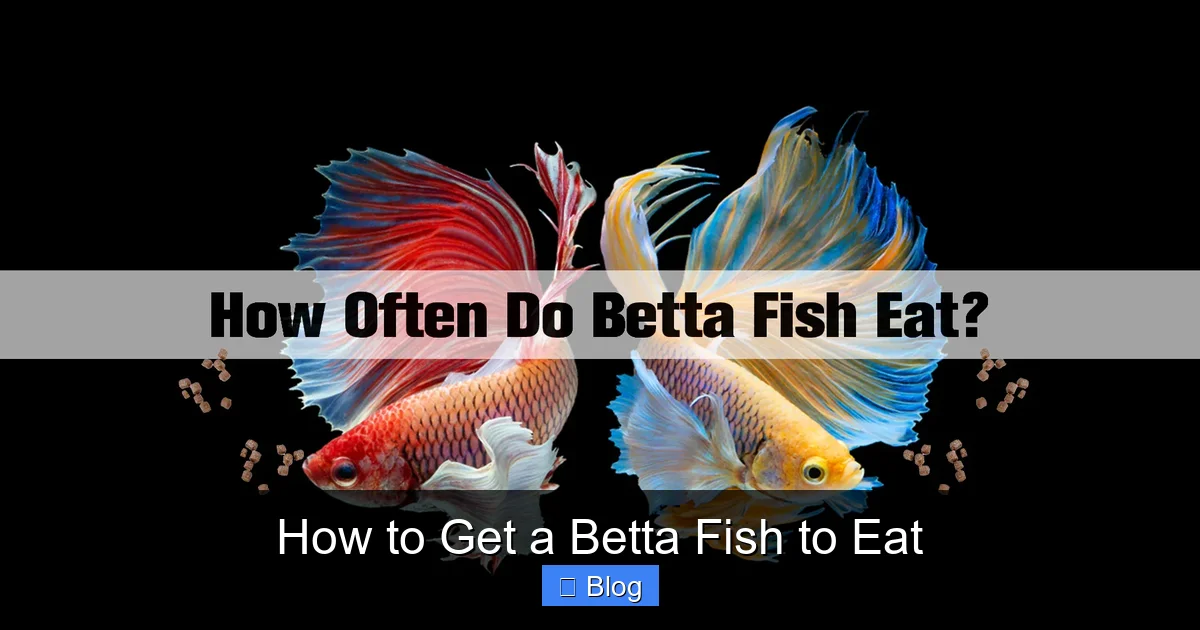
Is your betta fish refusing to eat? It’s a common but often solvable problem. The key lies in understanding that a betta’s appetite is a direct reflection of its environment, health, and diet. By systematically checking water parameters, offering high-quality and varied foods, and ruling out illness, you can almost always entice your finned friend to eat again. This guide walks you through every step, from immediate troubleshooting to long-term dietary excellence.
Key Takeaways
- Water Quality is Paramount: Poor water conditions are the #1 reason bettas stop eating. Regularly test for ammonia, nitrite, nitrate, and pH.
- Food Choice & Variety Matter: Switch from cheap flakes to high-quality pellets, frozen, or live foods. A varied diet stimulates natural hunting instincts.
- Rule Out Sickness First: Loss of appetite is a primary sign of illness. Check for bloating, fin rot, or lethargy before changing foods.
- Stress is a Major Appetite Killer: Loud noises, bright lights, aggressive tank mates, and a small tank can suppress hunger. Ensure a calm, spacious environment.
- Patience and Observation are Key: Don’t force-feed. Try small portions of different foods at consistent times and observe your betta’s preferences and behavior.
- Temperature Influences Metabolism: Bettas are tropical fish. Water that is too cold (below 76°F/24°C) slows their metabolism and reduces hunger.
- Sometimes, a Fast is Necessary: If your betta is bloated or constipated, a 24-48 hour fast can help reset its digestive system before offering bland foods like daphnia.
📑 Table of Contents
- Understanding Why Your Betta Fish Isn’t Eating
- Chapter 1: The Foundation – Perfecting Water Quality & Tank Environment
- Chapter 2: Diagnosing the Problem – Is Your Betta Sick?
- Chapter 3: Choosing & Presenting the Right Food
- Chapter 4: Advanced Techniques for the Picky or Stubborn Eater
- Chapter 5: Troubleshooting Special Cases & Long-Term Care
- Conclusion: Patience, Observation, and Consistent Care
Understanding Why Your Betta Fish Isn’t Eating
So, you’ve got a beautiful betta fish, a vibrant splash of color in your home or office. But instead of eagerly darting up to the surface for breakfast, he’s just… floating. Or hiding. Or ignoring the food you so carefully sprinkle in. It’s a worrying sight for any betta owner, and the first question that pops into your mind is: how to get a betta fish to eat?
The truth is, a betta’s appetite is like a canary in a coal mine. It’s one of the first things to change when something is off. Bettas are hardy, but they are also sensitive. A loss of appetite is rarely about being “picky” in the way a child might be; it’s almost always a symptom of an underlying issue. Your job is to become a betta detective, looking for clues in his environment, his body, and his behavior. This guide will give you the systematic approach to do just that, moving from simple fixes to more in-depth health assessments.
Chapter 1: The Foundation – Perfecting Water Quality & Tank Environment
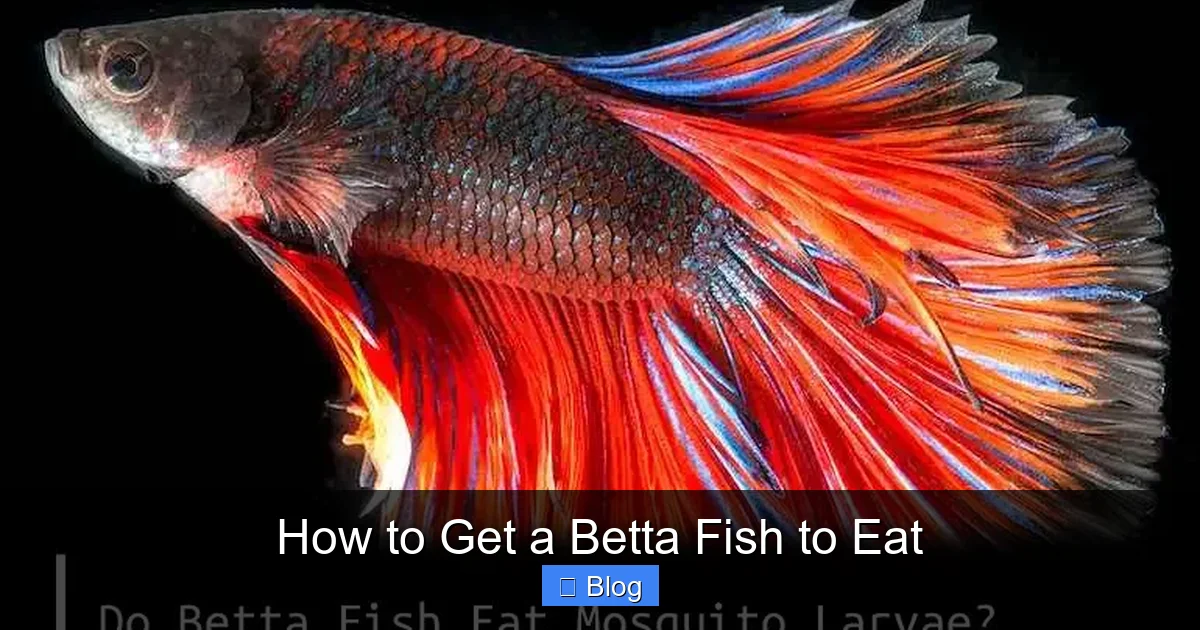
Before you even think about the food itself, you must address the water. Water quality is the single most critical factor in a betta’s overall health and willingness to eat. Betta fish in the wild live in slow-moving, warm, shallow waters with stable parameters. In a tank, they are completely dependent on you to replicate that. If the water is chemically imbalanced or physically stressful, their body goes into survival mode, and digestion is not a priority.
Visual guide about How to Get a Betta Fish to Eat
Image source: i0.wp.com
Testing is Non-Negotiable: The Water Parameter Checklist
You need a liquid water test kit (like the API Freshwater Master Test Kit). Strips are often inaccurate. Test for:
- Ammonia (NH3/NH4+): Should always be 0 ppm. Even tiny amounts are toxic and burn gills, making breathing (and eating) difficult.
- Nitrite (NO2-): Should always be 0 ppm. It prevents blood from carrying oxygen.
- Nitrate (NO3-): Should be below 20 ppm. High levels cause long-term stress and suppress the immune system.
- pH: Should be stable between 6.5 and 7.5. Sudden swings are more dangerous than a slightly “off” but stable pH.
- Temperature: Must be between 78°F and 80°F (25.5°C – 26.5°C). Use a reliable aquarium heater and a separate thermometer to verify.
If any parameter is off, perform a partial water change (25-50%) with dechlorinated, temperature-matched water to correct it immediately. This alone can often trigger a return to eating.
Beyond Chemistry: The Physical & Emotional Environment
A betta’s tank is its entire world. Is that world stressful?
- Tank Size: A 5-gallon tank is the absolute minimum. Smaller bowls lead to rapid water deterioration and chronic stress.
- Flow: Bettas have long, flowing fins. Strong filter flow exhausts them. Use a gentle filter or baffle the outflow with a sponge.
- Hiding Spots: Provide plants (live or silk), caves, or decorations. A betta that feels exposed will be too anxious to eat.
- Lighting: Avoid harsh, direct lights. Provide shaded areas. Some bettas are skittish in bright light.
- Tank Mates: Never house a betta with aggressive or fast fish. They are solitary and territorial. A stressed betta won’t eat.
Optimizing the environment removes a massive source of hidden stress, creating the calm, secure conditions necessary for a healthy appetite.
Chapter 2: Diagnosing the Problem – Is Your Betta Sick?
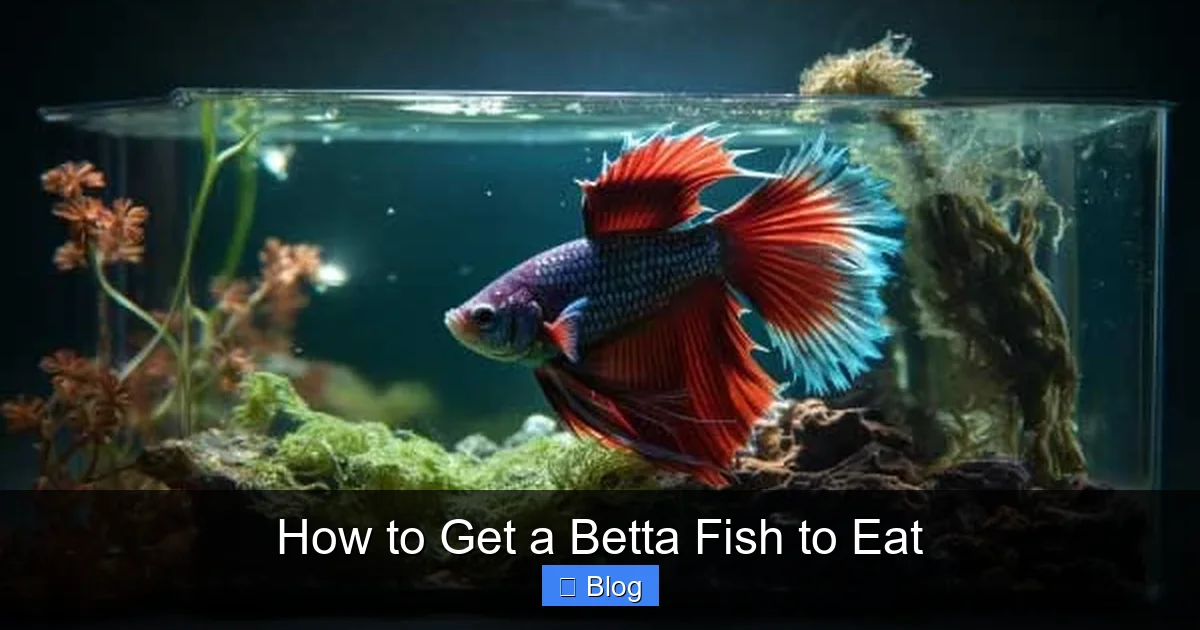
If the water is perfect and the environment is serene, the next suspect is health. A betta that doesn’t eat is very often a betta that is sick. Loss of appetite is a cardinal sign of illness in fish. You must perform a close visual inspection.
Visual guide about How to Get a Betta Fish to Eat
Image source: bettafishnest.com
The Daily Health Check: What to Look For
Observe your betta for several minutes. Don’t just glance. Look for:
- Body Condition: Is he skinny? Do his muscles look sunken near the head? This is a sign of prolonged fasting or internal issues.
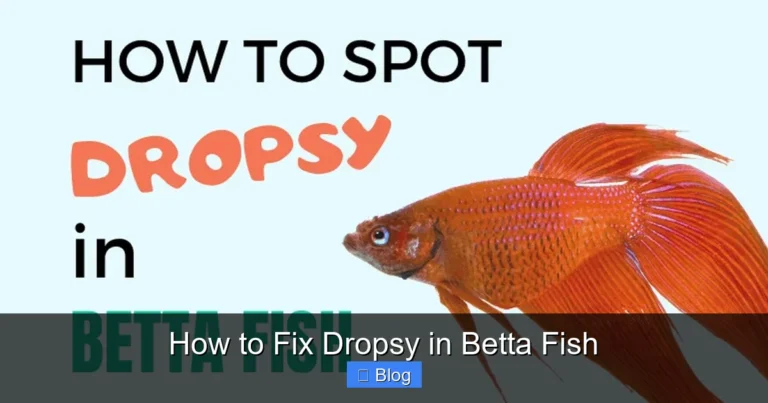
- Bloating: Is his belly swollen, pinecone-like, or uneven? This could indicate constipation, dropsy (a symptom, not a disease), or internal infection.
- Fins: Are they clamped tightly against the body? Are they ragged, torn, or have white edges (fin rot)?
- Scales: Do they look smooth and flat, or are they raised and sticking out (like a pinecone)? Raised scales are a severe sign of dropsy or organ failure.
- Gills: Are they moving rapidly? Do they look red, inflamed, or have white spots?
- Eyes: Are they clear, or are they cloudy, bulging, or sunken?
- Behavior: Is he lethargic, lying on the bottom, or swimming erratically? Is he rubbing against objects (flashing)?
Any of these signs point to illness as the primary cause for not eating. Do not try to force different foods on a visibly sick fish. The priority is diagnosing and treating the underlying disease.
Common Betta Diseases That Cause Appetite Loss
- Constipation: From overfeeding or low-fiber diet. Look for a swollen, stringy poop. Treat with a fast and then daphnia (a natural laxative).
- Swim Bladder Disorder: Causes difficulty maintaining buoyancy. Often linked to constipation, poor diet, or bacterial infection. Fast first, then offer a cooked, skinned pea (mashed).
- Fin Rot: Bacterial or fungal infection eating away at fins. Stress and poor water are primary causes. Treat with clean water and medication.
- Ich (White Spot Disease): Parasitic infection causing white dots. Highly contagious and stressful. Fish often lose appetite early on. Requires medication.
- Internal Parasites/Bacterial Infections: These are internal and cause severe loss of condition and appetite. May require medicated food or water additives.
If you suspect disease, research the specific condition and consider consulting a vet or experienced aquarist for treatment advice. Correcting the water parameters is the first step in any treatment plan.
Chapter 3: Choosing & Presenting the Right Food
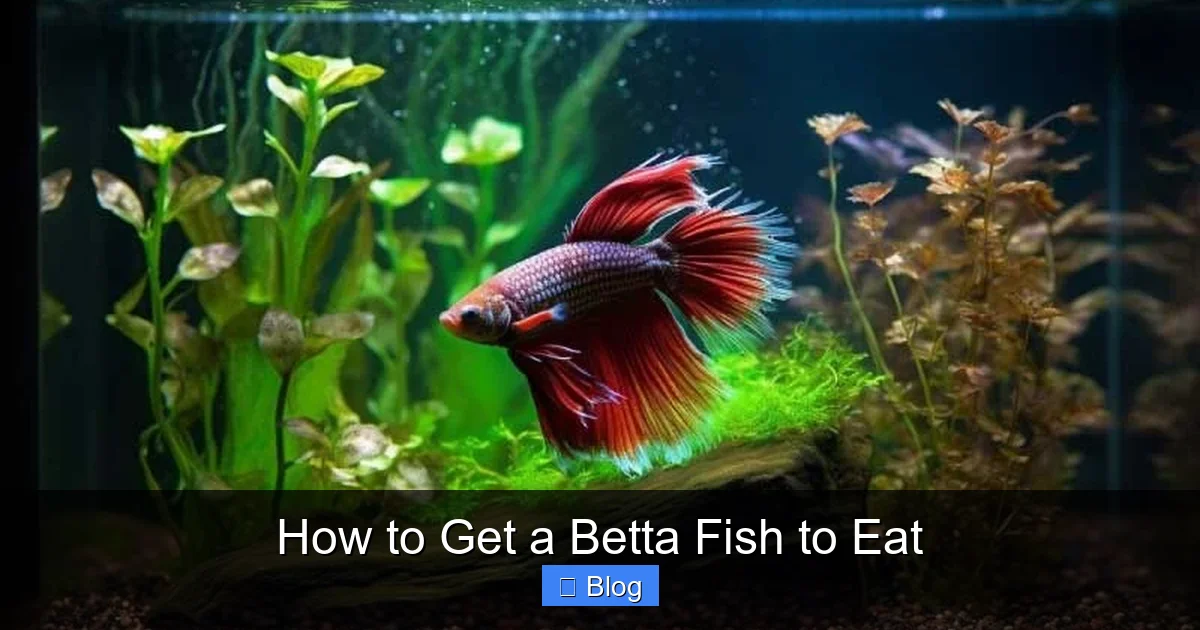
Assuming your betta is healthy and his home is pristine, it’s time to evaluate the food itself. Many commercial betta foods are nutritionally inadequate and can lead to health problems that eventually cause appetite loss. Think of it like feeding a child only candy—they might eat it at first, but they’ll eventually feel unwell.
Visual guide about How to Get a Betta Fish to Eat
Image source: bettafishnest.com
The Ideal Betta Diet: A Carnivore’s Requirements
Bettas are carnivorous insectivores. In the wild, they eat mosquito larvae, daphnia, brine shrimp, and other small invertebrates. Their diet should be primarily protein.
- Pellets: Choose high-quality pellets specifically for bettas. Look for ingredients where whole fish or shrimp meal is the first ingredient, not wheat, soy, or fish meal. Avoid pellets that crumble into dust (they pollute water). Soak them for 30 seconds before feeding to prevent digestive bloating.
- Frozen Foods: An excellent staple. Frozen bloodworms, brine shrimp, and daphnia are nutritious and easy to store. Thaw a small cube in a dish of tank water, rinse, and feed.
- Live Foods: The ultimate stimulant. Live daphnia, brine shrimp nauplii, or microworms trigger intense hunting instincts. Great for picky eaters or to condition a betta before breeding. Source from a reputable culture to avoid introducing disease.
- Freeze-Dried Foods: Good for occasional treats. Soak them in tank water first to rehydrate and prevent digestive issues.
Never feed flake food. It’s nutritionally poor, pollutes the water quickly, and most bettas ignore it anyway.
The Art of Feeding: Quantity, Timing, and Technique
How you feed is as important as what you feed.
- Quantity: Less is more. A betta’s stomach is roughly the size of its eye. Feed only 2-3 pellets (or an equivalent small portion of other foods) per meal, once or twice a day. Overfeeding is the fastest route to constipation, bloating, and poor water quality.
- Timing: Feed at the same times each day to establish a routine. Bettas are diurnal (active during the day). Morning and early evening are ideal.
- Presentation: This is crucial for a reluctant eater. Use a turkey baster or small pipette to place food directly in front of your betta’s face. If he’s a surface dweller, gently release the food at the water’s surface. If he’s a mid-level or bottom dweller (some are!), let the food sink slowly to him. For live or frozen foods, release them near his hiding spot so he can “hunt” them.
- Remove Uneaten Food: After 5 minutes, use a net or siphon to remove any leftovers. This prevents water pollution and avoids teaching your betta that food is always available at the bottom.
Chapter 4: Advanced Techniques for the Picky or Stubborn Eater
Okay, water is perfect, no signs of disease, food is premium—and he’s still turning up his nose. Now what? It’s time for advanced strategies. Some bettas, especially those raised on only one type of food in a store, need to be “retrained” to eat a proper diet.
The Food Rotation & Enticement Method
Variety is key. Don’t offer the same thing every day. Try this rotation over a week:
- Day 1-2: High-quality betta pellets (soaked).
- Day 3: Frozen bloodworms (thawed & rinsed).
- Day 4-5: Pellets again.
- Day 6: Live or frozen daphnia (excellent for digestion).
- Day 7: Fast (no food) to clear the digestive tract.
If he refuses one, try another the next day. Sometimes a new taste or texture (like the wriggle of live food) is all it takes.
Stimulating the Natural Instinct to Hunt
Bettas are instinctual hunters. A passive pile of food at the surface may not register as “food” for a betta used to chasing prey. Try these tricks:
- The “Worm” Jig: Use tweezers to hold a small piece of frozen bloodworm or a live food and gently wiggle it in the water current near your betta. This mimics live prey and can trigger a chase response.
- Target Training: Use a target (a small suction cup with a colored dot) near the water’s surface. When your betta comes to investigate, immediately release a tiny food pellet. He’ll learn to associate the target with food.
- Change the Location: Drop a food item near a plant leaf or decoration and watch as your betta explores and finds it.
When All Else Fails: The Gentle Fast & Soaking Method
If your betta is bloated but not showing other signs of disease, he may be constipated. A short fast can work wonders.
- Fast for 24-48 hours. Do not feed anything. This gives his digestive system a complete rest.
- After the fast, offer a single, small piece of cooked, skinned pea. Mash it between your fingers. The fiber acts as a laxative.
- If he eats the pea, wait 24 hours and then offer a very small portion of his normal food. If he refuses the pea, try a few live daphnia instead, which also have a laxative effect.
This method is often more effective than trying different rich foods when the system is backed up.
Chapter 5: Troubleshooting Special Cases & Long-Term Care
Some situations require specific considerations. Let’s address common special cases.
The New Betta: The “Shipping Stress” Syndrome
A betta from a pet store or online has just endured a massive ordeal—shipping in a small bag, possibly cold temperatures, and poor water. It’s common for them to hide and not eat for 3-7 days. Do not panic and overfeed.
- Keep the water pristine with daily small water changes.
- Keep lights dim.
- Offer live foods like daphnia or baby brine shrimp, as they are easiest to digest and most enticing.
- Be patient. Once he settles in and realizes food is safe and available, his appetite will return.
The Elderly Betta: Slowing Metabolism
Bettas over 3-4 years old are seniors. Their metabolism slows. They may eat less overall. Accommodate this by:
- Feeding slightly smaller portions.
- Offering easier-to-eat foods like soaked pellets or soft frozen foods.
- Ensuring the water is exceptionally clean, as their immune systems are weaker.
- Monitoring his weight closely to ensure he’s not wasting away.
Seasonal & Temperature-Related Appetite Changes
In cooler months, if your home temperature drops and your heater can’t keep up, your betta’s metabolism will slow dramatically. He may eat very little or stop altogether. First, verify the actual water temperature with a separate thermometer. If it’s below 76°F (24°C), invest in a more reliable heater. A warmer betta is a hungrier betta.
Conclusion: Patience, Observation, and Consistent Care
Figuring out how to get a betta fish to eat is a process of elimination and attentive care. It’s not about finding a magic food; it’s about becoming a holistic caretaker. Start with the absolute basics: test and perfect your water. Then, conduct a thorough health check. Next, upgrade your food to a high-quality, varied carnivorous diet. Finally, employ gentle feeding techniques and stimulation.
Remember, your betta cannot tell you what’s wrong. You have to interpret the clues from his body and his behavior. A betta that eats well is a betta that is vibrant, active, and displaying its full, stunning colors. By investing the time to understand and meet his needs, you’re not just solving a feeding problem—you’re providing the foundation for a long, healthy, and beautiful life for your aquatic companion. Stay observant, be patient, and enjoy the rewarding moment when he finally darts up to accept that tasty morsel from your tweezers.
Frequently Asked Questions
How long can a betta fish go without eating?
A healthy betta can survive 1-2 weeks without food, but this is not recommended. After 3-5 days, their immune system begins to weaken. If your betta refuses food for more than 3 days, you should investigate water quality and health issues immediately.
What is the best food to tempt a betta that won’t eat?
Live or frozen foods are the most effective. Live daphnia or baby brine shrimp trigger strong hunting instincts. Frozen bloodworms (thawed and rinsed) are also highly palatable. For a betta with constipation, daphnia is both tempting and therapeutic.
Is it normal for a new betta fish to not eat?
Yes, it is very common. The stress of transport and a new environment can suppress their appetite for several days. Keep the water pristine, offer tempting live or frozen foods, and give them time to acclimate before worrying.
My betta is bloated and not eating. What should I do?
First, stop feeding immediately. Bloating is often constipation or a swim bladder issue. Fast for 24-48 hours. Then, offer a small piece of skinned, cooked pea (mashed) or a few live daphnia as a natural laxative. If bloating is severe, pinecone-like, or accompanied by other symptoms, it may be dropsy, which requires urgent veterinary care.
Can poor water quality really make my betta stop eating?
Absolutely. It is the most common cause. Even low, undetectable levels of ammonia or nitrite will burn their gills, making it hard to breathe and causing immense stress. High nitrate levels cause chronic stress. All of these signal to the betta’s body that it is in danger, shutting down non-essential functions like digestion.
Should I try to hand-feed my betta if he won’t eat?
You can try, but gently. Use tweezers or a pipette to place a tiny piece of food directly in front of his mouth or near his face. Do not force it. If he shows no interest after a few attempts, stop and try again later or with a different food. Hand-feeding can also help you bond with your betta once he is eating.