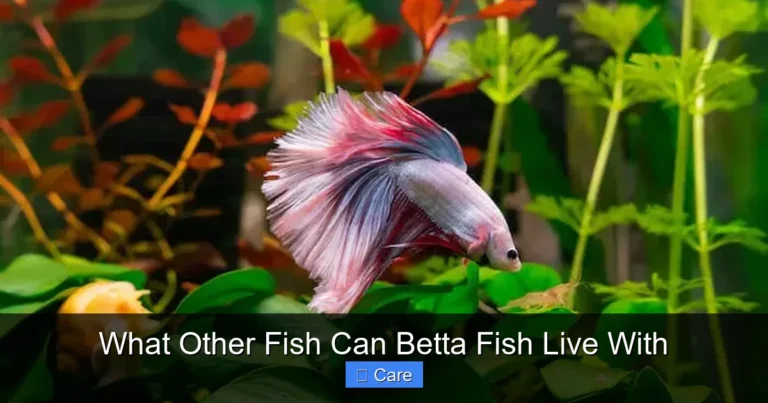
How to Keep Betta Fish Alive

Keeping a betta fish alive is easier than you think when you master the basics of tank care, water quality, and proper feeding. This guide walks you through everything from choosing the right container to spotting early signs of illness, so your vibrant companion can thrive for years.
Key Takeaways
- Right tank matters: A minimum 5‑gallon, filtered tank with a lid provides space and stability.
- Water quality is king: Keep temperature at 76‑82°F, pH 6.5‑7.5, and change 25‑30% weekly.
- Feed wisely: Small portions 2‑3 times daily prevent over‑feeding and water fouling.
- Watch for warning signs: Faded colors, clamped fins, or unusual behavior signal trouble.
- Regular maintenance: Clean substrate, test water, and prune plants to avoid disease.
- Stress reduction: Limit bright lights, avoid aggressive tank mates, and provide hiding spots.
- Know when to act: Early treatment of common issues like fin rot or dropsy can save your betta.
📑 Table of Contents
- Introduction: Why Keeping Betta Fish Alive Is Worth the Effort
- 1. Choose the Right Home for Your Betta
- 2. Master Water Quality
- 3. Feeding Your Betta the Right Way
- 4. Spotting and Preventing Common Health Issues
- 5. Reducing Stress for a Longer Life
- 6. Routine Maintenance Checklist
- Conclusion: Your Betta’s Future Is in Your Hands
Introduction: Why Keeping Betta Fish Alive Is Worth the Effort
Betta fish, also called Siamese fighting fish, are famous for their vivid colors and flowing fins. Many people think they can survive in tiny bowls forever, but the truth is that a well‑cared‑for betta can live 3‑5 years—or even longer. The secret? Providing the same basic needs that any fish requires: clean water, proper temperature, balanced nutrition, and a stress‑free environment.
In this article we’ll break down every step you need to master how to keep betta fish alive. Think of it as a friendly chat with a fellow hobbyist—no jargon, just clear, practical advice you can start using today.
1. Choose the Right Home for Your Betta
Size and Shape Matter
The biggest mistake beginners make is buying a tiny bowl. A 5‑gallon (or larger) tank gives your betta room to swim, reduces waste buildup, and makes temperature control easier. A rectangular tank with a lid works best; it prevents jumps and keeps humidity down.

Visual guide about How to Keep Betta Fish Alive
Image source: bettafish.org
Filtration vs. No‑Filter
While bettas can tolerate low‑flow environments, a gentle filter removes toxins and stabilises water chemistry. Look for a sponge filter or a hang‑on‑back unit set to a low flow—betta fins love a calm current.
Setting Up the Tank
Before adding water, rinse the tank, substrate, and decorations with warm water (no soap). Add a layer of fine gravel or sand, then place live or silk plants for hiding spots. For a quick start, check out our guide on how to set up betta fish tank for detailed steps.
Lighting and Cover
Provide 8‑10 hours of subdued lighting each day. Too much bright light stresses bettas and encourages algae. A simple LED fixture with a timer works wonders.
2. Master Water Quality
Temperature Control
Betta fish are tropical; they need water kept between 76°F and 82°F (24°C‑28°C). Use an adjustable aquarium heater and a reliable thermometer. A sudden drop can shock your fish, so check the temperature daily.

Visual guide about How to Keep Betta Fish Alive
Image source: i.ytimg.com
pH and Hardness
Maintain a pH of 6.5‑7.5 and moderate water hardness. Test strips or a liquid test kit will tell you if adjustments are needed. Adding a pinch of aquarium salt (optional) can help with minor stress, but never exceed 1 gram per 5 gallons.
Water Changes
Change 25‑30% of the water every week. This removes nitrates, keeps the environment fresh, and reduces the risk of disease. When you change water, match the temperature and treat tap water with a dechlorinator.
Cycle the Tank
Even with a filter, a new tank needs to cycle for 4‑6 weeks to establish beneficial bacteria. Test for ammonia and nitrite; both should be zero before introducing your betta.
3. Feeding Your Betta the Right Way
What to Feed
High‑quality betta pellets are the staple. Look for products with at least 40% protein and no filler. Supplement with frozen or live foods—brine shrimp, daphnia, or bloodworms—once or twice a week for variety.

Visual guide about How to Keep Betta Fish Alive
Image source: i.ytimg.com
How Much and How Often
Offer only what your betta can eat in 2‑3 minutes, 2‑3 times a day. Over‑feeding leads to cloudy water and health problems. A good rule: a pea‑sized amount per feeding.
Feeding Tips
- Use a feeding dish or drop food near the surface to keep it from sinking into the filter.
- Observe your fish; if it ignores food, reduce the amount next time.
- For picky eaters, try soaking pellets in water for a minute to soften them.
Need more feeding ideas? Our article on how to feed betta fish offers a complete feeding schedule.
4. Spotting and Preventing Common Health Issues
Early Warning Signs
Healthy bettas are active, display bright colors, and swim with their fins fully extended. Watch for these red flags:
- Faded or blotchy coloration
- Clamped fins (held close to the body)
- Labored breathing or gasping at the surface
- White spots, frayed fins, or bloating
If you notice any of these, act fast. Early treatment can mean the difference between recovery and loss.
Fin Rot and Fungal Infections
Fin rot appears as ragged, deteriorating edges. Increase water changes, lower temperature slightly, and treat with a antibacterial medication. For a step‑by‑step cure, see how to cure fin rot in betta fish.
Dropsy and Swelling
Dropsy shows as a swollen abdomen and scales that stick out like armor. It’s often bacterial and requires prompt antibiotic treatment. Learn more at how to treat dropsy in betta fish.
When to Know If Your Betta Is Dying
Persistent loss of appetite, severe lethargy, or a lack of response to treatment are serious signs. For a checklist, read how to know if betta fish is dying.
5. Reducing Stress for a Longer Life
Tank Mates and Compatibility
Betta males are territorial. If you want a community tank, choose peaceful species that stay at the bottom (e.g., small catfish or neon tetras) and keep the betta in a divided section. Many owners keep a single betta alone to avoid aggression.
Environmental Enrichment
Provide plenty of plants, caves, or ceramic pots for hiding. Changing the décor occasionally can stimulate natural curiosity without causing stress.
Light and Noise
A steady light cycle and a quiet location help keep cortisol levels low. Avoid placing the tank near windows with direct sunlight or loud TVs.
6. Routine Maintenance Checklist
Daily Tasks
- Check temperature and adjust heater if needed.
- Observe fish behavior for any changes.
- Remove uneaten food after each feeding.
Weekly Tasks
- Perform a 25‑30% water change.
- Test water parameters (pH, ammonia, nitrite, nitrate).
- Clean the glass and remove algae.
Monthly Tasks
- Inspect filter media; rinse or replace as recommended.
- Prune dead plant leaves.
- Deep clean substrate with a siphon.
Following this schedule keeps water quality high and disease risk low, giving you the best chance to keep your betta fish alive and thriving.
Conclusion: Your Betta’s Future Is in Your Hands
Keeping a betta fish alive is less about fancy equipment and more about consistency. By providing a proper tank, stable water conditions, balanced nutrition, and attentive care, you set the stage for a healthy, vibrant fish that will bring you joy for years. Remember, the sooner you notice a problem, the easier it is to fix. Use the tips above, stay curious, and enjoy watching your betta flourish.
Frequently Asked Questions
How often should I change the water in my betta’s tank?
Change 25‑30% of the water weekly. This keeps nitrate levels low and prevents algae buildup.
Can I keep a betta in a bowl?
While bettas can survive in small containers, a 5‑gallon tank with a filter dramatically improves their health and lifespan.
What temperature is ideal for a betta fish?
Maintain water between 76°F and 82°F (24°C‑28°C). Use an aquarium heater and a thermometer to monitor daily.
How do I know if my betta is stressed?
Signs include faded colors, clamped fins, rapid gill movement, and hiding constantly. Reduce bright light, check water quality, and add hiding spots.
What should I feed my betta if it refuses pellets?
Offer a small amount of frozen or live food such as brine shrimp or daphnia. You can also soak pellets in water for a few minutes to soften them.
Is it safe to keep male and female bettas together?
Male bettas are highly territorial and will fight if housed together. If you want a pair, keep them in separate, well‑filtered tanks or use a divider.