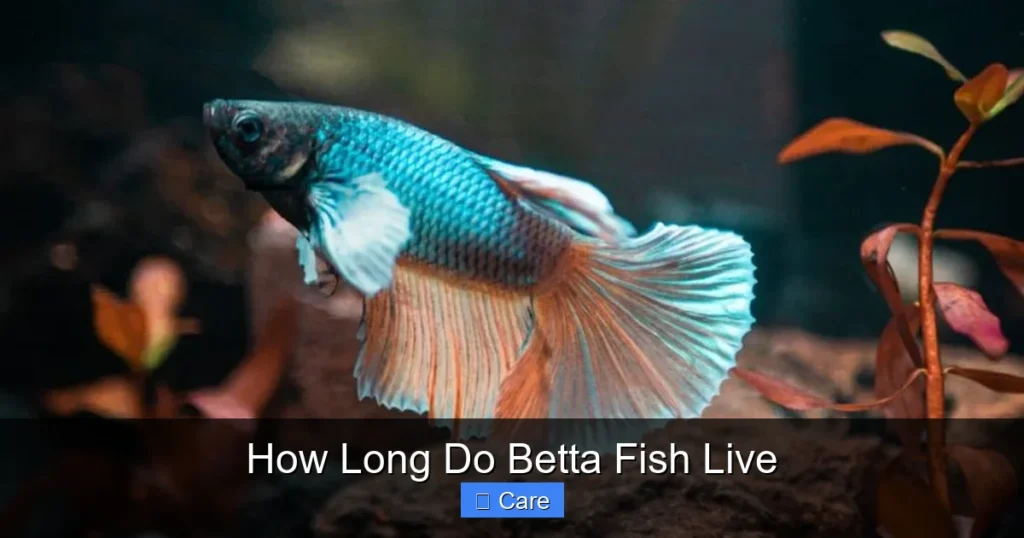
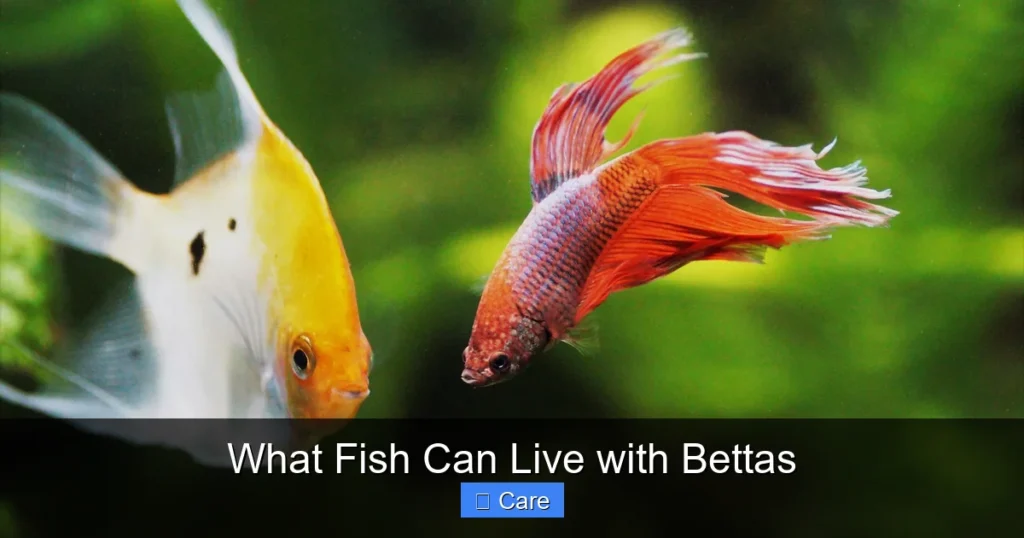
Wondering if you can house a female and male betta fish together? The short answer is generally no, except for brief, supervised breeding attempts. Male bettas are notoriously aggressive and territorial, while females are less aggressive but still require careful, spacious setups for sororities. Long-term cohabitation between sexes is extremely risky and often leads to injury or death. Always prioritize a solo tank or carefully planned alternatives for your betta’s safety and well-being.
So, you’ve got that beautiful, flowing male betta with colors like a sunset, and you’re thinking, “Wouldn’t he be happier with a friend?” Or maybe you have a feisty female and wonder if she’d do better with a tankmate. The question “Can betta fish live together female and male?” is one of the most common—and most dangerous—misconceptions in the aquarium hobby. The vivid, charismatic betta, often sold in tiny cups, seems like a solitary, grumpy creature. But is that the whole story? Let’s dive deep into the complex world of betta social behavior, separating myth from reality, and giving you the definitive, safety-first guide to keeping these stunning fish together.
The short, blunt answer that every responsible betta expert will give you is: No, a male and female betta should not live together long-term. Their natural biology and centuries of selective breeding for aggression make it a recipe for disaster. But the longer, more nuanced answer explores the rare exceptions, the delicate possibilities of female-only groups, and the absolutely critical conditions required for any cohabitation to even have a chance at success. This isn’t about opinion; it’s about understanding instinct. The betta, or Siamese fighting fish, gets its name for a reason. Males were historically pitted against each other in fights, and that fierce territorial drive runs deep in their DNA.
However, the question often sparks from a good place: a desire to provide a richer, more stimulating environment for our pets. It’s natural to wonder if your betta is lonely. The truth is, bettas are not schooling fish in the wild. They are solitary hunters that stake out a small patch of water—a puddle, a slow-moving stream edge—and defend it from rivals. Their “loneliness” in a tank is a human projection. A well-decorated, appropriately sized solo tank with plants, hiding spots, and varied stimulation is far less stressful than the constant terror of an incompatible tankmate. Before we explore the “how,” we must firmly establish the “why not” for male-female pairs. This knowledge is the foundation of ethical betta care.
Key Takeaways
- Male Aggression is Instinctual: Male betta fish are hardwired for territorial aggression, especially towards other males, but they will also see females as rivals or mates, making permanent cohabitation dangerous.
- Female Sororities Are Possible but Demanding: A group of female bettas (a sorority) can live together, but only in a large, heavily planted tank (minimum 20+ gallons) with 5+ individuals to diffuse aggression, and even then, risks remain high.
- Breeding is a Temporary, Supervised Event: Male and female bettas should only be placed together for spawning under close observation in a dedicated breeding tank, and separated immediately afterward to prevent harm.
- Tank Setup is Non-Negotiable: Successful cohabitation of any kind requires abundant visual barriers (plants, decorations), a massive footprint, and pristine water conditions to reduce stress and provide escape routes.
- There Are Safer Alternatives: Using a divided tank or choosing peaceful, compatible tank mates (for females only) are far safer ways to provide companionship without the extreme risks of direct male-female cohabitation.
- Constant Vigilance is Required: If you attempt any form of group housing, you must monitor for flare displays, chasing, torn fins, and hiding daily, ready to separate fish at the first sign of conflict.
- The Default is Solo Housing: For 99% of betta keepers, especially beginners, the safest, healthiest, and most recommended approach is to house each betta in its own properly sized and decorated aquarium.
📑 Table of Contents
- Understanding Betta Behavior: The Instincts That Drive Aggression
- Tank Setup for Success (Or Failure): Why Size and Décor Are Everything
- Breeding Considerations: The Only Acceptable Pairing
- Alternatives to Male-Female Cohabitation: Safe Social Options
- Real-World Scenarios: Case Studies in Success and Failure
- Conclusion: Prioritizing the Betta’s Nature Over Our Wishes
Understanding Betta Behavior: The Instincts That Drive Aggression
To grasp why cohabitation is so fraught, you must understand the betta’s natural behavior. This isn’t about personality; it’s about programming. Every betta, regardless of how “calm” it seems in a store, carries this genetic legacy.
The Male’s Territorial Imperative
Male bettas are the epitome of territoriality. In the wild, a male will claim a small territory—often centered around a bubble nest he builds—and vigorously defend it from any other male that enters his visual field. This defense involves flaring (gilling out their opercula and spreading their fins to look larger), chasing, and biting. In the confines of an aquarium, there is no “escape.” Any other fish, especially another betta, is seen as an intruder. A female entering this space is not automatically seen as a “mate” in a peaceful sense. She is first and foremost an intruder in his territory. Her presence triggers his defensive, and often aggressive, instincts. Even if spawning occurs, his protective instinct over the bubble nest can turn him on the female himself, seeing her as a threat to his future offspring. This is not malice; it is instinct.
Female Social Structure: The Sorority Concept
Female bettas, while still capable of aggression, have a different social structure in the wild. They are less intensely territorial than males and can sometimes be found in loose groups. This is the basis for the “sorority” tank—a group of females living together. However, this is not a natural, harmonious school. In the wild, a group of females would have a massive territory with countless hiding spots and visual barriers. The aggression is diffused because no single female can dominate the entire space, and subordinates can always retreat out of sight. Replicating this in a home aquarium is extraordinarily difficult. It requires an immense tank (the absolute minimum is 20 gallons, but 40+ is far safer), a heavy plantation of live or silk plants, and a group of at least 5-6 females. With fewer individuals, one or two will become relentless bullies, and the others will live in constant fear and stress, leading to suppressed immune systems and shortened lifespans. A sorority is a high-maintenance, high-risk project for advanced keepers only, not a beginner’s recommendation.
The Breeding Trap: A Momentary Union
The only scenario where a male and female betta should ever be together is for the explicit purpose of breeding. This is a short-term, high-supervision event in a dedicated breeding tank (often 10-20 gallons). The male builds a bubble nest, the female is introduced, and if receptive, they engage in a courtship dance and embrace, with the male fertilizing the eggs as the female releases them. He then chases her away—vigorously—to guard the nest. This separation is crucial. Leaving them together post-spawn is a guaranteed path to the female being injured or killed by the now hyper-protective male. Breeding is a complex, hands-on process that requires research and immediate intervention tools (like a divider or a separate “hospital” tank for the female). It is not a method for permanent cohabitation.
Tank Setup for Success (Or Failure): Why Size and Décor Are Everything
If you are still considering any form of betta group housing after the warnings above, your tank setup is the single most critical factor. It’s the difference between a peaceful community and a bloody battlefield. The goal is to break line-of-sight constantly and provide an abundance of territories.
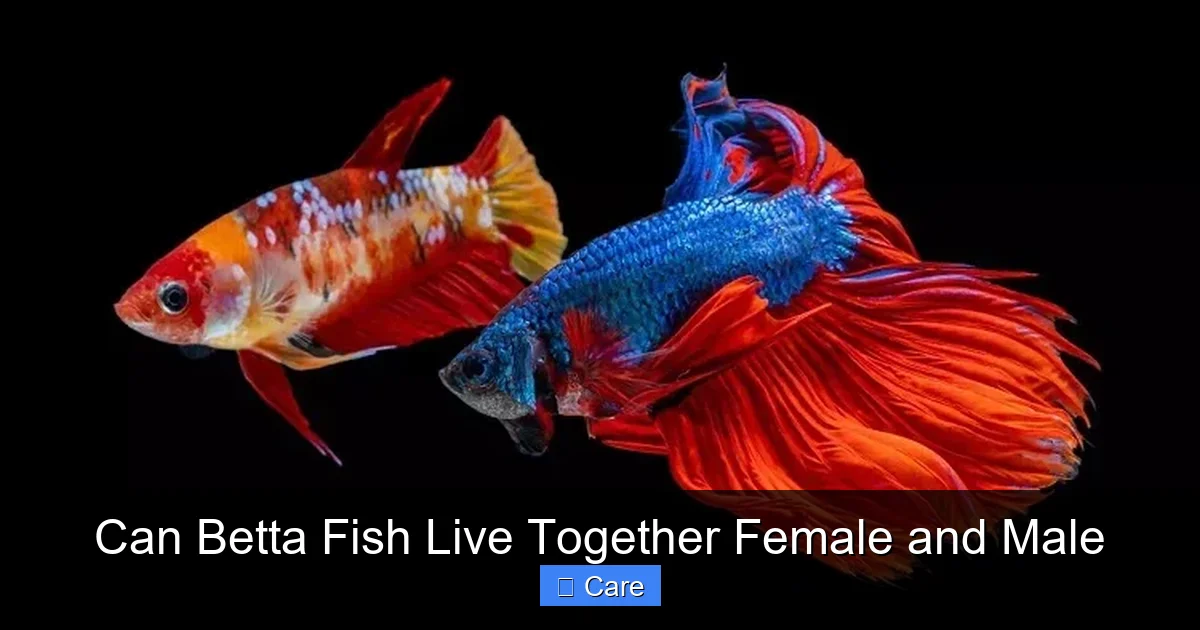
Visual guide about Can Betta Fish Live Together Female and Male
Image source: fishlab.com
The Absolute Minimum: Tank Size and Footprint
Forget the 5-gallon “betta tank” myth when it comes to cohabitation. That size is for a single betta, end of story. For a female sorority, start at 20 gallons, but understand this is the bare, risky minimum. A 40-gallon breeder tank (with its wide footprint) is a much safer starting point because it provides more horizontal space, which is more important than depth for establishing separate territories. For a male with any other fish (not another betta), a 20-gallon is the absolute minimum for a single, carefully chosen, fast-moving, non-flashy tankmate, and even then, it’s a gamble. For a male and female together? No tank is large enough to override the fundamental biological risks. The aggression is too direct and personal.
Creating Visual Barriers: The Art of the Dense Plantscape
You cannot have too many plants. The goal is to make it so a betta cannot see more than a few inches in any direction. Use a combination of:
- Tall Background Plants: Amazon swords, Vallisneria, or tall stem plants like Rotala to create a lush wall.
- Mid-Ground Bushes: Cryptocorynes, Anubias, and Bucephalandra clustered together.
- Floating Plants: This is crucial. Frogbit, Red Root Floaters, or Water Sprite create a beautiful canopy on the surface, breaking the line of sight from above (a key betta vantage point) and providing a sense of security. They also help diffuse light, which can reduce stress.
- Driftwood and Rock Caves: Provide vertical and horizontal structures. A large piece of driftwood with nooks and crannies, or a stack of smooth river rocks creating caves, gives fish places to duck out of view instantly.
Think of it like a dense forest versus an open field. In the forest, a rival might be just a few feet away but hidden by a tree trunk. In the open field, there’s no escape from sight, and confrontation is inevitable. Your tank must be a forest.
Water Parameters: The Foundation of Stress Reduction
Poor water quality is a massive stressor that lowers a fish’s resilience and amplifies aggression. A fish already on edge from a tankmate will succumb to disease faster in subpar water. For any betta tank, but especially a community or sorority:
- Temperature: 78-80°F (25.5-26.5°C) is ideal. Use a reliable heater.
- Filtration: A gentle filter is a must. Sponge filters are excellent as they provide bio-filtration without a strong current that can stress bettas. A hang-on-back filter with a spray bar or baffles to diffuse flow is also good.
- Water Changes: Perform 25-50% weekly water changes to remove nitrates and maintain pristine conditions.
- Cycle: The tank must be fully cycled (established nitrogen cycle) before introducing any fish. An uncycled tank with fluctuating ammonia and nitrite levels is a death sentence in a stressed community.
Stable, clean water is not optional; it is the bedrock of any successful aquarium, reducing the baseline stress that fuels aggression.
Breeding Considerations: The Only Acceptable Pairing
As established, the sole reason to place a male and female betta together is for a controlled breeding attempt. This is a serious endeavor with significant risks that requires preparation and a keen eye.

Visual guide about Can Betta Fish Live Together Female and Male
Image source: fishlab.com
The Dedicated Breeding Tank
You need a separate tank, usually 10-20 gallons, with minimal water movement (a gentle sponge filter is perfect). The water level should be lowered to 6-8 inches to make it easier for the male to build his bubble nest and for the pair to embrace. The tank should have:
- A few hardy plants (like Java moss or Anubias) for the female to hide in initially.
- A tall, smooth surface (a piece of plastic wrap, a cut Styrofoam cup, or a live plant leaf) for the male to build his bubble nest against.
- No other décor that could trap eggs or fry.
- Heavily dimmed lighting or a tank cover to create a calm atmosphere.
The Process and Immediate Aftermath
The female is introduced in a separate container (or using a tank divider) within the breeding tank so they can see each other but not touch. This “conditioning” period lasts 24-48 hours. If the male flares aggressively at the female constantly, or the female shows vertical bars (stress stripes) and hides relentlessly, they are not compatible and should not be spawned. If the male builds a thick bubble nest and the female darkens in color (becoming more vibrant), you can release her into the main tank area.
Courtship begins. The male will perform a dance, flaring his fins. If she is receptive, she will “submit” by curving her body. They will then embrace, and the male will squeeze the eggs from her. He collects them in his mouth and places them into the bubble nest. This embrace may repeat dozens of times. Once spawning is complete, the male will immediately begin chasing the female away. This is not optional. You must remove the female to a separate recovery tank at the first sign of intense chasing. If left, he will bite her, sometimes fatally. He will then guard the nest, tending to the eggs and later the free-swimming fry. The female is done and needs peaceful recovery. This entire process highlights why permanent cohabitation is impossible: their biological roles are antagonistic after reproduction.
Alternatives to Male-Female Cohabitation: Safe Social Options
If your goal is a more interesting tank, you have far safer paths than risking a male and female betta together.

Visual guide about Can Betta Fish Live Together Female and Male
Image source: valiantceo.com
The Divided Tank Solution
This is the most common and effective way to house multiple bettas in one system. Use a solid, sealed divider (commercial or DIY with acrylic and silicone) in a long tank (20+ gallons). Each side gets its own filtration (or a canister filter with outlets on both sides), heater, and complete decor. This allows the fish to see each other (which can be stimulating) but prevents any physical contact. It’s essentially two separate tanks in one footprint. This works for males or females. For a male and female, the divider is still absolutely necessary; they must never have physical access to each other.
Community Tanks: For Females Only (With Extreme Caution)
A female betta can sometimes be integrated into a peaceful community tank of other non-aggressive, fast-swimming fish like schooling tetras (neon, ember), rasboras, or corydoras catfish. This is never an option for a male betta. Male bettas will attack almost any fish with long, flowing fins (like guppies) or bright colors that they perceive as rival males. A female’s temperament is more variable, but the same rules apply: the tank must be very large (20+ gallons), heavily planted, and the other species must be chosen with extreme care. Even then, the female betta may become the bully. You must have a backup plan (a separate tank) to remove her if she becomes aggressive.
Choosing the Right Solo Tank
Often, the best “companionship” you can give a betta is a stimulating environment. A well-planted 10+ gallon tank for a single male or female is a paradise. Include:
- A gentle filter with a flow they can get out of.
- Plants (live is best, but silk is fine) of varying heights.
- Hiding spots like caves, PVC tubes, or dense leaf bunches.
- Interesting décor like smooth stones or driftwood to explore.
- Occasional, safe toys like a ping-pong ball or floating mirror (the mirror for short periods only to let him flare, as it can cause stress if overused).
A happy, stress-free solo betta will display its colors more vibrantly and live a longer, healthier life than one constantly fighting for its life in a poorly planned group.
Real-World Scenarios: Case Studies in Success and Failure
Let’s look at how these principles play out in actual keeper experiences.
The “Successful” Sorority: What It Really Looks Like
A true, stable female sorority is a rare and beautiful thing, but it looks nothing like a cute group of friends. It’s a carefully balanced hierarchy in a massive tank. Imagine a 55-gallon tank densely planted with Anubias, Java fern, and floating Salvinia. You have 8 females. There is a clear alpha who patrols a central territory. The others have their own niches: one claims the cave under the driftwood, another the thicket of Rotala at the back, another the surface plants. You will still see occasional chases—a quick dart, a flare, a nip at fins. The key is that the chased fish has immediate, invisible escape routes. The stress is managed, not eliminated. Fin nipping is minimal. All fish are eating well and displaying vibrant colors. This requires daily observation and the willingness to remove a persistently bullied fish (or a bully) to a separate tank. It is a dynamic, management-heavy setup, not a “set and forget” community.
The Catastrophic Failure: The 5-Gallon Male-Female Pair
This is the all-too-common tragedy. A keeper buys a male and female betta, attracted by their colors, and puts them in a small, sparsely decorated 5-gallon tank. Within hours, the male relentlessly chases the female. She hides in the corner, losing color, developing stress stripes. By day two, her fins are torn. By day three, she is dead from stress and injury, or the male kills her outright. The keeper is heartbroken and misinformed, blaming the “personality” of the fish rather than the fundamental incompatibility and inadequate setup. This scenario is 100% preventable with proper knowledge.
The Divided Tank Triumph
A keeper wants two bettas. They set up a 20-gallon long tank with a solid acrylic divider sealed from top to bottom. Each side has its own filter sponge, a heater, and an identical landscape of plants and a hiding cave. They put a male on one side and a female on the other. The fish can see each other and may flare occasionally, but they cannot touch. They each establish their own territory, build their own bubble nests (the male), and live completely peaceful, stress-free lives. The keeper enjoys the visual stimulation of two beautiful fish in one tank unit, with zero risk. This is the responsible, ethical way to house multiple bettas.
Conclusion: Prioritizing the Betta’s Nature Over Our Wishes
The dream of a betta “pair” living in harmony is a powerful one, fueled by their stunning beauty and charismatic personalities. But as we’ve explored in detail, the biological reality for a male and female betta is one of conflict, not companionship. Their instincts are designed for competition and a brief, intense union for reproduction, followed by separation. Attempting to override this with a “big enough tank” or “plenty of plants” is a gamble with their lives, and the odds are heavily stacked against you. The risks of severe injury, chronic stress, and death are simply too high to justify the attempt for the sake of aesthetics.
For female bettas, a sorority is a complex, advanced-level project that demands immense space, perfect décor, and constant management. It is not a beginner’s venture and is not without its own risks of aggression and hierarchy-driven bullying. For the vast majority of aquarists, the single-species, solo betta tank—made rich with plants, hiding places, and clean water—is the gold standard of care. It respects the fish’s true nature and provides the security it instinctively craves. If you desire a more social aquarium, look to the divided tank or carefully research peaceful, compatible community mates for a female betta in a very large, heavily planted setup. Always, always have a separate “hospital” or quarantine tank ready to remove any fish showing signs of stress or aggression.
Ultimately, responsible betta ownership means making decisions based on their needs, not our whims. By choosing the safe path—a solo tank for each betta—you are not depriving them of a friend; you are giving them the peace, security, and stress-free life they are biologically programmed to need. You will be rewarded with a healthier, more vibrant, and longer-lived companion who displays his or her true colors without the shadow of fear or conflict. That is the greatest gift you can give these remarkable, ancient fish. For more detailed information on tank cycling and water parameters, which are foundational to all of this, please review our terms and conditions for our recommended care protocols.
Frequently Asked Questions
Can a male and female betta fish live together peacefully?
No, they cannot. Male bettas are highly territorial and aggressive. A female is seen as an intruder or a mate, both of which trigger defensive or post-spawning aggression. The only time they should be together is for a brief, supervised breeding session in a separate tank, after which they must be immediately separated.
How many female bettas can live together in a sorority?
A sorority should start with a minimum of 5-6 females in a very large tank (20+ gallons, ideally 40+). This number helps diffuse aggression, as no single female can dominate the entire group. Fewer than 5 almost always results in one or two being relentlessly bullied. Sororities are high-risk and not recommended for beginners.
What is the absolute minimum tank size for a betta sorority?
The absolute bare minimum is 20 gallons, but this is considered high-risk. A 40-gallon breeder tank (with its wide footprint) is a much safer and more realistic starting point for a stable sorority. The tank must be heavily planted with live or silk plants to create constant visual barriers.
What are the first signs of betta aggression I should watch for?
Look for flaring (gills and fins expanded), chasing, nipping at fins, and one fish constantly hiding in a corner while others dominate the open water. Stress stripes (vertical dark bars on a lighter body, especially in females) are a clear sign of fear and discomfort. If you see any of these, you must separate the fish immediately.
Can I put a male betta with other fish species?
It’s possible but very tricky. A male betta may tolerate fast-moving, non-flashy, schooling fish like certain tetras or rasboras in a large, heavily planted 20+ gallon tank. He will almost certainly attack any fish with long, flowing fins (guppies, fancy goldfish) or bright colors that resemble another betta. Always have a backup tank to remove the betta if he becomes aggressive.
What should I do if my bettas start fighting?
Act immediately. Have a separate “hospital” tank ready with cycled water, a heater, and a hiding spot. Use a net to carefully remove the victim of bullying or both aggressors if it’s a mutual fight. You cannot “let them work it out.” Betta fights escalate rapidly and can cause fatal injuries in minutes. Separation is the only safe option.