How to Care for a Betta Fish
Caring for a betta fish requires more than a small bowl. A proper setup includes a filtered, heated 5+ gallon tank with clean, dechlorinated water. Feed high-quality pellets and occasional treats, avoiding overfeeding. Monitor for signs of illness like fin rot or lethargy. Regular water changes and consistent parameters are non-negotiable for their long-term health and vibrant colors. With the right environment, your betta can live 3-5 years and display fascinating behaviors.
Key Takeaways
- Tank Size is Critical: A minimum 5-gallon tank is essential for a single betta; smaller containers lead to stress, poor water quality, and shortened lifespan.
- Water Quality is #1 Priority: Bettas need stable, warm water (76-82°F) with zero ammonia/nitrite. A gentle filter and weekly 25-50% water changes are mandatory.
- Feed a Varied, High-Quality Diet: Offer high-protein betta pellets as a staple, supplemented with frozen or live foods like brine shrimp. Avoid overfeeding; their stomach is the size of their eye.
- They are Intelligent & Need Enrichment: Bettas recognize owners and need stimulation. Provide plants, caves, and floating logs to prevent boredom and encourage natural behaviors.
- Know Common Health Issues: Watch for faded colors, clamped fins, or lethargy. Early intervention with salt baths or medication for fungal/bacterial infections like fin rot is key.
- Never House Two Males Together: Male bettas are intensely territorial. A divided tank or separate aquariums are the only safe options. Female sororities require expert-level care and large groups.
📑 Table of Contents
- Introduction: Beyond the Beautiful Bowl
- 1. The Foundation: Setting Up the Perfect Betta Home
- 2. Water Quality: The Unseen Lifeline
- 3. Nutrition: Feeding for Vibrant Health
- 4. Betta Behavior, Health, and Enrichment
- 5. Debunking Myths and Critical “Don’ts”
- 6. Conclusion: A Lifelong Commitment to a Remarkable Pet
Introduction: Beyond the Beautiful Bowl
You’ve been captivated by them. Those flowing, shimmering fins, that bold, curious personality. The betta fish, or Siamese fighting fish, is one of the most popular aquarium pets in the world. But here’s the crucial truth many new owners discover too late: that tiny, decorative bowl on the countertop is a life sentence of misery for your new friend. True how to care for a betta fish knowledge means understanding this fish is a complex, intelligent being with specific environmental needs. They are not low-maintenance “starter pets.” They are resilient survivors, often living in poor conditions, but to truly thrive—showing off their full color, personality, and potential for 3-5 years or more—they require a proper setup and committed care. This guide will walk you through every step, from unboxing your betta to becoming a confident, knowledgeable caretaker.
We’ll bust the myths, decode the jargon, and give you actionable, practical advice. Think of this as your betta’s ultimate care manual. By the end, you’ll know exactly how to create a thriving underwater world that your betta will not just survive in, but genuinely enjoy.
1. The Foundation: Setting Up the Perfect Betta Home
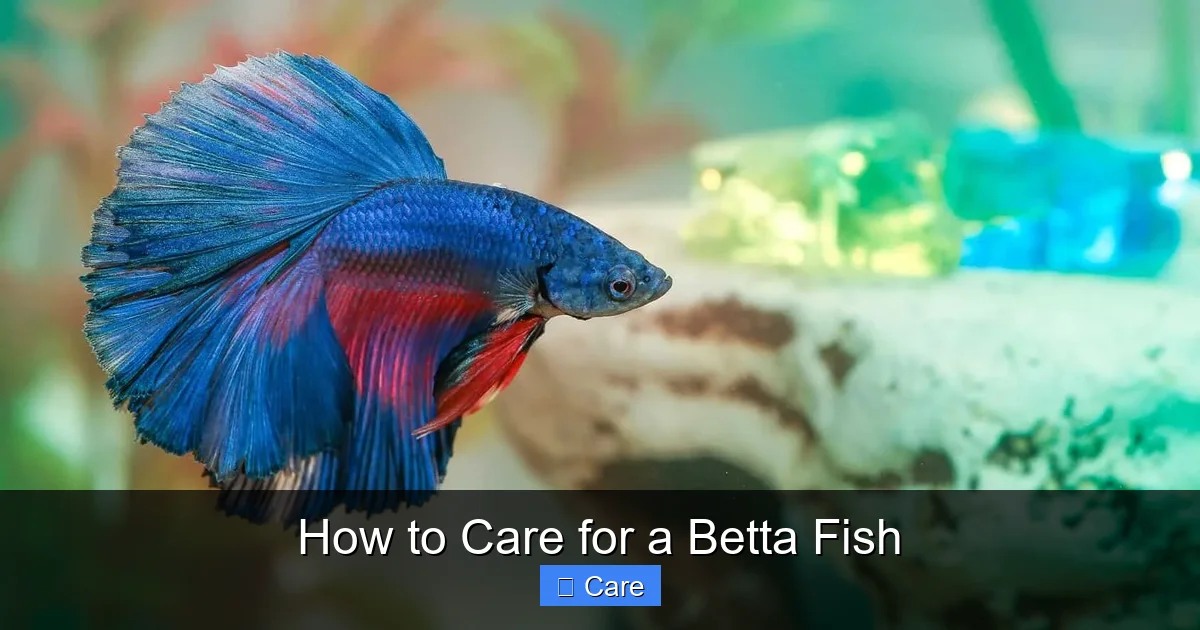
The single most important decision you make for your betta’s welfare is its tank. Forget what you see in movies or discount stores. A proper betta habitat is a stable, filtered, heated ecosystem. Let’s build it from the bottom up.
Visual guide about How to Care for a Betta Fish
Image source: fishlab.com
Tank Size: The 5-Gallon Rule (And Why It’s Non-Negotiable)
The absolute minimum tank size for a single betta is 5 gallons (roughly 19 liters). This isn’t arbitrary; it’s science. A larger volume of water dilutes toxins (like ammonia from fish waste) more effectively, creating a more stable environment. In a tiny 1-gallon bowl, a single betta’s waste can poison its water in a day. In a 5-gallon tank with a filter, that same waste is diluted and processed, leading to less stress and a healthier fish. Larger is always better—a 10-gallon tank provides even more stability and room for décor and exploration. You wouldn’t live in a studio apartment with no bathroom; don’t ask your betta to.
Filtration: The Gentle Giant
All aquariums need a filter to house beneficial bacteria that break down toxic waste (the nitrogen cycle). However, bettas have long, delicate fins. A powerful hang-on-back (HOB) filter with a strong current will exhaust them, tear their fins, and cause chronic stress. You need a filter with adjustable flow or one designed for gentle output.
- Sponge Filters: The gold standard for bettas. An air pump pushes air through a porous sponge, creating gentle bubbles and excellent biological filtration. It’s virtually current-free and provides excellent surface area for good bacteria.
- Adjustable HOB Filters: If using one, set the flow to the lowest setting and direct the output against the tank glass or use a spray bar to diffuse the current.
- Internal Power Filters: Many have flow control. Ensure the intake is covered with a sponge to prevent your betta’s fins from being sucked in.
Heating: A Tropical Necessity
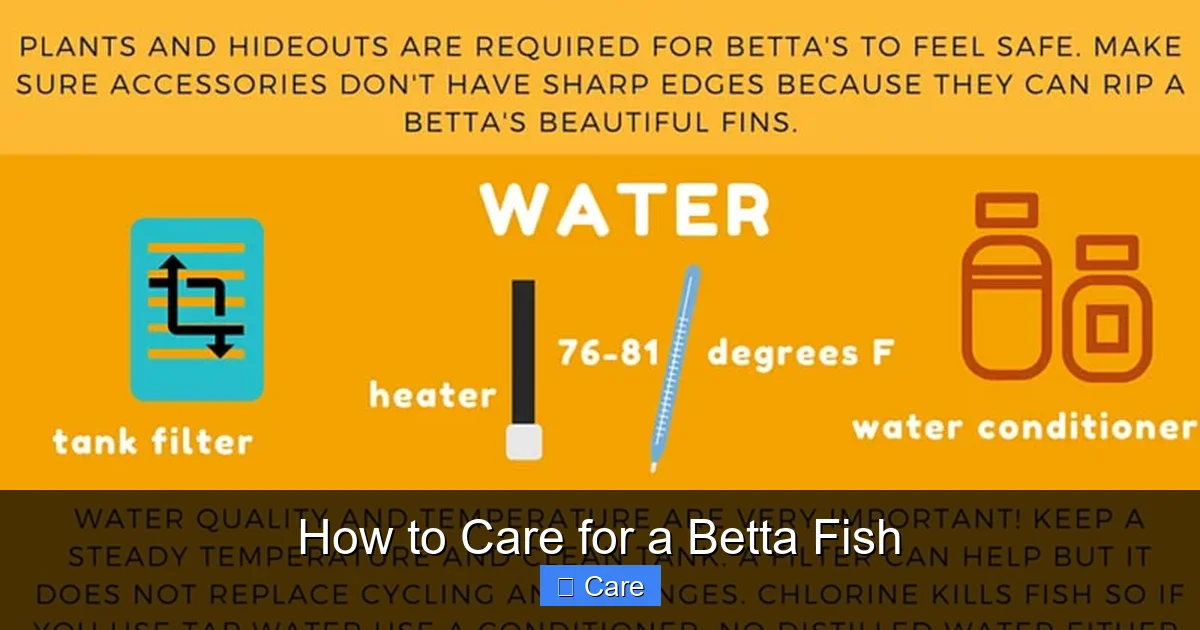
Bettas are tropical fish from the warm, shallow waters of Thailand. They require a constant water temperature between 76°F and 82°F (24-28°C). A stable temperature is critical for their metabolism and immune system. An adjustable aquarium heater (25-50 watts for a 5-gallon tank) is mandatory. Never rely on room temperature; fluctuations of even a few degrees can cause dangerous stress. Always use a separate aquarium thermometer to verify the heater’s setting. Never run a heater in a tank without water—it will crack.
Substrate, Plants, and Hiding Spots: Creating a Secure Environment
Bettas are intelligent and curious. A bare tank is a sensory deprivation chamber. They need a complex environment.
- Substrate: Sand or smooth gravel is fine. Avoid sharp, rough gravel that can tear their ventral fins.
- Live vs. Silk Plants: Live plants (like Anubias, Java Fern, Marimo moss balls) are fantastic for water quality and provide natural texture. However, they require good lighting. High-quality silk plants are a perfect, low-maintenance alternative. Avoid cheap plastic plants with stiff, sharp edges—they are fin-rippers.
- Hiding Spots: This is vital. Bettas, despite their fighter reputation, are prey animals in the wild and need places to feel secure. Use ceramic caves, PVC pipes (clean and sanded), or dense clusters of plants. Floating betta logs or leaves are also excellent, as bettas often rest at the surface.
- Lighting: Standard aquarium LED lighting is fine. Bettas do not need intense light. Aim for a day/night cycle (8-10 hours on, 14-16 hours off) using a timer to mimic nature and reduce algae.
2. Water Quality: The Unseen Lifeline
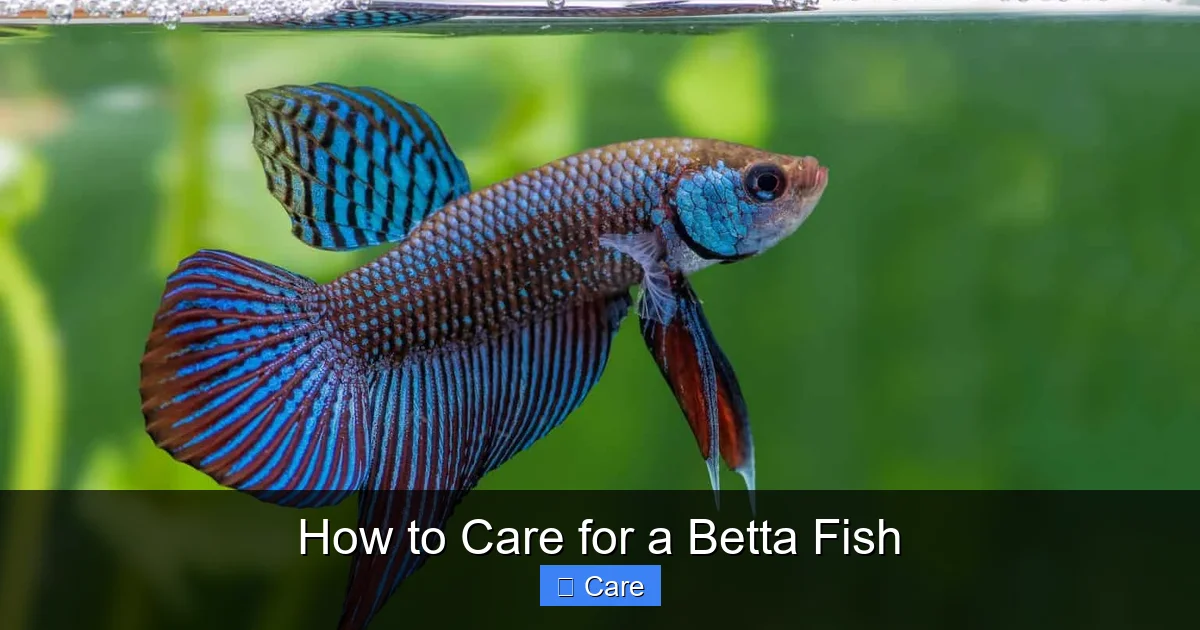
You can have the most beautiful tank, but without pristine water quality, your betta will slowly sicken and die. Water is not just a medium; it’s the air your fish breathes. Understanding and maintaining water parameters is the cornerstone of betta care.
Visual guide about How to Care for a Betta Fish
Image source: fishkeepingworld.com
Understanding the Nitrogen Cycle: The Biology Lesson You Need
This is the most important concept in fishkeeping. Fish produce ammonia (NH3/NH4+) as waste. This is highly toxic. Special bacteria (Nitrosomonas) convert ammonia to nitrite (NO2-), which is also toxic. Another bacteria (Nitrospira) then converts nitrite to nitrate (NO3-), which is much less toxic and can be removed by water changes. This process, called “cycling the tank,” takes 4-6 weeks. You must cycle the tank before adding your betta. Adding fish to an uncycled tank exposes them to lethal ammonia spikes, causing “new tank syndrome.” Use a liquid test kit (like API Freshwater Master Test Kit) to monitor ammonia, nitrite, and nitrate. A cycled tank will show 0 ppm ammonia, 0 ppm nitrite, and a low, manageable nitrate (ideally <20 ppm).
The Golden Routine: Dechlorination and Water Changes
Tap water contains chlorine and chloramines, which are deadly to fish and will kill your beneficial bacteria. You must treat every bucket of tap water with a water conditioner/dechlorinator (like Seachem Prime) before it touches your tank or your fish.
- Water Change Schedule: For a properly cycled 5-gallon tank with a filter, perform a 25-50% water change once a week. This dilutes nitrate, removes other waste products, and replenishes minerals. Never change 100% of the water at once, as this shocks the cycle and the fish.
- How to Perform a Water Change: 1) Turn off heater/filter. 2) Use a gravel vacuum to siphon debris from the substrate while removing old water into a bucket. 3) Treat the fresh tap water with conditioner in a separate container. 4) Ensure the new water is close to the tank temperature (within 1-2°F). 5) Slowly add the new water back to the tank, not directly on the fish. 6) Restart filter and heater.
Testing and Target Parameters
Get a liquid test kit. Strips are notoriously inaccurate. Test weekly. Your targets should be:
- Temperature: 76-82°F (24-28°C)
- Ammonia (NH3/NH4+): 0 ppm
- Nitrite (NO2-): 0 ppm
- Nitrate (NO3-): <20 ppm (ideally <10)
- pH: 7.0-7.5 is ideal, but bettas can adapt to a stable range of 6.5-8.0. Stability is more important than a perfect number. Avoid rapid pH swings.
3. Nutrition: Feeding for Vibrant Health
Bettas are carnivores (insectivores in the wild). Their upturned mouths are designed to grab bugs off the water’s surface. A proper diet is high in protein and low on fillers. Overfeeding is the #1 cause of poor water quality and constipation/bloat.
Visual guide about How to Care for a Betta Fish
Image source: fishlaboratory.com
Choosing the Right Food
- Pellets: This should be the staple (70-80% of diet). Choose high-quality betta pellets with fish meal or shrimp meal as the first ingredient. Brands like Hikari Bio-Gold Plus or New Life Spectrum Betta are excellent. Soak pellets in a little tank water for a minute before feeding to prevent digestive issues.
- Frozen Foods: A fantastic supplement 2-3 times a week. High-quality frozen brine shrimp, daphnia, or bloodworms. Thaw a small cube in a dish of tank water, then offer a few morsels. Daphnia is especially good as a natural laxative.
- Live Foods: The ultimate treat and stimulant. Microworms, vinegar eels, or small mosquito larvae. Only source from a clean, reputable culture to avoid introducing disease.
- What to AVOID: Flake food (they often won’t eat it, and it fouls water quickly), freeze-dried foods as a staple (they can cause constipation), and “vegetable” or “spirulina” based foods as a main diet.
Feeding Schedule & Portion Control
Feed your betta once a day. A good rule: their stomach is the size of their eye. Offer 2-3 pellets (or an equivalent amount of frozen food). They should eat it all within 2-3 minutes. If food sinks to the bottom, you’ve overfed. Remove any uneaten food immediately with a net or turkey baster to prevent it from rotting and fouling the water. A fast (no food) once a week is beneficial for their digestive system.
4. Betta Behavior, Health, and Enrichment
A healthy betta is an active, curious fish. They flare (extend their gills) at their reflection or a rival, build bubble nests (males), and explore every inch of their tank. Changes in behavior are often the first sign of illness.
Recognizing a Healthy vs. Sick Betta
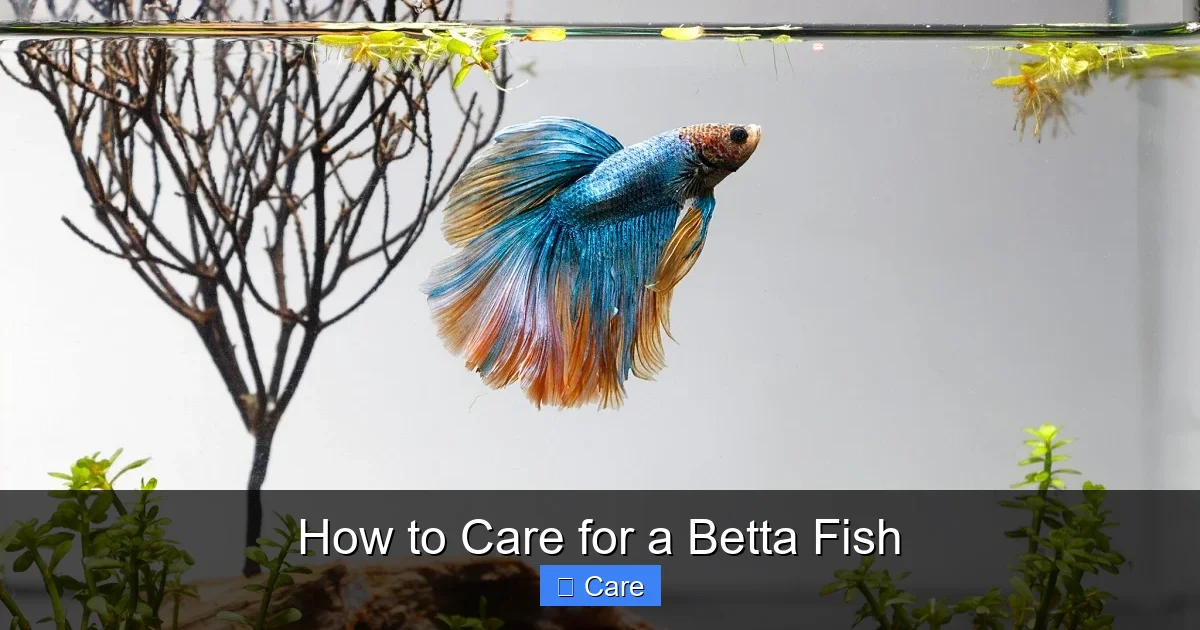
- Healthy Signs: Bright, vibrant colors. Fins held erect and flowing. Active swimming, curious inspection of tank decor. Regular bubble nest building (males). Eager for food.
- Sick Signs: Faded or dull colors. Clamped fins (held tightly against the body). Lethargy, hiding at the bottom or top. Loss of appetite. Erratic swimming (spiraling, floating upside down). Visible spots, sores, cotton-like growth (fungus), or white fuzzy patches (ich). Torn, shredded, or rotting fins (fin rot).
Common Ailments and First Steps
Prevention through clean water and proper diet is 90% of the battle. If illness strikes:
- Fin Rot: Caused by bacteria, often from poor water or fin nipping. Fins appear shredded, blackened, or white at the edges. Treatment: Immediate, pristine water. Increase water changes. Salt bath (1 tsp aquarium salt per gallon for 10-15 minutes daily). For severe cases, use a broad-spectrum antibiotic like Kanamycin or Methylene Blue dip (follow dosage carefully).
- Ich (White Spot Disease): Parasite causing tiny white salt-like spots. Fish will scratch against décor. Treatment: Raise temperature slowly to 82-84°F. Add aquarium salt (1-3 tsp per gallon). Use a dedicated ich medication like Malachite Green or formalin.
- Swim Bladder Disorder: Fish floats upside down, sinks, or swims erratically. Usually from overfeeding, constipation, or genetic issues. Treatment: Fast for 3 days. Then feed a cooked, skinned pea (blanched and mashed) to relieve constipation. Ensure water is pristine.
Always quarantine new fish in a separate hospital tank before adding to your main display tank to prevent disease introduction.
Enrichment: Keeping a Smart Fish Stimulated
Bettas are intelligent and can get bored. A bored betta is a stressed betta. Enrichment reduces stress and promotes natural behaviors.
- Rearrange Décor: Every few weeks, move plants and caves to create a “new” environment for them to explore.
- Target Training: Use a target (a colored sticker on a stick) and reward with a food pellet when they follow it. You can even teach them to jump!
- Mirror Time: Let them see their reflection for 5-10 minutes a day. This stimulates flaring and exercise. Don’t leave a mirror in the tank permanently; it causes chronic stress.
- Live Food Hunt: Occasionally release a few daphnia or microworms into the tank for a natural hunting experience.
5. Debunking Myths and Critical “Don’ts”
The betta hobby is filled with dangerous misinformation. Let’s clear it up.
Myth #1: “They Live in Puddles in the Wild, So a Small Bowl is Fine.”
False. In the wild, bettas live in vast, shallow rice paddies, slow-moving streams, and drainage canals. These are huge, vegetated, warm ecosystems with stable water parameters. They survive in small, isolated puddles only during the dry season, which is a period of extreme stress and danger. A tiny bowl replicates this survival scenario, not their ideal habitat.
Myth #2: “They Can Breathe Air, So Water Quality Doesn’t Matter.”
False. Yes, bettas have a labyrinth organ that allows them to gulp atmospheric air. This is an adaptation to survive in oxygen-poor, stagnant water. It does NOT mean they thrive in foul water. They still absorb oxygen through their gills and are highly susceptible to ammonia and nitrite poisoning. Poor water quality burns their gills, leading to respiratory distress and death. The labyrinth is a survival tool, not a substitute for clean water.
Myth #3: “You Can Put a Betta with Any Fish.”
False. Male bettas are notoriously territorial, especially towards other fish with long, flowing fins (like guppies, fancy guppies, or other bettas) or bright colors. They will often attack and kill tankmates. Suitable tankmates must be:
- Non-aggressive
- Not long-finned or brightly colored
- Not bottom-dwellers that invade their space (like some catfish)
- Thermally compatible (tropical)
- Introduced to the betta’s tank (never the other way around) after the tank is fully cycled and the betta is established.
Good options include: harlequin rasboras, ember tetras (in a school of 6+), kuhli loaches, or nerite snails. Always have a backup plan (a separate tank) if aggression occurs.
Myth #4: “They Don’t Need a Filter or Heater.”
We’ve already established why both are essential. A filter maintains the nitrogen cycle. A heater provides the stable, tropical warmth their metabolism requires. Without both, you are creating a toxic, stressful environment that will significantly shorten their life.
6. Conclusion: A Lifelong Commitment to a Remarkable Pet
Learning how to care for a betta fish is a journey from seeing a disposable decoration to appreciating a sentient, beautiful creature with specific needs. It starts with rejecting the tiny bowl and investing in a proper 5+ gallon filtered and heated aquarium. It’s maintained through diligent weekly water changes, consistent water testing, and a high-quality diet. It’s enriched by providing plants, hides, and mental stimulation. It’s protected by understanding common diseases and acting quickly.
Your betta will reward you tenfold. You’ll witness the construction of intricate bubble nests. You’ll see them flare with pride at their reflection or your approach. You’ll observe their unique personalities—some are shy, some are bold, some are little explorers. By providing the care outlined here, you are not just keeping a fish; you are offering a life of quality, safety, and stimulation. You are giving them the environment they deserve to show you the full, breathtaking brilliance of the species. That small, vibrant life in your home depends entirely on the choices you make. Choose to be a betta expert, not just a betta owner.
Frequently Asked Questions
What is the ideal tank size for a betta fish?
The absolute minimum is 5 gallons. This provides enough water volume to dilute toxins and maintain stable parameters. Larger tanks (10+ gallons) offer even more stability and room for décor and potential peaceful tankmates.
Can betta fish live with other fish?
Male bettas are generally solitary and aggressive towards other long-finned or brightly colored fish. Some peaceful, fast-moving community fish like harlequin rasboras or ember tetras (in a school of 6+) can work in a heavily planted 10+ gallon tank, but it requires careful selection and observation. Female betta sororities are possible but require a large, densely planted tank (20+ gallons) with at least 5-6 females and expert-level care. Always have a separate “hospital” tank ready.
How often should I change my betta’s water?
For a properly cycled 5-gallon tank with a filter, perform a 25-50% water change once a week. Use a gravel vacuum to remove debris from the substrate. Always treat the new water with a dechlorinator and match the temperature closely to the tank water.
What should I feed my betta fish?
Feed high-quality betta-specific pellets as a staple (2-3 pellets once a day). Supplement 2-3 times a week with frozen foods like brine shrimp or daphnia. Avoid overfeeding—their stomach is the size of their eye. Fast them one day a week. Never feed flake food or use freeze-dried foods as a primary diet.
Why is my betta fish not eating or lethargic?
Lethargy and loss of appetite are major red flags, usually pointing to poor water quality or illness. First, test your water for ammonia, nitrite, and nitrate. Perform a water change if parameters are off. Check for other signs like clamped fins, faded color, or spots. Common causes include fin rot, ich, or swim bladder disorder from constipation. Isolate the fish in a hospital tank and research symptoms for treatment.
Do betta fish need a filter and heater?
Yes, both are absolutely essential. A gentle, adjustable filter is mandatory to cycle the tank and remove toxic waste. A reliable aquarium heater is required to maintain a stable tropical temperature between 76-82°F (24-28°C). Relying on room temperature or no filtration leads to stress, disease, and a drastically shortened lifespan.