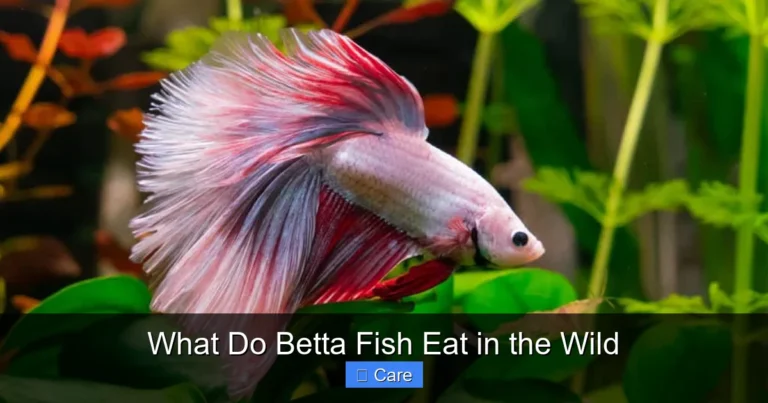
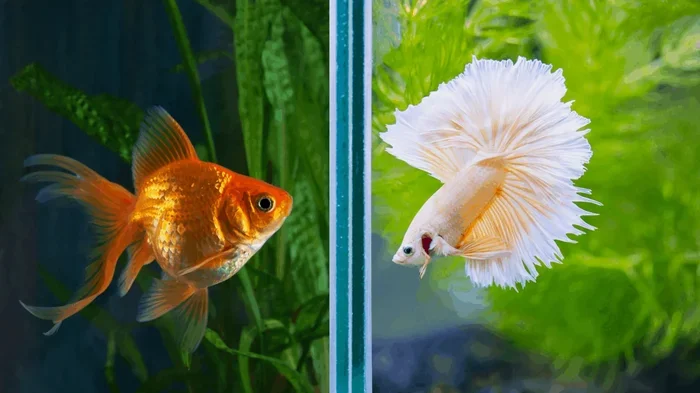
Can Two Female Betta Fish Live Together

Yes, two female betta fish can live together, but it’s not as simple as just pairing them up. Success depends entirely on careful tank setup, selecting compatible personalities, and diligent monitoring. A properly arranged “sorority tank” of 5+ gallons per fish with abundant hiding spots and a group of at least 4-5 females is far more likely to succeed than a pair. Never assume peace; always have a backup plan for separation.
Key Takeaways
- Female bettas are still bettas: They possess territorial instincts and can be aggressive, so cohabitation is a calculated risk, not a guarantee.
- The sorority rule: Keeping a single female betta alone or in a group of 4-5+ in a large, heavily planted tank is more stable than a pair.
- Tank size is non-negotiable: Minimum 20 gallons for a small sorority (4-5 fish), with 5+ gallons allocated per individual betta.
- Hiding spots are essential: Use live plants, driftwood, caves, and vertical structures to break lines of sight and establish territories.
- Personality matters most: Some females are inherently more peaceful; observing behavior during quarantine is critical.
- Introduction is a process: Never simply drop new fish in. Use a divider or separate tank for initial visual and later physical introductions.
- Always have a Plan B: Keep a separate “hospital” or backup tank ready to instantly isolate any fish showing persistent aggression or injury.
📑 Table of Contents
- Debunking the Myth: Are Female Bettas Really Peaceful?
- The Sorority Tank Concept: It’s About Numbers, Not Pairs
- Tank Setup: The Foundation of Peace
- Selecting Compatible Personalities: The Interview Process
- The Introduction Protocol: Slow and Steady Wins the Race
- Monitoring and Long-Term Maintenance
- When It Goes Wrong: Common Problems and Solutions
- The Strong Conclusion: A Rewarding but Demanding Hobby
Debunking the Myth: Are Female Bettas Really Peaceful?
Walk into any pet store, and you’ll see rows of male betta fish floating solo in tiny cups. Their legendary aggression, especially towards other males, is well-documented. But what about the females? They’re often marketed as the “community” option, the peaceful solution for a shared tank. This belief, while containing a grain of truth, is dangerously oversimplified. The short answer is: yes, two female betta fish can live together, but it’s a conditional “yes” that hinges on understanding their true nature and providing an environment that mitigates their instincts.
Female bettas, or Betta splendens, share the same genetic lineage as their flamboyant male counterparts. They possess the labyrinth organ, the brilliant colors (though often less pronounced), and crucially, the same territorial and aggressive drives. The difference lies in degree and social structure. In the wild, female bettas are more likely to tolerate each other in larger, resource-rich spaces, establishing loose hierarchies rather than fighting to the death. This natural behavior is the foundation of the successful “sorority tank.” However, a small, barren tank with just two females is a recipe for disaster, likely triggering the very aggression we hope to avoid. So, before you even consider mixing females, you must shed the myth of inherent peacefulness and embrace the reality: you are managing intelligent, territorial predators.
The Sorority Tank Concept: It’s About Numbers, Not Pairs
Here is the single most important piece of advice for anyone considering housing multiple female bettas: do not try to keep just two. A pair of female bettas in a tank is the most volatile and unstable combination possible. With only two individuals, one will inevitably try to dominate the other. There is no dispersal of aggression, no chance for a subordinate fish to find a safe niche away from a bully. The dominant female will relentlessly harass the other, leading to stress, injury, and often death.
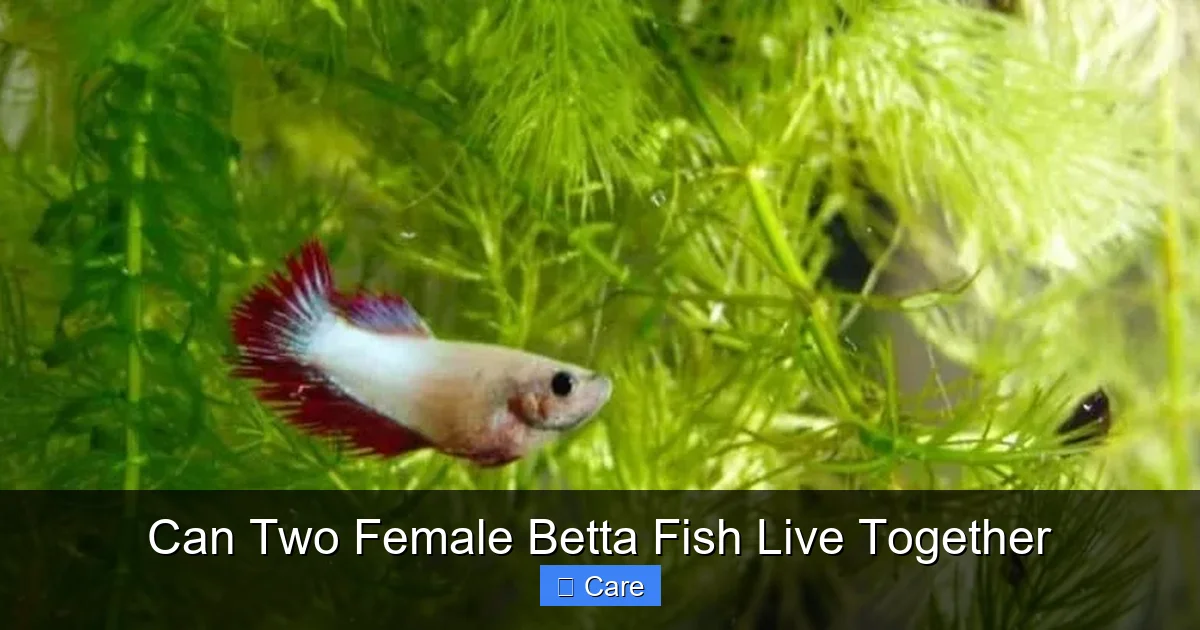
Visual guide about Can Two Female Betta Fish Live Together
Image source: memfish.net
Why a Group Works Better
A successful female betta community, often called a sorority, relies on a critical mass of fish. The recommended minimum is four to five females. In a group of this size, a natural, albeit pecking-order-driven, hierarchy can form. The aggression is distributed among several fish rather than focused on a single target. A dominant female may chase several others, but no one individual is persecuted constantly. The subordinates have a chance to claim their own spaces and avoid the alpha. This dynamic is far more stable than the relentless one-on-one conflict of a pair.
Think of it like a workplace or a social circle. With two people, a disagreement is direct and personal. With a group of five, alliances can form, tensions can diffuse, and the dominant individual’s attention is spread thin. The tank becomes a complex social environment rather than a simple duel arena.
Tank Setup: The Foundation of Peace
If the social structure is the blueprint, the tank itself is the building material. You cannot build a peaceful sorority on a weak foundation. Every aspect of the aquarium must be designed to maximize space, break lines of sight, and provide countless escape routes and territories. Skimping here is the primary reason sororities fail.
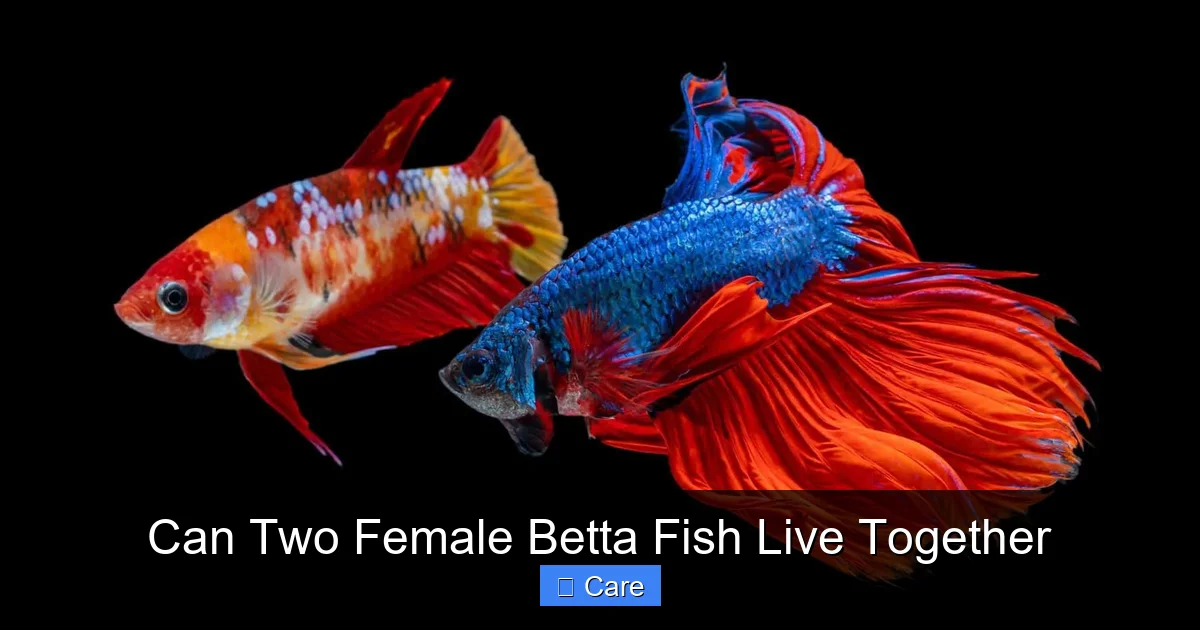
Visual guide about Can Two Female Betta Fish Live Together
Image source: bettasource.com
Tank Size: Bigger is Infinitely Better
This is the first and most rigid rule. The absolute minimum tank size for a small sorority of 4-5 females is 20 gallons. This provides approximately 4-5 gallons per fish, which is the bare minimum for allowing individual territories to develop without constant overlap. However, a 29-gallon or larger tank is strongly recommended and significantly increases your chances of success. More space means more room for plants, more hiding spots, and greater distance between potential conflict zones. A 10-gallon tank is unsuitable for any multiple-betta setup; it is only appropriate for a single, solitary betta.
The Art of Aquascaping for Aggression Management
The goal is to create a labyrinth, not an open arena. You want to prevent a single betta from seeing the entire tank as its domain and to ensure a chased fish can instantly vanish from sight.
- Dense Planting: Use a combination of tall background plants (like Amazon swords or Vallisneria), mid-ground plants (Cryptocorynes, Anubias), and foreground carpets (Dwarf Hairgrass, Monte Carlo). Live plants are ideal as they improve water quality and provide complex textures. High-quality silk plants are a viable alternative. The denser the vegetation, the better.
- Hardscape is Key: Incorporate driftwood, large stones, and ceramic caves. These create vertical and horizontal barriers. A piece of driftwood placed diagonally across the tank can create two distinct territories. Stack rocks to form crevices and overhangs.
- Visual Barriers: The most critical element. Use plants, hardscape, or even purchased aquarium backgrounds to break the direct line of sight from one end of the tank to the other. A betta cannot chase what it cannot see. Ensure there are no long, unobstructed sightlines.
- Surface Resting Spots: Bettas are labyrinth fish that need access to the air. Provide plenty of broad leaves (live or artificial) near the surface, or floating plants like Frogbit or Salvinia. This gives them secure places to rest without feeling exposed.
Selecting Compatible Personalities: The Interview Process
Even with a perfect tank, not all female bettas are suited for sorority life. Their individual personalities, or “spark,” vary as much as their color patterns. Selecting the right fish is a process of observation and intuition that begins long before they enter your display tank.
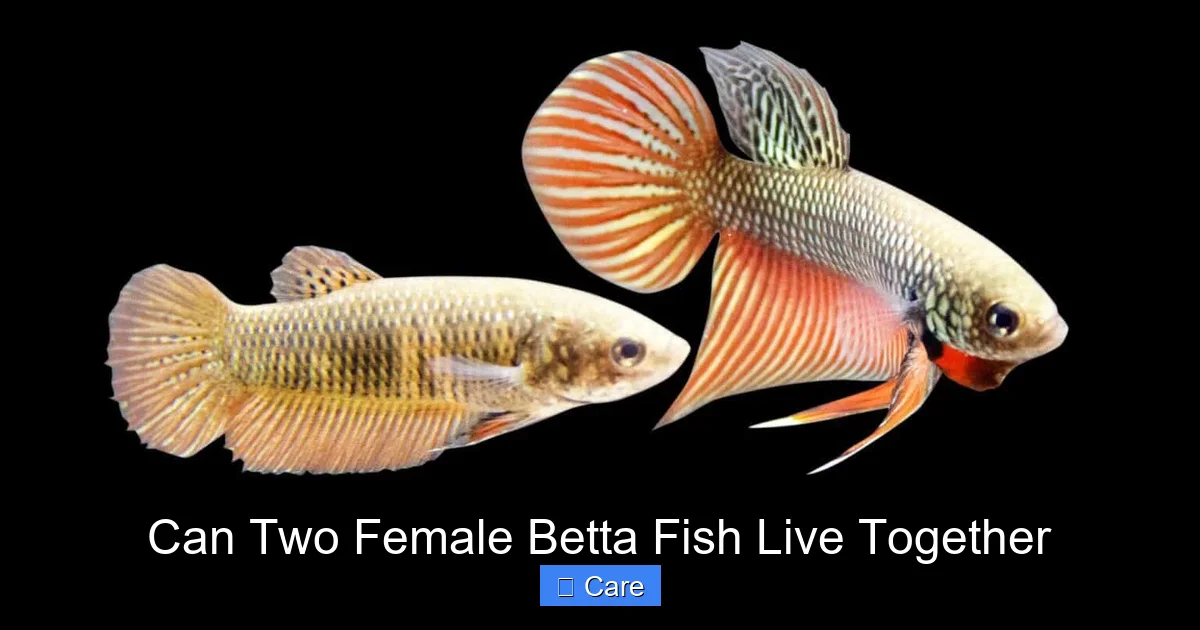
Visual guide about Can Two Female Betta Fish Live Together
Image source: bettasource.com
Quarantine and Observation: The Mandatory First Step
Never, under any circumstances, buy a group of female bettas and dump them directly into your prepared sorority tank. Each new fish must first undergo a mandatory quarantine period in a separate, simple hospital tank (a 5-10 gallon is fine) for at least 2-4 weeks. This serves two vital purposes:
- Disease Prevention: It protects your entire aquarium from introducing parasites or bacterial infections from the store.
- Behavioral Assessment: This is your chance to see the fish’s true nature in a neutral, sparse environment. Watch how it reacts to your hand near the glass, to its own reflection (use a small mirror test briefly), and to any other quarantine inhabitants. Is it flaring aggressively at everything? Is it skittish and hiding? The ideal sorority candidate is alert and active but not explosively aggressive at every stimulus. A certain boldness is good; constant, frantic flaring is a red flag.
Choosing Your Group
When selecting fish from a store, look for young, healthy specimens. Avoid any with torn fins, clamped fins, or lethargic behavior. If possible, ask the store if they can hold a few potential candidates for you to observe over a day. When assembling your group, aim for a mix of temperaments. Having one clearly dominant, very bold female can actually help stabilize the group by establishing order quickly, provided she isn’t viciously attacking to the point of injury. Pair her with several more moderate or slightly timid individuals. Avoid having multiple hyper-dominant fish in the same group.
The Introduction Protocol: Slow and Steady Wins the Race
Rushing the introduction is the fastest way to a bloodbath. After your quarantine period and with your massive, heavily planted tank ready, you must follow a careful protocol.
Step 1: The Floating Divider
Place your first, most confidently chosen female betta into the fully set-up sorority tank. Let her acclimate for 24-48 hours. Then, using a tank divider (a mesh or acrylic barrier that allows water flow but prevents physical contact), introduce the second female into the other side of the tank. This allows them to see and flare at each other without being able to fight. This visual exposure for 2-3 days helps establish initial territories. You may see intense flaring, which is normal. If one fish is pressing itself against the divider in a clear attempt to attack, you may need to reconsider that pairing.
Step 2: The First Physical Meeting
After the divider period, you have two options. The safest is to use a large net or a clear acrylic box to temporarily hold one fish while releasing the other into the main tank area, observing closely. Alternatively, you can remove all fish, rearrange the entire aquascape (this disrupts established territories and forces a reset), and then add all the females at once. This “tank reset” method can be very effective. Add them in the evening and turn off the lights. Monitor extremely closely for the first few hours with a flashlight if needed. Be prepared to scoop out any individual that is being relentlessly chased or is chasing others to the point of exhaustion.
Step 3: The Critical First Week
The first 72 hours are the most dangerous. Watch for signs of serious aggression: persistent chasing that doesn’t stop, fins being nipped (look for shredded or bloody edges), fish hiding constantly and not coming out to eat, or fish locking jaws (a fight to the death). Minor flaring and occasional chases are part of establishing hierarchy and should be tolerated as long as no one is getting injured. Have your backup hospital tank ready at all times to immediately remove any fish that is being victimized or is a persistent aggressor.
Monitoring and Long-Term Maintenance
A sorority tank is not a “set it and forget it” project. It requires an active, observant keeper. Daily monitoring is essential, especially in the first month.
What to Watch For
Every day, spend a few minutes just watching the tank without interfering. Note the positions of each betta. Are they claiming specific areas? Is one fish consistently being chased away from the feeding zone? Are all fish coming out to eat eagerly? Look for any damage to fins. A small nip might be a hierarchy reminder; a large, ragged tear is a sign of dangerous bullying that requires intervention. Also, monitor for signs of stress: pale colors, clamped fins, lethargy, and hiding 24/7. These indicate a fish is not coping and is at risk of disease.
Feeding and Maintenance
To prevent food aggression, spread their food (high-quality pellets, frozen or live daphnia, brine shrimp) across multiple spots in the tank. Use a turkey baster or feeding ring to target different areas. This ensures the submissive fish get a chance to eat without racing past a dominant. Perform regular water changes (25-50% weekly) to maintain pristine water quality. Stressed fish are more susceptible to disease, and poor water is the primary stressor. A clean tank with stable parameters (ammonia and nitrite at 0, nitrate under 20 ppm) is your best tool for prevention.
When It Goes Wrong: Common Problems and Solutions
Despite your best efforts, sometimes sororities fail. Knowing the common pitfalls and how to respond is crucial for the welfare of your fish.
The Persistent Bully
One fish is relentlessly chasing one or more others, causing visible injury or extreme stress. Solution: This fish must be removed immediately. It is not suitable for group living. Place it in a separate, cycled tank. It can live a perfectly happy, long life alone. Do not try to “let them work it out” if injury is occurring.
The Chronic Victim
One fish is perpetually hiding, not eating, and has damaged fins. Solution: Remove the victim. It is not thriving in the group dynamic. Rehome it to a solo tank where it can relax and heal. Sometimes, a fish is simply too timid for sorority life, and that’s okay.
Tankmate Confusion
You might hear about adding other fish (like neon tetras or corydoras) to a betta sorority to “distract” the bettas. This is generally a terrible idea. The sorority tank is already a complex, tense social structure. Adding other species adds more competition for space and resources and can increase stress. The only potential tankmates for a *stable* sorority are very fast, non-nippy schooling fish like a large school of harlequin rasboras in a *very* large tank (55+ gallons), and even this carries risk. For 99% of keepers, a female betta sorority should be a species-only tank.
The Strong Conclusion: A Rewarding but Demanding Hobby
So, can two female betta fish live together? The most accurate and responsible answer is: it’s not about pairs, it’s about carefully curated groups in properly engineered environments. A sorority tank is one of the most beautiful and dynamic setups in the freshwater hobby. Watching a group of vibrant females navigate their complex social hierarchy in a lush, planted jungle is incredibly rewarding. However, it is also one of the most demanding and risky endeavors. It requires significant investment in tank size and equipment, meticulous planning, patient observation, and the unwavering readiness to separate fish at a moment’s notice.
For the dedicated aquarist willing to put in the work, a successful female betta sorority is a testament to understanding and replicating natural behaviors. For anyone seeking a simple, low-maintenance community tank, a single betta—male or female—in a well-decorated 5+ gallon tank is a far more suitable and compassionate choice. Always prioritize the well-being of the fish over the desire for a unique aesthetic. If you choose the sorority path, arm yourself with knowledge, patience, and a backup plan. Your finned friends will thank you for it.
Frequently Asked Questions
What is the minimum number of female bettas for a sorority tank?
You should never keep just two female bettas together. The minimum recommended group size is four to five females in a tank of at least 20 gallons. A larger group helps distribute aggression and allows for a more stable hierarchy to form, reducing the chance of one fish being relentlessly targeted.
Can I put a female betta with a male betta?
No, you should never house male and female bettas together unless you are intentionally breeding them under strict, controlled conditions for a very short period. Even then, it is risky. The male will see the female as a threat to his territory or as a potential mate and will almost always become aggressive, leading to injury or death for the female.
How big of a tank do I need for 5 female bettas?
The absolute minimum tank size for 5 female bettas is 20 gallons. However, a larger tank, such as a 29-gallon or 40-gallon breeder, is highly recommended. More space provides more opportunities for territories, more hiding spots, and dilutes aggression, dramatically increasing the success rate of the sorority.
What are the signs that my female betta sorority is failing?
Watch for persistent chasing that doesn’t stop, visible damage to fins (torn, bloody, or ragged edges), one or more fish hiding constantly and not eating, fish locking jaws, or any fish becoming lethargic and pale. These are signs of severe stress and aggression. The aggressor or the victim must be removed immediately to prevent fatalities.
Can I add other fish to a female betta sorority?
It is generally not recommended. A sorority tank is a complex social environment already. Adding other species adds stress and competition. The only potential exceptions are in very large tanks (55+ gallons) with a huge school of fast, peaceful, non-nippy fish like harlequin rasboras, but this is advanced and still carries risk. For most keepers, a betta sorority should be a species-only tank.
What should I do if two female bettas start fighting in my sorority?
If you witness serious fighting with fin damage, you must act immediately. Have a separate, cycled hospital tank ready. Use a net to carefully remove the primary aggressor or the most injured fish. Do not hope they will resolve it on their own once injury occurs. The removed fish can often live happily alone. You may need to rehome it or adjust your sorority group.