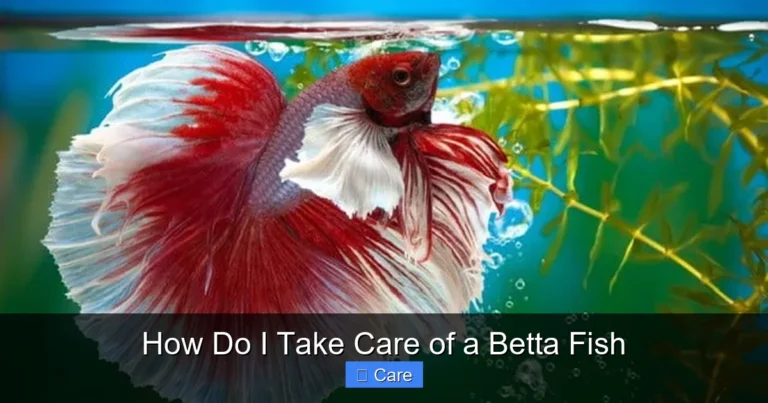
Will a Betta Fish Eat a Snail Complete Feeding Guide

Will a betta fish eat a snail? The answer depends on the snail species, tank setup, and your betta personality. Most peaceful freshwater snails can live safely with bettas when you provide enough space, proper hiding spots, and balanced feeding. This guide covers safe pairings, warning signs, and simple care tips to help you make the right choice.
This is a comprehensive guide about will a betta fish eat a snail.
Key Takeaways
- Species matters most: Nerite, mystery, and ramshorn snails usually coexist peacefully with bettas.
- Snail size and shell strength: Larger snails with sturdy shells face far less risk of being attacked or eaten.
- Feeding reduces aggression: Well-fed bettas rarely hunt snails, so maintain a consistent feeding routine.
- Tank size and layout: A spacious tank with plants and hiding spots lowers stress and prevents conflicts.
- Watch for warning signs: Flaring, chasing, or nipping means you should separate the pets quickly.
- Water quality supports both: Clean, stable water keeps snails active and bettas calm.
- Monitor behavior daily: Early observation helps you catch problems before they become serious.
[FEATURED_IMAGE_PLACEHOLDER]
Will a Betta Fish Eat a Snail: What You Need to Know
Many new fish keepers ask the same question: will a betta fish eat a snail? It is a smart question because bettas have a strong reputation for aggression. People often picture them attacking anything that moves. The truth is a bit more nuanced. Bettas are territorial, but they are not mindless predators. They usually ignore slow-moving snails unless they feel threatened, hungry, or bored.
Snails can actually make great tank mates for many bettas. They help clean up leftover food and algae. They also add interesting movement to the tank without causing drama. Still, you should not assume every snail will be safe. Some snails are small enough to look like snacks. Others have fragile shells that may not protect them well. Your betta personality matters too. Some bettas are calm and lazy. Others are active and territorial.
This guide breaks down the whole topic in a simple way. You will learn which snails are usually safe, which ones carry more risk, and how to set up the tank for success. We will also cover feeding, behavior signs, and common mistakes so you can make a confident decision.
Understanding Betta Feeding Behavior
To understand will a betta fish eat a snail, you first need to understand how bettas eat. Bettas are carnivorous by nature. In the wild, they feed on insects, larvae, and small aquatic creatures. In captivity, they do well on high-quality pellets, frozen foods, and occasional treats. They are opportunistic feeders, which means they may investigate anything that looks like food.
That said, bettas do not usually chase slow animals for fun. They are more likely to react to quick movement or bright colors. A snail crawling slowly across the glass is usually not triggering that prey drive. Most bettas will inspect a snail once, then lose interest. If the snail stays still or moves slowly, the betta often ignores it completely.
Hunger can change this behavior. A betta that is underfed may become more curious and more aggressive. That is why a stable feeding schedule matters so much. A well-fed betta is usually less interested in hunting tank mates. It also helps to offer a varied diet so your fish stays satisfied. You can learn more about feeding frequency in our guide on can betta fish eat once a day.
When a Betta May See a Snail as Food
There are a few situations where a betta may try to nip or attack a snail. Small snails are the biggest concern. If a snail is tiny enough, a betta may try to mouth it. This does not always mean the betta will succeed, but it can stress the snail and damage its shell.
Another risk factor is a weak or damaged shell. A cracked shell makes a snail more vulnerable. A betta may peck at the soft parts if it gets a chance. Stress also plays a role. A betta that feels crowded or disturbed may become more reactive. In that case, even a normally peaceful snail could get targeted.
Here are the main triggers to watch for:
- Small snail size: Tiny snails can look more like prey than tank mates.
- Hunger or poor feeding: An underfed betta may explore more aggressively.
- Shell damage: Cracked or thin shells offer less protection.
- Limited space: Crowded tanks can increase tension.
- Betta temperament: Some bettas are naturally more territorial.
Which Snails Are Usually Safe With Bettas
If you are wondering will a betta fish eat a snail, the safest answer is that many snails can live peacefully with bettas when you choose the right species. Some snails are simply better suited to community tanks. They are larger, tougher, or less likely to trigger aggression. These species are often the best starting point for beginners.
Nerite snails are a popular choice. They have hard shells and do a great job eating algae. Their size and shell shape make them less tempting as prey. Mystery snails are another common option. They are larger and move in a calm, noticeable way. Their bulky shells usually discourage bettas from messing with them. Ramshorn snails can also work well in many tanks, especially once they grow a bit.
If you want more detail on general compatibility, you can read our article on can you put a snail with a betta fish. It covers the basics of pairing snails with bettas in a safe, practical way.
Best Snail Choices for Most Bettas
The best snails for betta tanks usually share a few traits. They have sturdy shells. They are not overly small. They tend to stay calm and do not spark aggression. They also help with tank maintenance, which is a nice bonus.
Here are some commonly recommended options:
- Nerite snails: Hard shells, excellent algae eaters, low conflict risk.
- Mystery snails: Larger size, peaceful movement, easy to observe.
- Ramshorn snails: Useful clean-up crew, often safe once mature.
- Gold Inca snails: Strong shell and calm behavior can work well in the right setup; see can a gold inca snail live with a betta fish for more.
These snails are not guaranteed to be safe in every single tank, but they are usually much less risky than smaller, softer, or more fragile species. The key is to match the snail to your betta and your tank setup.
When Snails May Be at Risk
Even peaceful snails can face problems in some tanks. That is why the question will a betta fish eat a snail does not have a one-size-fits-all answer. Some snails are simply more vulnerable. Some bettas are more likely to bother them. And some tank environments make conflict more likely.
Small pond snails and very young snails can be more at risk because they are tiny and may look like easy snacks. Fragile shells are another concern. If a snail shell is thin or already damaged, a betta may cause harm during inspection or chasing. In rare cases, a betta may also harass a snail repeatedly, even without eating it. That kind of stress can weaken the snail over time.
If you are thinking about less common snail types, it is worth checking species-specific advice. For example, our post on can a sea snail live with a betta fish explains why saltwater snails are not a good match for a standard betta tank. The water needs are simply too different.
Risk Factors to Watch
Before adding a snail, look at the whole picture. A safe pairing depends on more than species alone. You should also consider size, shell condition, tank layout, and your betta behavior.
Common risk factors include:
- Very small snails: They are easier to target and may not have strong protection.
- Fragile shells: Weak shells can lead to injury if the betta pecking occurs.
- Overcrowding: Too many animals in a small space can raise stress levels.
- Poor water conditions: Dirty water can make snails weaker and bettas more irritable.
- Lack of hiding spots: Open tanks leave snails more exposed.
If you want to reduce risk, start with a larger, hard-shelled snail and introduce it carefully. Watch your betta closely for the first few days. If the betta flares constantly or tries to bite the snail, you may need to remove it and try a different approach.
How to Introduce a Snail Safely
A good introduction can make a huge difference. Many problems happen because people drop a snail into the tank and walk away. A slow, careful process gives your betta time to adjust. It also helps you spot issues early.
Start by making sure the tank is ready. The water should be clean, stable, and properly cycled. The temperature should be appropriate for both animals. The tank should also have some plants, decorations, or other cover. These give snails places to retreat if the betta gets too curious. If you are unsure whether your tank environment is suitable, check our article on do betta fish like a lot of space for helpful context on tank size and layout.
Step-by-Step Introduction Tips
A simple introduction plan works best. You do not need a complicated process, but you should be patient.
Here is a practical approach:
- Quarantine if possible: Keep the snail separate for a short time to check for problems.
- Acclimate slowly: Match the water temperature and let the snail adjust gradually.
- Add the snail during calm hours: Avoid introducing new animals when the tank is busy or stressful.
- Watch the first interaction: Expect some curiosity, but look for repeated attacking.
- Feed your betta beforehand: A satisfied betta is usually less interested in investigating the snail.
- Observe for several days: Behavior can change after the first day, so keep watching.
If the betta shows mild curiosity, that is usually normal. Bettas often inspect new objects in their space. The real concern is constant flaring, chasing, or pecking. Those behaviors suggest the tank setup or the pairing may not be ideal.
Feeding Tips to Reduce Conflict
Feeding plays a big role in betta behavior. A hungry betta is more likely to investigate everything in the tank. That includes snails. A well-fed betta is usually calmer and less likely to bother tank mates. This is one of the easiest ways to reduce the chance of trouble.
Try to feed your betta on a regular schedule. Offer a portion that matches its size and appetite. Avoid overfeeding, but do not underfeed either. A balanced routine helps your betta stay satisfied and less reactive. You may also want to vary the diet with safe treats so the fish stays engaged. For more ideas, see our article on do betta fish have treats for a snack.
What to Feed Both Pets
Bettas and snails have different needs, so it helps to think about them separately. Bettas need protein-rich foods. Snails usually benefit from algae, biofilm, and leftover bits they can graze on. In a well-run tank, snails often help consume excess food and algae, which can be useful.
Good feeding habits include:
- Consistent betta meals: Pellets, frozen foods, or other suitable options.
- Avoiding excess leftovers: Too much uneaten food can foul the water.
- Cleaning the substrate: Remove waste so the tank stays healthy for both animals.
- Monitoring snail activity: Active snails usually indicate decent conditions.
A healthy feeding routine supports the whole tank. It also makes it easier to tell whether your betta is acting normally or becoming overly aggressive.
Signs Your Betta and Snail Are Getting Along
Once the snail is in the tank, observation matters. You want to see calm coexistence, not constant conflict. The good news is that many bettas and snails settle into a peaceful routine pretty quickly.
Positive signs include the betta ignoring the snail after the first inspection. You may also see the snail moving around normally during the day. The betta should swim without constantly guarding the snail. The snail should not seem constantly hidden or stressed. If both animals are eating and acting naturally, that is a strong sign the pairing is working.
Warning Signs to Separate Them
Not every pairing works out. Sometimes a betta is simply too territorial. Sometimes a snail is too vulnerable. If you see repeated problems, do not wait too long to act.
Watch for these red flags:
- Constant flaring: The betta stays aggressive for long periods.
- Chasing: The betta keeps pursuing the snail around the tank.
- Nibbling or pecking: The betta tries to bite the snail or its shell.
- Hiding all the time: The snail stays tucked away and rarely moves.
- Shell damage: You notice cracks, chips, or tissue exposure.
If these signs appear, consider removing the snail and placing it in a safer setup. It is better to separate early than to wait until the snail is injured or the betta becomes more aggressive.
Common Mistakes When Pairing Bettas and Snails
A lot of problems come from simple mistakes. Most of them are easy to avoid once you know what to look for. The question will a betta fish eat a snail often becomes a problem because the tank setup was not thought through carefully.
One common mistake is choosing a snail that is too small or fragile. Another is adding the snail to a bare tank with nowhere to hide. Some keepers also ignore the betta personality and assume every betta will behave the same way. Others forget to maintain good water quality, which can stress both animals.
Quick Tips for Success
A few simple habits can improve your chances dramatically. Keep the tank clean. Give the snail cover. Choose a hardy species. Feed your betta well. And monitor behavior often.
Helpful reminders:
- Start with a sturdy snail species.
- Use plants or decorations for shelter.
- Maintain stable water conditions.
- Feed your betta regularly and appropriately.
- Separate the animals if aggression continues.
Expert Insights on Betta and Snail Compatibility
Experienced keepers usually say the same thing: match the animals to the tank, not just to each other. A peaceful betta in a spacious tank is a very different situation from a bold betta in a cramped setup. Snails are often excellent additions, but they still need thoughtful placement.
It also helps to remember that bettas are individuals. Two bettas can look the same on paper but behave very differently. One may ignore a snail completely. Another may spend days guarding the same spot. That is why observation matters more than assumptions. If you want a broader view of betta behavior around other animals, you can read do betta fish kill and eat other fish for useful background on their predatory tendencies.
Final Thoughts Before You Decide
So, will a betta fish eat a snail? Often, no. Many snails can live safely with bettas when you choose the right species and set up the tank well. The safest path is to pick a larger, hard-shelled snail, provide enough space and cover, and keep your betta well-fed. Then watch closely and respond quickly if problems appear.
With a little care, you can enjoy the beauty of your betta and the useful, interesting presence of a snail in the same tank. The key is patience, observation, and smart choices. If you take those steps, you give both animals the best chance to thrive together.
Frequently Asked Questions
Will a betta fish eat a snail if the snail is small?
A betta may try to nip a very small snail, especially if it is hungry or curious. Small snails are more vulnerable because they offer less protection and may look like easy prey.
Which snails are safest to keep with a betta fish?
Nerite, mystery, and larger ramshorn snails are often safer choices because they have tougher shells and a calmer presence. These species are usually less likely to trigger aggression.
How can I tell if my betta is harassing the snail?
Watch for constant flaring, chasing, or repeated pecking at the shell. If the snail hides all the time or shows shell damage, the pairing may not be working well.
Does feeding my betta reduce the chance of snail attacks?
Yes, a well-fed betta is usually less interested in investigating or bothering other tank occupants. Regular feeding helps keep the betta calmer and less opportunistic.
Can I keep a sea snail with a betta fish in freshwater?
No, sea snails are not suitable for a standard freshwater betta tank because their water needs are very different. For most home aquariums, freshwater snails are the better choice.
What should I do if my betta keeps attacking the snail?
Remove the snail and place it in a safer tank if the aggression continues. You can also try improving the setup with more cover, but safety should come first.