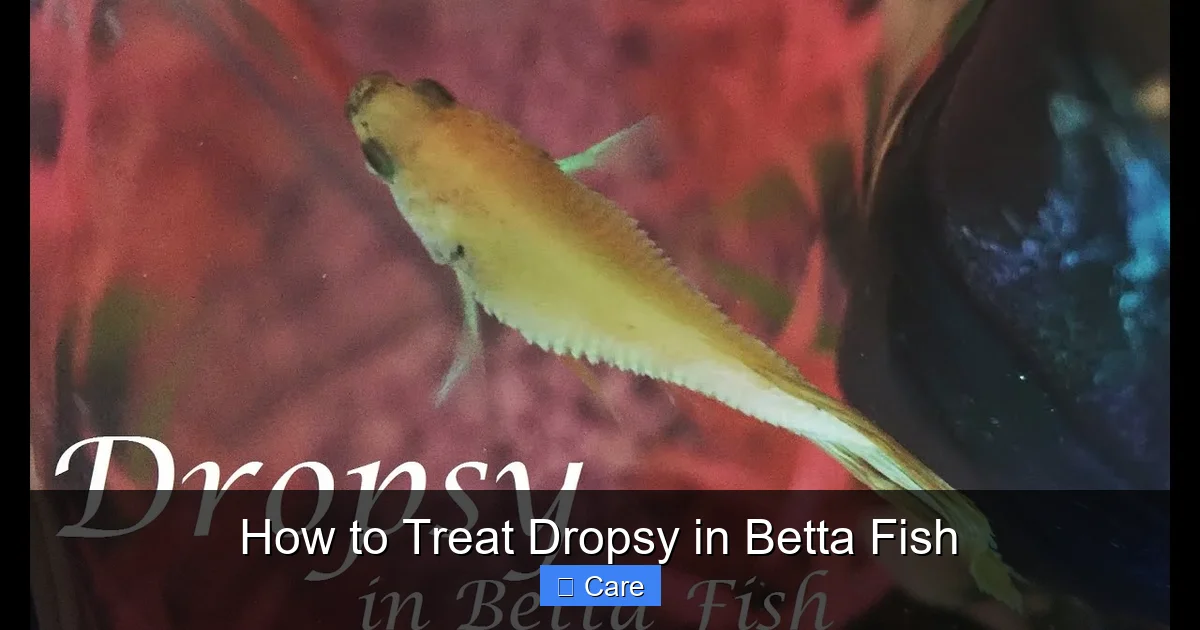
How to Treat Dropsy in Betta Fish
Dropsy is a serious, often fatal condition, but early detection and proper treatment can give your betta a fighting chance. This guide walks you through spotting symptoms, setting up a quarantine tank, and using both natural and medicated remedies to restore health. Follow the step‑by‑step plan and you’ll know exactly what to do when dropsy strikes.
Key Takeaways
- Early detection saves lives: Spot the tell‑tale swelling and white spots before the infection spreads.
- Quarantine is essential: Isolating the sick betta prevents contamination of the main tank.
- Water quality is king: Clean, stable parameters are the foundation of any dropsy treatment.
- Antibiotics and natural remedies work together: Combining a broad‑spectrum antibiotic with Epsom salt or Indian almond leaves boosts recovery.
- Nutrition supports healing: High‑protein, easily digestible foods give the immune system a boost.
- Monitor and adjust: Frequent water tests and observation guide dosage changes and prevent relapse.
- Know when to say goodbye: If symptoms worsen after 7‑10 days, humane euthanasia may be the kindest option.
📑 Table of Contents
- Introduction: Why Dropsy Is a Betta Owner’s Nightmare
- 1. Understanding Dropsy: What’s Really Happening?
- 2. Immediate Steps: First‑Aid for a Droopy Betta
- 3. Setting Up the Ideal Quarantine Environment
- 4. Medication Options: From Over‑the‑Counter to Natural Remedies
- 5. Nutrition: Feeding a Betta Fighting Dropsy
- 6. Monitoring Progress and Knowing When to Stop
- Conclusion: Hope, Patience, and Prevention
Introduction: Why Dropsy Is a Betta Owner’s Nightmare
If you’ve ever watched a betta glide gracefully across the water, you know they’re more than just pretty fins—they’re personalities. So when a beloved fish suddenly looks puffy, its scales stick out like tiny armor plates, panic sets in. That swollen, “pine‑cone” look is called dropsy, and it’s one of the most dreaded diagnoses in the hobby.
But don’t hit the panic button just yet. Dropsy is not always a death sentence. With the right knowledge, quick action, and a bit of patience, many bettas bounce back. This article explains how to treat dropsy in betta fish step by step, from spotting the first signs to deciding when professional help is needed.
1. Understanding Dropsy: What’s Really Happening?
What is dropsy?
Dropsy isn’t a disease itself; it’s a symptom of an underlying problem—usually a bacterial infection that damages the fish’s kidney and causes fluid buildup. The term comes from the “dropsy‑like” swelling that makes the fish look bloated.
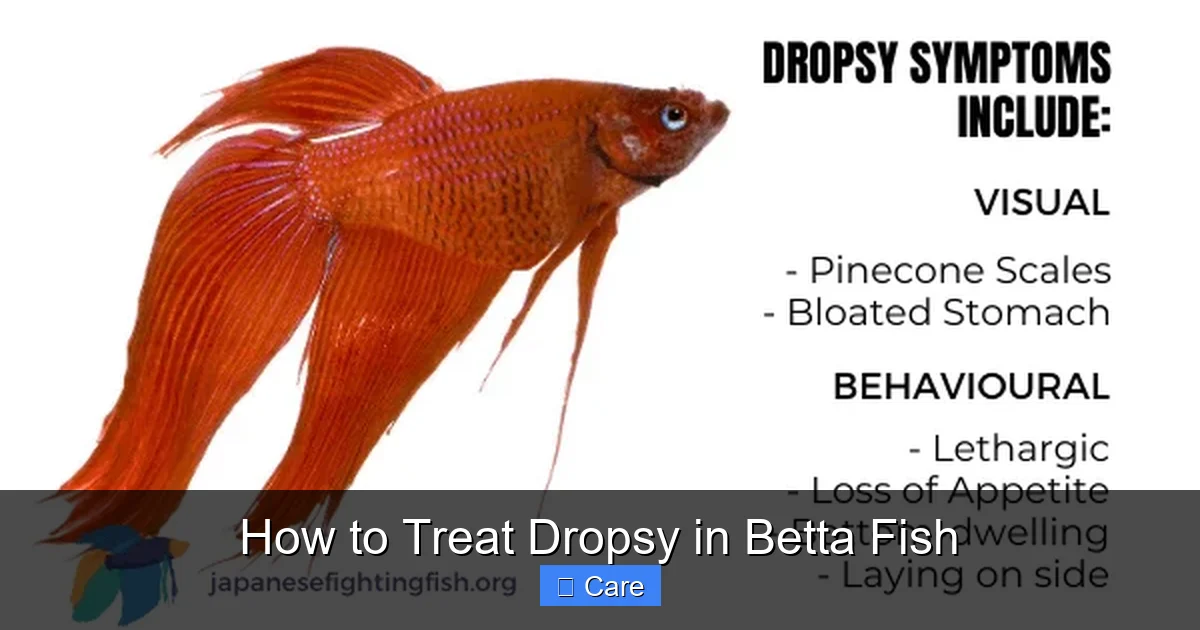
Visual guide about How to Treat Dropsy in Betta Fish
Image source: japanesefightingfish.org.wmggroup.net
Common causes
- Bacterial infection: Aeromonas and Pseudomonas species are the usual suspects.
- Water quality issues: High ammonia, nitrite, or nitrate spikes stress the immune system.
- Parasites or fungi: Secondary infections can trigger the same fluid retention.
- Physical injury: A wound can become infected, leading to systemic illness.
How to recognize the signs
Look for these red flags:
- Swollen abdomen or body “puffy” appearance.
- Scale protrusion (the classic “pine‑cone” look).
- White or yellowish spots on the body or fins.
- Lethargy, loss of appetite, and floating near the surface.
- Rapid breathing or gasping at the surface.
2. Immediate Steps: First‑Aid for a Droopy Betta
Isolate the fish
Set up a small quarantine tank (2‑5 gallons) with a heater, filter, and a lid. This stops the infection from spreading and gives you control over water parameters.
Visual guide about How to Treat Dropsy in Betta Fish
Image source: img.thepets.net
Check water parameters
Test the quarantine water for temperature (78‑80°F), pH (6.5‑7.5), ammonia, nitrite, and nitrate. Aim for zero ammonia and nitrite, and keep nitrate below 20 ppm.
Start a mild salt treatment
Adding 1 gram of aquarium‑grade salt per gallon (≈0.1%) helps reduce fluid buildup and eases stress. Dissolve the salt in a cup of tank water before pouring it in.
Begin an antibiotic regimen
For most beginners, a broad‑spectrum antibiotic like Maracyn 2 (active ingredient: erythromycin) is a safe choice. Follow the label: typically 1 ml per 10 g of fish weight, administered once daily for 7‑10 days.
Offer easy‑to‑digest foods
Offer a small amount of boiled egg yolk, high‑protein betta pellets, or a specially formulated “recovery” gel. Feed 2‑3 times a day, removing uneaten food after 5 minutes.
3. Setting Up the Ideal Quarantine Environment
Tank size and décor
A 2‑gallon tank is enough. Use a smooth, dark background to reduce stress. Avoid heavy décor; a single silk plant and a small cave provide hiding places without trapping debris.
Visual guide about How to Treat Dropsy in Betta Fish
Image source: i.ytimg.com
Filtration and aeration
Use a gentle sponge filter. It provides biological filtration without creating strong currents that a weak betta can’t handle. Add an air stone set low for surface agitation.
Temperature control
Betta fish are tropical; keep the water at 78‑80°F. A reliable submersible heater with an adjustable thermostat works best. Sudden temperature changes can worsen dropsy.
Maintaining pristine water
- Perform 25‑30% water changes daily for the first three days.
- After day 4, switch to 20% changes every other day.
- Use a water conditioner that detoxifies chlorine and chloramine.
4. Medication Options: From Over‑the‑Counter to Natural Remedies
Antibiotics you can buy
- Maracyn 2: Erythromycin; good for gram‑negative bacteria.
- Kanaplex: Broad‑spectrum; works on many Aeromonas strains.
- Furan‑2: Effective against both bacteria and parasites.
Always follow the manufacturer’s dosage chart. Over‑dosing can harm the fish and beneficial bacteria.
Natural adjuncts
- Epsom salt (magnesium sulfate): 1 gram per gallon helps draw excess fluid out of the body.
- Indian almond leaves (Catappa leaves): Release tannins that boost immunity and calm stress.
- Garlic‑infused water: 1 ml of garlic extract per 5 g of fish daily can stimulate appetite.
How to combine treatments safely
Start with the antibiotic and salt bath for the first 48 hours. After that, add a few almond leaves to the tank and continue the salt at a reduced dose (0.5 g per gallon). Monitor the fish closely; if any side‑effects appear (e.g., loss of equilibrium), reduce the dosage.
5. Nutrition: Feeding a Betta Fighting Dropsy
Why diet matters
A weakened immune system can’t fight infection without proper nutrients. Protein, vitamins, and minerals are the building blocks for recovery.
Best foods for recovery
- Boiled egg yolk: Soft, high‑protein, easy to digest. Offer a pea‑size dab.
- Bloodworms (frozen or live): Rich in protein and iron.
- High‑quality betta pellets: Look for ones with >40% protein and added vitamins.
- Gel foods: Commercial recovery gels dissolve quickly and provide balanced nutrition.
Feeding schedule
Feed 2‑3 small meals per day. Remove leftovers quickly to keep water quality high. If the fish refuses food for 48 hours, consider a “syringe feed” of liquid egg yolk mixed with water.
6. Monitoring Progress and Knowing When to Stop
Daily observation checklist
- Swelling: Is the abdomen shrinking?
- Scale condition: Are scales returning to a smooth appearance?
- Activity: Is the betta swimming more confidently?
- Appetite: Is it eating regularly?
- Water parameters: Are ammonia and nitrite still at zero?
When to adjust treatment
If after 5‑7 days there is no improvement, increase the antibiotic dose (if safe) or switch to a different one. Some infections are resistant and may need a vet‑prescribed medication.
When to consider humane euthanasia
When the fish shows severe lethargy, loss of buoyancy, or the swelling continues to enlarge despite aggressive treatment, the humane option is to prevent further suffering. A quick overdose of clove oil (0.4 ml per liter) is widely accepted among aquarists.
Conclusion: Hope, Patience, and Prevention
Treating dropsy in betta fish is a race against time. Early detection, a clean quarantine tank, and a disciplined medication schedule give your betta the best chance to recover. Remember that water quality is the single most powerful tool—keep parameters stable, perform regular water changes, and avoid over‑feeding.
Even if the outcome isn’t what you hoped for, you’ll have learned valuable lessons that will protect future fish. By staying observant and proactive, you’ll turn the dreaded “how to treat dropsy in betta fish” question into a confident, step‑by‑step plan you can share with fellow hobbyists.
Frequently Asked Questions
What does dropsy look like in a betta?
Typical signs are a swollen abdomen, scales that stick out like tiny armor plates, white or yellow spots, and a listless swimming pattern.
Can I treat dropsy without antibiotics?
Natural remedies like Epsom salt, Indian almond leaves, and high‑quality nutrition can help, but most bacterial dropsy cases need an antibiotic for a realistic chance of recovery.
How long does treatment take?
Most bettas show improvement within 5‑7 days. Full recovery can take up to 2‑3 weeks if the infection is mild and water conditions stay optimal.
Is it safe to keep a betta with dropsy in the main tank?
No. Dropsy is highly contagious. Always quarantine the sick fish to protect the rest of your community.
What water parameters are critical during treatment?
Keep temperature at 78‑80°F, pH between 6.5‑7.5, ammonia and nitrite at 0 ppm, and nitrate below 20 ppm. Stable parameters reduce stress and aid healing.
When should I call a veterinarian?
If there’s no improvement after 7‑10 days of proper treatment, if the fish becomes extremely lethargic, or if you notice severe bleeding or organ failure, seek professional advice.