What Other Fish Can Betta Fish Live With
Betta fish can share a community tank, but only with the right companions. Choose peaceful, similarly sized species, keep water parameters stable, and provide plenty of hiding spots. This guide explains what other fish can betta fish live with and how to create a harmonious aquarium.
Key Takeaways
- Size matters: Small, non‑aggressive fish are the safest betta companions.
- Temperament is key: Avoid fin‑nipping species and overly active swimmers.
- Tank size counts: A minimum of 20 gallons gives each fish room to establish territory.
- Water quality must stay stable: Consistent temperature, pH, and low ammonia are essential for all inhabitants.
- Provide plenty of décor: Plants, caves, and driftwood create hiding places and reduce stress.
- Introduce slowly: Acclimate new fish gradually and monitor behavior for the first 48 hours.
- Know the red flag signs: Constant chasing, faded colors, or torn fins mean it’s time to separate.
📑 Table of Contents
- Introduction: The Social Side of Betta Fish
- Understanding Betta Behavior
- Fundamental Compatibility Rules
- Top Tank Mates: What Other Fish Can Betta Fish Live With?
- Fish to Avoid: When “What Other Fish Can Betta Fish Live With” Means “None”
- Setting Up a Successful Community Tank
- Maintenance Tips for a Mixed Betta Tank
- Conclusion: A Balanced Aquarium Is Possible
Introduction: The Social Side of Betta Fish
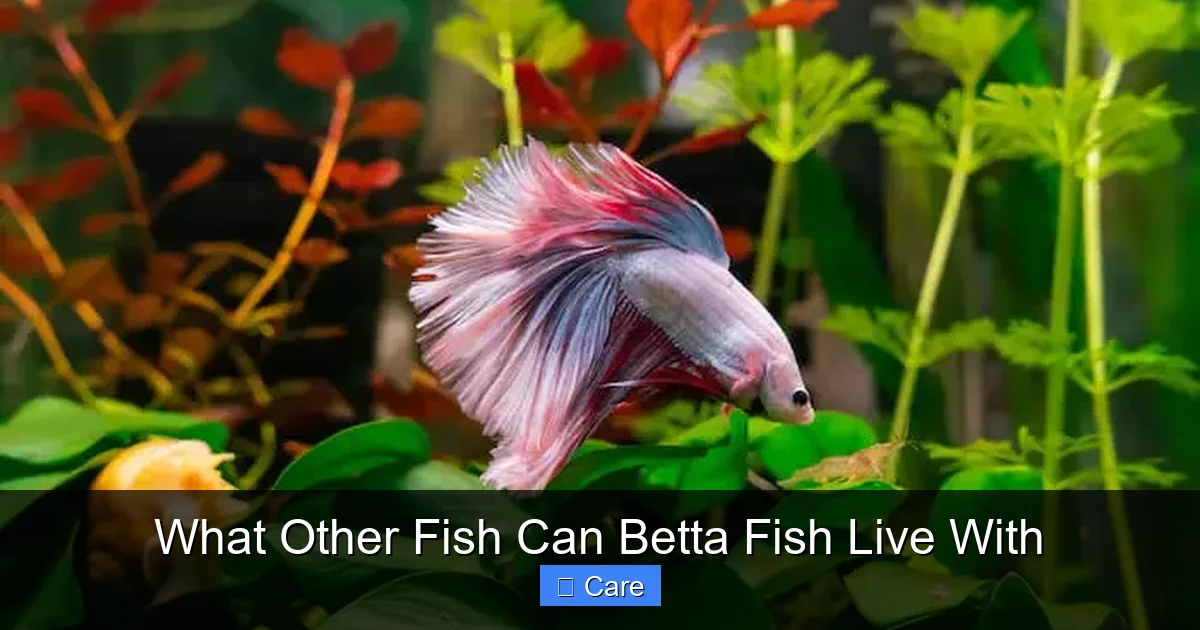
Betta fish, often called Siamese fighting fish, are famous for their flamboyant fins and feisty personality. Many hobbyists think they must live alone, but that isn’t the whole story. In the right environment, a betta can share a community tank with other peaceful species.
This article answers the question what other fish can betta fish live with by breaking down compatibility factors, listing safe tank mates, and giving practical steps to set up a mixed aquarium. Whether you have a single male betta or a pair of females, you’ll learn how to keep everyone healthy and happy.
Understanding Betta Behavior
Territorial instincts
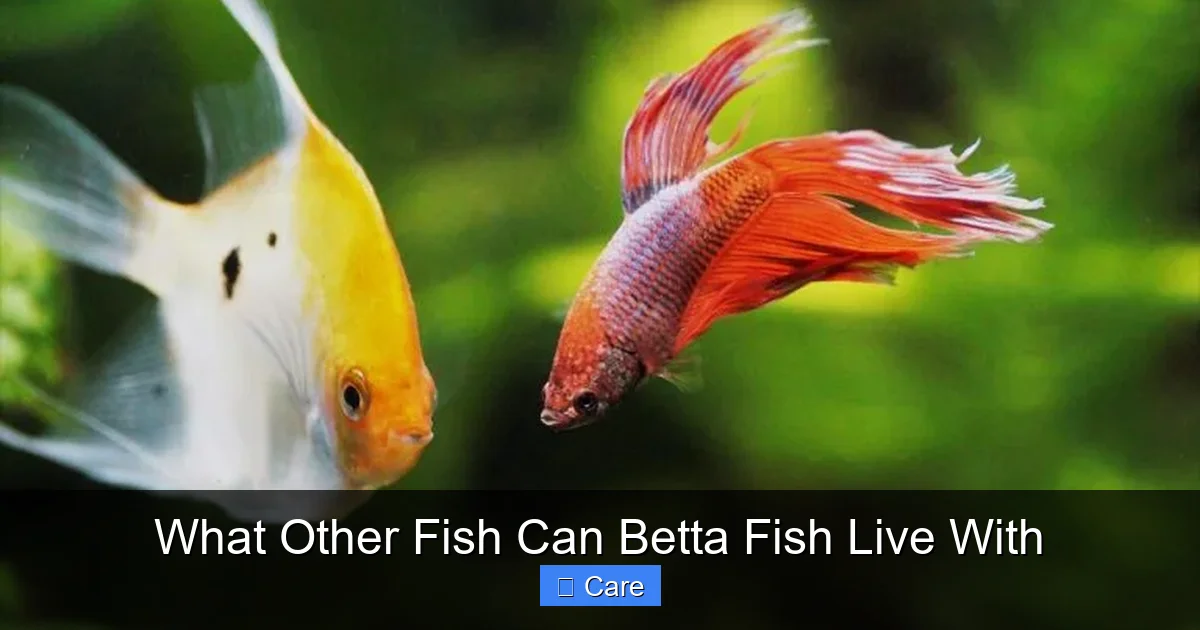
Betta males guard a small area, especially around their favorite perch or breeding site. In the wild they defend shallow rice paddies, so a tank that feels cramped can trigger aggression.
Visual guide about What Other Fish Can Betta Fish Live With
Image source: fishkeepingadvice.com
Fin‑nipping tendencies
Some bettas, especially those that have been raised with other fish, may ignore the “no‑nipping” rule. Long‑finned varieties are especially vulnerable to damage, so you must choose companions that won’t see their fins as a snack.
Gender differences
Male bettas are generally more aggressive toward each other and toward brightly colored males of other species. Female bettas can be a bit more tolerant, but they still need space.
Fundamental Compatibility Rules
1. Tank size and layout
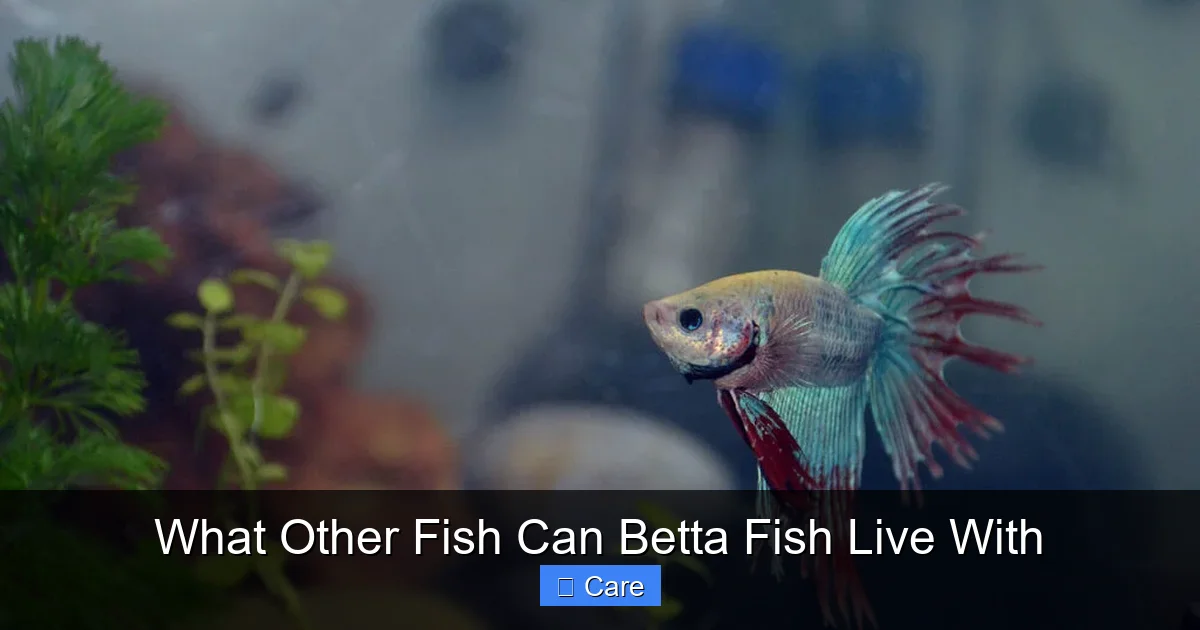
A 5‑gallon tank is fine for a solitary betta, but community setups need at least 20 gallons. More water means diluted waste, stable temperature, and enough room for each fish to claim a corner.
Visual guide about What Other Fish Can Betta Fish Live With
Image source: fishkeepingadvice.com
2. Water parameters
Betta fish thrive at 76‑82 °F (24‑28 °C), pH 6.5‑7.5, and soft to medium hardness. Choose tank mates that share these ranges; otherwise you’ll be fighting a losing battle with the filter.
3. Temperament matching
Look for species described as “peaceful,” “slow‑moving,” or “bottom‑dwelling.” Fast swimmers can stress a betta, while aggressive bottom dwellers may bite at the betta’s fins.
4. Size and shape
Fish that are significantly larger than the betta can intimidate it, while tiny fry may become easy prey. Aim for companions that are roughly the same size or slightly larger, but not lanky and fast.
Top Tank Mates: What Other Fish Can Betta Fish Live With?
1. Neon Tetras
These tiny, colorful fish are a classic community favorite. They stay near the top, keeping a safe distance from the betta’s territory. Keep them in a school of six or more to reduce stress.

Visual guide about What Other Fish Can Betta Fish Live With
Image source: fishkeepertank.com
2. Ember Tetras
Even smaller than neon tetras, ember tetras add a warm glow. Their calm demeanor makes them ideal for a betta‑only community.
3. Corydoras Catfish
Bottom‑dwelling corys are gentle scavengers that rarely interact with the betta’s mid‑water zone. A small group of three to five works well, and they help keep the substrate clean.
4. Kuhli Loaches
These eel‑like loaches hide in the substrate and driftwood. Their shy nature means they won’t provoke a betta, and they love the same warm water.
5. Harlequin Rasboras
Fast enough to avoid a betta’s glare but peaceful enough not to chase, harlequin rasboras add a striking silver‑black pattern to the tank.
6. Otocinclus Catfish
Often called “oto” catfish, they are tiny algae eaters that stick to glass and plants. Their non‑aggressive temperament makes them safe companions.
7. Dwarf Gourami (Selective)
Only a single, male dwarf gourami can sometimes share a tank with a calm betta if the tank is large (30 gallons) and heavily planted. Watch for any signs of flare‑ups.
8. Pea Puffer (Cautiously)
Pea puffers are tiny, but they have a strong personality. In a well‑planted, spacious tank, they can coexist, but you must be ready to separate them if aggression appears.
Fish to Avoid: When “What Other Fish Can Betta Fish Live With” Means “None”
Fin‑nippers
Guppies, tiger barbs, and other fast, fin‑biting species will quickly turn a betta’s beautiful tail into a shredded mess.
Brightly colored, similarly sized males
Other male bettas, fancy guppies, or male dwarf gouramis with vivid fins can trigger territorial battles.
Large, aggressive swimmers
Oscars, cichlids, and large loaches may see the betta as a snack or a nuisance, leading to stress for both parties.
Bottom‑dwelling scavengers that dig
Some loaches and catfish will uproot plants, removing the hiding places that keep a betta calm.
Setting Up a Successful Community Tank
Step 1: Choose the right tank
Start with a minimum of 20 gallons. A rectangular tank gives more surface area for heating and better swimming lanes.
Step 2: Install filtration and heating
A gentle sponge filter or a low‑flow hang‑on‑back filter keeps water clear without creating strong currents that stress bettas.
Step 3: Add live plants and décor
Java fern, Anubias, and mosses thrive in warm water and provide hiding spots. Driftwood and smooth rocks break lines of sight, reducing aggression.
Step 4: Cycle the tank
Never add fish to an uncycled tank. Allow 4‑6 weeks for the nitrogen cycle, testing for ammonia, nitrite, and nitrate.
Step 5: Introduce the betta first
Place the betta in its chosen spot, let it settle for a week, then begin adding the other species slowly.
Step 6: Acclimate new fish
Use the drip method or a floating bag for at least 30 minutes to match temperature and water chemistry.
Step 7: Monitor behavior
Watch the betta for flares, gill covers open, or frantic swimming. If any fish show torn fins or hide constantly, be ready to separate.
Maintenance Tips for a Mixed Betta Tank
Regular water changes
Swap 25 % of the water weekly to keep nitrate low. Use a water conditioner that removes chlorine and chloramine.
Feed a varied diet
Betas love high‑protein pellets, frozen bloodworms, and occasional brine shrimp. Community fish need flake or micro‑pellet foods. Feed small amounts 2‑3 times daily.
Trim plants and clean décor
Trim overgrown leaves to maintain water flow. Rinse rocks and driftwood in tank water during water changes.
Check for disease early
Fin rot, velvet, and ich spread quickly in warm water. Quarantine new arrivals for two weeks before adding them to the main tank.
Conclusion: A Balanced Aquarium Is Possible
Answering the question “what other fish can betta fish live with” isn’t a one‑size‑fits‑all answer. It depends on tank size, water parameters, and the individual betta’s temperament. By following the compatibility rules, choosing peaceful, appropriately sized species, and providing plenty of hiding places, you can create a vibrant community where a betta thrives alongside other colorful swimmers.
Remember, patience is your best tool. Introduce new fish slowly, observe closely, and be ready to rearrange or separate if tension rises. With the right approach, your betta will not only survive but enjoy a lively, interactive aquarium that brings joy to you and a healthy environment for all its inhabitants.
Frequently Asked Questions
Can I keep a male betta with a female betta?
No. Male and female bettas will fight unless they are a proven breeding pair in a specially prepared tank.
Are neon tetras safe with a betta?
Yes, neon tetras are small, peaceful, and stay near the surface, making them one of the best community mates for bettas.
What should I do if my betta starts flaring after adding new fish?
Remove the new fish to a quarantine tank for a few days, check water parameters, and add plenty of hiding spots before trying again.
Do bettas need a heater if they share a tank with other tropical fish?
Yes. All tropical fish, including bettas, require a stable temperature of 76‑82 °F. A reliable aquarium heater is essential.
How often should I feed a mixed betta tank?
Feed small portions twice a day, offering high‑protein betta pellets for the betta and flake or micro‑pellet food for the community fish.
Can I add a dwarf gourami to a betta tank?
Only in a large (30 gallon+) heavily planted tank with a single, calm male dwarf gourami. Watch closely for any signs of aggression.