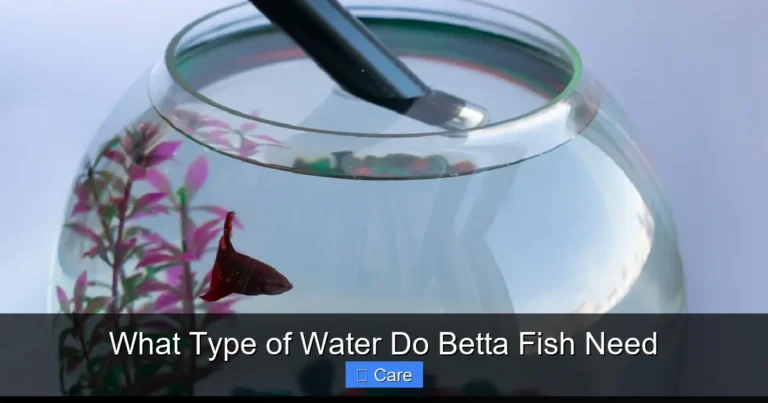
How to Change a Betta Fish Water
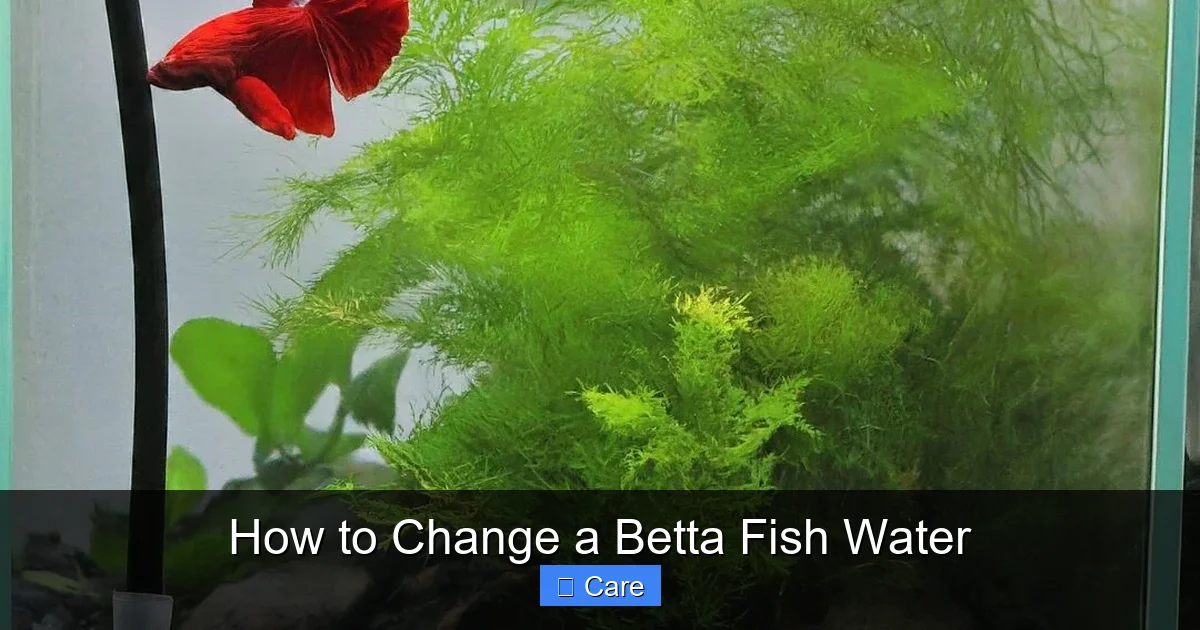
Changing a betta fish’s water doesn’t have to be stressful. Follow this friendly, step‑by‑step guide to keep the water clean, the temperature stable, and your betta thriving. Regular water changes are the cornerstone of a healthy betta habitat.
Key Takeaways
- Frequency matters: Most bettas need a 25‑30% water change once a week.
- Use conditioned water: Always treat tap water with a water conditioner to remove chlorine and chloramines.
- Temperature consistency: Match the new water’s temperature to the tank’s to avoid shock.
- Gentle removal: Use a siphon or cup; never pour water directly on the fish.
- Clean, don’t sterilize: Rinse decorations and substrate lightly; avoid harsh chemicals.
- Monitor water parameters: Test for ammonia, nitrite, and pH after each change.
- Keep a routine: A consistent schedule makes water changes quick and stress‑free.
📑 Table of Contents
Why Regular Water Changes Are Crucial for Betta Health
Betta fish are hardy, but they still need clean water to stay vibrant. In a small tank or bowl, waste products, uneaten food, and dissolved organics accumulate quickly. If left unchecked, ammonia spikes, nitrite builds, and the pH can swing, all of which stress your betta and invite disease.
Changing the water removes these toxins, replenishes essential minerals, and restores the proper oxygen level. Think of it as giving your betta a fresh bowl of air every few days—only it’s water.
What Happens When You Skip Water Changes?
- Ammonia buildup: Even a tiny amount can burn gill tissue.
- Cloudy water: Algae and bacteria thrive, reducing visibility.
- Fin rot and fungal infections: Stressed fish are more vulnerable.
- Reduced appetite: Poor water quality can make a betta lose interest in food.
How Often Should You Change Betta Fish Water?
Most experts recommend a 25‑30% water change every 5‑7 days for a betta in a 2‑5 gallon tank. If you have a heavily planted tank or use a filter, you might stretch to 10‑14 days, but always test the water first.
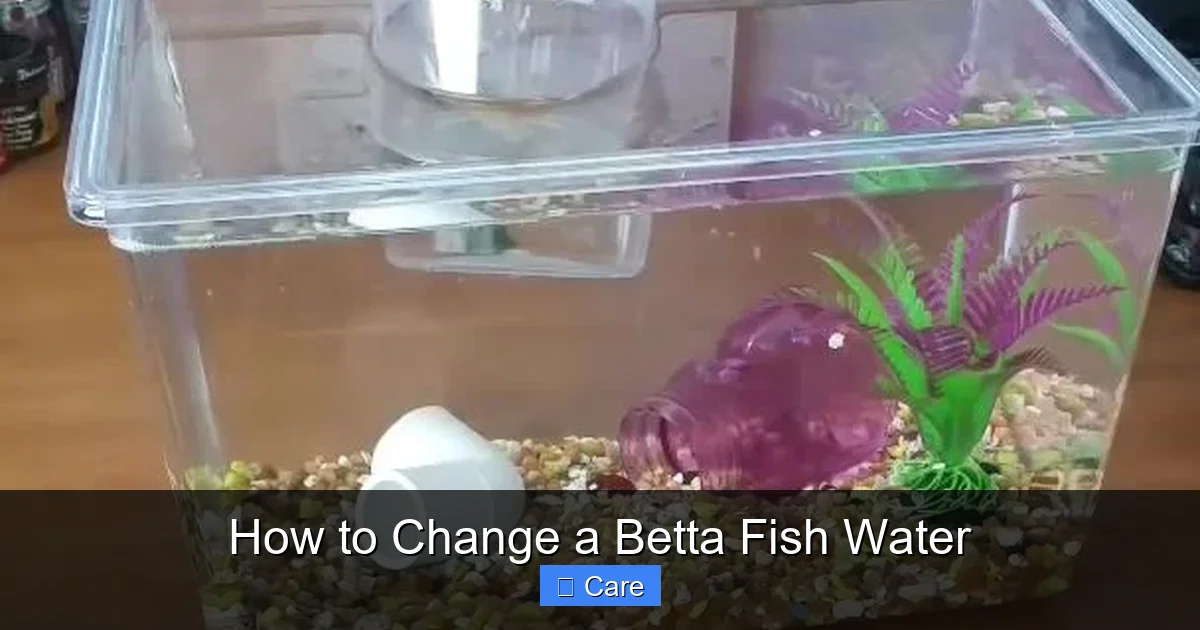
Visual guide about How to Change a Betta Fish Water
Image source: animalslog.com
For a quick reference, check out our detailed guide on how often to change betta fish water. It breaks down schedules based on tank size, filtration, and feeding frequency.
Signs Your Betta Needs a Water Change Sooner
- Water looks milky or cloudy.
- Fish is gasping at the surface.
- Unusual hiding or lethargy.
- Visible waste or excess bio‑film on decorations.
Preparing for the Water Change
Preparation is the secret to a smooth, stress‑free water change. Gather everything you’ll need before you touch the tank.

Visual guide about How to Change a Betta Fish Water
Image source: fishkeepertank.com
Supplies Checklist
- Siphon or small cup: A gentle way to remove water without harming the fish.
- Water conditioner: Removes chlorine, chloramines, and heavy metals.
- Thermometer: Ensures new water matches tank temperature.
- Bucket (dedicated for aquarium use): Never use a bucket that held chemicals.
- Algae scraper (optional): For cleaning glass after the change.
Step‑by‑Step Preparation
- Turn off equipment: Switch off the heater and filter for safety.
- Measure the tank volume: Knowing the exact gallons helps you calculate the 25‑30% change.
- Fill a bucket with tap water: Add the appropriate dose of water conditioner.
- Match temperature: Use a thermometer; adjust with hot or cold water until it’s within 1‑2 °F of the tank.
Executing the Water Change
Now that you’re prepared, it’s time to swap out the old water for fresh, clean water. Follow these steps to keep your betta calm and the tank spotless.

Visual guide about How to Change a Betta Fish Water
Image source: animalslog.com
1. Remove the Betta (Optional but Helpful)
If you’re nervous about the fish being in the water while you work, gently net the betta and place it in a clean, water‑filled container that matches the tank temperature. This step is especially useful for beginners.
2. Siphon Out 25‑30% of the Water
Insert the siphon into the tank, aiming for the bottom where debris settles. Slowly draw out the desired amount—usually 1‑1.5 gallons for a 5‑gallon tank. Move the siphon around a bit to pull up any settled waste.
3. Clean the Substrate and Decorations
While the water is out, gently stir the substrate with a clean aquarium tool to lift debris. If you notice algae on rocks or plants, rinse them in the bucket of conditioned water. Avoid soaps or chemicals.
4. Add the New Conditioned Water
Pour the pre‑conditioned, temperature‑matched water back into the tank slowly, aiming for the side of the tank to avoid disturbing the fish or substrate too much. If you removed the betta, gently slide it back in now.
5. Restart Equipment
Turn the heater and filter back on. Give the filter a minute to prime; you may see a brief burst of bubbles as it re‑starts.
6. Test Water Parameters
Use a liquid test kit to check ammonia, nitrite, nitrate, and pH. After a proper change, ammonia and nitrite should be at 0 ppm, nitrates low, and pH stable around 6.5‑7.5 for most bettas.
Special Situations and Common Questions
Not every betta setup is the same. Below are answers to frequent scenarios that many hobbyists encounter.
Changing Water in a Small Bowl
Bowls have less water volume, so a 25‑30% change can be as little as 200 ml. Use a small cup and be extra gentle. For step‑by‑step instructions, see how to change water for betta fish in a bowl.
Water Changes Without a Siphon
If you don’t have a siphon, a clean cup works fine. Scoop out water slowly, then replace it with conditioned water. Learn more in how to change betta fish water without siphon.
Dealing with Temperature Shock
Never pour cold tap water straight into the tank. Always pre‑heat or chill the new water to match the tank’s temperature. A sudden shift of more than 3‑4 °F can cause stress or even death.
What If My Betta Is Sick?
For a sick betta, more frequent, smaller water changes (10‑15% every 2‑3 days) can help flush toxins while keeping the environment stable. Pair this with a proper treatment plan.
Maintaining a Healthy Water Routine
Consistency is the key to a thriving betta. Here are habits that make water changes a breeze.
Create a Calendar
Mark the day of each change on a wall calendar or phone reminder. A visual cue helps you stay on schedule.
Batch‑Condition Water
Fill a spare bucket with conditioned water a day ahead. This way, you only need to match temperature on the day of the change.
Monitor Feeding
Overfeeding adds extra waste. Feed only what your betta can eat in 2‑3 minutes, once or twice daily.
Use a Quality Filter
Even a small sponge filter can reduce the frequency of full water changes by keeping ammonia low.
Conclusion
Changing a betta fish water is one of the simplest yet most impactful care tasks you can perform. By following a regular schedule, using conditioned water at the right temperature, and handling your fish gently, you’ll keep your betta bright, active, and healthy for years to come. Remember, the water is the lifeline of your fish—treat it with care, and your betta will reward you with dazzling fins and playful behavior.
Frequently Asked Questions
How often should I change my betta’s water?
Generally, a 25‑30% water change every 5‑7 days is ideal. Test the water and adjust the schedule if ammonia or nitrite rises.
Can I change the water without a siphon?
Yes, a clean cup or small bucket works fine. Just pour slowly to avoid stressing the fish and match the temperature of the new water.
What temperature should the new water be?
Match the tank’s temperature within 1‑2 °F (0.5‑1 °C). Use a thermometer and adjust with warm or cool water before adding it.
Do I need to clean the tank during each water change?
Lightly rinse substrate and decorations in the bucket of conditioned water. Full scrubbing of the tank glass can be done less frequently, about once a month.
Is it okay to use tap water directly?
No. Always treat tap water with a water conditioner to neutralize chlorine, chloramines, and heavy metals that can harm your betta.
What should I do if my betta looks stressed after a water change?
Check the water temperature and parameters first. If they’re correct, give the fish a few hours to settle, reduce lighting, and ensure the filter isn’t creating strong currents.