A Bad Day Fishing Is Better Than
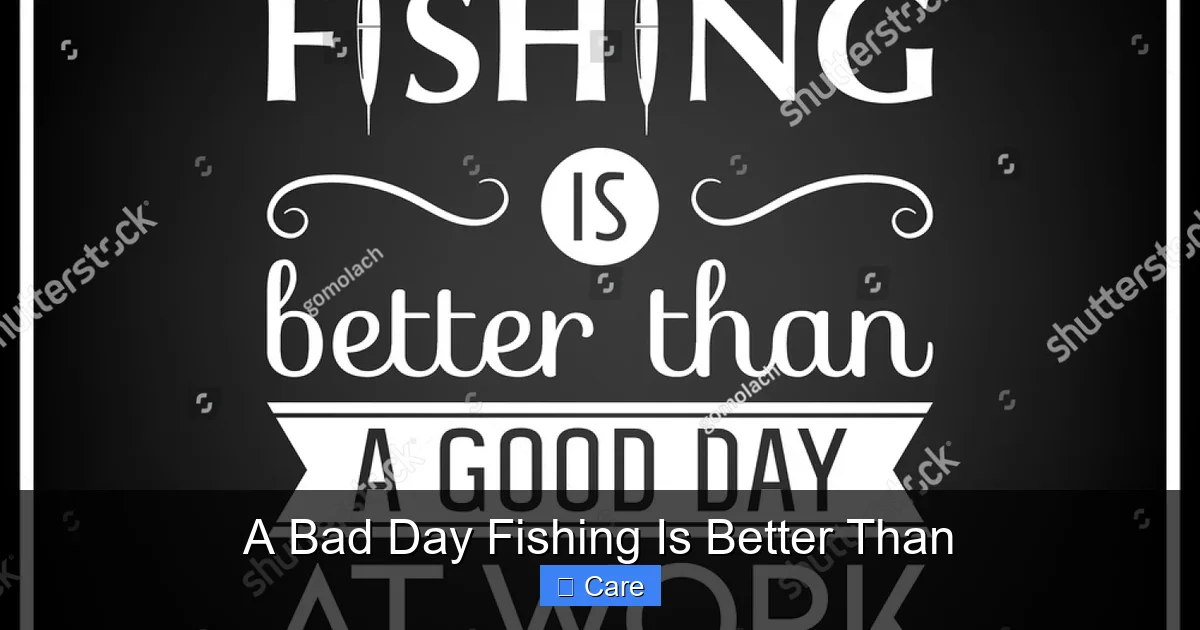
Even a lousy fishing trip beats missing out on the water. From stress relief to fresh perspectives, a bad day fishing is better than staying ashore, and the lessons learned last a lifetime.
Key Takeaways
- Stress busting power: Even a frustrating cast helps lower cortisol more than many indoor hobbies.
- Skill sharpening: Mistakes on the water teach patience and technique faster than any tutorial.
- Connection to nature: A rough day still offers fresh air, sunlight, and wildlife you can’t get at home.
- Social bonding: Shared setbacks create stronger friendships than a perfect catch ever could.
- Mindset reset: Learning to enjoy the process turns a bad day into a growth opportunity.
- Physical benefits: Standing, walking, and reeling burn calories—better than a sedentary day.
- Future success: Each “bad” outing builds the knowledge that leads to big wins later.
📑 Table of Contents
- Why a Bad Day Fishing Is Better Than Staying Inside
- Lesson 1: Stress Relief Even When Nothing Bites
- Lesson 2: Skill Building in Real‑World Conditions
- Lesson 3: Connecting With Friends and Family
- Lesson 4: Physical Health Benefits
- Lesson 5: Mindset Shifts and Personal Growth
- Lesson 6: Planning Future Success
- Lesson 7: The Unexpected Joys of a Bad Day
- Practical Tips to Make the Most of a Bad Day
- Conclusion: Embrace the Bad, Celebrate the Good
Why a Bad Day Fishing Is Better Than Staying Inside
Picture this: you’re on the dock, the line keeps tangling, the fish aren’t biting, and the sky looks gray. It feels like a total flop. Yet, compare that to a day spent on the couch scrolling social media, and you’ll see why a bad day fishing is better than doing nothing at all. The simple act of being outside, even when nothing “works,” triggers a cascade of health‑boosting and mood‑lifting responses that a sedentary day simply can’t match.
Science backs it up. Studies show that exposure to natural light increases serotonin, while gentle physical activity—like casting and reeling—lowers cortisol. Even the disappointment of a dry line forces you to focus on the present moment, a form of mindfulness that reduces anxiety. In short, a rough fishing trip gives you mental and physical wins that far outweigh the comfort of staying indoors.
Lesson 1: Stress Relief Even When Nothing Bites
Nature’s own therapy room
The sound of water, the smell of pine, and the feel of a cool breeze create a natural stress‑relief cocktail. Even if the fish aren’t interested, your body still benefits from the environment. A short walk to the water’s edge can lower blood pressure within minutes.
Visual guide about A Bad Day Fishing Is Better Than
Image source: thumbs.dreamstime.com
Comparing indoor stressors
When you stay inside, stressors pile up: emails, chores, and the endless scroll of news. A bad day on the water replaces these with rhythmic breathing and gentle movement. The result? A calmer mind ready to tackle other challenges.
Lesson 2: Skill Building in Real‑World Conditions
Learning from failure
Every tangled line or missed cast is a data point. You quickly learn what “doesn’t work,” which is priceless. This trial‑and‑error loop is far more effective than watching a video or reading a guide.
Visual guide about A Bad Day Fishing Is Better Than
Image source: thumbs.dreamstime.com
Practical tip: Keep a fishing journal
Write down weather, bait, and what went wrong. Over time you’ll spot patterns and improve faster. This habit turns a bad day into a valuable lesson.
Lesson 3: Connecting With Friends and Family
Shared struggles create stronger bonds
When you and a buddy both come home empty‑handed, you’re likely to laugh about it later. Those shared stories become inside jokes and deepen relationships. A perfect day can feel flat; a bad day adds character.
Visual guide about A Bad Day Fishing Is Better Than
Image source: static.vecteezy.com
Family time on the water
Kids love the adventure, even if the fish stay hidden. Their excitement about the “big splash” of a cast is priceless and teaches them patience.
Lesson 4: Physical Health Benefits
Burning calories without a gym
Standing, walking along the shore, and reeling a line can easily burn 200–300 calories per hour. That’s more activity than most people get from a day of housework.
Improving flexibility and grip strength
Reeling, adjusting the reel, and handling a rod work the forearms and shoulders. Over time, this improves grip strength—a benefit for everyday tasks like opening jars.
Lesson 5: Mindset Shifts and Personal Growth
Embracing the “process over outcome” mindset
When you accept that a day may not end with a trophy fish, you free yourself from perfectionism. This mindset translates to work, studies, and personal goals.
Turning frustration into motivation
After a bad day, many anglers set a new goal: “Next time I’ll try a different lure.” That forward‑looking attitude fuels continuous improvement.
Lesson 6: Planning Future Success
Using data to choose better spots
Every bad day adds to your mental map of where fish *don’t* like to hang out. Combine this with online resources like Which Is Better Inshore Or Offshore Fishing to plan smarter trips.
Choosing the right gear
If you’re constantly battling line twists, it might be time to upgrade. Check out guides such as Which Is Better Braided Or Mono Fishing Line to find the perfect match for your style.
Lesson 7: The Unexpected Joys of a Bad Day
Discovering new wildlife
Even when fish aren’t biting, you might spot a heron, a curious otter, or a rare bird. Those moments become the highlight reel of your trip.
Finding peace in solitude
If you’re alone, the quiet can be meditative. The gentle rocking of a boat or the rhythmic lapping of waves can become a moving mantra.
Practical Tips to Make the Most of a Bad Day
- Bring a backup plan: Pack a good book or a portable speaker for music.
- Stay hydrated and snack smart: Energy dips make frustration worse.
- Set a time limit: If after an hour you’re still empty‑handed, call it a day and enjoy the scenery.
- Swap bait or technique: Small changes can turn a bad day around.
- Document the experience: Photos, notes, and even a quick video can turn a flop into a story.
Conclusion: Embrace the Bad, Celebrate the Good
At the end of the day, a bad day fishing is better than missing the water entirely. The stress relief, skill growth, physical activity, and deeper connections you gain far outweigh any missed catch. Next time your line stays tight, remember that the real reward is the experience itself. So grab your rod, head out, and let the imperfect moments become the foundation of your future fishing triumphs.
Frequently Asked Questions
Is a bad day fishing still good for mental health?
Yes. Even without catches, being outdoors lowers cortisol and improves mood, offering a natural mental health boost.
Can I learn new techniques on a day when nothing bites?
Absolutely. A quiet day lets you focus on casting, line management, and gear adjustments without the pressure of a bite.
How does fishing compare to other outdoor hobbies for stress relief?
Fishing combines gentle exercise, water sounds, and mindfulness, making it uniquely effective compared to activities like hiking or gardening.
What should I do if I’m constantly having bad fishing days?
Review your gear, check local reports, and consider trying different spots or baits. Resources like Which Is Better Inshore Or Offshore Fishing can help.
Does fishing provide a good workout?
Yes. Standing, walking, and reeling can burn 200–300 calories per hour and improve grip strength.
How can I turn a bad fishing day into a positive memory?
Document the experience, focus on wildlife sightings, and share the story with friends. The shared laughter often becomes a favorite memory.