How to Cure Fin Rot in Betta Fish
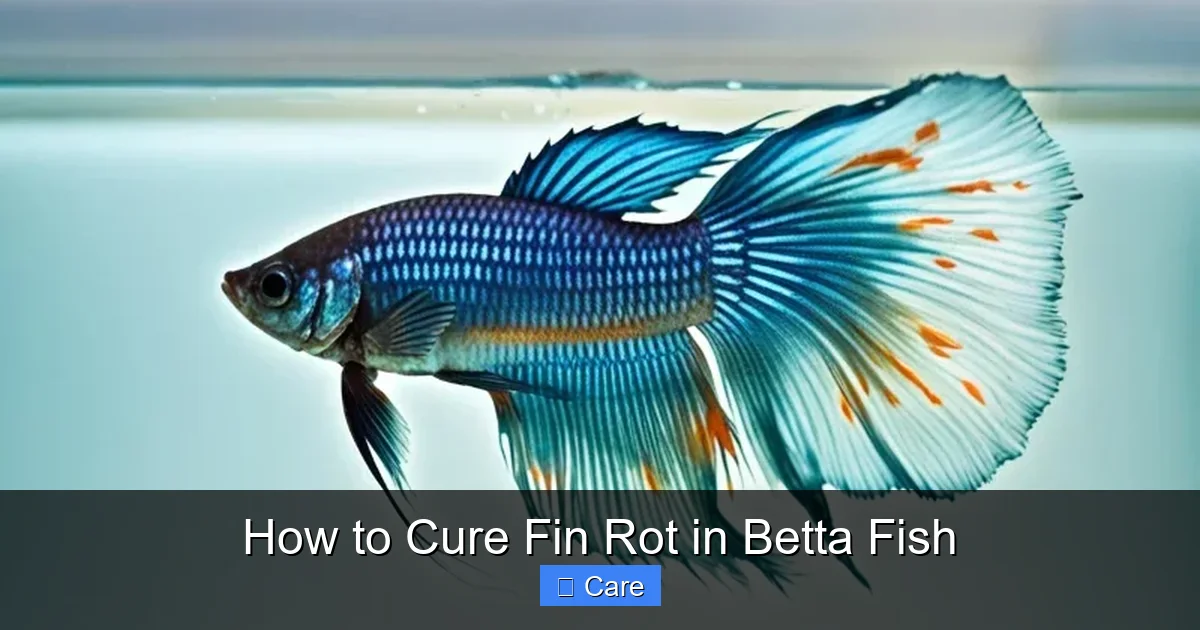
Fin rot is a common but treatable problem for betta fish. By spotting early signs, fixing water quality, and using the right medicines, you can restore your betta’s fins and confidence. Follow this friendly guide to heal your fish and prevent future outbreaks.
Key Takeaways
- Identify early signs: Look for frayed, discolored, or ragged fins as the first clue.
- Water quality is critical: Poor parameters are the main cause; regular testing and changes are essential.
- Isolation prevents spread: Move the affected betta to a quarantine tank to protect tank mates.
- Effective treatments: Antibacterial meds, salt baths, and natural remedies all work when used correctly.
- Boost immunity: Proper diet, stress reduction, and clean water keep fin rot from returning.
- Monitor progress: Daily checks and water tests ensure the infection is truly gone.
- Prevention is easier than cure: Consistent tank maintenance stops fin rot before it starts.
📑 Table of Contents
Introduction: Why Fin Rot Happens and Why You Should Care
Betta fish are known for their bright colors and flowing fins. When those fins start to look ragged, torn, or turn white, most owners panic. That’s fin rot—a bacterial infection that attacks the delicate membranes of the tail, dorsal, and other fins. The good news? It’s one of the most treatable diseases in the aquarium hobby, as long as you act quickly.
In this guide we’ll walk through everything you need to know about how to cure fin rot in betta fish. From spotting the first symptom to setting up a perfect quarantine tank, we’ll give you step‑by‑step instructions, practical tips, and a few home‑brew remedies you can try. Think of it as a conversation with a friend who’s already saved a betta from a similar problem.
1. Spotting Fin Rot Early
Typical early signs
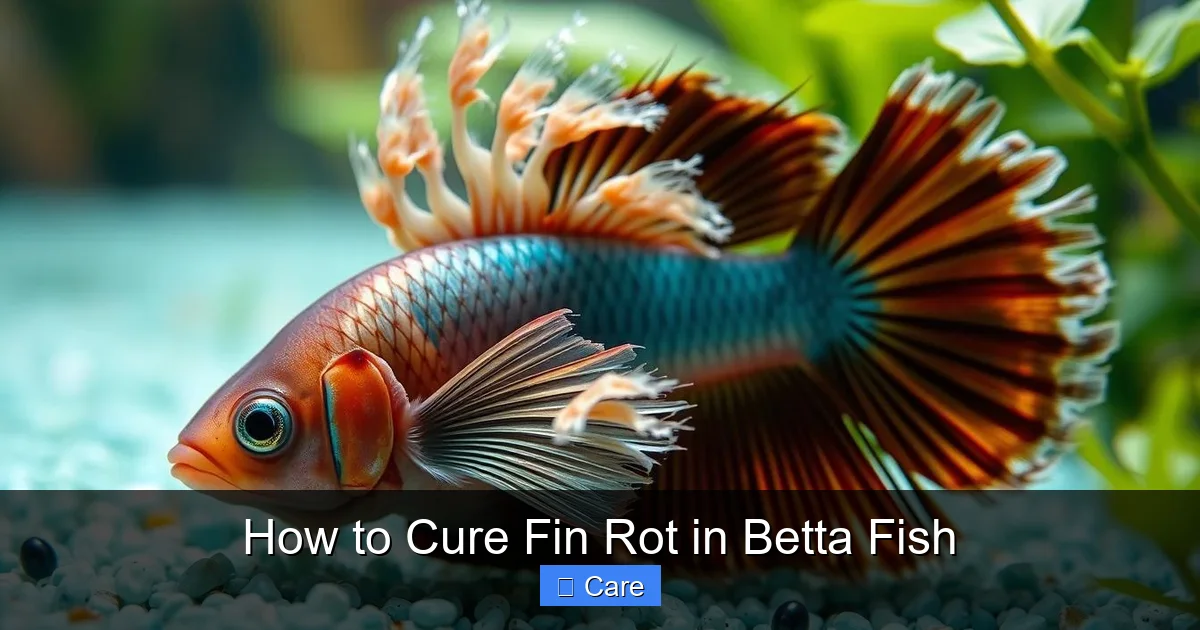
Fin rot doesn’t appear overnight. It usually begins with subtle changes that are easy to miss if you’re not looking closely. Keep an eye out for:
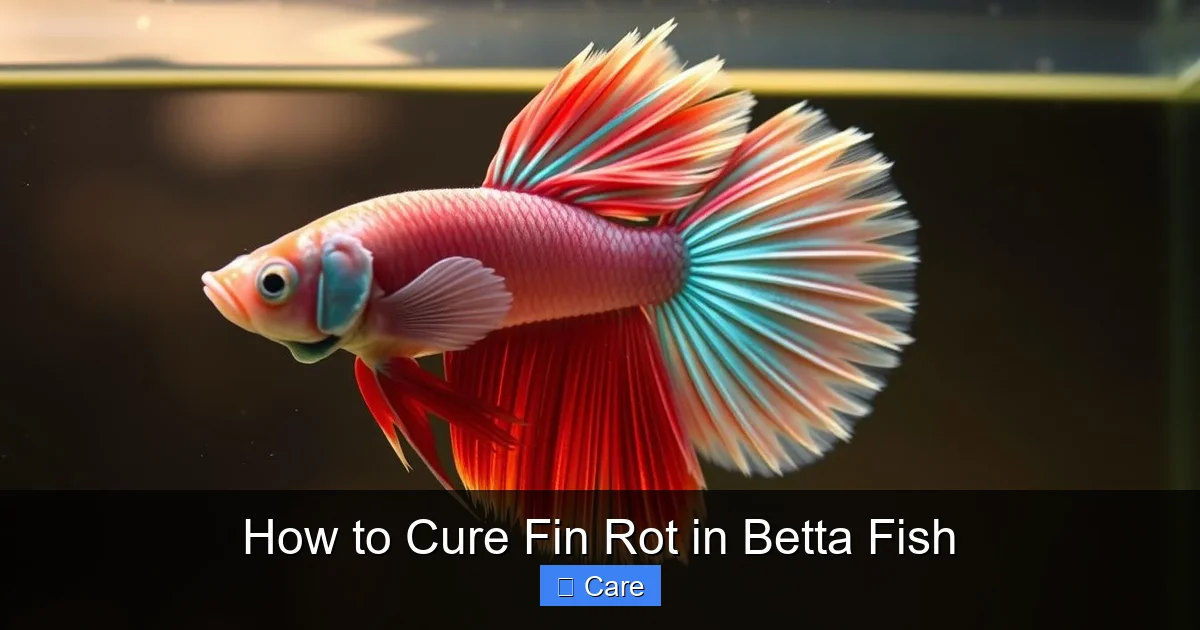
Visual guide about How to Cure Fin Rot in Betta Fish
Image source: koibettafish.com
- White or opaque edges on the fin.
- Frayed or shredded fin rays.
- Loss of fin tissue that looks “eaten away.”
- Redness or inflammation near the base of the fin.
- Scratching behavior—your betta may rub against decorations.
How to differentiate from other problems
Sometimes fungal infections or injuries look similar. Fungal growth tends to be fuzzy and white, while fin rot has a more solid, matte appearance. A simple dip in a fresh water test solution can help: fungal spots often dissolve, whereas fin rot will stay.
2. Understanding the Root Causes
Poor water quality
Most cases of fin rot are triggered by bad water. High ammonia, nitrite spikes, or a sudden rise in nitrate can stress a betta’s immune system, allowing bacteria to take hold. Regular testing (weekly is ideal) keeps you ahead of the curve.
Visual guide about How to Cure Fin Rot in Betta Fish
Image source: koibettafish.com
Stress factors
Stress weakens a betta’s defenses. Common stressors include:
- Overcrowding or aggressive tank mates.
- Improper temperature (betta prefer 76‑82°F/24‑28°C).
- Sharp décor that tears fins.
- Infrequent water changes.
Bacterial culprits
Fin rot is usually caused by opportunistic bacteria such as Flavobacterium or Pseudomonas. These bacteria are harmless in a clean, balanced tank but can become dangerous when conditions slip.
3. Setting Up a Quarantine Tank
Why quarantine matters
Moving the sick betta to a separate tank stops the infection from spreading to other fish and gives you a controlled environment for treatment.
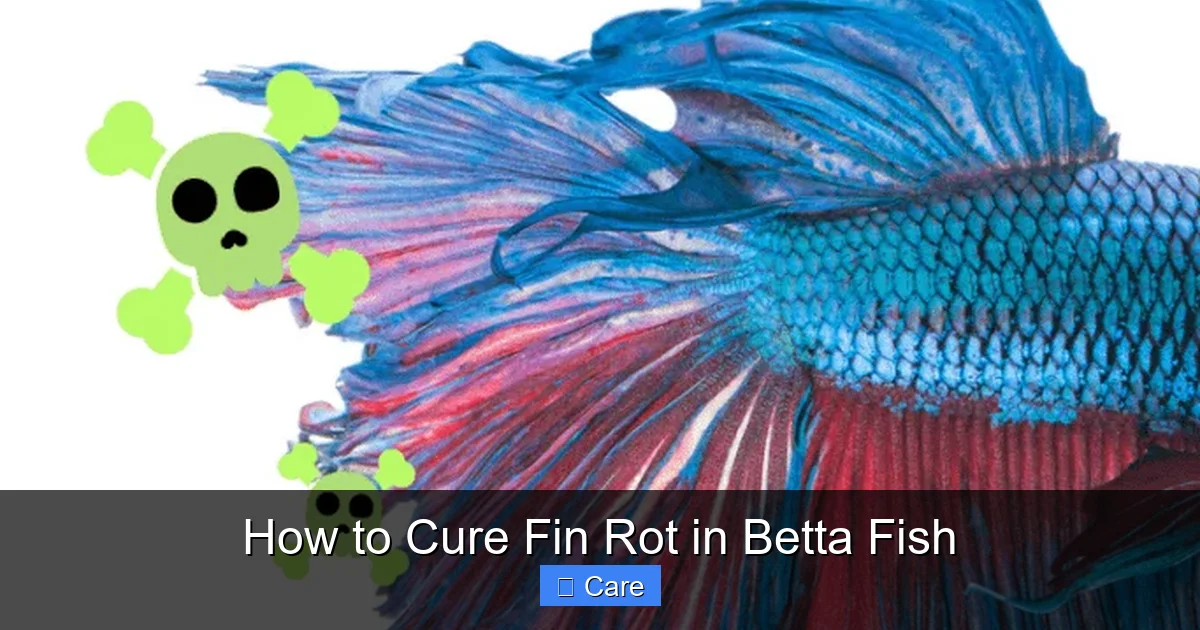
Visual guide about How to Cure Fin Rot in Betta Fish
Image source: japanesefightingfish.org
Step‑by‑step setup
- Size: A 2‑gal (8‑liter) tank is enough for a single betta.
- Filtration: Use a gentle sponge filter; strong currents stress bettas.
- Heater: Keep temperature steady at 78°F (25.5°C).
- Water: Fill with conditioned tap water that matches the main tank’s parameters.
- Decoration: Add a smooth leaf or a small piece of PVC pipe for the betta to rest on.
Water changes during treatment
Change 25‑30% of the water daily. Use a siphon to remove uneaten food and debris, then refill with fresh, dechlorinated water that’s at the same temperature.
4. Choosing the Right Treatment
Medicinal options
There are three popular categories of medication for fin rot:
- Antibiotic powders: Maracyn, Maracyn‑2, or Kanaplex are effective against gram‑negative bacteria.
- Salt therapy: Non‑iodized aquarium salt (1‑2 % of tank volume) helps reduce bacterial load and promotes osmoregulation.
- Natural remedies: Indian almond leaves, tea tree oil (very dilute), or a mild hydrogen peroxide dip.
How to dose antibiotics
Follow the manufacturer’s instructions, but a common rule is 1 tablet per 5 g of fish weight, dissolved in the quarantine water. Treat for at least 7‑10 days, even if the fins look better after 3‑4 days.
Salt bath method
Mix 1 gram of aquarium salt per liter of water (about 1 % solution). Let the betta swim for 15‑20 minutes, twice daily. Salt not only kills bacteria but also reduces swelling.
Home‑brew remedies
If you prefer a natural route, try a 30‑second dip in a 3 % hydrogen peroxide solution (3 ml H₂O₂ per 100 ml water). Do this once a day for three days, then return to normal water.
5. Nutrition and Immune Support
High‑protein diet
Give your betta quality pellets or frozen foods (bloodworms, brine shrimp) that are at least 40 % protein. Protein fuels tissue repair.
Supplements
- Vitamin C: A pinch of powdered vitamin C per 5 g of food boosts immunity.
- Aquarium immunostimulants: Products like Seachem Prime contain ingredients that help fish fight infections.
Feeding schedule
Feed small portions 2‑3 times a day. Overfeeding fouls the water, which can reignite the infection.
6. Long‑Term Prevention Strategies
Routine water testing
Invest in a good test kit. Keep ammonia and nitrite at 0 ppm, nitrate below 20 ppm, and pH stable between 6.5‑7.5.
Regular water changes
Change 25‑30 % of the tank water weekly. Use a gravel vacuum to remove waste trapped in the substrate.
Tank décor and cleaning
Choose smooth plants or silk foliage. Avoid sharp plastic that can tear fins. Clean decorations with a soft brush in old tank water—not soap.
Temperature stability
Fluctuations stress bettas. Use a reliable heater and a thermometer to keep the water within the 76‑82°F range.
Observe and act quickly
Spend a few minutes each day watching your betta. Early detection is the fastest way to cure fin rot.
Conclusion: A Healthy Betta Is Within Reach
Fin rot can feel scary, but it’s rarely fatal when you know how to cure fin rot in betta fish. The keys are swift detection, clean water, proper medication, and a nutritious diet. By setting up a simple quarantine tank and following the treatment steps outlined above, you’ll see those frayed fins start to regenerate in just a week or two.
Remember, prevention beats cure. Keep your water pristine, feed a balanced diet, and give your betta a stress‑free environment. With a little care, your betta will flaunt those gorgeous, flowing fins for years to come.
Frequently Asked Questions
What are the first signs that my betta has fin rot?
Look for white or opaque edges, frayed fin rays, and a ragged appearance. The betta may also rub against decorations.
Can I treat fin rot without a quarantine tank?
It’s possible, but a quarantine tank prevents the infection from spreading and lets you control water parameters more closely.
How long does it take for fins to fully regrow?
With proper treatment, new fin tissue usually appears within 7‑10 days, but full regeneration can take 2‑4 weeks.
Is aquarium salt safe for bettas?
Yes, a 1‑2 % non‑iodized salt solution is safe and helps reduce bacterial load. Rinse the betta briefly after treatment if you’re concerned about excess salt.
Do I need to change the entire tank water during treatment?
Changing 25‑30 % of the water daily in the quarantine tank is enough. In the main tank, keep up with regular weekly changes.
Can fin rot return after I stop medication?
It can if water quality isn’t improved or if the betta is stressed. Continue good maintenance and monitor the fins for a few weeks after stopping meds.