How to Set Up Betta Fish Tank
Setting up a betta fish tank is easier than you think. Follow our simple guide to pick the perfect tank, condition the water, add décor, and keep your betta thriving. All the tips you need are right here.
Key Takeaways
- Understanding how to set up betta fish tank: Provides essential knowledge
📑 Table of Contents
Introduction: Why a Proper Setup Matters
When you first see a betta swimming in a tiny bowl, it’s easy to think “any water will do.” The truth is, bettas are tropical fish that need stable conditions to show their brilliant colors and lively personality. A well‑planned tank not only keeps your fish healthy, it also makes caring for it a joy instead of a chore.
In this guide we’ll walk through every step, from picking the right container to the first water change. Think of it as a friendly chat over coffee—simple language, clear instructions, and a few insider tips you won’t find on a generic product page.
1. Choose the Right Tank Size and Shape
Why 5 gallons is the sweet spot
Betta fish can survive in small spaces, but a 5‑gallon tank gives them room to explore, reduces the frequency of water changes, and makes temperature control easier. Smaller bowls trap heat and waste, leading to stress and disease.
Visual guide about How to Set Up Betta Fish Tank
Image source: i.ytimg.com
Tank shape and material
- Aquarium glass: Clear, scratch‑resistant, and easy to clean.
- Acrylic: Lighter and more impact‑proof, but can scratch more easily.
- Rectangular vs. square: Rectangular tanks provide longer swimming lanes, which many bettas prefer.
What to avoid
Never use a bowl, a jar, or a tank smaller than 2.5 gallons. These limit oxygen exchange and make temperature spikes dangerous.
2. Gather Essential Equipment
Filtration: gentle but effective
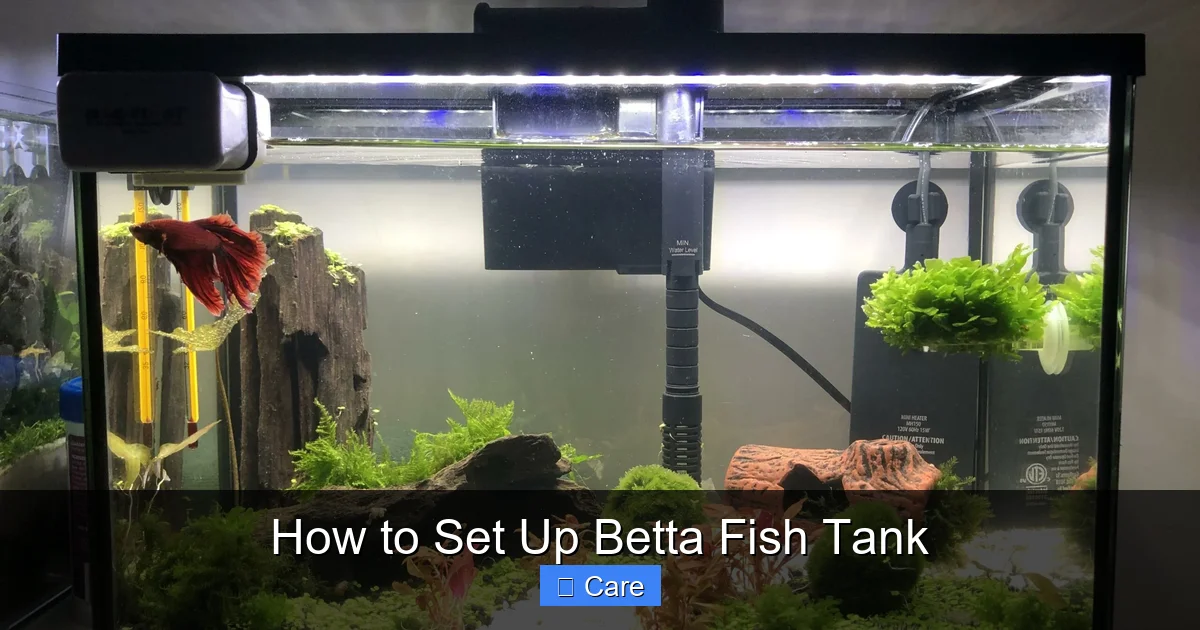
A low‑flow sponge filter or a hang‑on‑back (HOB) filter with a fine mesh works well. The key is to avoid strong currents—betas are “flame‑tail” swimmers, not fast‑track racers.
Visual guide about How to Set Up Betta Fish Tank
Image source: images.saymedia-content.com
Heater: maintaining a tropical climate
Choose a thermostat‑controlled heater rated for your tank size (e.g., 50 W for 5 gallons). Place it near a water flow source for even heat distribution.
Lighting: natural look, low stress
A 10‑hour light cycle mimics day/night. LED fixtures designed for planted tanks provide enough light for live plants without overheating.
Substrate and décor
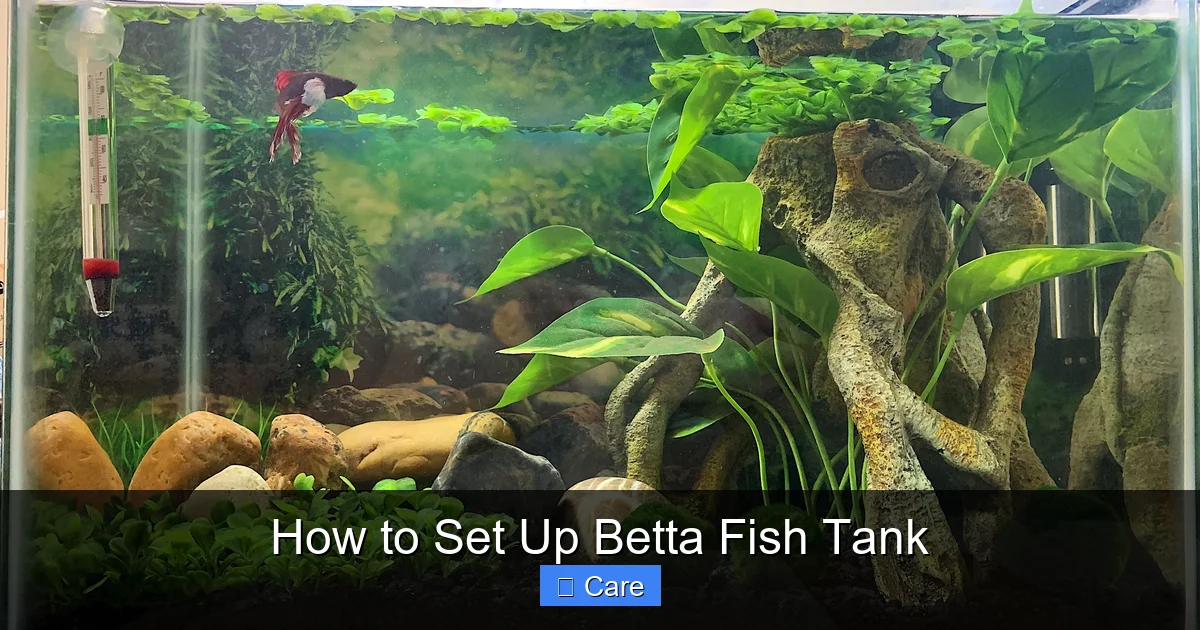
Use smooth sand or fine gravel (no sharp edges). Add live plants like Java fern or Anubias, plus silk or smooth plastic ornaments. Avoid anything with rough paint that could tear delicate fins.
3. Prepare and Condition the Water
Dechlorinate tap water
Most municipal water contains chlorine or chloramine, which are toxic to fish. Add a water conditioner according to the label—usually a few drops per 5 gallons.
Visual guide about How to Set Up Betta Fish Tank
Image source: i.pinimg.com
Check water parameters
- pH: 6.5‑7.5 (betta‑friendly range)
- Ammonia: 0 ppm
- Nitrite: 0 ppm
- Nitrate: < 20 ppm
Use a reliable test kit and adjust as needed. If pH is too high, a small amount of driftwood can gently lower it.
Cycle the tank
Even though bettas can tolerate a “new tank” for a short time, cycling creates beneficial bacteria that convert toxic ammonia → nitrite → nitrate. The simplest method is the “fishless cycle”: add a source of ammonia (pure ammonia or fish food), run the filter, and test daily until ammonia and nitrite read 0 ppm and nitrate rises.
4. Add Décor and Create a Comfortable Habitat
Plants: live vs. artificial
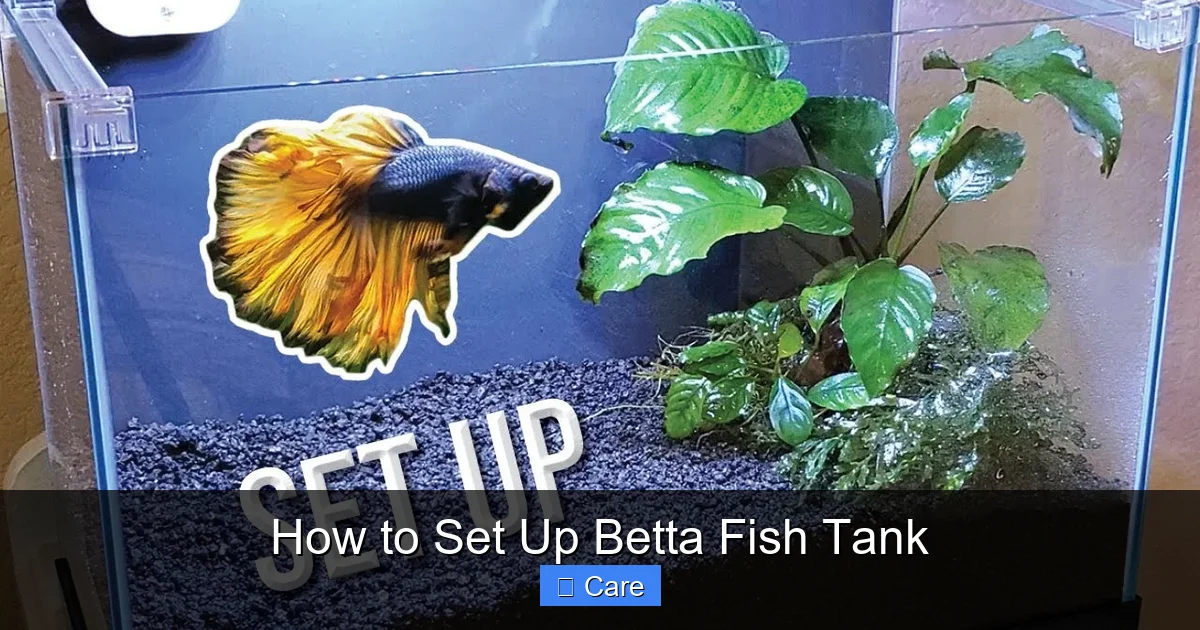
Live plants improve water quality, provide hiding spots, and look natural. If you’re new to plant care, start with hardy species like Java moss or Hornwort. Artificial silk plants are fine, just ensure they are smooth.
Hiding places and territories
Betas love to explore caves and leaf piles. A small ceramic pot, a piece of driftwood, or a coconut shell can become a favorite spot.
Arrange for easy cleaning
Leave enough open space for a net and a siphon. Avoid stacking too many ornaments that trap debris.
5. Introduce Your Betta Safely
Acclimation step‑by‑step
- Float the sealed bag (or container) in the tank for 15 minutes to match temperature.
- Open the bag and add a cup of tank water every 5 minutes for 30 minutes.
- Gently net the betta and release it into the tank.
First 24‑hour observations
Watch for normal swimming, flaring, and appetite. If the fish is gasping, hiding excessively, or showing torn fins, check temperature and water quality immediately.
6. Ongoing Care and Maintenance
Weekly water changes
Replace 25‑30 % of the water each week with conditioned water at the same temperature. Use a gravel vacuum to remove debris.
Feeding routine
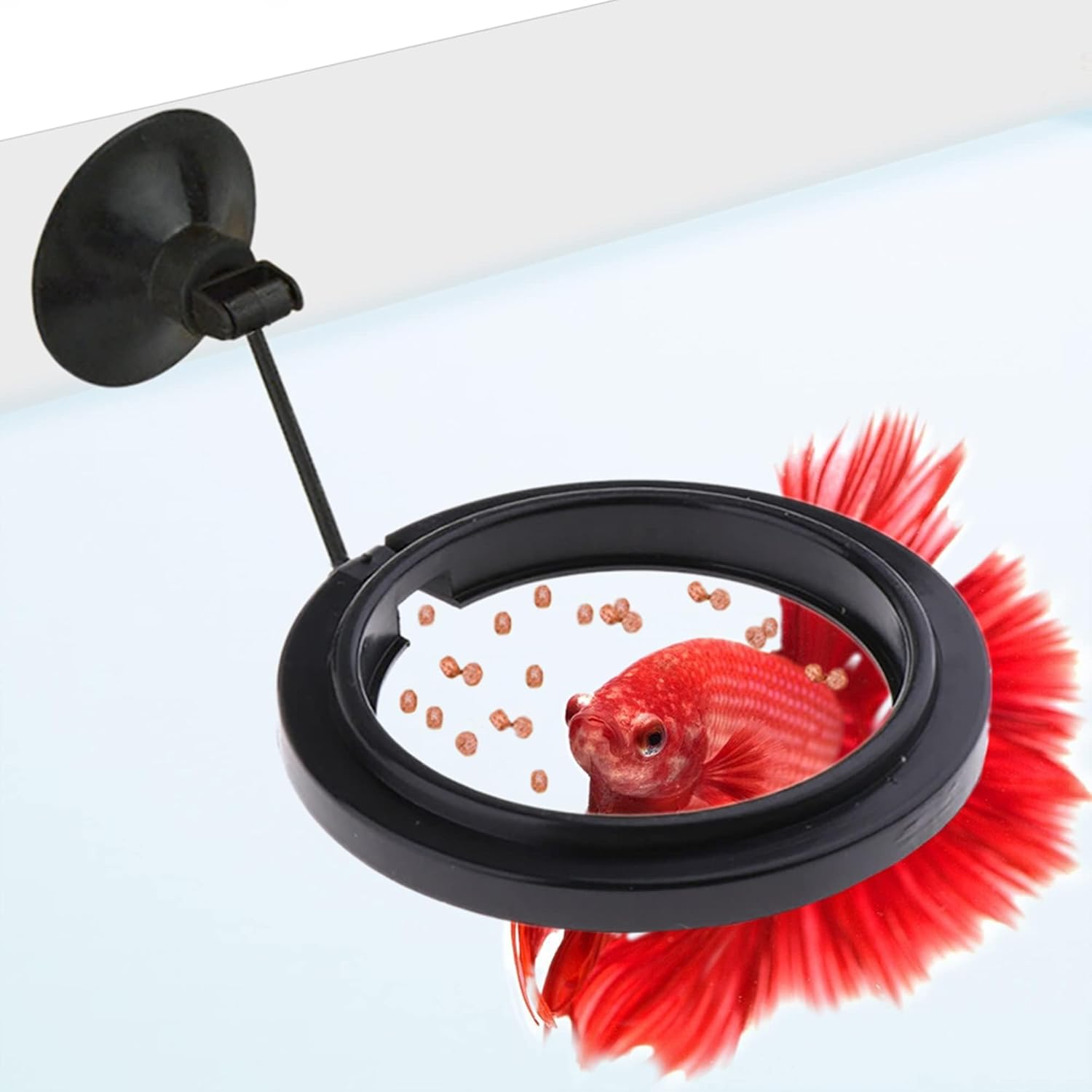
Offer high‑quality betta pellets or frozen bloodworms once or twice a day. Only feed what they can consume in 2‑3 minutes to avoid excess waste.
Monitoring health
Regularly test water, watch fin condition, and note any changes in behavior. Early detection of fin rot, ich, or velvet can save your fish.
Seasonal considerations
In colder months, double‑check heater performance. In summer, ensure the room temperature doesn’t exceed 85 °F, which can overheat the tank.
Conclusion: Your Betta’s New Happy Home
Setting up a betta fish tank is a rewarding project that blends science with creativity. By choosing the right size, cycling the water, providing gentle filtration, and adding live plants, you create a stable environment where your betta can display its full personality. Stick to a simple maintenance schedule, keep an eye on water parameters, and enjoy the vibrant colors and graceful dances of your new companion. Happy fish‑keeping!
Frequently Asked Questions
What is the minimum tank size for a betta?
The recommended minimum is 5 gallons. Smaller containers can cause stress, poor water quality, and health problems.
Do bettas need a filter?
While not absolutely required, a gentle filter makes maintenance easier and keeps the water clearer, reducing the risk of ammonia spikes.
How often should I change the water?
Replace 25‑30 % of the water each week. In a newly cycled tank, you may need to change 50 % more frequently until the nitrogen cycle stabilizes.
Can I keep other fish with a betta?
Yes, but only peaceful, non‑fin‑nipping species such as neon tetras or small rasboras, and only if the tank is large enough (at least 10 gallons) to provide separate territories.
What temperature should the tank be?
Maintain a stable range of 76‑82 °F (24‑28 °C). Use an aquarium heater with a thermostat and a reliable thermometer to monitor the temperature.
How do I know if my betta is stressed?
Signs include faded colors, constant hiding, clamped fins, rapid gill movement, or loss of appetite. Check water parameters and tank conditions immediately if you notice these symptoms.