How to Do a Water Change for a Betta Fish
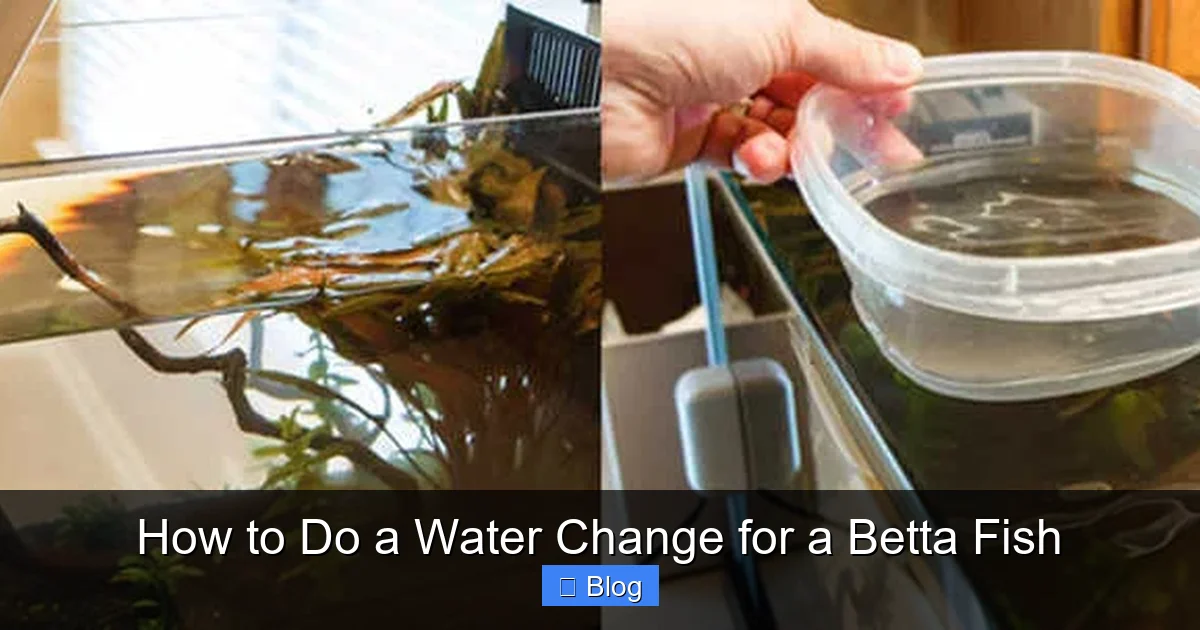
how to do a water change for a betta fish is an essential topic that provides valuable insights and practical knowledge for anyone interested in learning more about this subject.
Key Takeaways
- Understanding how to do a water change for a betta fish: Provides essential knowledge for making informed decisions
- Practical applications: Can be applied in various real-world scenarios
- Key benefits: Offers significant advantages when properly implemented
- Important considerations: Requires attention to specific details and best practices
- Future implications: Continues to evolve and impact related fields
📑 Table of Contents
- Why Your Betta’s Life Depends on a Simple Water Change
- The “Why” Behind the Water Change: Understanding Your Betta’s Environment
- Gathering Your Armory: Essential Supplies for a Successful Water Change
- The Step-by-Step Masterclass: Performing Your Betta Water Change Like a Pro
- Common Water Change Mistakes (And How to Avoid Them)
- Water Parameters 101: The Simple Testing Guide
- Building a Routine: Your Betta’s Water Change Schedule
- Conclusion: Your Commitment to a Thriving Betta
Why Your Betta’s Life Depends on a Simple Water Change
Let’s be honest, we’ve all been there. You bring home that stunning betta fish with its flowing fins and vibrant colors, and it sits proudly in a small bowl or a beautifully decorated tank. You feed it, you watch it, you maybe even talk to it. But then, weeks go by, and the water starts to look a little… cloudy. A faint smell might appear. You think, “It’s just a little dirty, he’ll be fine.” Here’s the hard truth, friend: that “little dirty” water is a toxic soup slowly poisoning your betta. A proper water change for a betta fish isn’t just a chore; it’s the single most important thing you can do for its health and happiness, second only to feeding it. Think of it as giving your fish a fresh, clean breath of air every single week. Neglecting it is the fastest route to a stressed, sick, and sadly, short-lived companion. This guide will walk you through exactly how to do it right, every time.
The “Why” Behind the Water Change: Understanding Your Betta’s Environment
Before we dive into the “how,” we need to understand the “why.” A betta’s tank isn’t just water; it’s a delicate, living ecosystem. When your fish eats, excretes, and even breathes, it introduces waste products into the water. The most notorious of these is ammonia, which is like bleach to a fish’s gills and skin. Beneficial bacteria in your filter and substrate work hard to convert ammonia to nitrite (still toxic) and then to nitrate (less toxic but still a problem in high amounts). Over time, these toxins build up, along with uneaten food and decaying plant matter, leading to poor water quality. A water change for a betta fish dilutes these harmful substances, resets the water chemistry, and removes other invisible nasties like dissolved organic carbons that can fuel algae growth. It’s the reset button for your aquarium’s entire system.
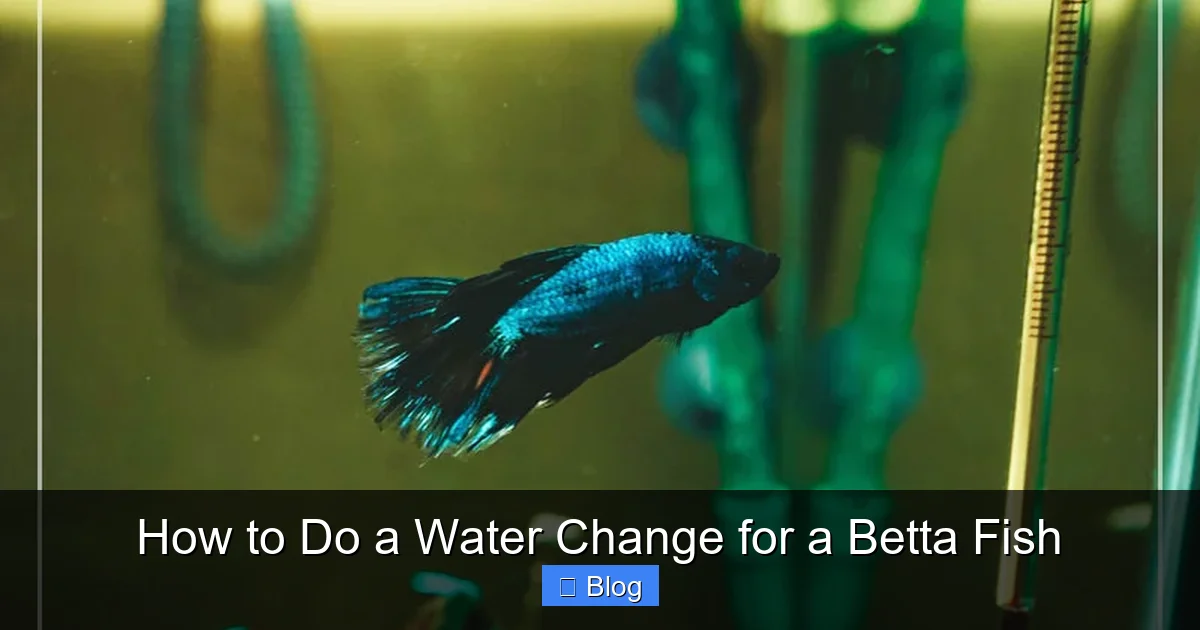
Visual guide about How to Do a Water Change for a Betta Fish
Image source: smartaquariumguide.com
What’s Actually in Your Water? A Quick Toxin Breakdown
- Ammonia (NH3/NH4+): The immediate waste product from fish gills and urine. Extremely toxic, causing burns and respiratory distress.
- Nitrite (NO2-): Produced by bacteria breaking down ammonia. Still highly toxic, it binds to a fish’s blood, preventing oxygen transport (methemoglobinemia, or “brown blood disease”).
- Nitrate (NO3-): The end product of the nitrogen cycle. Less toxic but dangerous at high levels (above 20-40 ppm for bettas), leading to stress, suppressed immune system, and algae blooms.
- pH & Hardness: While not “toxins,” sudden swings in pH or mineral content from a partial water change can shock your fish if not done correctly.
Gathering Your Armory: Essential Supplies for a Successful Water Change
You wouldn’t go into battle without your gear, and a water change for a betta fish is no different. Having everything ready before you start makes the process smooth, fast, and less stressful for everyone—you and your fish. Scrambling for a bucket mid-change is a recipe for disaster (and spilled water!). Here’s your essential checklist.
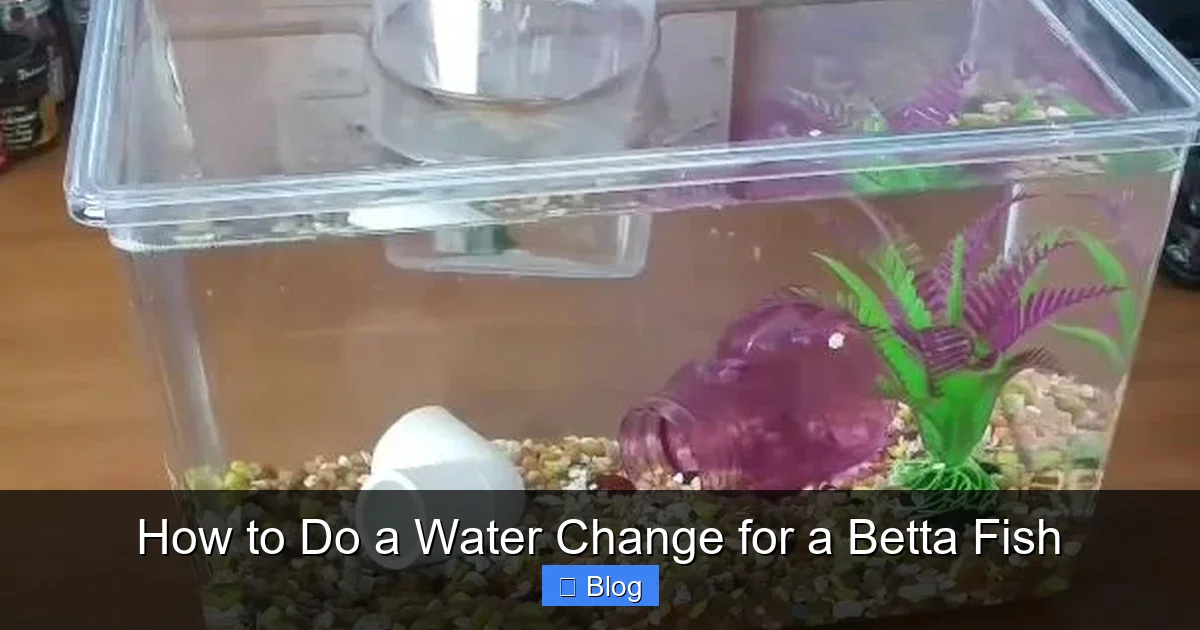
Visual guide about How to Do a Water Change for a Betta Fish
Image source: animalslog.com
The Non-Negotiables: Your Core Kit
- Two Clean, Dedicated Buckets: This is critical. NEVER use buckets that have held soap, chemicals, or cleaning supplies. Even a tiny residue can be lethal. Designate one bucket for “dirty” (tank) water and one for “clean” (fresh) water. Five-gallon buckets are ideal for most tanks.
- Aquarium Gravel Vacuum/Siphon: This is your best friend. It’s a plastic tube with a wide end that you stir into the gravel. It does two jobs at once: siphons out dirty water and sucks up debris trapped in the substrate. Get one sized appropriately for your tank.
- Water Conditioner/Dechlorinator: Tap water contains chlorine and chloramine, which are deadly to fish. You MUST treat all new water before it touches your betta. Choose a reputable brand.
- Thermometer: You need to match the temperature of the new water to the tank water. A simple stick-on or digital thermometer is essential.
The “Nice-to-Haves” That Make Life Easier
- A Small Net: For gently corralling a curious betta if needed.
- A Clean Sponge or Algae Pad: To wipe down the inside glass during the water change (use only aquarium-safe materials, no soap!).
- A Bucket Gravity Siphon Starter (optional): If you find the mouth-siphon method tricky, these little bulbs make starting the flow much easier.
- Old Towels: For inevitable drips and splashes.
The Step-by-Step Masterclass: Performing Your Betta Water Change Like a Pro
Alright, gear is ready, mind is prepared. Let’s do this. A water change for a betta fish should be a calm, methodical process. Rushing causes mistakes. The goal is to remove a portion of old water, clean the gravel, and replace it with pristine, temperature-matched, treated water. For a typical 5-gallon betta tank, a 25-30% weekly change is the gold standard. Let’s break it down.

Visual guide about How to Do a Water Change for a Betta Fish
Image source: animalslog.com
Step 1: Preparation is Everything (The 10-Minute Rule)
Do NOT remove your betta from the tank unless absolutely necessary (like during a deep clean). The stress of netting and being in a small cup is significant. Instead, we’ll work around him. Start by adding your dedicated “clean” bucket of tap water to the sink or bath. Now, add the correct dose of water conditioner to this new water as per the bottle instructions. This starts the dechlorination process. Let this bucket sit while you work on the tank. If your tap water is very cold, you may need to add a little warm (not hot!) water from the tap to get it closer to tank temperature. Check the temperature with your thermometer.
Step 2: The Gentle Siphon – Cleaning as You Go
Now, take your gravel vacuum and the “dirty” bucket. Submerge the vacuum tube fully into the tank, squeezing the bulb (if it has one) or placing your mouth on the end to start the siphon. Once water is flowing, direct the wide end into the gravel. Gently push it down about an inch into the substrate and move it in small circles. You’ll see a cloud of debris get sucked up—that’s the poop and old food you’re removing. Work methodically around the entire tank floor, section by section. Try not to disturb decorations too much. The goal is to clean the gravel, not to make the water a total mud storm. Stop siphoning once your “dirty” bucket is about one-quarter to one-third full (for a 5-gallon tank, that’s roughly 1.25-1.5 gallons).
Step 3: The Art of the Refill
With the dirty water removed, it’s time for the fresh stuff. But first, check your new water temperature in the “clean” bucket. It must be within 1-2 degrees Fahrenheit (or 0.5-1 degree Celsius) of your tank water. Bettas are tropical fish and hate temperature shock. Adjust with warm or cold tap water if needed. Now, here’s the gentle part: you have two options. Option A (Easiest): Place a clean plate or bowl on the gravel surface and slowly pour the new, treated water onto it. This diffuses the flow and prevents the current from upsetting your betta or blowing your gravel around. Option B (Slightly Faster): Use a small cup or pitcher to gently pour a slow stream of water against the tank glass, again minimizing disturbance. Continue until the water level is back to its normal height, accounting for evaporation.
Step 4: The Final Checks and Cleanup
Once filled, do a quick visual check. Is everything secure? Wipe any drips from the outside. Give the inside glass a quick scrape with your algae pad if needed (but avoid disturbing the silicone seals). Now, take a moment to observe your betta. He might be a bit startled by the activity, but he should resume normal swimming within minutes. If he’s gasping at the surface or acting extremely lethargic, double-check your water temperature and conditioner dosage. Finally, dump your “dirty” water bucket outside (it’s great for plants!) and rinse your gravel vacuum in clean tap water (no soap!). Let your equipment air dry before storing.
Common Water Change Mistakes (And How to Avoid Them)
Even with the best intentions, it’s easy to slip up. These common errors can turn a beneficial water change for a betta fish into a hazardous event. Let’s troubleshoot them before they happen.
Mistake 1: The Full Tank Flush (The Biggest No-No)
You might think, “If a little change is good, a total change must be better!” Absolutely not. Draining 100% of the water destroys the entire population of beneficial bacteria living in your filter media and substrate. This “cycle crash” means your tank has no biological filter, and ammonia will spike dangerously within 24-48 hours. Your betta will be swimming in its own toxic waste. Always, always perform partial water changes (25-50% max).
Mistake 2: Temperature Shock – The Silent Killer
Pouring ice-cold or lukewarm tap water into a warm betta tank is a classic mistake. The sudden change stresses the fish’s immune system severely, making it susceptible to diseases like ich or velvet. Always, always match the temperature. Use your thermometer—don’t guess. A $5 thermometer is cheaper than a $50 vet bill.
Mistake 3: Forgetting the Conditioner (Or Using Too Little)
Chlorine and chloramine in tap water will kill your betta’s gill tissue within hours. Never add new water without treating it first. Also, follow the dosage instructions on your conditioner bottle. Under-dosing is just as bad as not using it at all, especially if you have chloramine (which takes more conditioner to neutralize). If in doubt, use a little extra—most conditioners are safe in slight overdoses.
Water Parameters 101: The Simple Testing Guide
How do you know if your water change for a betta fish is working? By testing the water! While you don’t need to test every day, a weekly check before your water change gives you a clear picture of your tank’s health and helps you adjust your maintenance if needed. Here’s a simple table of ideal parameters for a betta.
| Parameter | Ideal Range for Betta | Why It Matters |
|---|---|---|
| Ammonia (NH3/NH4+) | 0 ppm | Any detectable ammonia is toxic and indicates a problem with the bio-filter or overstocking/overfeeding. |
| Nitrite (NO2-) | 0 ppm | Highly toxic; causes “brown blood disease.” Any reading means your cycle is incomplete or crashed. |
| Nitrate (NO3-) | 0-20 ppm | The goal. While low levels are tolerable, keeping it near zero through regular water changes is best for long-term health. |
| pH | 6.5 – 7.5 | Stability is more important than a perfect number. Avoid sudden swings. Bettas are adaptable to slightly acidic to neutral water. |
| Temperature | 78-80°F (25.5-26.5°C) | Consistent warmth is crucial for metabolism and immune function. Use a reliable heater. |
Testing Tip: Liquid test kits (like the API Freshwater Master Test Kit) are far more accurate than test strips. Test your tank water before the change to see what you’re dealing with, and test your new water after adding conditioner to ensure it’s safe.
Building a Routine: Your Betta’s Water Change Schedule
Consistency is the secret sauce of successful betta keeping. A sporadic water change every few weeks when the tank looks bad is a death sentence. You need a schedule. The exact frequency depends on your tank size and setup, but here’s a solid starting point.
The Gold Standard: Weekly Maintenance
For a filtered tank of 5 gallons or more: Perform a 25-30% water change for a betta fish every single week. This is non-negotiable. It prevents nitrate buildup and keeps the ecosystem stable. Combine this with a quick gravel vacuum and glass wipe.
For Smaller or Unfiltered Setups (like a 2.5-gallon bowl):
These require much more vigilance. You should perform a 50% water change twice a week. The smaller the water volume, the faster toxins accumulate. A small, unfiltered bowl is the hardest environment to maintain and is strongly discouraged for a betta’s long-term welfare.
How to Adjust Your Schedule
Use your weekly water test results as your guide. If your nitrates are consistently reading 20-40 ppm before your weekly change, you might need to increase the change volume to 40% or do an extra mid-week change. If they are always at 0, you might be able to maintain with a solid 20% change. Always err on the side of cleaner water.
Conclusion: Your Commitment to a Thriving Betta
Learning how to do a water change for a betta fish correctly is more than just a maintenance task; it’s a direct expression of the care you have for your aquatic friend. It’s the difference between a fish that merely survives and one that truly thrives—displaying brilliant colors, active exploration, and beautiful, flowing fins. By understanding the why, gathering the right tools, following the careful steps, avoiding common pitfalls, and sticking to a consistent schedule, you take control of your betta’s environment. You become the guardian of its health. The time you spend each week with a siphon in hand is an investment. It’s an investment in cleaner water, a stronger immune system, and a longer, happier life for that little personality swimming in your living room. So, set that calendar reminder, grab your bucket, and give your betta the gift of a fresh start, every single week. He might not thank you with words, but his vibrant energy and curious spirit will be all the thanks you need.
Frequently Asked Questions
What is how to do a water change for a betta fish?
how to do a water change for a betta fish is an important topic with many practical applications and benefits.
How can how to do a water change for a betta fish help me?
Understanding how to do a water change for a betta fish can improve your knowledge and provide practical solutions.