How to Clean a 2.5 Gallon Betta Fish Tank
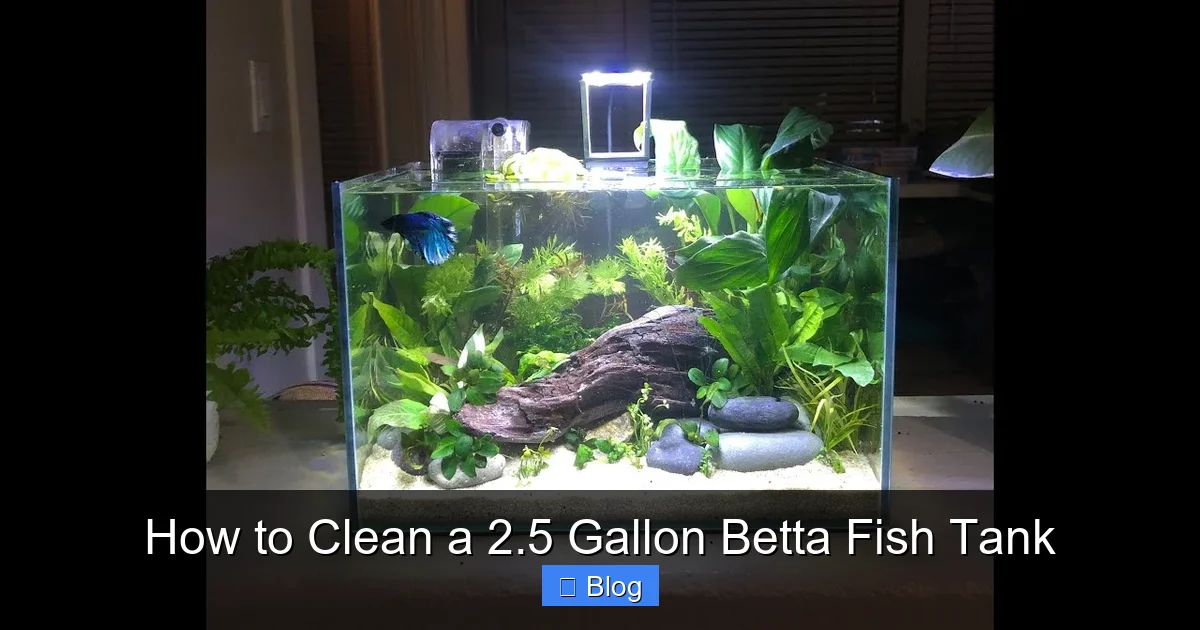
Cleaning a 2.5-gallon betta tank requires a gentle, precise approach to protect your fish and maintain water quality. Unlike larger aquariums, these small setups need partial water changes every 2-3 days and a full clean once a week. The key is using dechlorinated water at the same temperature, avoiding soap on any decorations, and never replacing all the filter media at once. Following a consistent routine with the right tools ensures your betta thrives in a clean, stable environment.
Key Takeaways
- Frequency is critical: A 2.5-gallon betta tank needs a 25-30% water change every 2-3 days and a full clean weekly due to the rapid buildup of toxins in a small volume of water.
- Condition all water: Never add untreated tap water. Always use a reliable water conditioner to neutralize chlorine, chloramines, and heavy metals before it touches your betta.
- Temperature matching is non-negotiable: New water added during cleaning must be within 1-2°F (0.5-1°C) of the tank’s temperature to prevent dangerous thermal shock.
- Preserve beneficial bacteria: Never wash filter media or substrate with tap water. Rinse them only in old tank water to protect the essential bacteria cycle.
- Avoid all soaps and chemicals: Even a trace of detergent is fatal to bettas. Use only water, a dedicated algae pad, and a gravel vacuum for cleaning.
- Test your water: Use a liquid test kit to regularly check ammonia, nitrite, and nitrate levels, especially after cleaning, to ensure the cycle remains stable.
📑 Table of Contents
- Why Cleaning a 2.5-Gallon Betta Tank is Different (and Crucial)
- Gathering Your Essential Tools: The Betta-Safe Cleaning Kit
- Step-by-Step: Your Weekly Full Cleaning Routine
- Maintenance Between Cleans: The Daily & Every-Other-Day Tasks
- Troubleshooting: What to Do When Things Go Wrong
- The Philosophy of Betta Tank Care: Less is More
- Conclusion
Why Cleaning a 2.5-Gallon Betta Tank is Different (and Crucial)
Welcome to the delicate, beautiful world of betta fish keeping! You’ve likely chosen a 2.5-gallon tank for your Siamese fighting fish, and that’s a wonderful step up from a tiny bowl. However, this small volume of water presents unique challenges. In a larger aquarium, toxins like ammonia are diluted, giving you a larger margin for error. In a 2.5-gallon tank, waste from your betta and uneaten food can quickly spike to lethal levels. This makes a proper, gentle cleaning routine not just a chore, but a fundamental pillar of your betta’s health and longevity.
Think of your betta’s tank as a miniature, self-contained ecosystem. It’s home to beneficial bacteria that process toxic fish waste. When you clean, your goal is to remove the physical waste and excess nutrients while preserving this fragile bacterial colony. Over-cleaning or using the wrong methods can crash the cycle, leading to “new tank syndrome” even in an established tank. This guide will walk you through every step, ensuring you know exactly how to clean a 2.5 gallon betta fish tank safely and effectively, keeping the water pristine and your vibrant friend thriving.
Gathering Your Essential Tools: The Betta-Safe Cleaning Kit
Before you even touch the tank, having the right tools assembled is half the battle. Using improper items can introduce toxins or harm your fish. You need a dedicated set of supplies that are only used for your aquarium. Let’s build your kit.
Visual guide about How to Clean a 2.5 Gallon Betta Fish Tank
Image source: m.media-amazon.com
The Absolute Must-Haves
- Gravel Vacuum/Siphon: This is your most important tool. A simple, manual gravel vacuum (like the Python or Fluval models) allows you to remove debris from the substrate without disturbing the beneficial bacteria living deeper in the gravel. Get a size appropriate for a small tank—a 5-foot hose is plenty.
- Water Conditioner: A high-quality dechlorinator is non-optional. Seachem Prime is a top choice for its ability to detoxify ammonia for 24-48 hours, which is a huge help in a small tank. Have this ready and measured before you start.
- Algae Scraper/Pad: Use a non-scratch algae pad for glass or acrylic. Never use a household scrubby or sponge, as these contain soap residues. For tight corners, a toothbrush dedicated solely to the tank works well.
- Two Clean Buckets: Designate one bucket as “dirty” (for old tank water) and one as “clean” (for conditioned new water). Use plastic buckets that have never held chemicals or cleaning agents.
- Thermometer: An independent aquarium thermometer (stick-on or digital) is crucial to verify the temperature of your new water matches the tank.
- Soft, Lint-Free Cloths: For wiping the outside of the glass. Keep these separate from your kitchen towels.
Helpful Extras (Not Required, But Useful)
- Turkey Baster: Perfect for gently sucking out uneaten food or debris from plant leaves or tight spots without a full vacuum.
- Long-Tipped Tongs: For rearranging plants or decor during the clean without sticking your arm in the water.
- Water Test Kit: While not for every clean, a liquid test kit (like API Master Test Kit) is invaluable for monitoring your water parameters monthly or if you suspect a cycle issue.
Step-by-Step: Your Weekly Full Cleaning Routine
Now, let’s get our hands wet. This is the comprehensive weekly clean. For a 2.5-gallon tank, this should take about 20-30 minutes. The mantra is: slow and steady. Rushing stresses your betta.
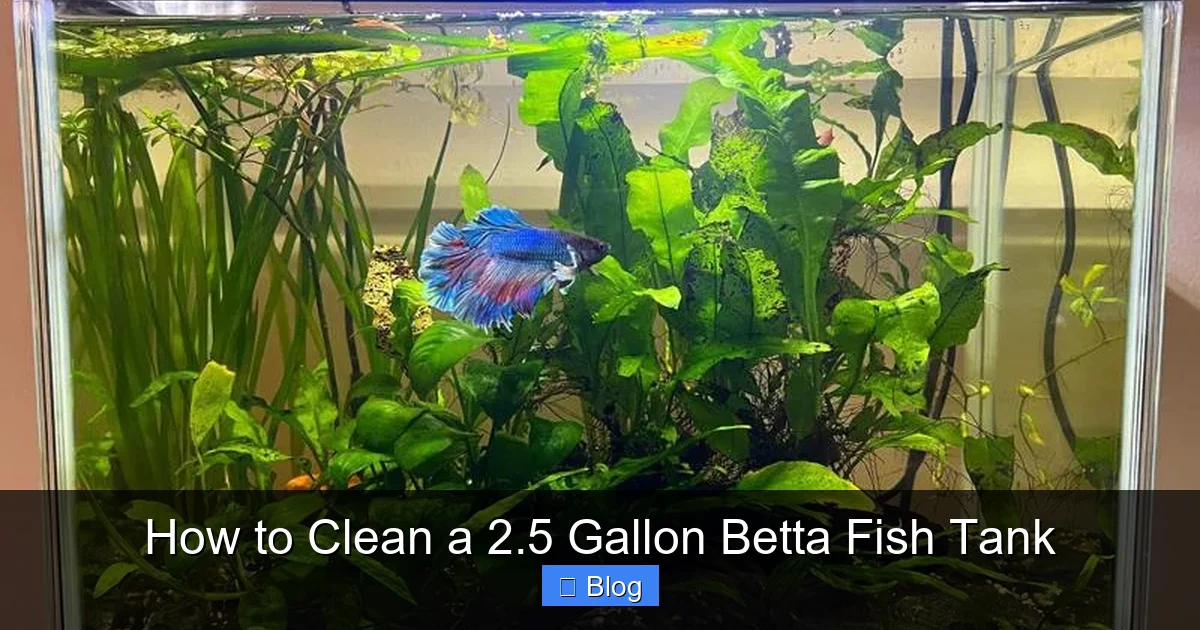
Visual guide about How to Clean a 2.5 Gallon Betta Fish Tank
Image source: acaquarium.com
Step 1: Preparation – The Golden Rule of Temperature
First, fill your designated “clean” bucket with fresh tap water. Add the correct dose of water conditioner as per the product label. Stir well. Now, let this water sit for at least 30 minutes to come to room temperature. This is the most critical step for preventing thermal shock. While it sits, check your tank’s current temperature with your thermometer. Your goal is to have the new water within 1-2°F (0.5-1°C) of that reading. In a small tank, even a 3-degree difference can be deadly. You may need to add a little warm (not hot!) tap water to the clean bucket to match.
Step 2: The Gentle Water Change – Removing the Old
Do not remove your betta! This process is designed to be done with him in the tank. Insert the gravel vacuum into the substrate. Start the siphon by sucking on the tube (or using a primer bulb). Gently move the vacuum through the gravel in a pattern, lifting it slightly to suck out the debris and dirty water that has settled there. Focus on areas where you see waste, but avoid digging too deep, as the deepest gravel houses beneficial bacteria. Continue until you have removed 25-30% of the tank’s total water volume. For a 2.5-gallon tank, this is roughly 2/3 of a gallon to just under 1 gallon. Pour this old water down the drain—it’s full of nitrates and waste.
Step 3: Decor and Glass – Cleaning Without Chemicals
Now, use your algae pad to gently scrape the inside glass, working from the bottom up to avoid dislodging debris onto clean areas. For stubborn algae on decorations (like silk plants or resin caves), use your dedicated toothbrush. Scrub them gently in the bucket of old tank water you just removed (or in the tank itself). Never, ever use soap, detergent, or any household cleaner. Even a microscopic residue is fatal. If you have live plants, you can gently rinse their leaves in the old water bucket to remove any algae or detritus.
Step 4: The Filter – A Delicate Touch
Your filter is the heart of your biological filtration. In a hang-on-back (HOB) or internal filter, the media (sponges, ceramic rings, bio-balls) is where the good bacteria live. Unplug the filter. Remove the media and squeeze and rinse it gently in the bucket of old tank water. You want to remove the large gunk that’s clogging it, but you do not want to make it sparkling clean. A slight brown tint is good—that’s the bacteria! If your filter has a cartridge with activated carbon, you can replace the carbon part, but keep the sponge component if it’s separate. Never replace all media at once. Wipe down the filter’s intake and impeller area in the old water bucket if there’s visible gunk.
Step 5: The Final Replenishment – Adding the New Water
With the decor cleaned and filter media rinsed, it’s time to add the conditioned, temperature-matched water. Place a clean plate or saucer on the substrate where you’ll be pouring. This prevents the water current from disturbing the gravel and stressing your betta. Slowly pour the new water from your clean bucket over the plate until the water level is restored to its original height. Take your time here. Now, wipe down the outside of the tank with your lint-free cloth and a bit of the old water (or a damp cloth).
Step 6: The Grand Finale – Your Betta’s Check-Up
Turn your filter back on. Observe your betta for a few minutes. He should be active and curious. Look for any signs of stress like rapid gill movement, lethargy, or clamped fins. If he seems fine, your clean is complete! Reward yourself with a snack; you’ve just provided essential care. Dispose of the old water and rinse your buckets and tools with tap water (no soap) for next time.
Maintenance Between Cleans: The Daily & Every-Other-Day Tasks
A weekly full clean is vital, but in a 2.5-gallon tank, you must do “mini-maintenance” every 2-3 days to keep conditions stable. This is often just a 25% water change without the full scrub-down.
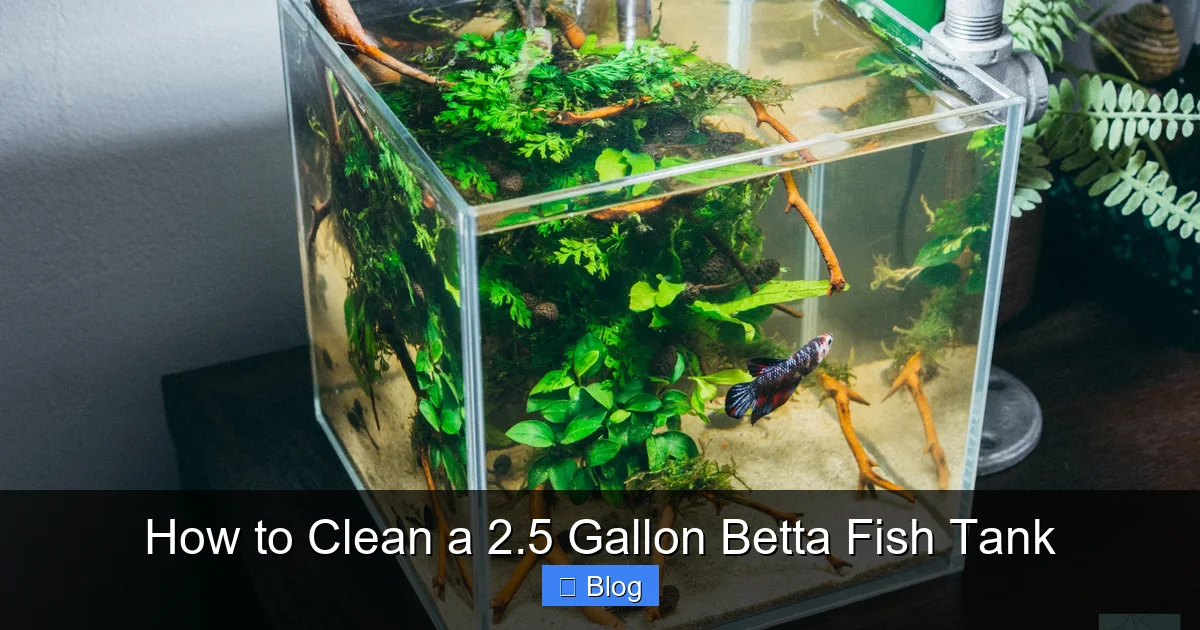
Visual guide about How to Clean a 2.5 Gallon Betta Fish Tank
Image source: cdn.shopify.com
The 2-3 Day Partial Water Change
Follow the same temperature-matching and conditioning process as in the full clean. However, you only need to vacuum the most soiled areas of the gravel (usually near the feeding spot) and remove 25-30% of the water. You do not need to clean the glass or decor at this interval. This regular dilution of nitrates is the single most important thing you can do for water quality in a small tank. Make it a habit—perhaps every Monday, Wednesday, and Friday.
Feeding & Observation: Your First Line of Defense
Overfeeding is the number one cause of poor water quality in small tanks. Feed your betta only what he can consume in 2-3 minutes, once or twice a day. A good rule of thumb is an amount roughly the size of his eye. Any excess food will sink and rot immediately. Use a turkey baster to remove any uneaten pellets after feeding. Spend 5 minutes each day just watching your betta. Note his activity level, color vibrancy, and fin condition. Changes in behavior are often the first sign of a water quality issue.
Managing Algae Blooms
In a small, brightly lit tank, algae can grow fast. To combat it:
- Light Control: Ensure the tank is not in direct sunlight, which accelerates algae. Use a timer for your aquarium light to provide 8-10 hours max.
- Manual Removal: During your weekly clean, scrape all algae off the glass. For hair algae on decor, remove the item and scrub it in your old water bucket.
- Consider Live Plants: A single fast-growing, easy plant like a Marimo moss ball or a small Anubias attached to a rock can outcompete algae for nutrients. They also help absorb nitrates.
Troubleshooting: What to Do When Things Go Wrong
Even with the best routine, issues can arise. Here’s how to handle common problems without panicking.
Cloudy Water After a Clean
This is usually a bacterial bloom. You’ve disturbed the substrate and possibly rinsed filter media too thoroughly, causing a sudden population explosion of heterotrophic bacteria as they consume the released organics. The solution is patience and more water changes. Do a 25% water change the next day. Do not add chemicals to clear it. The cloudiness will settle on its own within 3-5 days as the bacterial population stabilizes. In the future, be even gentler when vacuuming and rinsing filter media.
Algae Taking Over
If green spot or hair algae is persistent, test your nitrate levels. In a 2.5-gallon tank, nitrates should never exceed 10-20 ppm between changes. High nitrates fuel algae. Increase the frequency of your partial water changes temporarily. Reduce lighting duration. Check if you are overfeeding. Adding a floating plant like a Salvinia or Frogbit can dramatically reduce nitrate and shade the tank, inhibiting algae.
A Sick Betta After Cleaning
First, check your water parameters with a test kit. Is there ammonia? Did the temperature drop? Did you accidentally use soap? If the water is clean and temperature-matched, your betta may have just been stressed by the disturbance. Ensure your filter flow is not too strong for him—bettas prefer calm water. Increase surface agitation gently with an air stone if the water seems stagnant, as this improves oxygenation. If symptoms (clamped fins, loss of appetite, spots) persist for more than 24 hours, research common betta illnesses like fin rot or ich and consider a hospital tank for treatment.
The Philosophy of Betta Tank Care: Less is More
Cleaning a 2.5-gallon betta tank is a lesson in minimalism and observation. You are not scrubbing a porcelain bowl; you are tending a micro-ecosystem. The goal is not sterile perfection. A slight biofilm on a driftwood piece or a few harmless microfauna (like copepods) are signs of a healthy cycle. Your focus must be on water quality metrics—ammonia and nitrite at zero, nitrate under 20 ppm—and your betta’s visible health. A stressed betta from overzealous cleaning is more at risk than one living in slightly “messy” but cycled water. By following this gentle, consistent routine, you create a stable, beautiful world for your fish. You learn to read the tank, understand its rhythms, and respond accordingly. This mindful approach is the true reward of betta keeping.
Conclusion
Mastering how to clean a 2.5 gallon betta fish tank is the cornerstone of responsible ownership. It’s a simple but profound act of care that directly translates to your fish’s vitality, color, and lifespan. Remember the core principles: frequent, small water changes with perfectly conditioned, temperature-matched water; cleaning only with water and dedicated tools; and preserving your filter’s bacteria. Integrate the quick daily observation and feeding checks into your routine, and you’ll spend less time fixing problems and more time enjoying the serene presence of your magnificent betta. A clean tank is a happy tank, and a happy betta will reward you with years of fin-fluttering joy.
Frequently Asked Questions
How often do I really need to clean a 2.5-gallon betta tank?
You should perform a partial water change of 25-30% every 2-3 days and do a full clean (including substrate vacuuming and decor wiping) once a week. The small volume means waste accumulates very quickly, making frequent dilution essential.
Can I use regular tap water for my betta tank?
You can use tap water, but it must be treated with a water conditioner before it enters the tank. Tap water contains chlorine, chloramines, and heavy metals that are lethal to fish. Never add untreated tap water directly to the aquarium.
What is the best filter for a 2.5-gallon betta tank?
A small, adjustable hang-on-back (HOB) filter or a sponge filter is ideal. The key is a gentle flow, as bettas have long fins and can struggle in strong currents. Look for filters with adjustable flow settings or ones designed specifically for small or betta tanks.
Is it okay to use soap to clean my betta tank decorations?
Absolutely not. Even a tiny residue of dish soap or detergent is fatal to fish. All decorations, the gravel vacuum, and buckets should be rinsed thoroughly with tap water only. For stubborn algae, use a dedicated algae pad or scrub with a toothbrush in old tank water.
My water gets cloudy quickly after cleaning. Am I doing something wrong?
Cloudy water is usually a bacterial bloom from disturbing the gravel and filter media too much. It’s common and not immediately harmful. Stop over-cleaning your filter media (rinse it gently in old tank water, don’t make it pristine). Ensure you are matching water temperatures perfectly. The cloudiness should clear on its own within a few days with your regular water change schedule.
Should I remove my betta from the tank during cleaning?
No, for routine partial and full water changes, it is safer and less stressful to leave your betta in the tank. Carefully perform the water change around him. Only remove him if you are using medications or doing a deep clean that requires you to completely empty and scrub the tank, which should be a rare event.