How to Fix Popeye in Betta Fish
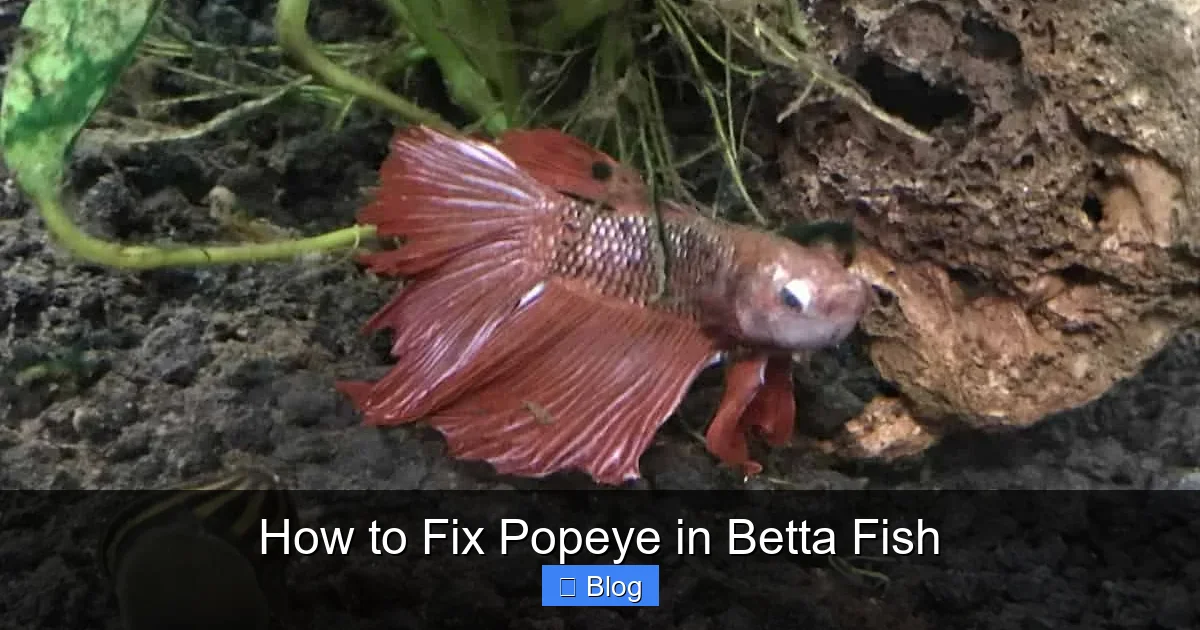
Immediate water changes are the most critical step to treat popeye, as poor water quality is the primary cause. Follow this with Epsom salt baths to reduce swelling and consider antibiotic treatment if a bacterial infection is suspected. For persistent or severe cases, always consult an aquarium veterinarian for a proper diagnosis and targeted care.
Key Takeaways
- Understanding how to fix popeye in betta fish: Provides essential knowledge for making informed decisions
- Practical applications: Can be applied in various real-world scenarios
- Key benefits: Offers significant advantages when properly implemented
- Important considerations: Requires attention to specific details and best practices
- Future implications: Continues to evolve and impact related fields
📑 Table of Contents
- How to Fix Popeye in Betta Fish: A Compassionate Guide to Saving Your Siamese Fighter
- Understanding Popeye: More Than Just a Bulging Eye
- Step 1: Immediate Action & The Crucial Diagnosis Phase
- Step 2: The Treatment Arsenal – Medications & Home Remedies
- Step 3: Supportive Care & The Road to Recovery
- Step 4: Prevention – The Best “Fix” is Never Getting Popeye
- Data Table: Common Medications for Betta Popeye
- Conclusion: Patience, Precision, and a Whole Lot of Love
How to Fix Popeye in Betta Fish: A Compassionate Guide to Saving Your Siamese Fighter
Oh, the heart-sinking moment you glance at your betta’s tank and see it—one of those brilliant, expressive eyes is now clouded, swollen, or protruding. Your beautiful, curious betta, who usually darts to the front of the tank to greet you, is listless, hiding, and clearly unwell. Popeye (proptosis) in betta fish is more than just an unsightly condition; it’s a major red flag that your finned friend is in distress. As a long-time betta enthusiast who has faced this scary situation more times than I’d like to admit, I know the panic that sets in. “How do I fix this? Is it too late?” Take a deep breath. While popeye can be serious, it’s often treatable, especially when caught early. This guide will walk you through everything you need to know, from understanding the root causes to implementing a step-by-step treatment plan, all in plain, compassionate language. We’re in this together.
Understanding Popeye: More Than Just a Bulging Eye
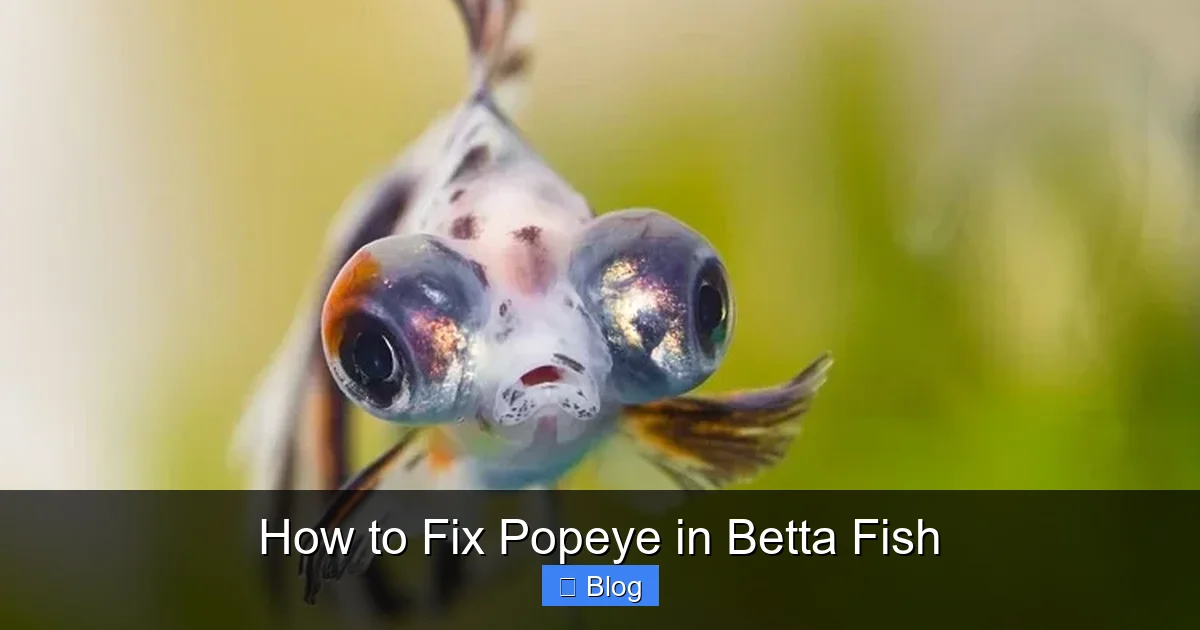
Before we dive into the “how,” we must understand the “why.” Popeye isn’t a disease itself; it’s a symptom. It means the eye has been forced out of its socket due to underlying pressure or damage. In bettas, this almost always points to a serious internal issue, most commonly a bacterial or parasitic infection that has caused fluid buildup (edema) behind the eye. Sometimes, physical injury from tank decor, aggressive tank mates, or even a bad fall can cause it. The key takeaway? You are not just treating a bulging eye; you are treating the invisible illness causing it. Ignoring popeye is like ignoring a fever—it won’t just go away on its own and will almost certainly get worse.
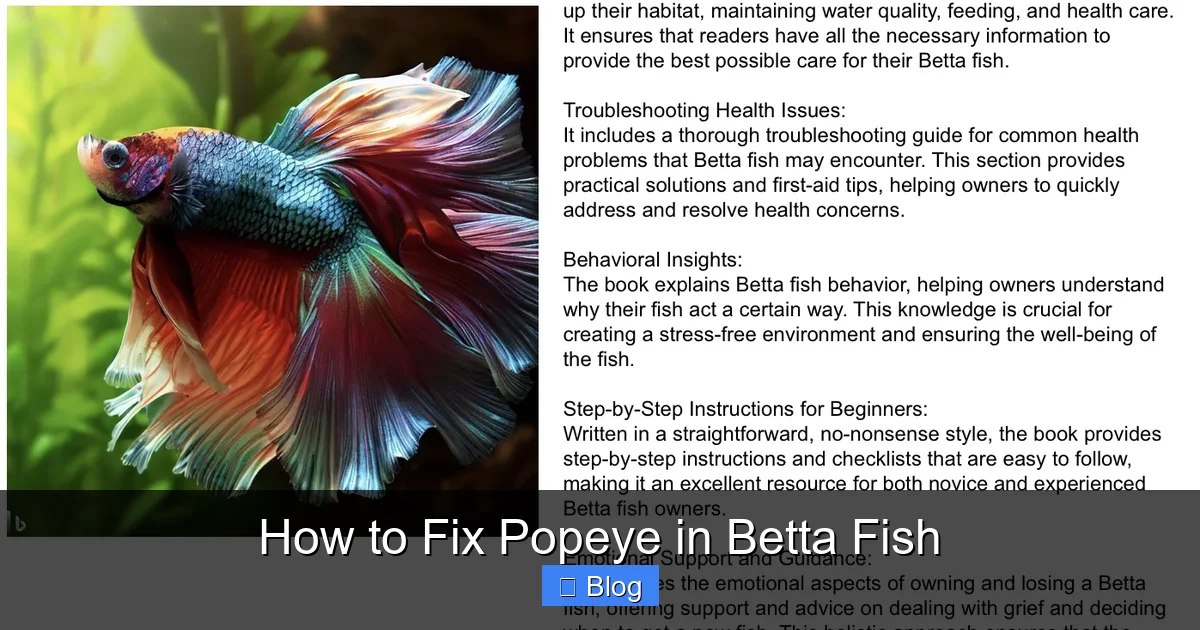
Visual guide about How to Fix Popeye in Betta Fish
Image source: wildbettablog.com
The Two Main Culprits: Infection and Water Quality
In my experience, two factors are responsible for 95% of popeye cases:
- Bacterial Infections: Poor water quality is the number one stressor that weakens a betta’s immune system, allowing opportunistic bacteria like Aeromonas or Pseudomonas to take hold. These bacteria can cause systemic infections leading to fluid accumulation.
- Parasitic Infections: Internal parasites, such as Hexamita or Spironucleus, can cause severe internal swelling and fluid retention, which manifests as popeye. These are trickier to diagnose and treat.
Less commonly, a severe fungal infection or a physical trauma (like a betta impaling itself on a sharp rock) can be the direct cause. This is why a thorough investigation of your tank setup and your betta’s history is the first critical step.
Step 1: Immediate Action & The Crucial Diagnosis Phase
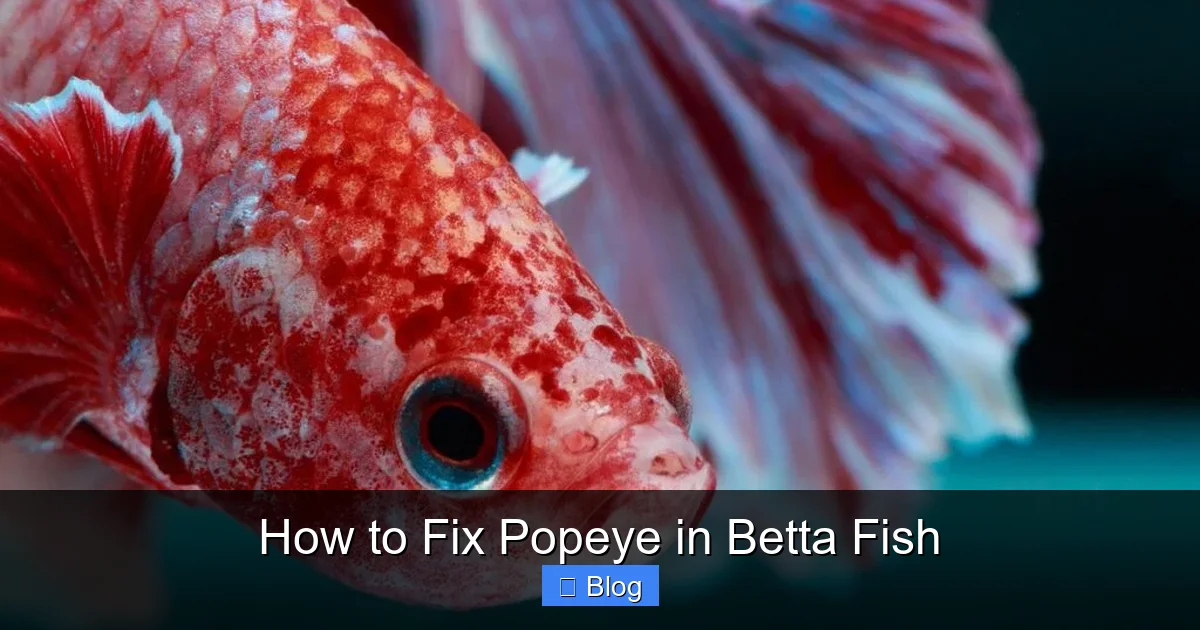
Seeing popeye should trigger an immediate, calm response. Panic leads to rash decisions, like dumping human medications into the tank—please don’t. Here is your exact, actionable first-aid protocol.
Visual guide about How to Fix Popeye in Betta Fish
Image source: fishlab.com
Isolate Your Betta: The Hospital Tank is Non-Negotiable
Your first move is to get your betta into a clean, separate “hospital tank.” This should be a small, bare aquarium (2.5-5 gallons is ideal) with only a secure lid (bettas jump!), a gentle heater (maintain 78-80°F), and a simple sponge filter (or even just daily 100% water changes). Why? You need to administer precise medication without harming beneficial bacteria in your main display tank or exposing other fish. You also need to observe your betta closely without the stress of tank mates or clutter. Use water from your main tank (conditioned) to fill it to avoid further shock.
The Water Quality Check: Your Number One Suspect
Before you even think about medication, test your water. Not just with a strip, but with a liquid test kit (like API Freshwater Master Test Kit). You are looking for:
- Ammonia (NH3/NH4+): Must be 0 ppm. Any detectable ammonia is toxic and a prime cause of stress and infection.
- Nitrite (NO2-): Must be 0 ppm.
- Nitrate (NO3-): Should be below 20 ppm for bettas. High nitrate weakens immunity.
- pH: Stable is more important than a specific number, but bettas prefer slightly acidic to neutral (6.5-7.5).
If your parameters are off, your primary treatment is massive, daily water changes (50-75%) in both the hospital and main tank, followed by addressing the root cause (overfeeding, filter issues, overstocking). You cannot cure a bacterial infection in a toxic environment.
When to Call the Vet (Yes, a Fish Vet)
I wish every betta owner had a local aquatic vet, but I know that’s not always feasible. However, if:
- Popeye is advanced (eye is severely swollen, cloudy, or ruptured).
- Your betta is completely lethargic, not eating, and showing other signs like clamped fins, rotting fins, or raised scales (dropsy).
- You have tried conservative treatment for 5-7 days with zero improvement.
It’s time to seek professional help. A vet can perform a skin/gill scrape or even an ultrasound to identify if it’s a specific bacteria (like Mycobacterium) or a parasite, which dictates the exact medication needed. This is the difference between guessing and curing.
Step 2: The Treatment Arsenal – Medications & Home Remedies
Assuming you’ve isolated your betta and corrected any obvious water issues, it’s time to target the infection. Important: Always follow medication dosing instructions exactly. Over-dosing can kill your fish just as easily as the disease.
Visual guide about How to Fix Popeye in Betta Fish
Image source: fishlab.com
Antibiotics: Your First Line of Defense
For a suspected bacterial infection (the most common cause), you need an antibiotic. Avoid “cure-all” medications with unknown ingredients. Look for these specific, effective classes:
- Kanamycin: Excellent for gram-negative bacteria, which are frequent culprits in popeye. Often found in products like Kanaplex or in combination treatments.
- Erythromycin: Effective against gram-positive bacteria. Good for secondary infections.
- Furan-2 (Nitrofurazone): A broad-spectrum antibiotic safe for most fish.
- Maracyn 2 (Minocycline): A very reliable, broad-spectrum antibiotic commonly recommended for internal bacterial infections.
How to Administer: Most are added to the hospital tank water. Since bettas are labyrinth fish and breathe air, do not remove the water surface tension with medication. Ensure good, gentle surface agitation (a sponge filter is perfect) so your betta can easily gulp air. Treatment cycles are typically 5-7 days, followed by a 25% water change and a repeat cycle if needed. Never mix medications unless the label explicitly states it’s safe.
The Epsom Salt (Magnesium Sulfate) Bath: For Swelling & Stress
This is not a cure for the infection, but a supportive therapy that can work wonders. Epsom salt helps draw out excess fluid through osmosis, reducing the painful swelling around the eye. It also helps with osmoregulation and can soothe the fish.
- Dosage: Add 1 teaspoon of pure, unscented Epsom salt per gallon of hospital tank water. Do not use table salt or aquarium salt.
- Method: Dissolve it in a cup of tank water first, then add slowly. You can do this alongside a mild antibiotic, but check for compatibility (most are fine).
- Duration: You can leave it in for the full treatment course, but do a 100% water change with fresh, salted water every 24-48 hours to maintain efficacy and water quality.
I’ve seen popeye cases where the swelling visibly reduced within 48 hours of starting Epsom salt baths, making the eye easier to treat and the fish more comfortable.
Metronidazole: The Parasite Fighter
If you suspect internal parasites (often from live foods like bloodworms), Metronidazole (Flagyl) is your drug. It’s also anti-protozoal and can help with certain bacterial issues.
- Form: Available as a powder or in pre-made treatments like Metroplex.
- Administration: Can be added to water or, more effectively, mixed into food (soaked in a gel food like Seachem’s Nutriplus or Repashy). Forcing medicated food ensures the betta gets the full dose.
- Course: Typically 5-7 days.
Pro Tip: If using in water, turn off the filter for 15-20 minutes after dosing to let the medication absorb, then turn it back on.
Step 3: Supportive Care & The Road to Recovery
Medication is only half the battle. A recovering betta needs optimal conditions to rebuild its immune system.
Water, Water, and More Water Changes
In the hospital tank, perform 50% water changes daily with properly temperature-matched, dechlorinated water. This removes waste, medication byproducts, and keeps parameters pristine. A clean environment is the best medicine you can provide. Use a gravel vacuum to remove any uneaten food or waste from the bottom.
Feeding for Healing: Easy, Nutritious, and Appealing
A sick betta often stops eating. You must tempt it.
- Offer high-quality, easily digestible foods: Soak pellets in a little tank water to soften them. Try frozen or live foods like daphnia or microworms, which are natural laxatives and very enticing.
- Consider a fasting period: If your betta is severely constipated (a common issue), a 1-2 day fast can help clear the system, reducing internal pressure that might contribute to swelling.
- Use a feeding ring: If your betta is weak, food might sink before it notices. A feeding ring keeps food at the surface.
Nutrition is the foundation of recovery. A well-fed betta has the energy to fight.
Stress Reduction is Everything
Your hospital tank should be a spa, not a prison.
- Dim the lights: Bright lights are stressful for a sick fish. Use a tank hood light or place the tank in a low-light area.
- No tank mates: Obvious, but worth stating.
- Minimize disturbances: Don’t tap the glass. Walk softly. Speak softly. Your betta is sensitive and vulnerable.
- Add a leaf or two of Indian Almond Leaves (IAL): These release tannins that have mild antibacterial and antifungal properties and create a calming, natural environment. They also help lower pH slightly, which can be beneficial.
A stressed fish has a suppressed immune system. Your job is to create the most peaceful, predictable environment possible.
Step 4: Prevention – The Best “Fix” is Never Getting Popeye
Let’s be real: treating popeye is stressful, expensive, and has no guaranteed outcome. The absolute best strategy is to prevent it from ever happening. This is where consistent, good husbandry pays off.
The Unshakeable Foundation: Water Quality
I cannot say this enough. Water quality is the #1 factor in betta health. Your prevention plan starts here:
- Weekly Water Changes: 25-50% in a filtered, cycled tank. For unfiltered bowls (which I strongly advise against), 100% daily changes are needed.
- Test Your Water: Get a liquid test kit and test weekly. Know your numbers.
- Cycle Your Tank: A cycled tank has beneficial bacteria that process toxic ammonia into less harmful nitrate. An uncycled tank is a death sentence for a betta long-term. Use a filter, even a gentle one.
- Dechlorinate: Always use a water conditioner that neutralizes chlorine, chloramines, and heavy metals.
Think of it this way: you wouldn’t drink polluted water, and neither should your betta. Clean water is a basic right.
Tank Setup & décor: Safety First
Bettas are curious and active. Their environment must be safe.
- Tank Size: Minimum 5 gallons. More water = more stable parameters and dilution of toxins.
- Gentle Flow: Bettas have delicate fins and come from slow-moving waters. A filter should create a gentle ripple, not a current. Use a sponge filter or adjust the output of a hang-on-back filter with a sponge pre-filter.
- No Sharp Edges: Inspect all plants (silk or live) and ornaments. Sand down any rough plastic edges on decorations. Avoid abrasive gravel. Smooth river rocks are a safer choice.
- Plenty of Hiding Spots: Use plants, caves, and betta logs to reduce stress. A stressed betta is a sick betta.
Your tank should be a beautiful, secure sanctuary, not an obstacle course.
Diet & Quarantine: Smarter is Safer
- Feed a High-Quality, Varied Diet: A staple of high-protein betta pellets, supplemented 2-3 times a week with frozen or live foods (daphnia, brine shrimp, bloodworms). Avoid overfeeding—a betta’s stomach is the size of its eye.
- Quarantine All New Livestock & Plants: This is the single most effective way to prevent introducing diseases or parasites into your main tank. A separate 5-gallon tank for 4-6 weeks allows you to observe and treat any new additions before they meet your betta.
An ounce of prevention truly is worth a pound of cure. A healthy, unstressed betta with a strong immune system in clean water is the best defense against popeye and most other common ailments.
Data Table: Common Medications for Betta Popeye
| Medication Class | Common Brand Names | Primary Target | Administration | Key Consideration |
|---|---|---|---|---|
| Antibiotic (Aminoglycoside) | Kanamycin (Kanaplex) | Gram-negative bacteria | Water or food | Very effective for systemic infections; can be harsh on kidneys, ensure pristine water. |
| Antibiotic (Tetracycline) | Erythromycin | Gram-positive bacteria | Water | Good for secondary infections; can stain decorations pink. |
| Antibiotic (Nitrofuran) | Furan-2 | Broad-spectrum | Water | Effective and generally safe; works best with slightly acidic water. |
| Antiprotozoal | Metronidazole (Metroplex) | Internal parasites (Hexamita, etc.) | Water or food (better) | Essential if parasites are suspected; has a slight antibiotic effect too. |
| Supportive Therapy | Epsom Salt (Magnesium Sulfate) | Swelling, osmoregulation | Water | Not a cure. Use alongside medication to reduce edema. Use pure, unscented only. |
Conclusion: Patience, Precision, and a Whole Lot of Love
Fixing popeye in your betta is a marathon, not a sprint. It demands a detective’s mind to find the cause, a pharmacist’s precision to administer treatment, and a nurse’s dedication to provide supportive care. There will be days where you see a flicker of your betta’s old personality and days where you fear the worst. That’s normal. My first betta, Finnegan, battled popeye for three weeks. There were moments I thought I’d lost him, but consistent water changes, a kanamycin course, and diligent Epsom salt baths saw him make a full recovery. He lived another two years, his eye slightly scarred but his spirit completely intact.
The most important thing you can do is act quickly, act logically, and act with compassion. Start with the water. Isolate your fish. Identify the most likely cause. Treat accordingly. And above all, learn from this experience. The habits you build now—the rigorous water testing, the careful tank inspections, the quarantine protocols—are what will keep your future bettas safe and healthy. You are not just fixing a physical ailment; you are reaffirming the bond you share with this incredible, intelligent little creature. Your betta is depending on you. Now you have the roadmap. Go be the hero your fish needs.
Frequently Asked Questions
What is how to fix popeye in betta fish?
how to fix popeye in betta fish is an important topic with many practical applications and benefits.
How can how to fix popeye in betta fish help me?
Understanding how to fix popeye in betta fish can improve your knowledge and provide practical solutions.