How to De Stress Betta Fish
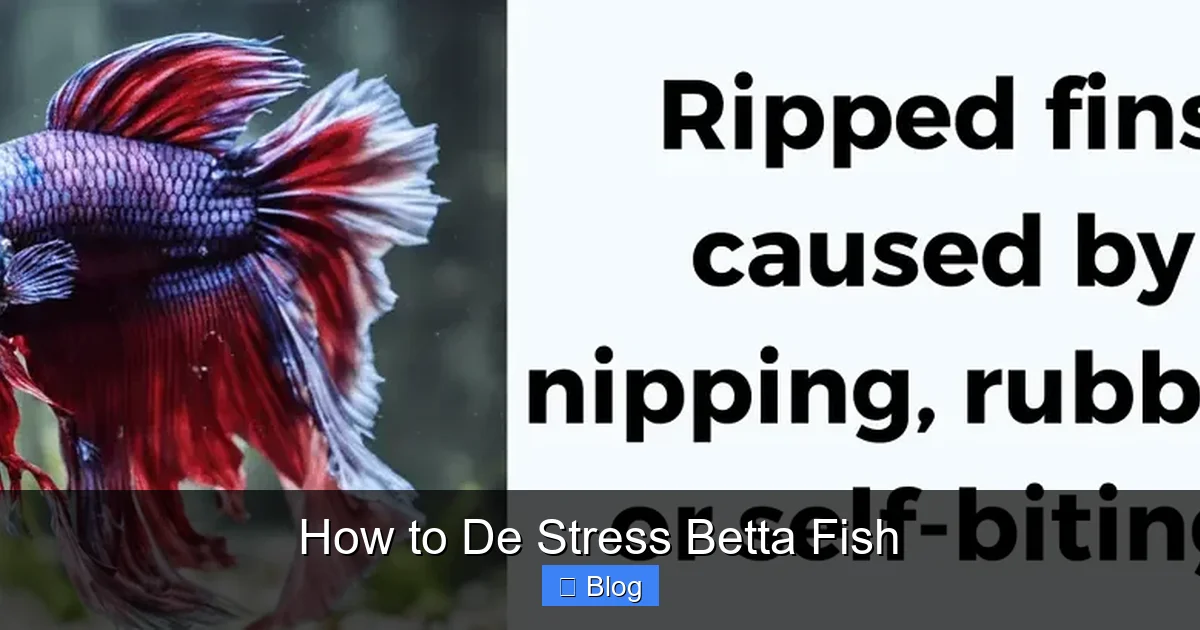
Betta fish stress is a common but serious issue that weakens their immune system and shortens their lifespan. The key to de-stressing your betta lies in replicating its natural tropical habitat with pristine water, stable conditions, and a calm environment. By mastering water parameters, providing proper enrichment, and understanding their unique needs, you can transform a lethargic, faded fish into a vibrant, active companion.
You brought home a stunning betta fish, its fins like flowing silk, colors that defy belief. But lately, your once-vibrant friend seems… off. Maybe the colors are duller. The fins are clamped tight. It hides in the corner, ignoring its food. Your heart sinks. This isn’t just a mood; this is stress. And for a betta fish, stress isn’t just an inconvenience—it’s a silent killer that paves the way for disease. Welcome to the essential guide on how to de stress betta fish. This isn’t about quick fixes; it’s about understanding your betta’s world and becoming the calm, stable sanctuary it needs to thrive.
Betta fish, or Siamese fighting fish, are famous for their resilience. They can survive in a tiny cup of water, we’re often told. This myth is the root of most betta stress. Their ability to *survive* poor conditions is not the same as *thriving* in them. In the wild, bettas inhabit shallow, warm, vegetated rice paddies and streams in Thailand. The water is soft, slightly acidic, teeming with hiding places, and remarkably clean thanks to constant plant filtration and water movement. Our challenge as keepers is to replicate this peaceful, complex environment within the confines of a glass box. When we fail, stress sets in. But when we succeed, we unlock the true, curious, and interactive personality of our betta. Let’s dive deep into the causes of betta stress and build a step-by-step plan to restore peace and vitality to your aquatic friend.
Key Takeaways
- Pristine Water is Non-Negotiable: Betta fish are extremely sensitive to poor water quality. Maintaining stable, warm, ammonia-free water through regular testing and water changes is the single most important factor in reducing stress.
- Tank Size & Setup Matter Immensely: A 5-gallon minimum tank with a gentle filter, secure lid, and plants/ hiding spots is essential. Small bowls and stagnant water are primary stress triggers.
- Consistent Routine is Calming: Bettas thrive on predictability. Consistent feeding times, stable light cycles, and minimal sudden changes to their environment prevent anxiety.
- Diet Directly Impacts Stress Levels: A high-quality, varied diet prevents constipation and bloating, which are significant physical stressors. Avoid overfeeding at all costs.
- Recognize the Signs Early: Learn to spot subtle signs like faded colors, clamped fins, lethargy, or loss of appetite before they become fatal. Immediate action is required.
- Gentle Handling is Crucial: Never use a net unless absolutely necessary. If you must, use a soft, wet net and move slowly. Stress from handling can be severe and prolonged.
- Compatibility is Complex: While some bettas can live with tank mates, many cannot. Never assume your betta is “community-friendly.” Aggressive or nippy tank mates are a major source of chronic stress.
📑 Table of Contents
- 1. Decoding Betta Stress: The Language of a Stressed Fish
- 2. The Foundation of Calm: Mastering Water Quality and Parameters
- 3. Designing a Sanctuary: Tank Size, Décor, and Environment
- 4. The Calm Plate: Nutrition and Feeding for a Stress-Free Gut
- 5. The Art of Peaceful Coexistence: Tank Mates and Social Stress
- 6. Proactive Peace: Advanced Stress Reduction Techniques
- 7. Conclusion: From Stressed to Serene
1. Decoding Betta Stress: The Language of a Stressed Fish
Before we can fix stress, we must learn to see it. Bettas are expressive creatures, but their signals are subtle if you don’t know what to look for. Stress manifests in three primary ways: behavioral changes, physical appearance alterations, and long-term health decline.
Behavioral Red Flags
The most common initial sign is a shift in activity. A healthy betta is curious, patrolling its territory, flaring at its reflection, or exploring. A stressed betta does the opposite. Look for:
- Lethargy & Hiding: Spending all day motionless at the bottom, tucked into a corner, or hiding behind decorations. This isn’t normal rest; it’s a sign of exhaustion and anxiety.
- Loss of Appetite: Turning down food, especially its favorite treats like daphnia or bloodworms. This is a huge red flag.
- Erratic Swimming: Darting frantically, bumping into walls (a sign of possible neurological distress from poor water), or swimming upside down.
- Glass Surfing: Repeatedly swimming up and down the tank glass. This can indicate boredom, poor water parameters, or a tank that’s too small.
Physical Manifestations of Anxiety
Stress physically rewires a fish’s body. Chronic stress suppresses the immune system, making the fish susceptible to illnesses like fin rot or velvet. Watch for:
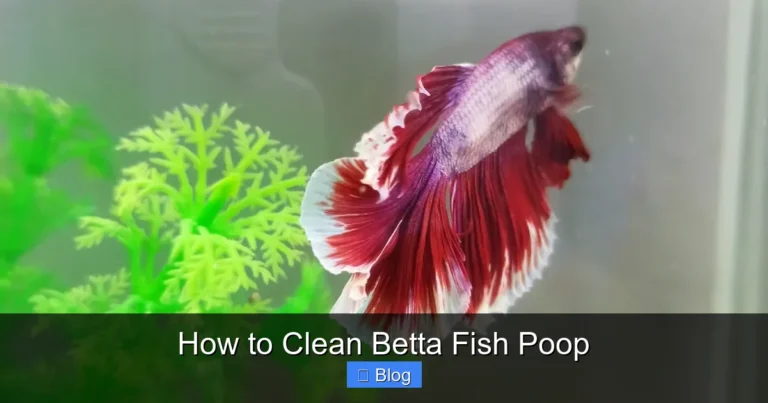
- Faded or Dull Colors: This is the classic “sad betta” look. Vibrant reds, blues, and greens turn muddy gray or brown.
- Clamped Fins: Fins are held tightly against the body instead of being held proudly open. This is a defensive, uncomfortable posture.
- Stress Stripes: Horizontal, dark bars that appear on the body, especially on lighter-colored bettas. This is a direct stress response, similar to a dog tucking its tail.
- Rapid Gill Movement: Gills moving very quickly, even when the fish is still. This indicates respiratory distress, often from poor water quality (high ammonia/nitrite) or low oxygen.
- Loss of Sheen: The healthy, slimy mucus coat that gives bettas their glow becomes dull and patchy.
If you see one or more of these signs, your immediate mission is to diagnose and eliminate the stressor. The most common culprit? Water. Always start there.
2. The Foundation of Calm: Mastering Water Quality and Parameters
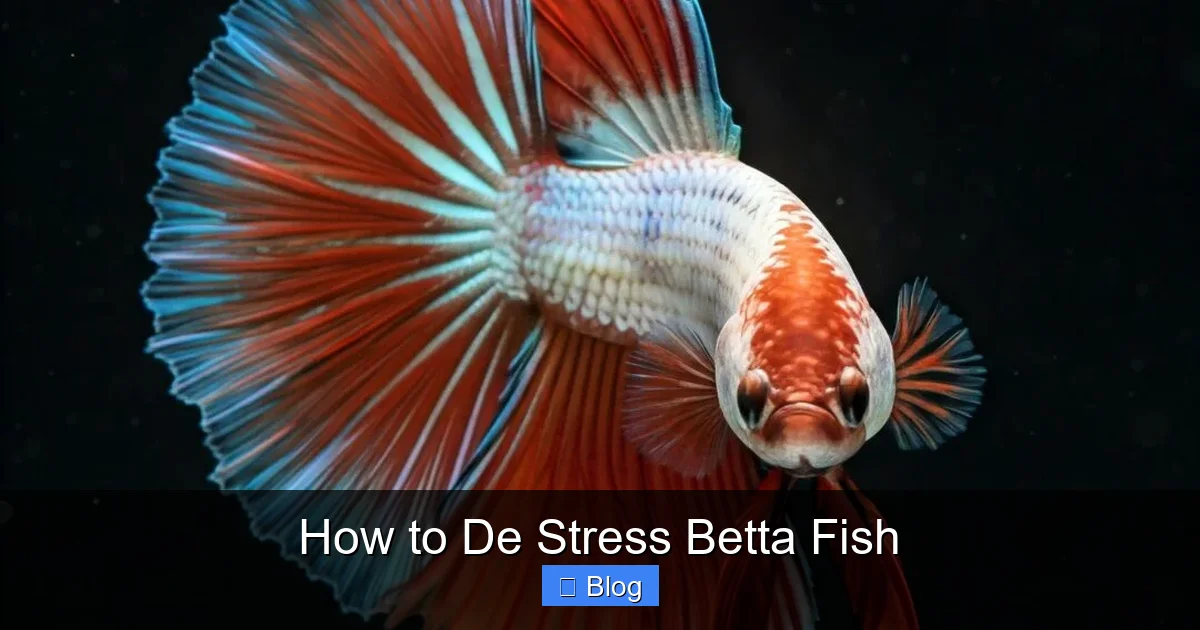
For a betta, water is air. It’s everything. You cannot overstate the importance of pristine, stable water. This is 70% of the battle in learning how to de stress betta fish.
Visual guide about How to De Stress Betta Fish
Image source: fishkeepertank.com
The Non-Negotiable Parameters
You need a liquid-based test kit (like the API Freshwater Master Test Kit). Strips are notoriously inaccurate. Test weekly. Your targets must be:
- Temperature: 78°F – 80°F (25.5°C – 26.5°C). This is tropical. Colder water slows metabolism and digestion, leading to constipation and a weakened immune system. Use a reliable, adjustable heater. A thermometer is a must to verify heater accuracy.
- Ammonia (NH3/NH4+): 0 ppm. Zero. Ammonia is toxic and burns gills. Any detectable reading is an emergency.
- Nitrite (NO2-): 0 ppm. Also toxic, it prevents blood from carrying oxygen.
- Nitrate (NO3-): < 20 ppm (ideally 5-10 ppm). Less toxic but still a stressor at high levels. This is controlled by water changes.
- pH: 7.0 – 7.5 is ideal. Bettas are adaptable but prefer slightly neutral to slightly alkaline. Stability is more important than a perfect number. Sudden pH swings are devastating.
- GH (General Hardness): 3-4 dGH (50-70 ppm). Soft water is preferred. Very hard water can be stressful over time.
- KH (Carbonate Hardness): 3-5 dKH (50-90 ppm). This buffers pH, keeping it stable. Low KH leads to dangerous pH crashes.
The Water Change Protocol: Your Most Powerful Tool
This is the single most effective action you can take to de-stress a betta. A proper water change does not just remove waste; it resets the tank’s chemistry.
- Frequency: For a filtered 5+ gallon tank, a 25-30% water change once a week is the minimum. For a smaller, unfiltered “bowl” (which you should upgrade immediately), you need 50% changes every other day. This is unsustainable and a primary reason for stress.
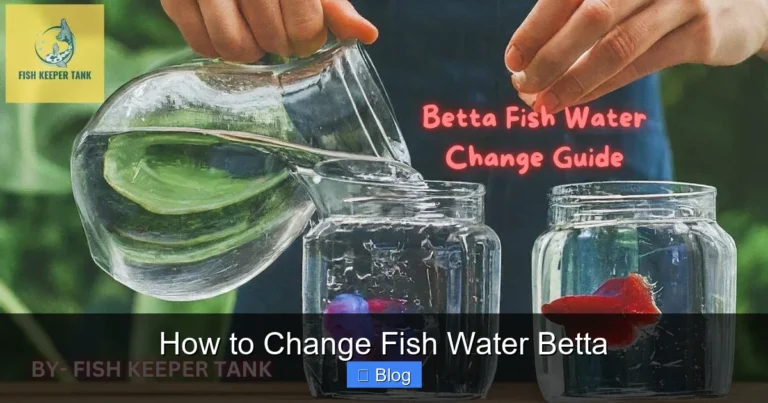
- Technique: Use a gravel vacuum (siphon) to clean the substrate, removing waste trapped in the gravel. Do not remove all the water at once; this shocks the system and the fish. Match the temperature of the new water exactly to the tank water. Use a dechlorinator that also detoxifies ammonia, nitrite, and heavy metals (like Seachem Prime) for every drop of new water.
- Never Wash Filter Media in Tap Water: This kills the beneficial bacteria that process toxins. Rinse it gently in the old tank water you just removed during the change.
Think of your betta’s tank as a living, breathing ecosystem. You are its caretaker, and clean water is its lifeline.
3. Designing a Sanctuary: Tank Size, Décor, and Environment
A stressed betta needs a place to feel safe. Its tank is its entire world. If that world is barren, too small, or frightening, chronic stress is inevitable.
Visual guide about How to De Stress Betta Fish
Image source: petfishonline.com
The 5-Gallon Minimum Rule (and Why It’s Real)
Let’s kill the “betta bowl” myth permanently. A 1-gallon bowl is a prison cell. A 5-gallon tank (20 liters) is the absolute, bare minimum for a single betta. Here’s why:
- Water Volume Stability: Larger volumes of water resist dramatic changes in temperature and chemistry. A cup of water can go from perfect to toxic in hours from a fish’s waste. Five gallons provides a crucial buffer.
- Swimming Space: Bettas are active swimmers. They need horizontal space to explore. Vertical “pencil” tanks are poor substitutes for length.
- Heater & Filter Efficiency: It’s impossible to keep a small volume of water consistently warm without a heater that cooks the fish. Filters in small bowls create deadly currents.
Invest in a 5-gallon or larger tank. It’s not a luxury; it’s a requirement for a low-stress life. A 10-gallon is even better and allows for future tank mates (if your betta tolerates them).
Creating a Stress-Reducing Habitat
Your goal is to break line-of-sight and provide endless hiding spots.
- Plants, Plants, Plants: Live plants (like Java fern, Anubias, Marimo moss balls) are gold. They oxygenate the water, absorb nitrates, and provide soft, natural hiding places. Silk or live plants are mandatory. Plastic plants with sharp edges can tear delicate betta fins, causing physical stress and infection.
- Hiding Spots are Essential: Use caves, coconut hides, large castles with enclosed spaces, or even a simple terra cotta pot on its side. Your betta must have a place to retreat where it feels completely secure.
- Gentle Filtration: Bettas have long, flowing fins and are not strong swimmers. A powerful filter current exhausts them. Use a sponge filter (air-driven, creates gentle bubbles) or a hang-on-back filter with a flow diffuser/sponge pre-filter. The current should be so gentle you barely see water movement.
- Secure Lid: Bettas are notorious jumpers. A tight-fitting lid with breathing holes is non-negotiable. The stress of a near-jump attempt is real.
- Lighting: Provide a regular day/night cycle (8-10 hours of light). Avoid bright, direct light. A simple LED hood on a timer is perfect. Too much light stresses fish and causes algae.
- Substrate: Sand or smooth, rounded gravel. Avoid sharp, jagged gravel.
4. The Calm Plate: Nutrition and Feeding for a Stress-Free Gut
You are what you eat, and this is doubly true for bettas. A poor diet directly causes physical stress through constipation, swim bladder issues, and malnutrition.
Visual guide about How to De Stress Betta Fish
Image source: koiusa.co
What to Feed: A High-Quality, Varied Diet
Bettas are carnivores. Their system is not designed for plant matter.
- Staple: A high-quality betta-specific pellet or granule. Read the ingredient list—the first few should be whole fish or shrimp (e.g., salmon, krill). Avoid fillers like wheat, soybean meal, or potato.
- Variety is Key: Feed a rotation of high-quality frozen or live foods 2-3 times a week. This mimics their natural diet and provides essential nutrients. Excellent options are:
- Frozen Bloodworms (the red mosquito larvae, not the larger earthworm type)
- Frozen Brine Shrimp (great for conditioning)
- Frozen Daphnia (a natural laxative, fantastic for preventing constipation)
- Live Microworms or Infusoria for fry, but adults enjoy them too.
How to Feed: The #1 Rule is “Less is More”
Overfeeding is the #1 cause of constipation, bloating, and poor water quality. It is a massive stressor.
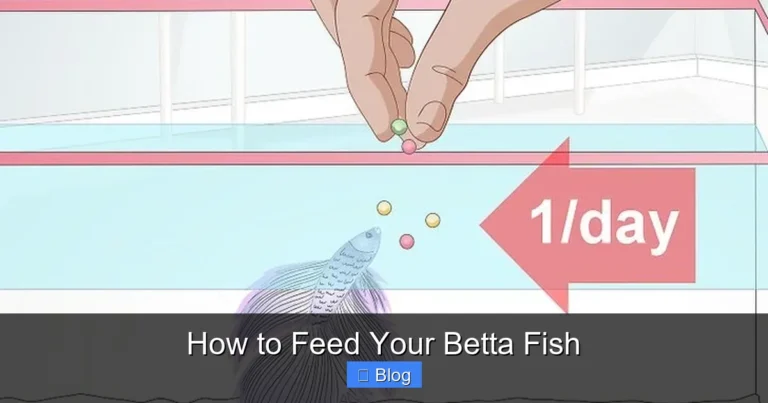
- Portion Size: A betta’s stomach is roughly the size of its eye. Feed only what it can consume in 2-3 minutes, once or twice a day. For pellets, 2-3 high-quality pellets per feeding is often sufficient. For frozen foods, a small pinch that thaws.
- Fasting: Fast your betta one day a week. This gives its digestive system a break and is a natural, healthy practice. Do not worry; bettas can easily go a week without food.
- Soak Pellets: Dry pellets can expand in the betta’s stomach, causing constipation. Soak them in tank water for a minute before feeding to prevent this.
- Remove Uneaten Food: Any food that sinks and is not eaten within a few minutes must be removed with a net. Rotting food fouls the water rapidly.
A well-fed betta is a betta without digestive stress. Its colors will be brighter, its energy higher, and its immune system stronger.
5. The Art of Peaceful Coexistence: Tank Mates and Social Stress
This is one of the most misunderstood areas of betta care. The name “Siamese fighting fish” tells you everything you need to know about their social tolerance. While some bettas can live with carefully chosen tank mates, many cannot. Forcing an incompatible community is a guaranteed source of chronic, deadly stress.
The Betta’s Personality is King
There is no universal rule. Some bettas are docile; others are violently aggressive. Your betta’s temperament is the final say. You must observe closely.
If You Try Tank Mates: The Strict Rules
If you have a large (10+ gallon) tank and a seemingly mellow betta, you can cautiously introduce tank mates. Follow these rules:
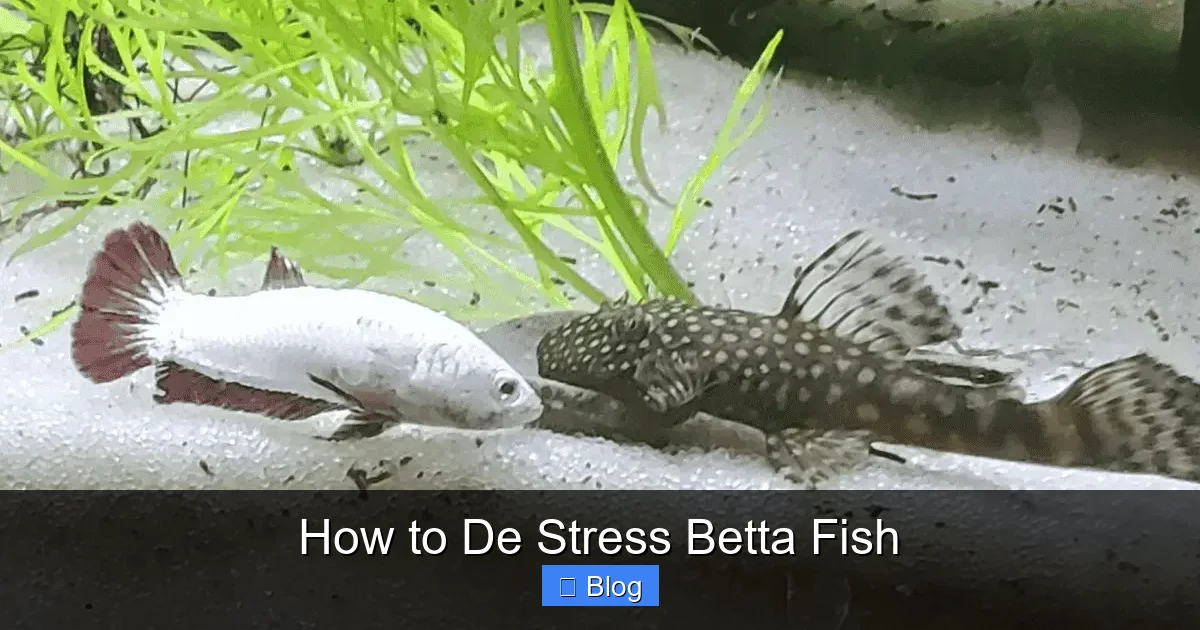
- Tank Size is Paramount: Never in a 5-gallon. Minimum 10 gallons, 20+ is better. Space allows fish to establish territories and avoid each other.
- Choose the Right Species: Target fish that are:
- Fast & Nimble: Like small rasboras (Harlequin, Chili) or tetras (Neon, Ember). They must be able to outmaneuver a sudden betta lunge.
- Bottom-Dwellers: Like Kuhli loaches or small, smooth-scaled Corydoras catfish. They occupy a different stratum of the tank.
- Non-Fin-Nippers: Absolutely avoid fish with long, flowing fins (guppies, fancy guppies, some angelfish) which will trigger the betta’s aggression and get their fins nipped.
- Introduce the Betta LAST: Add all potential tank mates first and let them establish their schools and territories for a week or two. Then, introduce the betta. A betta introduced to an established community is less likely to claim the entire tank as its territory.
- Have a Backup Plan: Be prepared to separate the betta immediately at the first sign of constant chasing, flaring, or nipped fins. Have a second tank (a “hospital” or “quarantine” tank) ready.
When in Doubt, Keep it Solo. A single betta in a properly decorated 5-gallon tank is a happy, stress-free betta. The risk of adding tank mates often outweighs the benefit. For many bettas, solitude is the ultimate peace.
6. Proactive Peace: Advanced Stress Reduction Techniques
Once the fundamentals (water, tank, diet) are perfect, you can fine-tune your betta’s environment for maximum calm.
Indian Almond Leaves: Nature’s Stress Buster
This is a game-changer. Indian Almond Leaves (IAL), also called Catappa leaves, are the dried leaves of the Terminalia catappa tree. When steeped in water, they release tannins and humic acids.
- Benefits: They naturally lower pH slightly, have mild antibacterial and antifungal properties, and most importantly, mimic the blackwater conditions of a betta’s natural habitat. Fish feel safer in the slightly tinted, “tea-colored” water.
- How to Use: Rinse a leaf, boil it for 10 minutes to sterilize and sink it, then add it to the tank. It will float for a day or two before sinking. One leaf is enough for a 5-10 gallon tank. It will slowly decompose over weeks. You can also buy IAL extract to dose more precisely.
Consistency is Calm: The Power of Routine
Fish are creatures of habit. Sudden changes are terrifying.
- Light Schedule: Use an outlet timer. 8-10 hours on, 14-16 hours off. Consistency is key.
- Feeding Schedule: Feed at the same times each day.
- Water Change Schedule: Do your water changes on the same day and time each week.
- Avoid Sudden Decor Moves: Don’t rearrange the entire tank. If you must change something, do it gradually.
Minimize External Stressors
- Location, Location, Location: Place the tank in a quiet area, away from high-traffic zones, loud TVs, speakers, or direct sunlight (which causes temperature swings and algae).
- Tap on the Glass? Never. The vibration and shock are extremely stressful. Teach children to observe quietly.
- Reflections: A betta will flare at its own reflection, thinking it’s an intruder. This is a constant low-grade stressor. You can:
- Use a background on the tank’s back and sides to block side reflections.
- Gently wipe the inside glass with a clean cloth to remove the film that creates a strong reflection.
- Provide enough plants and décor to break up the line of sight to the glass.
Handling with Utmost Care
The goal is to never net your betta.
- For Water Changes: Use a cup or a clean, dedicated container to gently herd the betta into if you need to remove it. Never scoop it up in a net.
- If You Must Net: Use a very soft, fine-mesh net. Wet it first. Move slowly and deliberately. Support the betta’s body in the net, never let it flop. Transfer it in the net to a clean container with water from the tank, then immediately into its new environment.
- Cup Transfers: When moving a new betta home from the store, use the cup it came in. For home transfers, a small, clean container is best.
Gentle, confident movements reduce handling stress immeasurably.
7. Conclusion: From Stressed to Serene
De-stressing a betta fish is not about a single magic trick. It is a holistic commitment to understanding and providing for a living creature with specific, non-negotiable needs. You are now equipped with the knowledge: the critical importance of pristine, warm water; the necessity of a properly sized, planted sanctuary; the life-giving power of a correct, sparing diet; and the careful consideration required for any potential tank mates.
Start with an audit. Test your water. Measure your tank. Observe your betta for 10 minutes a day without interfering. Is it active? Colorful? Curious? Or is it listless, pale, and hiding? Be honest. Then, implement the changes one by one. First, ensure the temperature is correct and perform a major water change. Then, evaluate the tank size and décor. Then, perfect the feeding. This is a journey back to health, and it requires your patience and consistency.
Remember, a stressed betta is a suffering betta. A thriving betta, however, is a window into a miniature, peaceful world. It will greet you at the glass, perform its flaring dances, and build its bubble nest with contentment. That vibrant, interactive life is the reward for doing the work. You have the power to transform your betta’s world from a source of anxiety to a haven of calm. Start today. Your betta’s serene, colorful life depends on it.
Frequently Asked Questions
How can I tell if my betta fish is stressed or just sleeping?
A sleeping betta may rest on the bottom or a leaf but will typically react when you approach the tank and resume normal activity quickly. A stressed betta shows prolonged lethargy, clamped fins, faded colors, and a lack of interest in food even when you gently offer it. Clamped fins and stress stripes are strong indicators of chronic stress, not mere sleepiness.
My betta is in a small bowl. Can I de-stress it without getting a bigger tank?
While you can improve conditions slightly with more frequent water changes (50% every other day) and a heater, a small bowl (<3 gallons) inherently causes stress due to unstable water chemistry and lack of space. It is a temporary fix, not a solution. The only true way to de-stress a betta long-term is to upgrade to a filtered, heated 5-gallon (or larger) tank with proper décor.
Can adding more plants or hiding spots immediately reduce my betta’s stress?
Yes, absolutely. Providing more vertical and horizontal hiding places (live/silk plants, caves, logs) breaks line-of-sight and gives your betta a sense of security. This can reduce stress behaviors like frantic glass-surfing or constant hiding almost immediately. Start by adding a few plants or a single hide and observe for positive changes in behavior.
Is my betta stressed because it’s alone? Should I get it a friend?
Most bettas are perfectly content and far less stressed when housed alone. Their natural aggression makes finding compatible tank mates difficult and risky. Adding the wrong fish will cause immense, often fatal, stress. The exception is a very large, heavily planted tank (20+ gallons) with careful, slow introductions of specific, peaceful species. Solitude in a proper tank is usually the least stressful option.
How long does it take for a betta to recover from stress after fixing the problems?
It depends on the severity and duration of the stress. Minor stress from a brief water parameter spike can see improvement in 24-48 hours with corrected water. Chronic stress from poor long-term care can take 1-3 weeks of consistent, optimal conditions to see significant recovery in color, activity, and fin extension. Be patient and maintain perfect care.
My betta’s water parameters are perfect, but it’s still stressed. What else could it be?
>Consider these other common stressors: the tank is too small (<5 gallons); there is a strong filter current; the tank is in a high-traffic, noisy, or bright location; the betta is being harassed by its own reflection; there is an incompatible tank mate causing constant fear; the diet is poor or you are overfeeding; the temperature is too low or fluctuates; or the tank lacks sufficient hiding places. Systematically check each element of its environment.