How to Choose a Betta Fish
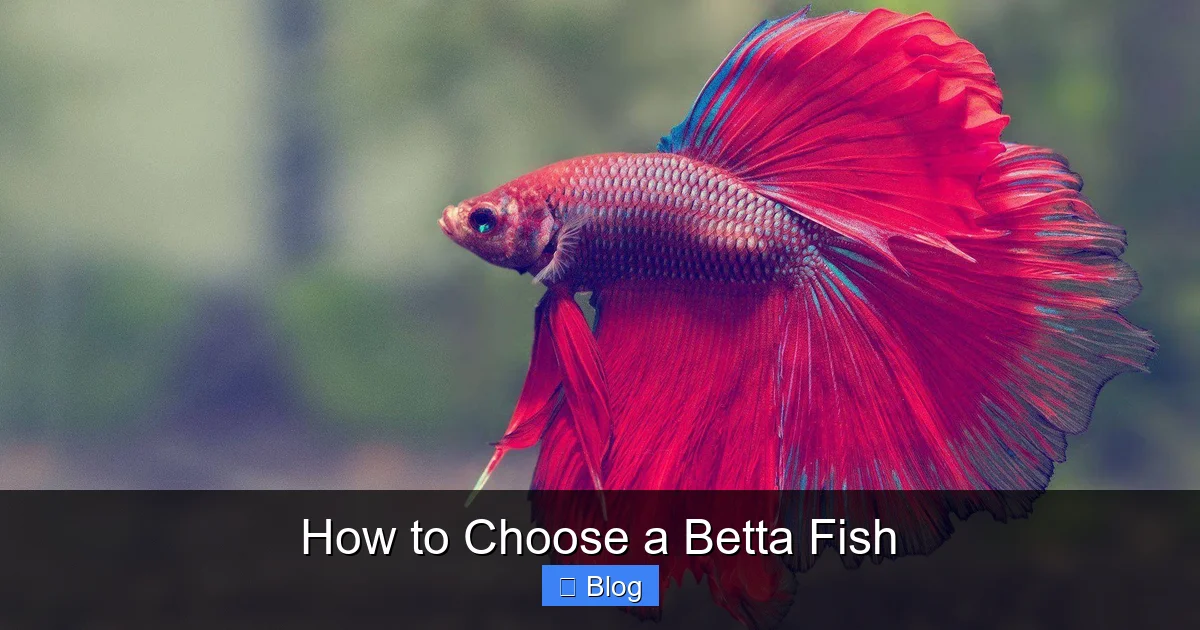
Choosing the right betta fish goes far beyond picking the prettiest one at the store. It’s about assessing health, understanding temperament, and preparing the correct environment. A healthy betta has vibrant colors, clear eyes, and active behavior, while its future home must be a properly sized, heated, and filtered tank—not a tiny bowl. By learning to read a betta’s body language and prioritizing long-term care needs over initial appearance, you set both yourself and your new pet up for a thriving, joyful relationship that can last for years.
Key Takeaways
- Health Over Color: Prioritize active behavior, undamaged fins, and clear eyes over the most vibrant color patterns.
- Tank is Non-Negotiable: A proper 5+ gallon filtered and heated aquarium is essential for a betta’s health and longevity.
- Observe Behavior: A curious, active fish that flares gently at its reflection is often healthier than a lethargic or constantly flaring one.
- Check for Physical Signs: Look for clamped fins, white spots (ich), torn or fuzzy fins, or a bloated body as red flags for disease.
- Understand Temperament: Bettas are solitary; males must be kept alone, while females can sometimes live in carefully managed sororities.
- Source Responsibly: Consider reputable local fish stores or breeders over big-box retailers for healthier, better-cared-for bettas.
- Commit to Care: A betta is a 3-5 year commitment requiring weekly water changes, stable water parameters, and a varied diet.
📑 Table of Contents
- Introduction: More Than Just a Pretty Face
- Section 1: The Foundation – Understanding the Betta’s True Needs
- Section 2: The Health Assessment – A Visual Checklist
- Section 3: Behavior and Temperament – Reading the Fish
- Section 4: Color, Fin Types, and Aesthetics – The Secondary Choice
- Section 5: Sourcing Your Betta – Where to Buy Matters
- Section 6: Final Selection and Bringing Your Betta Home
- Conclusion: A Lifelong Partnership Begins with a Choice
Introduction: More Than Just a Pretty Face
So, you’ve decided to bring a betta fish into your life. Congratulations! These fascinating creatures, with their flowing fins and bold personalities, make captivating companions. But before you’re swept away by a dazzling red half-moon or a stunning blue crown tail, it’s crucial to understand that choosing a betta is the first and most important step in a multi-year commitment. The process of how to choose a betta fish is a blend of science and intuition, requiring you to be a detective assessing health, a psychologist gauging temperament, and a future planner setting up the perfect home.
The biggest mistake new betta owners make is selecting a fish based solely on aesthetics in a pet store bowl. This often leads to heartbreak, as many of those seemingly beautiful fish are already stressed, sick, or housed in conditions that compromise their long-term health. Your goal is to find a resilient, healthy individual whose personality will shine in the environment you’ve prepared. This guide will walk you through every critical factor, from the moment you stand before a tank to the day you bring your new friend home, ensuring you make a choice that leads to years of enjoyment.
Section 1: The Foundation – Understanding the Betta’s True Needs
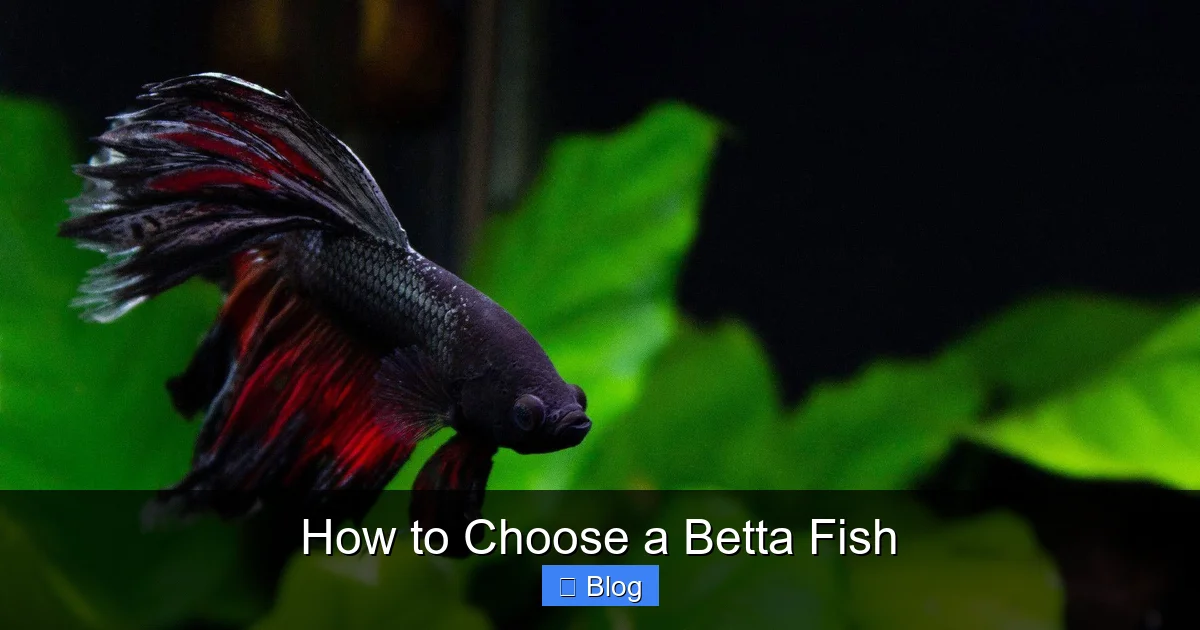
Before you even look at a single fish, you must internalize one non-negotiable truth: bettas are not disposable cup-dwellers. The myth of the betta in a tiny, unheated vase is pervasive and harmful. Betta splendens are tropical fish native to the shallow, warm rice paddies and slow-moving streams of Southeast Asia. While those waters are shallow, they are vast, warm, and full of complex surfaces and plants. Replicating this environment is key to their health.
Visual guide about How to Choose a Betta Fish
Image source: wallpapers.com
The Myth of the “Bowl”
The iconic image of a betta in a small vase or one-gallon “desk tank” is the single greatest contributor to poor betta health and shortened lifespans. In such a tiny volume, ammonia from waste builds up almost instantly, even with a filter. Temperature swings are drastic and dangerous. There is no room for enrichment or exercise. A stressed betta is a sick betta. The absolute minimum tank size for a single betta is 5 gallons, with 10 gallons being a far more comfortable and manageable starting point that provides stable water conditions and room for plants and decor.
The Non-Negotiables: Heat and Filtration
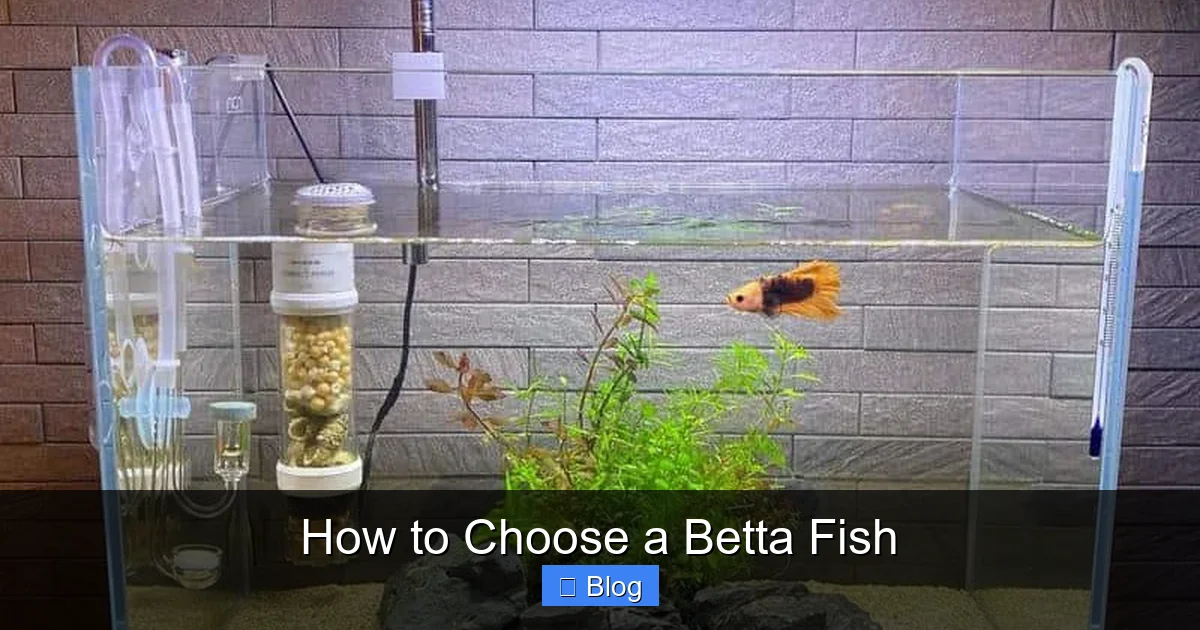
Heat: Bettas require a stable water temperature between 78°F and 80°F (25.5°C – 26.5°C). An aquarium heater is not optional; it is essential. Cold water slows their metabolism, suppresses their immune system, and leads to lethargy and disease like swim bladder disorder.
Filtration: A gentle filter is necessary to cycle the tank (establish beneficial bacteria that process waste) and keep the water clear. Because bettas have delicate fins and originate from calm waters, you must choose a filter with an adjustable flow setting. The output should be gentle enough that the fish isn’t being pushed around—you can often baffle the flow with a sponge or adjust the nozzle.
Creating a Stimulating Environment
A betta’s tank should be a sanctuary, not a prison. Provide plenty of hiding spots using silk or live plants (like java fern, anubias, or marimo moss balls), caves, and driftwood. Smooth, non-abrasive décor is crucial to prevent fin damage. A lid is recommended, as bettas are notorious jumpers. Remember, a bored betta can become depressed or destructive, nipping at its own fins (fin rot). A well-decorated tank encourages exploration and natural behaviors.
Section 2: The Health Assessment – A Visual Checklist
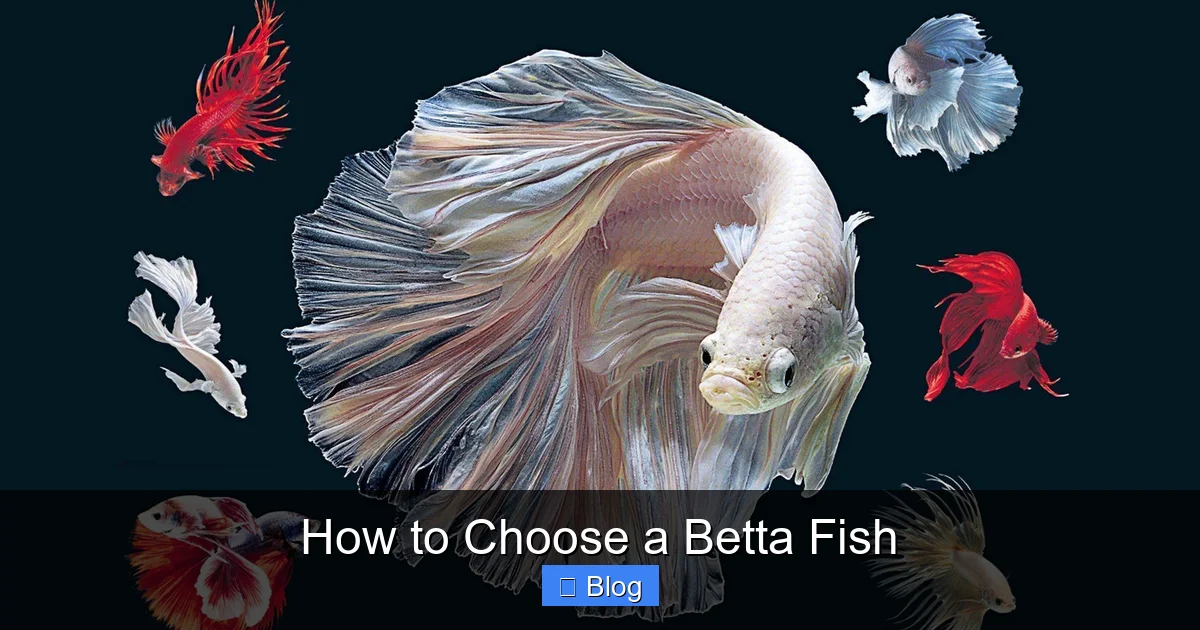
Now that you understand the environment a betta needs, you can focus on selecting the healthiest individual. This requires a keen, systematic eye. When you approach a display tank, take 60 seconds to simply observe the entire group before zeroing in on one. What is the general activity level? Are most fish hovering listlessly at the top or bottom, or are they actively exploring? Your target is a fish that stands out as alert and engaged.
Visual guide about How to Choose a Betta Fish
Image source: wallpapers.com
Body Shape and Posture
A healthy betta has a streamlined, torpedo-shaped body that is symmetrical and not bloated or emaciated. Look for these red flags:
- Bloating or “Bumpy” Spine: This can indicate swim bladder disorder, internal parasites, or severe constipation. The body should be smooth and sleek.
- Emaciation: The body should not be concave or sharply angled behind the head. Visible bone structure is a sign of starvation or chronic illness.
- Parasites: Tiny, moving white specks (like grains of salt) on the body are ich. Cotton-like growths are fungal infections. Fuzzy, grayish patches could be columnaris.
Fins: The Canary in the Coal Mine
Betta fins are their signature feature and often the first place problems show.
- Condition: Fins should be full, flowing, and undamaged. Look for tears, holes, blackening edges (fin rot), or a ragged, shredded appearance. Even minor nipping from tankmates in a previous setup can lead to infection.
- Clamping: Fins held tightly against the body are a classic sign of stress, poor water quality, or illness. The fish should have its fins gracefully extended while swimming or resting.
- Fin Rot: Look for white or black edges on the fins that appear to be melting away. The fin tissue may look fuzzy or cottony.
Eyes, Gills, and Scales
- Eyes: Must be clear, bright, and bulging. Cloudy, white, or sunken eyes are serious signs of infection or poor health.
- Gills: Check that the gill covers (opercula) are not constantly flared or working very hard at rest, which indicates respiratory distress. The gill plates themselves should be a healthy red or pink, not inflamed or covered in growth.
- Scales: Should lie flat and smooth. “Pineconing” (scales standing out like a pinecone) is a late-stage symptom of dropsy, a fatal bacterial infection often caused by poor water quality.
Section 3: Behavior and Temperament – Reading the Fish
Health isn’t just physical. A betta’s behavior tells you volumes about its current state and future personality. Spend time watching how it interacts with its environment and other fish.
Visual guide about How to Choose a Betta Fish
Image source: acaquarium.com
The Activity Spectrum
You want a fish that is curious and responsive. It should be swimming purposefully, investigating plants, decorations, and the glass. It might flare its gills briefly when it sees its reflection or a passing movement—this is normal, instinctive behavior. A betta that is pacing relentlessly (glass surfing) can be a sign of stress from a too-small tank or poor water quality, even if it looks physically healthy. Conversely, a betta that is completely motionless on the bottom, resting on its side, or hovering at the surface gasping for air is in immediate danger.
Flaring: Aggression or Insecurity?
Flaring (extending its gill covers and sometimes fins to look larger) is a natural betta behavior. Context matters:
- Healthy Flare: A brief, confident flare at a reflection or a new object, followed by a return to normal activity.
- Chronic Flaring: A fish that is constantly flaring at everything, including its own reflection constantly, is likely extremely stressed. This can weaken its immune system.
- No Flare: A complete lack of response might indicate lethargy from illness.
The ideal is a balanced, curious fish that flares occasionally but isn’t obsessed with it.
Feeding Response
Ask the store staff if you can offer a tiny pinch of food. A healthy betta will show immediate interest, swimming to the surface and actively chasing food. A disinterested or slow-responding fish may be ill. Observe how it eats—does it grab food and spit it out? This can be a sign of constipation or swim bladder issues.
Section 4: Color, Fin Types, and Aesthetics – The Secondary Choice
Once you’ve identified a physically healthy, behaviorally sound candidate, then you can delight in the incredible variety that makes bettas so special. This is the fun part, but it should never override the health assessment.
Common Color Patterns
- Solid: One uniform, rich color (e.g., Royal Blue, Mustard Gas, Red).
- Marble: A pattern of two or more colors in splotches, often changing over time.
- Butterfly: A solid body color with fins of a different color, often with a distinct “butterfly” pattern on the caudal fin.
- Dragon: A metallic, scale-like sheen over a base color, often with a red or orange face.
- Koi: A multi-colored, marble-like pattern resembling a koi fish, highly prized and often changing.
Note: Some color changes are normal as a betta matures, but sudden, drastic changes can sometimes signal stress or illness. A vibrant, even color saturation is generally a good sign of health.
Fin Types: Beauty and Fragility
- Veil Tail (VT): The most common, long fins that droop elegantly. Generally hardy.
- Half Moon (HM): A 180-degree fan tail. The pinnacle of show bettas but can be more fragile and prone to snagging.
- Double Tail (DT): Two distinct caudal fins. Can have a higher risk of swim bladder issues due to body shape.
- Crown Tail (CT): Fins with extended rays that look like a crown. The rays can be sharp and prone to tearing.
- Plakat (PK): Short, sturdy fins. Often the hardiest and most active, with a bodybuilder’s build.
- Delta/Super Delta: A wide tail that doesn’t quite reach 180 degrees. A nice middle ground between HM and VT.
Practical Tip: For a first-time betta owner, a Veil Tail or Plakat is often an excellent, robust choice. The more elaborate Half Moons require more meticulous water quality and tank setup to prevent fin damage and infection.
Section 5: Sourcing Your Betta – Where to Buy Matters
Where you acquire your betta significantly influences its starting health and hardiness. Not all sources are created equal.
Local Fish Stores (LFS) – The Gold Standard
A dedicated, knowledgeable local fish store is often the best place to buy a betta. These shops typically:
- Receive smaller, more frequent shipments from breeders or distributors.
- House bettas in filtered, heated systems (not cups).
- Have staff who can answer specific questions about the fish’s history.
- Often quarantine new stock.
- Allow you to see the fish in a more natural, active state.
Build a relationship with a good LFS. They can become an invaluable resource.
Reputable Online Breeders – For the Discerning Owner
If you want a specific, high-quality color or fin type, purchasing from a reputable online breeder is the way to go. These breeders:
- Focus on genetics, health, and conformation.
- Breed in controlled conditions, often raising the fish in filtered tanks from the start.
- Typically ship fish with a guaranteed live arrival and health warranty.
- Can provide detailed lineage information.
Research is key. Look for breeders with active social media, positive community reviews, and transparent practices. Expect to pay $30-$100+ for a show-quality fish.
Big-Box Retailers & Chain Pet Stores – Proceed with Caution
The bettas at large chain stores are the most high-risk option. They are often shipped long distances in tiny bags, held in small, unheated cups for weeks, and may have been treated with stress-coating chemicals. While you can absolutely find a healthy individual, you must be a meticulous inspector. Always ask the store manager if you can see the bettas in their back room filtration system—sometimes they have a few housed better than the display cups. If the cups are dirty, the fish are listless, and the staff is uninformed, walk away.
Section 6: Final Selection and Bringing Your Betta Home
You’ve found a candidate that passes the health check, has a temperament you like, and boasts an aesthetic you adore. Now, the final steps before the big moment.
Asking the Right Questions
Whether at a store or from a breeder, don’t be shy. Ask:
- “How long has this specific fish been here?” (Prefer a fish that hasn’t been sitting for months).
- “What are the water parameters in this tank?” (They should know ammonia, nitrite, nitrate are 0).
- “What have you been feeding it?” (A varied diet of quality pellets, frozen, or live foods is ideal).
- “Has this fish shown any signs of illness or been treated with medication?”
A transparent, confident answer is a good sign. Evasiveness is not.
TheAcclimation Process: Slow and Steady
Never just dump your new betta into its new tank. The water parameters (temperature, pH, hardness) will be different. The proper method is drip acclimation:
- Float the sealed bag in your tank for 15-30 minutes to equalize temperature.
- Gently open the bag and roll down the sides to create a floating ring.
- Using airline tubing, start a very slow siphon from your tank into the bag. Adjust the flow to a drip (2-4 drops per second).
- Allow the bag to fill with tank water until its volume has doubled (this can take 30-60 minutes).
- Net the betta from the bag and gently place it into the tank. Do not pour the bag water into your tank, as it may contain waste or pathogens from the store.
- Turn off the lights for a few hours to let the fish settle in without stress.
This slow process allows the fish to gradually adjust to your tank’s chemistry, preventing shock.
The First 24 Hours and Beyond
Your new betta will likely be shy for a day or two. Offer a small amount of food, but don’t be alarmed if it doesn’t eat immediately. Monitor it closely for any signs of stress (rapid breathing, clamped fins, hiding). Do not perform a water change for at least 48 hours unless you see a major emergency. Let it settle into its new, stable home. Your careful selection and preparation now pay off in a confident, colorful, and lively companion for years to come.
Conclusion: A Lifelong Partnership Begins with a Choice
Choosing a betta fish is the foundational act of a rewarding hobby. It’s a decision that combines compassion with practicality. By educating yourself on what true betta health looks like—both in the fish itself and in the environment it comes from—you move from being a casual spectator to a responsible caretaker. You are not just buying a pet; you are committing to a living being that will recognize you, respond to your presence, and display a unique personality shaped by your care.
Remember the hierarchy: a healthy fish in a proper tank will always outshine a “perfect” specimen in a cup. Your investment in research, in a suitable aquarium, and in a careful selection process will be repaid tenfold with the mesmerizing dance of a happy betta flaring at its reflection, building a bubble nest, or elegantly patrolling its planted kingdom. Take your time, trust your observations, and enjoy the journey of welcoming one of the aquarium world’s most charismatic personalities into your home.
Frequently Asked Questions
Can I keep a male and female betta together?
No. Male and female bettas are highly aggressive toward each other and will fight, often to the death. The only exception is for carefully supervised breeding by experienced keepers, which is not recommended for beginners. Bettas are solitary fish and should be kept alone.
How long do betta fish live?
With proper care—including a heated, filtered tank of at least 5 gallons, a high-quality diet, and clean water—a betta fish can live 3 to 5 years, and sometimes even longer. Many die prematurely (within a year) due to improper housing like small, unheated bowls.
What is the best food for a betta fish?
A high-quality pellet formulated specifically for bettas (carnivores) should be the staple. Supplement this with occasional treats of frozen or live foods like bloodworms, brine shrimp, or daphnia to provide essential nutrients and variety. Avoid overfeeding; a betta’s stomach is roughly the size of its eye.
How often should I clean my betta’s tank?
For a properly filtered 5+ gallon tank, perform a partial water change of 25-50% once a week. During this, use a gravel vacuum to remove debris from the substrate. Never remove all the water or clean the filter media with tap water, as this kills the beneficial bacteria. A full, deep clean is only necessary if the tank is extremely overgrown with algae.
Why is my betta fish not eating?
A loss of appetite is a common symptom of stress or illness. First, check your water parameters (ammonia, nitrite, nitrate) with a test kit—poor water quality is the #1 cause. Ensure the tank temperature is correct (78-80°F). Try offering different foods like frozen daphnia. If the fish is also lethargic, has clamped fins, or shows physical signs of disease, it may be sick and require isolated treatment.
Can betta fish live with other fish?
It depends entirely on the individual betta’s temperament. Some male bettas can live in a community tank with peaceful, fast-moving fish like neon tetras or harlequin rasboras, but many are aggressive and will attack long-finned or colorful tankmates. Female bettas have a slightly better chance of cohabiting. Always have a backup plan (a separate “hospital” tank) and never introduce a betta to an established community tank without extensive research and observation. The safest option is always a species-only tank.