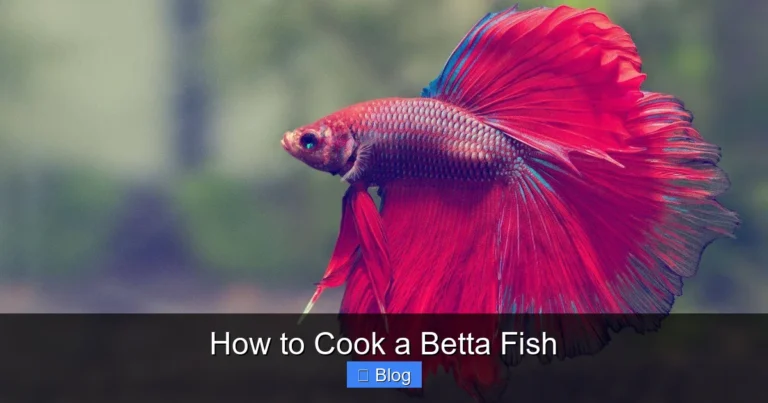
How to Feed Betta Fish When on Vacation
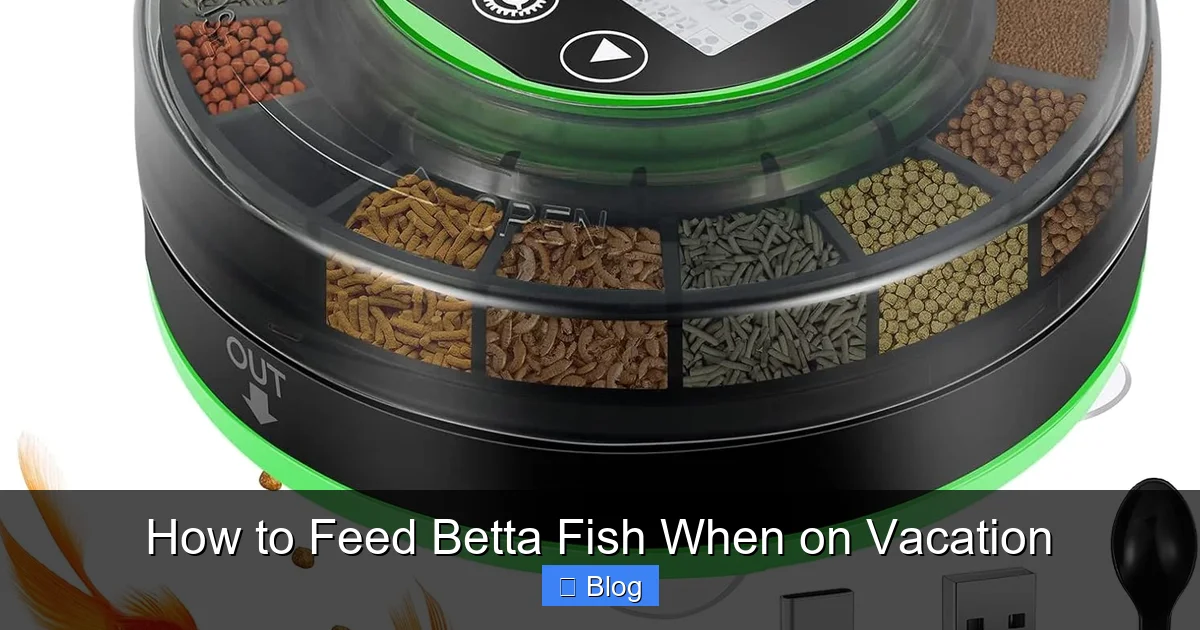
Leaving your betta fish unattended during vacation requires careful planning to avoid overfeeding, poor water quality, and stress. The safest strategies include using a reliable automatic fish feeder, pre-portioned vacation food blocks, or enlisting a trusted pet sitter. Always test any method beforehand and prioritize pristine water conditions before you go.
You’ve planned your dream vacation, packed your bags, and double-checked your flight times. But as you turn off the lights, a tiny, flashy thought creeps in: What about my betta fish? That little aquatic roommate in their elegant tank seems so self-sufficient, yet you know they rely on you for everything. The question of how to feed betta fish when on vacation isn’t just about dropping some food in the tank; it’s about ensuring their delicate ecosystem remains stable and safe in your absence. A betta’s beautiful, flowing fins belie a surprisingly complex set of needs. Get it wrong, and a simple weekend getaway can turn into a tragic homecoming. But get it right, and you can enjoy your time away with complete peace of mind, knowing your finned friend is thriving. This guide will walk you through every safe, proven method, from high-tech gadgets to old-school tricks, and highlight the critical pitfalls you must avoid. Let’s ensure your betta is as happy to see you return as you are to be back.
Key Takeaways
- Test Everything Beforehand: Never try a new feeding method for the first time while you’re away. Practice with automatic feeders or vacation blocks at least a week prior to your trip.
- Water Quality is Non-Negotiable: A clean tank is more critical than a full stomach. Perform a partial water change and clean the filter before leaving to maintain stability.
- Avoid Overfeeding at All Costs: Betta fish have tiny stomachs. Overfeeding is the #1 cause of death during owner absences, leading to fatal water pollution.
- Automatic Feeders Are the Gold Standard: When properly calibrated and tested, a quality automatic feeder is the most reliable way to provide consistent, portion-controlled meals.
- Pet Sitters Need Clear, Written Instructions: If using a human, provide precise measurements, a demonstration, and a written schedule to prevent guesswork and mistakes.
- Fasting is Safe for Short Trips: A healthy adult betta can comfortably fast for 5-7 days. For weekend trips, doing nothing is often the safest option.
- Have a Backup Plan: Power outages or feeder malfunctions happen. Use a vacation block as a failsafe or have a neighbor check in as a secondary safety net.
📑 Table of Contents
Understanding Your Betta’s Unique Needs and Rhythms
Before we dive into solutions, we must understand the problem. Betta fish, or Siamese fighting fish, are not the low-maintenance pets some believe them to be. They are tropical, carnivorous fish with specific metabolic and environmental requirements. Their small size is deceptive; their impact on their environment is significant.
Betta Feeding Basics: More Than Just Pellets
A betta’s stomach is roughly the size of its eyeball. This isn’t just a cute fact—it’s a crucial survival guideline. In the wild, bettas are opportunistic insectivores, eating small meals frequently. In captivity, this translates to 1-2 small pellets or a few bloodworms twice a day. Any excess food decomposes quickly, fouling the water. Ammonia and nitrite spikes from rotting food are silent, fast-acting killers. Therefore, the core challenge of vacation feeding isn’t just delivering food; it’s delivering the right amount of food at the right time without compromising water quality.
Why Consistency and Clean Water Trump a Full Belly
Bettas are creatures of habit. A sudden change in routine or water parameters can cause stress, which weakens their immune system and makes them susceptible to diseases like fin rot or ich. When you’re gone, the primary goal is to maintain stability. A slightly hungry but otherwise stable betta in clean water has a far higher survival rate than a well-fed betta swimming in toxic, ammonia-laden water caused by overfeeding. Your focus must shift from “Will they be hungry?” to “Will their environment remain safe and clean?”
The Dangers of Improper Vacation Feeding: What Can Go Wrong
The road to a dead betta is often paved with good intentions. Understanding these common failure points will help you choose the safest path.
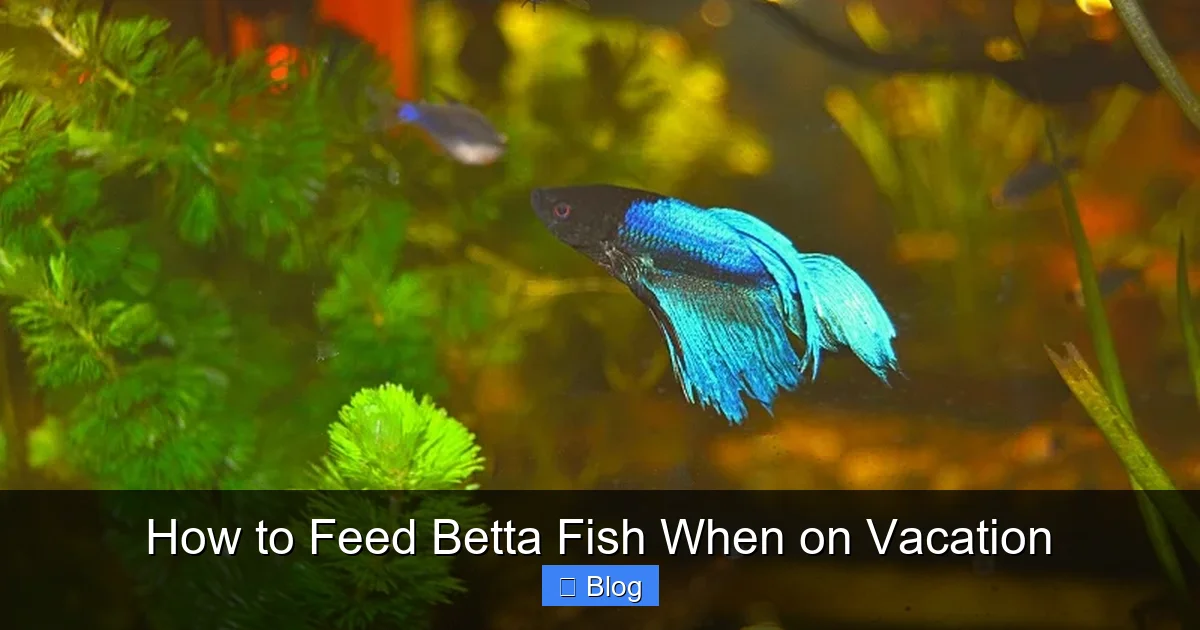
Visual guide about How to Feed Betta Fish When on Vacation
Image source: infishtank.com
The Overfeeding Apocalypse
This is the most frequent and deadly mistake. Whether a well-meaning friend dumps a pinch of food or an uncalibrated automatic feeder releases a banquet, the result is the same. Uneaten pellets swell and dissolve, releasing toxins. The water becomes cloudy, and the biological filter—already potentially weakened by the lack of regular maintenance—is overwhelmed. Your betta, stressed and gasping at the surface, can perish within 24-48 hours. Never assume a betta will stop eating when full; their instinct is to eat what’s presented.
Water Quality Collapse
Even without overfeeding, a static tank can degrade. Beneficial bacteria populations can dip without regular water changes and waste processing. A vacation food block, if not fully consumed, becomes a rotting lump. An automatic feeder’s mechanism can malfunction, dumping food. Any of these events can cause a rapid spike in ammonia. Without you there to perform a partial water change, the cycle can crash, leading to a toxic environment.
Feeder and Device Failures
Batteries die. Mechanisms jam. Humidity causes food to clump and not dispense. A vacation block dissolves too quickly or not at all. Relying on a single, untested method is a gamble. This is why redundancy—having a primary and a backup plan—is essential.
Proven Methods to Feed Your Betta While Away
Now for the solutions. We’ll rank these from most recommended to situational, based on reliability and control.
Visual guide about How to Feed Betta Fish When on Vacation
Image source: infishtank.com
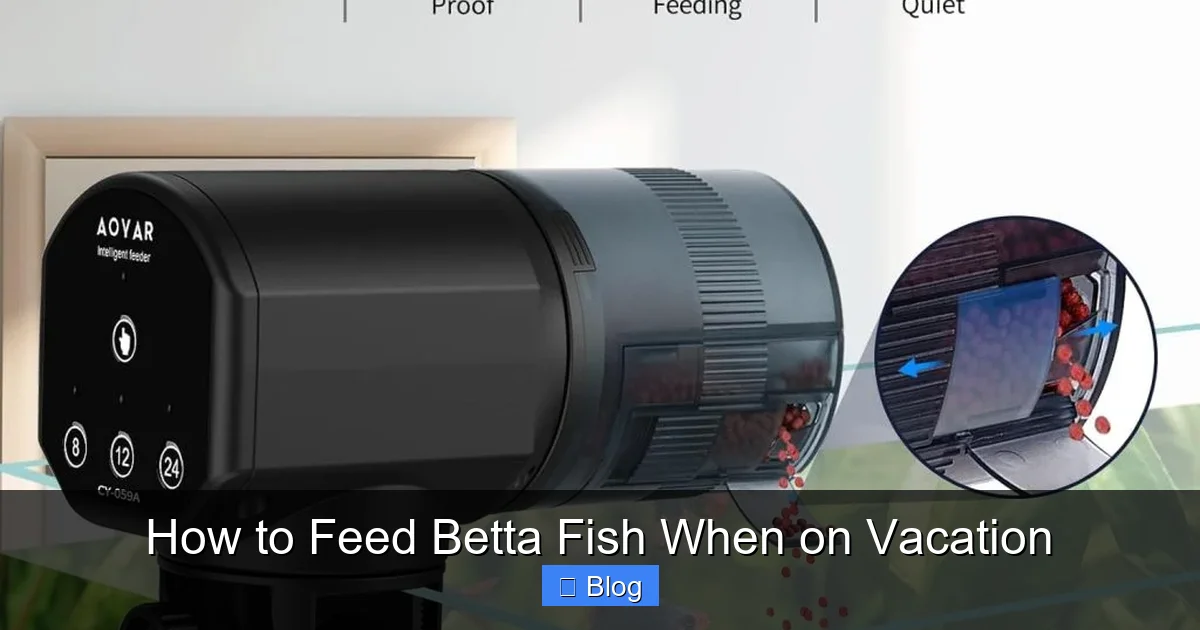
Method 1: The Automatic Fish Feeder (The Gold Standard)
This is the most reliable method for trips longer than a long weekend. A good automatic feeder allows you to pre-program exact feeding times and portion sizes, eliminating human error.
- How it works: A battery-operated (or AC-powered with battery backup) device holds dry food (pellets or flakes) in a hopper. A rotating mechanism dispenses a set amount at scheduled times.
- Why it’s effective: It mimics your routine precisely. You control the “what,” “when,” and “how much.”
- Critical Selection & Setup Tips:
- Choose a reputable brand: Look for models with strong reviews for reliability and moisture control (e.g., API Vacation Feeder, Eheim Automatic Feeder).
- Test, test, test: Fill it with your betta’s exact food. Program it for your normal schedule and watch it operate for at least 5-7 days before your trip. Check the portions—are they truly betta-sized?
- Position it correctly: Mount it securely over the tank so food drops directly into the water, not onto the lid or rim. Ensure the drop zone is clear of decorations.
- Use fresh batteries: Always install brand-new, high-quality batteries. Consider plugging it into a timer if using AC power.
- Ideal For: Trips of 1-2 weeks. Provides the most consistent routine.
Method 2: Pre-Portioned Vacation Food Blocks (The Low-Tech Backup)
These are solid blocks of compressed fish food (like ZooMed BettaVac or Kent Marine KMR) that slowly dissolve over time, releasing food particles.
- How it works: You attach the block to the tank glass inside the water. It gradually erodes, providing small amounts of food over 3-7 days.
- Pros: Inexpensive, no batteries, no setup. Can serve as a backup to an automatic feeder.
- Major Cons & Cautions:
- Unpredictable dissolution: Water temperature and flow greatly affect how fast it dissolves. In warm water, it can vanish in 2 days; in cooler water, it may not dissolve enough.
- No portion control: Your betta may gorge on the dissolving food immediately, or ignore it until it’s too late.
- Water quality risk: Any leftover block becomes decomposing organic matter.
- How to Use Safely: Only use as a secondary food source. Pair it with an automatic feeder set to a minimal portion, or use it only for very short trips (3-4 days max) in a well-filtered tank. Never rely on it as your sole method for more than a long weekend.
Method 3: The Trusted Pet Sitter (The Human Element)
Enlisting a friend, family member, or professional pet sitter is an excellent option, especially for longer trips or complex tank setups.
- Why it works: A person can observe the betta’s behavior, water clarity, and equipment function, reporting any issues immediately.
- Keys to Success:
- Write everything down: Create a simple, bulleted sheet: “Feed 3 pellets from the blue jar, at 8 AM and 5 PM. Do not feed if water is cloudy. Check filter is running.”
- Demonstrate: Show them exactly how much food to use. Use a measuring spoon or cap if needed.
- Provide pre-portioned food: Divide daily rations into small, labeled containers or baggies. This eliminates guesswork.
- Leave emergency contacts: Your number, the local aquarium store’s number, and a trusted neighbor’s.
- Ideal For: Long trips, multi-tank households, or bettas with special medical needs.
Method 4: The “Do Nothing” Approach (For Short Weekends)
Yes, you read that right. For a healthy adult betta in a well-maintained, filtered tank, a 3-4 day fast is perfectly safe and often the least stressful option.
- The Science: Bettas have a slow metabolism. Going without food for a few days is natural and can even be beneficial, giving their digestive system a rest.
- Prerequisites: This only works if your tank is pristine, your betta is healthy and a hearty eater, and you are gone for no more than 4 days. Perform a 25% water change the day before you leave.
- Why it’s smart: It eliminates all risk of overfeeding, feeder failure, or water pollution from added food. You simply return, feed as normal, and enjoy your fish.
Step-by-Step Vacation Preparation Guide
Your actions in the week leading up to your trip are 80% of the battle. Follow this checklist meticulously.
Visual guide about How to Feed Betta Fish When on Vacation
Image source: bettafishworld.com
One Week Before: The Dry Run
This is your trial period. Set up your chosen primary feeding method (likely the automatic feeder) exactly as you plan to leave it. Observe:
- Does the feeder dispense the correct, tiny portion?
- Is any food getting stuck or clogged due to humidity?
- Is your betta eating the dispensed food eagerly?
- Is the water remaining clear?
Adjust the portion size or timing as needed. This week is also the time to deep clean the tank. Scrape algae, vacuum the substrate thoroughly, clean filter media (rinse in old tank water, never tap water), and prune any live plants. A fresh start creates a more stable buffer.
24 Hours Before: The Final Countdown
Today is about optimization and redundancy.
- Perform a major water change: Replace 30-40% of the water with properly dechlorinated, temperature-matched water. This dilutes any existing waste and gives the filter a fresh start.
- Check all equipment: Ensure your heater is functioning at the correct temperature (78-80°F / 25-27°C) and your filter is flowing strongly.
- Install your primary and backup systems: Set your automatic feeder with fresh batteries. If using a vacation block as a failsafe, attach it to the tank glass now, but only if your primary method is an automatic feeder. For a “do nothing” trip, simply ensure the tank is pristine.
- Do a final feed: Give your betta a small meal 12-24 hours before you leave. This ensures they are not hungry immediately but allows time for digestion before you go.
The Day of Departure: Last-Minute Checks
Before you walk out the door:
- Verify the automatic feeder is programmed and has food.
- Check that the tank lights are on a consistent timer (a simple outlet timer is ideal).
- Ensure the tank cover is secure (to prevent jumps).
- Leave your pet sitter’s or neighbor’s contact info with a trusted person nearby, just in case.
Post-Vacation Care and Observation
Your return is not the end of the process. The first 48 hours back are crucial.
What to Expect Immediately
Your betta may be less active than usual, hide more, or seem disinterested in food initially. This is normal stress from the disruption. The tank water might look a little cloudy from accumulated waste. Do not perform a large water change immediately. This could shock the system.
The First 24 Hours Back: Gentle Reintroduction
- Observe first: Watch your betta for 15-20 minutes. Are they swimming normally? Any signs of illness (clamped fins, spots, lethargy)?
- Offer a tiny meal: After observation, offer 1-2 pellets. If they eat eagerly, you can offer a normal small portion at the next scheduled time. If they ignore it, remove the food after 5 minutes to prevent decay.
- Perform a partial water change: 24 hours after your return, do a 25% water change to dilute any accumulated nitrates and refresh the tank.
Resuming Your Normal Routine
Within 2-3 days, your betta should be back to its usual self. Resume your normal feeding schedule and tank maintenance routine. Use this as an opportunity to evaluate how your chosen method worked. Was the automatic feeder accurate? Did the vacation block dissolve properly? Take notes for next time.
Troubleshooting Common Problems
Even with the best planning, issues can arise. Here’s how to handle them.
“My Betta Didn’t Eat When I Returned”
This is common and usually not an emergency. Stress from your absence or a slight water quality shift can suppress appetite. Continue offering tiny meals for 2-3 days. If after 72 hours they show no interest and appear lethargic, test your water parameters (ammonia, nitrite, nitrate, pH) immediately. A fast can last over a week for a healthy fish, but a lack of appetite combined with other symptoms indicates illness or poor water.
“The Water is Cloudy and Smelly”
This indicates a bacterial bloom, likely from excess organic matter (uneaten food, waste). Do not do a full tank clean, as this crashes the beneficial bacteria cycle. Instead:
- Remove any visible uneaten food or debris immediately.
- Perform a 25% water change with clean, treated water.
- Check your filter is running properly; gently rinse it in old tank water if flow is restricted.
- Monitor closely for 24 hours. If cloudiness persists or a fish shows distress, test water for ammonia.
“My Automatic Feeder Jammed or Failed”
This is why you have a backup. If you have a neighbor or pet sitter with a key, call them to manually feed a pre-portioned meal. If you used a vacation block as a secondary food source, hope it dissolved enough to provide minimal sustenance. If you have no backup and discover a failure upon return, assess the situation calmly. If the betta is alive and the water is okay, perform a water change and resume feeding normally. This is a harsh lesson in the importance of testing and redundancy.
Frequently Asked Questions
Can betta fish go a week without food?
Yes, a healthy adult betta can safely fast for 5-7 days. Their metabolism is slow, and fasting is less risky than the water pollution caused by improper feeding. This makes a “do nothing” approach viable for short weekend trips.
Are vacation food blocks safe for bettas?
They can be safe if used correctly and for very short periods (3-4 days). The main risk is unpredictable dissolution, which can lead to overeating or water pollution. They should never be the sole food source for a week-long trip and are best used as a backup to an automatic feeder.
What is the best automatic fish feeder for a betta?
The best feeder is one that offers reliable portion control and moisture resistance. Look for models with strong reviews for small fish, like the API Vacation Feeder or Eheim Automatic Feeder. The most important feature is your ability to test it thoroughly with your specific betta pellets before relying on it.
What if my betta refuses to eat the food from the automatic feeder?
This is why testing is non-negotiable. If your betta ignores the dispensed food during your trial run, you must switch methods. Possible reasons include the food type (some bettas prefer frozen or live foods), the portion size being too large, or the food dropping in an inaccessible spot. You may need to train them to eat from that specific location or choose a different feeding method.
Should I ask a friend to feed my betta instead of using a device?
A pet sitter is an excellent option, especially for trips over a week or if your betta has special needs. The key is providing extremely clear, written instructions with pre-measured portions. A well-informed human is often more adaptable than a machine, as they can notice problems like a cloudy tank or a sick fish.
How can I prevent my betta from jumping out of the tank while I’m gone?
A jumping betta is a real risk, especially if startled. Always ensure your tank has a secure, fitted lid with no gaps. Check that any equipment cords or airline tubes don’t create an opening. A betta can leap surprisingly high, so a full cover is essential, not just a mesh screen.