How to Fix Bloated Betta Fish
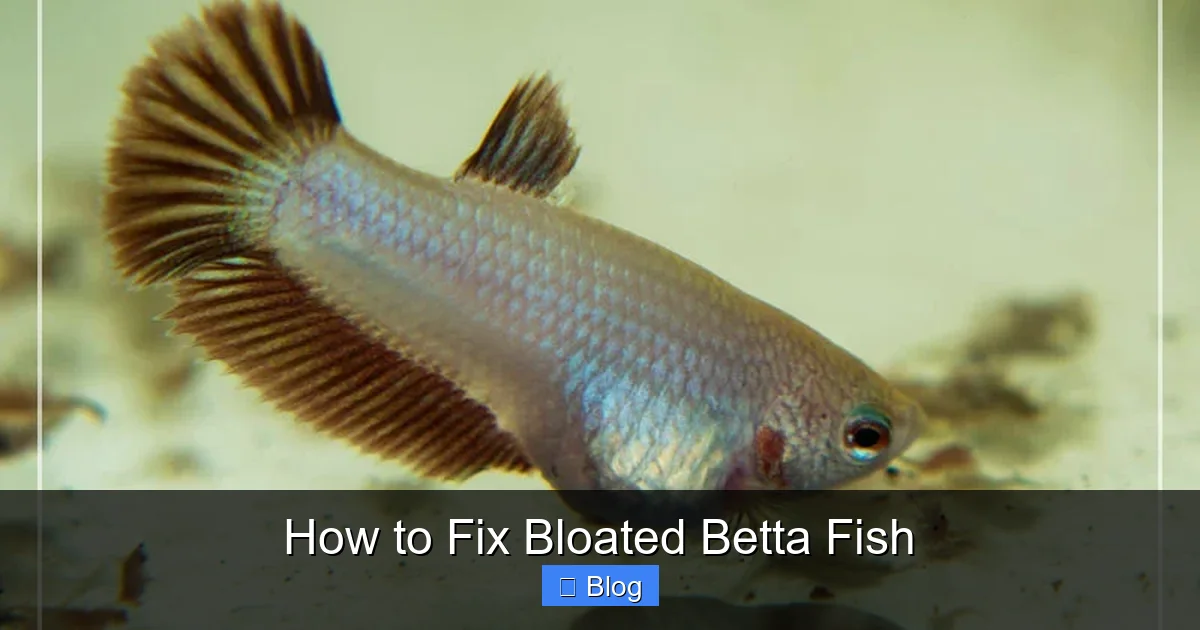
Bloated betta fish are a common but serious issue, often stemming from constipation, poor water quality, or the fatal disease dropsy. The first step is to fast your betta for 24-48 hours to clear a potential digestive blockage. If bloating persists, implement rigorous water changes, consider an Epsom salt bath, and carefully evaluate for dropsy symptoms like pineconing. Immediate, correct action based on the root cause is critical for your betta’s survival.
Key Takeaways
- Identify the Cause First: Bloating is a symptom, not a disease. Determine if it’s simple constipation, poor water quality, or the deadly dropsy before treating.
- Fasting is Your First Tool: Withhold food for 24-48 hours to clear a digestive impaction, the most common cause of bloating in bettas.
- Water Quality is Non-Negotiable: Perform immediate 25-50% water changes with dechlorinated, temperature-matched water to reduce stress and toxins.
- Constipation vs. Dropsy: Constipation causes a smooth, round belly; dropsy adds raised scales (“pineconing”) and is usually fatal. Never treat dropsy like constipation.
- Dietary Fixes are Key: After fasting, feed a high-fiber remedy like cooked, skinned green pea or daphnia to relieve constipation long-term.
- Epsom Salt Can Help: A carefully dosed Epsom salt bath can reduce swelling and act as a mild laxative for non-dropsy bloating.
- Prevention is Everything: A proper low-residue diet, clean water, and avoiding overfeeding are the best long-term strategies to prevent bloating.
📑 Table of Contents
- Understanding the Ballooning Belly: Why Your Betta Is Bloated
- Immediate Action Plan: The First 24 Hours
- Treating Constipation and Digestive Impaction
- Confronting the Dreaded Dropsy: A Different Battle
- The Foundational Fix: Water Quality and Tank Conditions
- Prevention: The Best “Cure” Is a Strong Start
- Conclusion: Knowledge is Your Betta’s Lifeline
Understanding the Ballooning Belly: Why Your Betta Is Bloated
Seeing your vibrant, flowing betta fish suddenly puff up like a little balloon is a heart-stopping moment for any owner. That smooth, swollen abdomen is a clear red flag. But here’s the most crucial thing to understand: bloating itself is not a disease. It’s a symptom—a visual cry for help from your fish’s body. The underlying cause could be something relatively simple and fixable, like a constipation backup, or it could be the devastating final stage of a systemic infection known as dropsy. Your job is to become a detective, quickly and calmly assessing the situation to determine the correct course of action. The difference between a full recovery and a tragic loss often hinges on the first 24 hours after you notice the swelling. This guide will walk you through every step, from initial observation to definitive treatment and long-term prevention, giving you the best possible chance to save your finned friend.
The Two Main Culprits: Constipation vs. Dropsy
When you see a bloated betta, your mind must immediately split into two paths. Path one is constipation or digestive impaction. This is by far the most common cause, especially in bettas fed a high-protein, low-fiber diet. Their tiny digestive tracts can easily get backed up with undigested food, leading to a smooth, round, and firm swelling. The fish might still be active, swimming normally, though perhaps a bit lethargic. Path two is dropsy. This is not a disease itself but a clinical sign of severe internal organ failure, usually from a bacterial infection that causes fluid to build up inside the body. The key visual differentiator is the scales. In dropsy, the scales begin to lift away from the skin, creating a distinctive “pinecone” or “pineapple” texture, especially noticeable on the sides near the tail. The belly often becomes extremely distended and may feel hard or fluid-filled. Dropsy is almost always fatal, but catching it at the very first hint of pineconing and treating aggressively with antibiotics in a hospital tank offers a slim hope.
Other Contributing Factors to Consider
While constipation and dropsy are the primary suspects, other issues can cause or exacerbate bloating. Poor water quality is a massive stressor that weakens a betta’s immune system, making them susceptible to infections that lead to dropsy. It can also directly cause internal imbalances. Internal parasites like Hexamita can cause severe swelling and wasting. Swim bladder disorder can sometimes present with a bloated appearance, though it more commonly causes floating or sinking issues. Overfeeding is the direct gateway to constipation. Even tumors or cysts are a remote possibility. Your observation skills are your best tool. Note your betta’s behavior, appetite, and the exact texture and location of the swelling.
Immediate Action Plan: The First 24 Hours
Do not panic. Do not randomly add medications to your main tank. Your swift, systematic response is critical. The first 24 hours are about stabilization, assessment, and starting the most likely treatment while preparing for the worst-case scenario. Follow these steps in order.
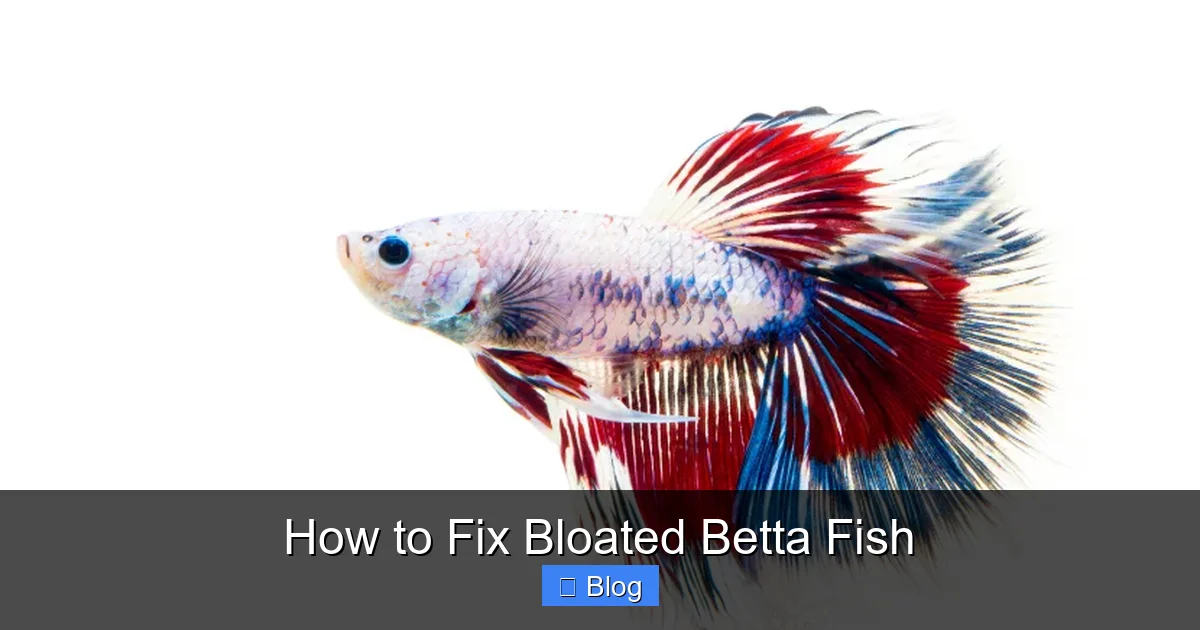
Visual guide about How to Fix Bloated Betta Fish
Image source: japanesefightingfish.org
Step 1: Isolate and Assess
If your betta is in a community tank, immediately move it to a separate “hospital tank”. This is a small, bare aquarium (2.5-5 gallons is ideal) with clean, dechlorinated water at the same temperature as its main tank (78-80°F is perfect). No gravel, no plants, no decorations—just a secure lid (bettas jump!) and perhaps a gentle sponge filter or aeration. This prevents stress from tank mates, stops any potential contagion, and allows you to medicate without harming beneficial bacteria in the main filter. Once isolated, observe your betta closely under good light. Is it breathing rapidly? Is it clamped? Is it trying to hide? Most importantly, get a side-view look at its scales. Gently cup your hand near it; does it try to flare? Active flaring is a slightly better sign than complete lethargy. Use a magnifying glass if needed to check for the first signs of pineconing.
Step 2: The Fast Begins
Regardless of your initial suspicion, the very first treatment for any bloated betta is a 24-48 hour fast. This gives the digestive system a complete rest and a chance to clear any blockage on its own. Remove all food. Do not offer any treats. This is non-negotiable and the single most effective step for constipation-related bloating. During the fast, maintain pristine water quality in the hospital tank with a 50% water change after the first 12 hours.
Step 3: Test Your Water
While your betta fasts, test the water parameters in both the hospital tank and the main tank using a liquid test kit (strip tests are notoriously inaccurate). You must know your Ammonia, Nitrite, Nitrate, and pH levels. Any detectable ammonia or nitrite is toxic and must be addressed immediately with water changes. High nitrates (above 20ppm) are also a chronic stressor. This step is vital because even if the bloating is from constipation, poor water quality is a contributing factor that will hinder recovery. If your main tank has issues, you are dealing with a two-front war: fixing the fish and fixing the environment.
Treating Constipation and Digestive Impaction
If after the 24-hour fast the bloating has reduced significantly or remained stable without worsening, and there are no signs of pineconing, you are very likely dealing with constipation. This is good news—it’s treatable. The goal now is to provide a gentle, effective laxative and then permanently adjust the diet.
The Magic Remedy: The Cooked Pea
The time-honored, most effective cure for betta constipation is a cooked, skinned green pea. Peas are high in fiber and act as a natural laxative for fish. Here’s exactly how to prepare it: Take a frozen or fresh green pea, remove it from the pod, and place it in a microwave-safe dish with a tablespoon of water. Microwave for 20-30 seconds until the pea is soft but not mushy. Let it cool completely. Once cool, peel off the outer skin—this is the most important step, as the skin is indigestible and can make things worse. You should be left with a soft, bright green inner pea. Mash it slightly between your fingers or with a fork to create a paste. Using a tweezers or your finger, offer a tiny, pea-sized portion (we’re talking a piece no bigger than a grain of rice for a betta) directly to your betta. If it eats, great. If not, drop it near its favorite resting spot. Repeat this offering once a day for 2-3 days. The fiber will work through its system, and you should see a noticeable reduction in bloating and the return of normal, formed fecal strings (not stringy white waste).
Alternative and Supplemental Remedies
If your betta is a picky eater and refuses pea, or you want a supplementary option, daphnia is excellent. These tiny, live or frozen crustaceans are nature’s betta laxative—high in fiber and protein. You can buy daphnia cultures or frozen daphnia cubes at most aquarium stores. Thaw a tiny piece and offer it. Epsom salt (magnesium sulfate) is another tool. It can help reduce swelling and has a mild laxative effect. For a hospital tank, add 1 teaspoon of Epsom salt per 5 gallons of water. Dissolve it in a cup of tank water first. Do not use table salt or aquarium salt for this purpose—only pure Epsom salt. Leave it in the water for 24 hours, then perform a 100% water change the next day. This can be repeated for 2-3 days if needed. Important: Never combine Epsom salt baths with other medications unless specified as safe.
Long-Term Dietary Prevention
Once your betta is back to normal, its diet must change to prevent a recurrence. Stop feeding generic “betta pellets” that list fish meal or wheat flour as the first ingredient. These are often high in fillers and low in digestible protein. Switch to a high-quality pellet where whole fish or shrimp is the first ingredient. Soak these pellets in a bit of tank water for a minute before feeding to expand them outside the fish’s stomach. Feed sparingly—2-3 pellets once a day is plenty for an adult betta. Their stomach is the size of their eyeball! Supplement with fiber 1-2 times a week. This can be a tiny piece of the peeled pea, a couple of daphnia, or a small portion of high-quality frozen bloodworm or brine shrimp (these have less fiber than daphnia but are a good occasional treat). A varied, low-residue diet is the cornerstone of digestive health.
Confronting the Dreaded Dropsy: A Different Battle
If, during your assessment, you noticed raised, pinecone-like scales, you are likely facing dropsy. This changes everything. Dropsy is a symptom of a severe internal bacterial infection (often Aeromonas) that has caused the fish’s kidneys or other organs to fail, leading to massive fluid buildup. The body is essentially drowning from the inside. The prognosis is grave, but immediate, aggressive treatment is the only chance.

Visual guide about How to Fix Bloated Betta Fish
Image source: aquanswers.com
Recognizing the Full Dropsy Progression
Dropsy doesn’t appear overnight. It’s the final stage. You might have missed earlier signs: lethargy, loss of appetite, clamped fins, and a slightly pale or dark coloration. The bloating starts subtly, then becomes extreme. The pineconing usually starts near the tail and spreads forward. The fish may become so buoyant it floats upside down, or so heavy it sinks, unable to swim. Its gills may appear red and inflamed. At this point, the fish is in immense distress and pain.
The Hospital Tank Setup for Dropsy
For dropsy, a hospital tank is not optional—it’s essential. Set up a clean, cycled 5-gallon tank with heater, a gentle sponge filter (no strong current), and hiding places like a single PVC pipe or plant pot. Do not use any gravel or substrate. This allows for easy, frequent water changes. The water must be pristine. Start with a 100% water change with perfectly treated water. You will be doing 50-75% water changes daily. The goal is to reduce the toxic load on the fish’s failing body and keep ammonia at absolute zero.
Medication Protocol: The Only Hope
There is no over-the-counter “dropsy cure.” You are fighting a systemic bacterial infection. The most effective approach is an antibacterial soak or bath, as oral medication is often ineffective for a fish that has stopped eating. Kanamycin or Neomycin (found in products like Maracyn 2 or Kanaplex) are the primary antibiotics used. Follow the dosing instructions for a bath exactly. Typically, you would dissolve the medication in a separate container of hospital tank water and place the betta in that bath for 30-60 minutes, then return it to the clean hospital tank. This is repeated 1-2 times daily for 5-7 days. Simultaneously, you can use an Epsom salt bath (1 tsp per 5 gallons) in the main hospital tank water (not at the same time as antibiotics) to help draw out fluid. This is a stressful process for an already weak fish, but it’s the only protocol with a chance of success. Consult a vet specializing in fish if possible for injectable antibiotics, which are more effective but require expertise.
The Foundational Fix: Water Quality and Tank Conditions
No matter the cause of bloating, its treatment and prevention are impossible without excellent water quality. A betta’s labyrinth organ allows it to breathe air, but it still lives in and is constantly stressed by its water. Poor water quality suppresses the immune system, damages fins, and creates the perfect environment for the bacteria that cause dropsy. Think of clean water as your betta’s medicine and its home’s immune system.
Understanding the Nitrogen Cycle
You cannot fix water if you don’t understand the basics. Fish produce ammonia (toxic). Beneficial bacteria convert ammonia to nitrite (also toxic). A second bacteria converts nitrite to nitrate (less toxic, but still needs management). A cycled tank has a strong population of these bacteria, primarily living in the filter media. A “cycled” tank has zero ammonia and zero nitrite. Test your water to know for sure. If you see ammonia or nitrite, your tank is not cycled or your cycle has crashed, and this is a primary stressor contributing to your betta’s illness. Fixing this requires daily water changes and possibly adding beneficial bacteria supplements until the cycle re-stabilizes.
The Gold Standard of Water Changes
For a sick betta, water changes are therapy. For a healthy betta, they are prevention. Use a dechlorinator that removes chlorine, chloramine, and heavy metals. Match the temperature of the new water to the tank water exactly (within 1-2 degrees) to avoid thermal shock. For a hospital tank, perform a 50-75% water change daily. For a main tank with a healthy betta, a 25% weekly water change is the bare minimum; 50% is better. Always use a gravel vacuum to remove waste from the substrate during changes. Never change 100% of the water at once, as this removes beneficial bacteria and can shock the fish.
Filter Maintenance and Temperature
Your filter is your best friend, but it needs care. Never rinse filter media in tap water—the chlorine will kill the beneficial bacteria. Instead, squeeze or rinse it in a bucket of old tank water during a water change. Replace filter media only when it’s falling apart, and do so incrementally (e.g., replace half at a time a month apart). Ensure your heater is accurate with a separate aquarium thermometer. Betta are tropical fish; stable temperatures between 78-80°F are ideal. Fluctuations cause immense stress. A small, adjustable heater is a must-have for any betta tank over 2.5 gallons.
Prevention: The Best “Cure” Is a Strong Start
The old adage “an ounce of prevention is worth a pound of cure” is the absolute truth in betta care. A bloated betta is a sign that something in its environment or care has failed. By establishing a flawless routine from day one, you can almost entirely eliminate the risk of fatal bloating.
Mastering the Betta Diet
Feed a high-quality, varied diet as described earlier. The cornerstone should be a premium pellet or gel food. Supplement 2-3 times a week with fiber (pea or daphnia) and 1-2 times with protein (frozen or live foods like bloodworms, brine shrimp). Never overfeed. Any uneaten food must be removed within 2-3 minutes with a net or turkey baster. Rotting food decays into ammonia. A strict feeding schedule helps. Consider implementing a “fast day” once a week where you give no food—this gives the digestive system a rest and mimics natural feeding patterns.
Creating a Stress-Free Home
Stress is the silent killer. A stressed betta has a compromised immune system. Ensure your tank is appropriately sized (minimum 5 gallons for a sole betta; 10+ for a community). Provide gentle filtration—a sponge filter is ideal. Bettas hate strong currents. Add plenty of hiding places—live or silk plants, caves, and decor that don’t have sharp edges that can tear fins. Keep the tank lid on—bettas are notorious jumpers. Maintain a consistent light cycle (8-10 hours of light, 14-16 hours of dark) with an outlet timer. Avoid loud noises and sudden movements near the tank. A calm, stable environment is a healthy environment.
Routine Health Monitoring
Get into the habit of a daily 30-second health check. Look at your betta. Is its color bright? Are its fins fully extended and undamaged? Is it swimming with purpose? Is its belly flat and smooth? Is it eating eagerly? This daily glance will make you familiar with its “normal,” so you can spot the abnormal—like a slightly swollen belly—within hours, not days. Early detection is the single biggest factor in successful treatment.
Conclusion: Knowledge is Your Betta’s Lifeline
A bloated betta fish is one of the most common and alarming problems an owner can face. But as we’ve explored, it is not an automatic death sentence. The path forward is clear: act swiftly, isolate the fish, fast it, and become a meticulous observer to distinguish between the manageable (constipation) and the dire (dropsy). For constipation, the humble cooked pea is your miracle worker. For dropsy, aggressive antibiotic baths in a pristine hospital tank offer a slim hope. Through it all, immaculate water quality is the non-negotiable foundation. Ultimately, the most powerful tool you have is prevention—a commitment to a high-fiber diet, rigorous tank maintenance, and a stress-free home. By understanding the “why” behind the bloating, you transform from a worried spectator into a capable caregiver, ready to give your betta the fighting chance it deserves. Your attention to detail and prompt action today can mean years of vibrant, healthy swimming tomorrow.
Frequently Asked Questions
How long should I fast my bloated betta fish?
Fast your betta for 24-48 hours. This allows any digestive blockage to clear. Do not feed during this period, but ensure the water remains clean with frequent small water changes. After the fast, offer a high-fiber remedy like a skinned, cooked pea.
When should I suspect dropsy instead of constipation?
Suspect dropsy if you see raised, pinecone-like scales on the fish’s body, especially near the tail. Dropsy is also accompanied by extreme lethargy, loss of appetite, and often a hard, fluid-filled belly. Constipation causes a smooth, round belly, and the fish usually remains more active.
Is dropsy contagious to other fish?
The underlying bacterial infection that causes dropsy can be contagious, especially in stressed or immunocompromised fish in poor water conditions. It is crucial to isolate a dropsy-suspected fish immediately in a hospital tank to protect other tank inhabitants and to allow for targeted treatment.
Can I use aquarium salt for a bloated betta?
No. For digestive bloating/constipation, use Epsom salt (magnesium sulfate), which acts as a muscle relaxant and mild laxative. Regular aquarium salt (sodium chloride) does not have the same effect and can be harmful to freshwater fish if used incorrectly, especially for internal issues.
My betta won’t eat the pea. What else can I do?
Try offering daphnia (live or frozen), which is a natural laxative for bettas. You can also try a very small amount of unseasoned, cooked zucchini or cucumber. Ensure any food is finely chopped or mashed. If the betta is not eating at all, it may be a sign of severe illness, and you should focus on water quality and consider antibiotic treatment for dropsy.
How often should I do water changes to prevent bloating?
To prevent all illness, including bloating, perform a 25-50% water change weekly in a properly filtered betta tank. For a tank without a filter (like a small bowl), you must perform 100% water changes every other day. Consistently clean water is the single most important factor in preventing stress and disease.