How to Cure Fin Rot Betta Fish
Fin rot is a common, treatable bacterial or fungal infection in betta fish that causes their fins to fray, decay, and discolor. Curing it requires immediate action: improving water quality through frequent changes, adding appropriate medication like broad-spectrum antibiotics or antifungals, and sometimes using salt baths. Prevention is always better than cure, so maintaining pristine water conditions and a stress-free environment is the single most important long-term strategy.
Key Takeaways
- Fin rot is primarily caused by poor water quality and stress: It’s not a “mystery illness” but a direct result of a compromised immune system from dirty water, incorrect temperature, or aggressive tank mates.
- Early detection is critical for a full recovery: Look for the first signs of fraying, white or black edges, and a “melted” appearance on the fins. The sooner you act, the better the prognosis.
- Water changes are non-negotiable treatment: You must perform large, frequent water changes (25-50% daily) to remove pathogens and ammonia, which are fueling the infection.
- Medication must be chosen carefully: Use a broad-spectrum antibiotic (like Maracyn or Kanamycin) for bacterial fin rot, or an antifungal (like Methylene Blue) for fungal cases. Never guess; observe the symptoms.
- Salt baths can be a powerful supportive treatment: A diluted aquarium salt bath (1 tsp per gallon for 5-10 minutes) can help reduce stress and osmoregulate the fish, aiding recovery.
- Prevention is the ultimate cure: Maintain a cycled, heated tank (78-80°F), perform weekly 25% water changes, avoid overfeeding, and provide hiding spots to minimize stress long-term.
- Never use human medications or harsh chemicals: Products like hydrogen peroxide or bleach must be used with extreme caution and precise dilution. When in doubt, consult a vet or experienced aquarist.
📑 Table of Contents
- What Exactly Is Fin Rot in Betta Fish?
- Step 1: Diagnosing Fin Rot Accurately
- Step 2: The Immediate Crisis Protocol (First 24 Hours)
- Step 3: Choosing and Administering the Right Medication
- Step 4: The Supportive Care Regimen (The “Nursing” Phase)
- Step 5: The Long Haul – Recovery and Regrowth
- Common Mistakes That Sabotage Recovery
- Conclusion: Your Betta’s Second Chance
What Exactly Is Fin Rot in Betta Fish?
So, you’ve noticed something’s wrong with your betta’s beautiful, flowing fins. They might look shredded, like they’ve been nibbled on, or perhaps they have a white, cottony edge. This distressing condition is almost certainly fin rot. Fin rot isn’t a single disease but a symptom of a progressive infection—usually bacterial, sometimes fungal—that eats away at the fin tissue. It’s a sign that your betta’s immune system has been overwhelmed and is losing the battle. The good news? Fin rot in betta fish is one of the most common and treatable ailments in the aquarium hobby, provided you catch it early and act decisively. It’s less about a mysterious “cure” and more about systematically removing the causes and supporting your fish’s own healing processes.
Think of fin rot like a severe infection in a human cut. If the wound is kept clean (good water) and the person is healthy (low stress), it heals. If it’s left in a dirty environment (poor water) and the person is run-down (stressed betta), the infection takes hold and worsens. Your goal is to clean the “wound” (the tank) and boost your betta’s “immune system” through optimal conditions and targeted medication.
The Two Main Culprits: Bacteria vs. Fungus
Identifying whether the infection is bacterial or fungal is the first step to choosing the right treatment, though they often occur together.
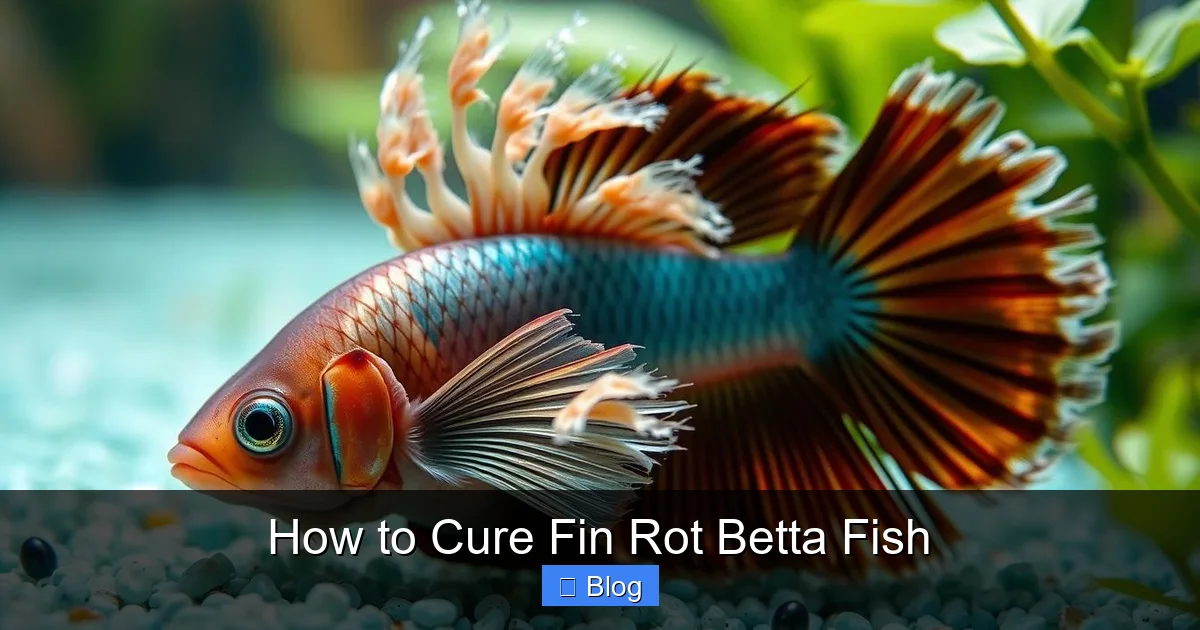
- Bacterial Fin Rot: This is more common. It typically presents as fins that look shredded, jagged, or “melted.” The edges may turn white, gray, or black and can have a slimy appearance. The decay progresses rapidly, sometimes eating a centimeter of fin in a day. It’s often caused by opportunistic bacteria like Aeromonas or Pseudomonas that are always present in the tank but only cause trouble when water quality plummets.
- Fungal Fin Rot: This is less common but often follows bacterial damage or occurs in very warm, stagnant water. Look for distinct white or gray cotton-like tufts or fluffy growth on the damaged fin edges. The fin tissue underneath may be pale. Fungal infections are slower moving than aggressive bacterial ones but require a different medication.
Step 1: Diagnosing Fin Rot Accurately
Before you grab a medication bottle, you need to be sure it’s fin rot and not another issue like fin nipping (from tank mates or the betta itself due to boredom or stress) or simple physical injury. Here’s your diagnostic checklist:
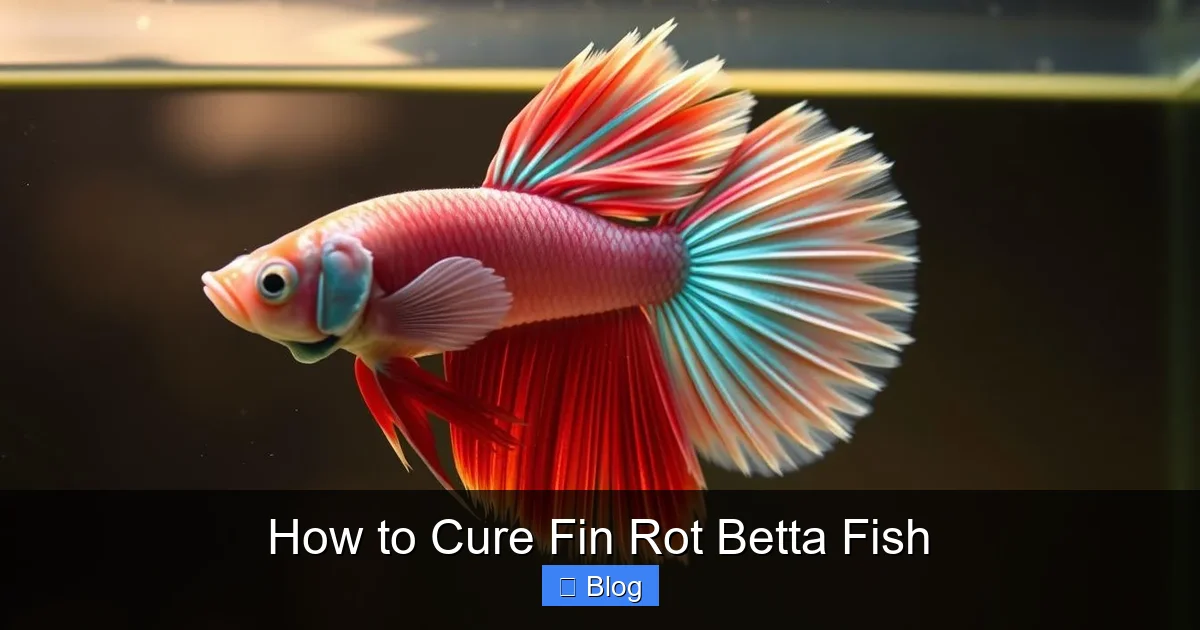
Visual guide about How to Cure Fin Rot Betta Fish
Image source: koibettafish.com
Key Symptoms to Look For
- Progressive Fin Decay: The damage gets worse over 24-48 hours, not static. Fins appear shorter, with irregular, torn edges.
- Discolored Edges: Look for a distinct line of white, black, or red at the tip of the fin where healthy tissue meets dying tissue.
- Clumped or Ragged Fins: Fins may stick together, look stiff, or have a “burnt” or “melted” appearance.
- Lethargy and Loss of Appetite: Your usually active betta may hover listlessly, often at the top or bottom, and ignore food.
- Foul Odor: A strong, unpleasant smell from the water is a major red flag for high ammonia/nitrite from decaying tissue and waste.
Ruling Out Other Causes
If your betta is in a community tank, observe for aggression. Is a tiger barb or gourami chasing it? If so, the nipping might be the primary issue, which can then lead to a secondary fin rot infection. If the damage is symmetrical and only on the very ends of fins with no discoloration, it might be simple wear and tear or a minor injury that will heal with clean water alone. The presence of discoloration and active decay is what confirms a true rot infection.
Step 2: The Immediate Crisis Protocol (First 24 Hours)
Once you’ve confirmed fin rot, you have a small window to stop the rapid progression. Your actions in the first day are the most critical. Do not wait to see if it gets better on its own. It won’t.
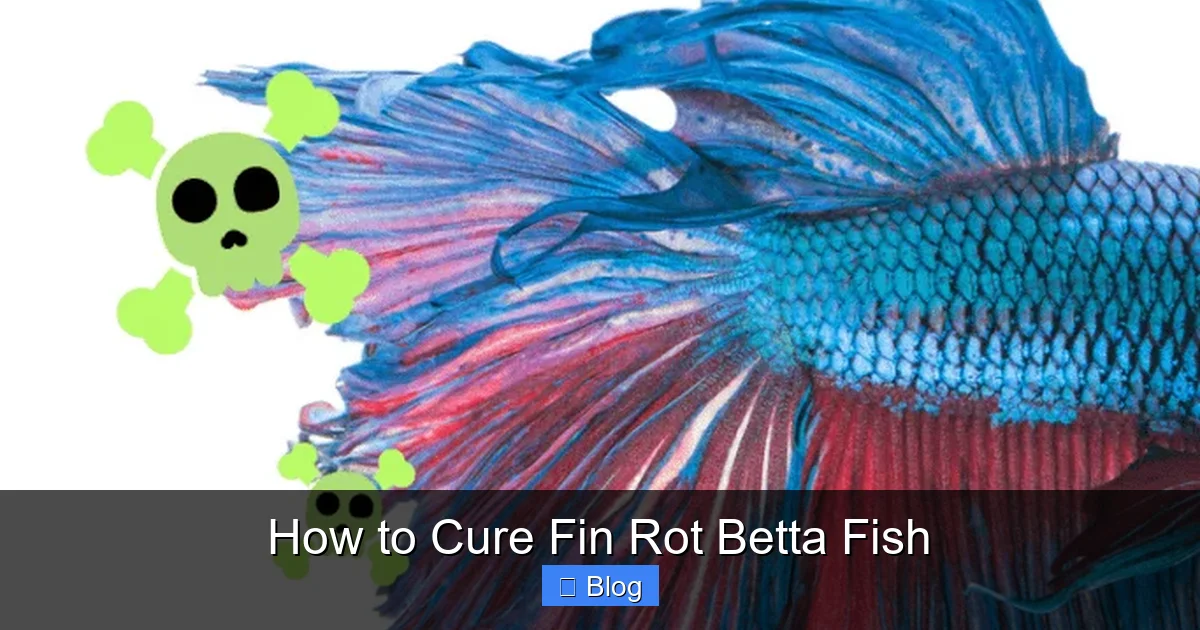
Visual guide about How to Cure Fin Rot Betta Fish
Image source: japanesefightingfish.org
1. Isolate the Patient (If Possible)
If your betta is in a community tank, this is your first move. Set up a simple hospital tank—a clean 1-5 gallon tank with a heater (set to 80°F), a gentle filter (like a sponge filter), and nothing but the fish and a hiding place (a plant or cave). This accomplishes three things: it prevents any aggressive tank mates from causing more damage, it allows you to medicate without harming other livestock or beneficial bacteria in the main display, and it gives you total control over the water parameters. If a hospital tank isn’t possible, you must medicate in the main tank, understanding this will harm your biological filter.
2. The First Massive Water Change
Regardless of tank setup, perform a 50% water change immediately. Use a dechlorinator that neutralizes chloramines. This instantly dilutes the concentration of pathogens, ammonia, nitrite, and other toxins that are attacking your fish’s fins. Scrape any visible algae and vacuum the substrate thoroughly to remove decaying matter. This is the single most effective “medicine” you can give.
3. Test Your Water Relentlessly
You must know your enemy. Use a liquid test kit (like API Master Test Kit) to check for ammonia, nitrite, nitrate, and pH. In a cycling tank with fin rot, you will likely find ammonia or nitrite present—this is a toxic emergency. Your goal for the first week is to have ammonia and nitrite at 0 ppm. Nitrates should be below 20 ppm. Write these numbers down. They tell you if your tank is cycled and if the rot is being fueled by poor water quality.
Step 3: Choosing and Administering the Right Medication
With the crisis water change done, it’s time to target the infection directly. The golden rule: do not mix medications unless the label explicitly says it’s safe. Always remove activated carbon from your filter, as it will adsorb the medication and render it useless.
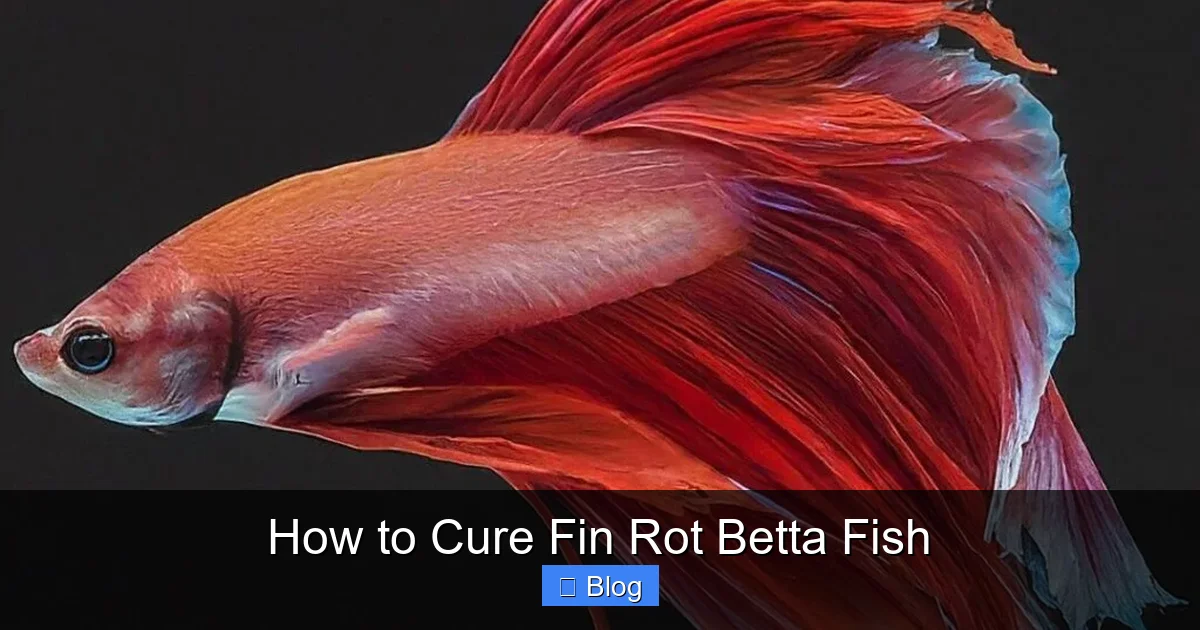
Visual guide about How to Cure Fin Rot Betta Fish
Image source: fishkeepertank.com
For Suspected Bacterial Fin Rot
Bacterial infections are the most frequent cause. Look for a broad-spectrum antibiotic. The most common and effective are:
- Methylene Blue: A versatile antiseptic that works against both bacteria and fungi. It’s gentle and can be used as a bath or tank treatment. It will turn the water and your fish blue, but this is harmless. Dose according to package instructions (usually 1-2 tsp per 10 gallons for a tank treatment).
- Maracyn (Erythromycin) or Maracyn 2 (Minocycline): These are potent antibiotic powders. They are excellent for internal and external bacterial infections. Follow the 5-day treatment course exactly, even if your fish looks better after 2 days.
- Kanamycin: A very strong antibiotic effective against gram-negative bacteria like Aeromonas. Often found in products like KanaPlex. Use with caution and follow dosing precisely.
- Furan-2 (Nitrofurazone): Another broad-spectrum antibacterial. Often used in combination with other meds like Kanamycin for severe cases.
For Suspected Fungal Fin Rot
If you see those tell-tale cottony growths, you need an antifungal:
- Methylene Blue: Again, very effective against fungus. A good first choice if you’re unsure.
- Malachite Green: A powerful antifungal, but it is toxic to invertebrates (shrimp, snails) and can be harsh on fish if overdosed. Use only as directed and remove after treatment.
- Potassium Permanganate (PP): A strong oxidizer that kills fungus, bacteria, and parasites. It must be prepared and dosed with extreme care (a 4 mg/L bath is common). It stains everything purple and can burn gills if the concentration is too high. Only for advanced hobbyists.
How to Dose: The “Less is More” Principle
Always start with the lowest recommended dose on the package. Overdosing can kill your betta, especially in a small hospital tank where the concentration rises quickly. Dissolve powder medications in a cup of tank water first, then pour it slowly into the tank. For a hospital tank, a full-dose treatment is usually appropriate. For a main display tank, you may need to do a “medicated bath” instead: catch your betta, place it in a smaller container with treated water from the main tank plus the medication, and let it soak for 30-60 minutes daily, then return it to the clean main tank. This protects your filter bacteria.
Step 4: The Supportive Care Regimen (The “Nursing” Phase)
Medication is the antibiotic, but supportive care is the rest, nutrition, and clean bandage. This is what determines if your betta regrows its fins perfectly or with scars.
Water Changes: Your Daily Habit
During treatment, perform a 25-50% water change every single day. This is exhausting but essential. It removes medication waste, dead pathogens, and ammonia spikes caused by the dying infection and the fish’s own stress. Use a gravel vacuum to siphon out any visible slime or debris from the bottom. Match the temperature of the new water precisely to the tank to avoid thermal shock.
The Aquarium Salt (AQS) Bath
This is a fantastic supportive therapy. AQ Salt is not a medication but a supportive agent that helps reduce stress and osmoregulate the fish, making it harder for pathogens to thrive.
- Preparation: Dissolve 1 teaspoon of non-iodized aquarium salt per gallon of water in a separate clean container. Use water from the main tank or treated tap water.
- Procedure: Gently net your betta and place it in the salt bath for 5-10 minutes. Watch closely for signs of distress (gasping, frantic swimming). If it panics, remove it immediately.
- Frequency: Once daily during the acute phase of fin rot. Do not add salt directly to the main tank long-term, as bettas are freshwater fish and salt can harm plants and invertebrates if used continuously.
Feeding for Recovery
A sick betta needs high-quality, easy-to-digest food. Stop feeding pellets or flakes that may sink and foul the water. Offer:
- Frozen or Live Foods: Daphnia (water fleas) are the absolute best. They are high in protein, act as a natural laxative to clear the digestive system, and are easy to eat. Brine shrimp or microworms are also excellent.
- Soaked Pellets: If you must use pellets, soak them in a little tank water or garlic juice (garlic is a natural immunostimulant) for 5 minutes to soften them before feeding.
- Feed Sparingly: Only give what your betta will eat in 2 minutes, once a day. A full digestive tract produces more waste, polluting the already stressed water.
Step 5: The Long Haul – Recovery and Regrowth
Once the active decay stops (no new ragged edges appearing for 2-3 days), you can begin to wean off medications. Fin regrowth is a slow process, measured in millimeters per week.
Finishing the Medication Course
Even if your betta looks 100% better after 3 days of antibiotics, you must complete the full 5-7 day course. Stopping early allows the strongest bacteria to survive and develop resistance, making the infection much harder to treat if it returns.
Weaning Off and Returning to Normal Care
After the final dose, perform a 50% water change to remove medication residues. If you used a hospital tank, you can now return your betta to its clean, cycled display tank (assuming tank mates are not a threat). Resume your normal, rigorous maintenance schedule: 25% weekly water changes, filter cleaning (rinse media in old tank water, never tap water), and substrate vacuuming.
What to Expect During Regrowth
New fin tissue is incredibly fragile and transparent. It will look like a thin, clear veil extending from the damaged area. This is normal. Do not mistake this for continued rot. The new fin will slowly become more opaque and gain color over weeks and months. Sometimes, regrown fins are shorter or have a slightly different shape. This is a scar, but your fish will be healthy and happy. The process can take 3-6 months for significant regrowth.
Common Mistakes That Sabotage Recovery
I’ve seen well-intentioned fish owners accidentally kill their betta while trying to cure fin rot. Avoid these pitfalls:
Mistake 1: Overmedicating or Mixing Meds
More is not better. Doubling the dose will not cure twice as fast; it will poison your fish. Never mix an antibiotic with an antifungal unless a product specifically says it’s a combo treatment. The chemical reactions can be lethal.
Mistake 2: Ignoring Water Parameters
You can have the best medication in the world, but if your tank has 2 ppm of ammonia, your fish will die. Medication is a temporary fix; clean water is the permanent solution. Test daily during treatment.
Mistake 3: Using “Home Remedies” Without Caution
While aquarium salt and Indian almond leaves (which release tannins with mild antibacterial properties) are excellent, avoid unproven internet hacks. Never use human antibiotics (like amoxicillin), hydrogen peroxide without precise dilution (it can burn gills and skin), or bleach dips (extremely risky). When in doubt, stick to proven aquarium medications.
Mistake 4: Rushing the Process
Fin rot recovery is not a 48-hour fix. It’s a marathon of daily water changes and monitoring. If you stop treatment after 2 days because the rot seems to have stopped, it will almost certainly return with a vengeance, now resistant to the first medication you used.
Conclusion: Your Betta’s Second Chance
Curing fin rot in your betta fish is a powerful lesson in responsible aquarium husbandry. It forces you to confront the fundamentals: water quality is everything. The “cure” is a simple, if demanding, formula: immediate, massive water changes + correct medication + daily supportive care (salt baths, clean feeding) + unwavering patience. Your betta’s fins may never return to their original, perfect glory, but a healthy, active fish with slightly shorter fins is a complete victory. By treating the root cause—the dirty, stressful environment—you don’t just heal a current infection; you build a fortress that prevents the next one. You’ve moved from being a pet owner to a dedicated caregiver. Now, take a deep breath, test that water, and start that first water change. Your betta is counting on you.
Frequently Asked Questions
Can fin rot cure itself without medication?
No, fin rot will not resolve on its own. It is an active infection that will worsen without intervention. However, if the root cause is a minor, one-time water quality spike and you catch the very earliest signs (just a few frayed tips), an immediate and aggressive series of large water changes may be enough to halt it. For any active decay or discoloration, medication is necessary.
Is fin rot contagious to other fish in the tank?
The bacteria and fungi that cause fin rot are opportunistic and are always present in aquarium water to some degree. They are not considered “contagious” like a virus. Instead, they attack any fish that is stressed or has a compromised immune system due to poor water conditions. If you have other fish, improving water quality for everyone is the key to prevention.
How long does it take for a betta’s fins to grow back after fin rot?
Fin regrowth is a slow process. You should see a clear, thin membrane beginning to extend from the damaged area within 2-3 weeks of successful treatment. Significant regrowth to a normal, flowing length can take 3 to 6 months. The new fin will be fragile and should be protected from any fin-nipping tank mates during this entire period.
Can I use table salt or Epsom salt instead of aquarium salt?
No. Table salt contains iodine and anti-caking agents that are toxic to fish. Epsom salt (magnesium sulfate) is used for different purposes, like treating bloating or parasites, and is not a substitute for sodium chloride (aquarium salt) in a salt bath for fin rot. Always use non-iodized aquarium salt or rock salt labeled for aquarium use.
My betta’s fin rot came back after treatment. What now?
A recurrence usually means one of two things: the medication course was not completed properly, or the underlying water quality issue was not fully resolved. Re-test your water parameters for ammonia, nitrite, and nitrate. Perform a full tank clean and restart the treatment protocol with a different class of medication (e.g., if you used an antibiotic last time, try an antifungal or a combo treatment this time).
When is it time to consider euthanizing a betta with fin rot?
Euthanasia is a last resort and should only be considered if your betta is clearly suffering with no hope of recovery. Signs include: complete loss of all fin tissue to the body, extensive body rot (not just fins), inability to swim or maintain buoyancy, a complete lack of response to treatment after 5-7 days, or rapid, severe deterioration despite your best efforts. A humane method like clove oil overdose is recommended by most veterinarians.